French

Slug
french
Identifier
skpFrn

Le tournant de l'apprentissage numérique en Afrique: le rôle des écosystèmes locaux; la Coalition mondiale pour l'éducation célèbre la Journée de l'Afrique

Le tournant de l'apprentissage numérique en Afrique: le rôle des écosystèmes locaux; la Coalition mondiale pour l'éducation célèbre la Journée de l'Afrique

Type:
Document
Content Type:
Meeting document
Language:

French

Slug
french
Identifier
skpFrn
Sources:

Information is gathered from other international organizations that promote skills development and the transition from education and training to work. The Interagency Group on Technical and Vocational Education and Training (IAG-TVET) was established in 2009 to share research findings, coordinate joint research endeavours, and improve collaboration among organizations working at the international and national levels.

Thumbnail
Identifier
skpIntOrg
Slug
international-organizations
Topics:

Apprenticeships

Thumbnail

Quality apprenticeships based on robust social dialogue and public-private partnerships can improve employment prospects for young people while developing high level skills identified by employers as necessary for growth and increased productivity. Both informal and regulated apprenticeship systems are important learning resources enabling young people to overcome the work-inexperience trap, gain new and enhanced skills and recognized qualifications.

Upgrading informal apprenticeships and expanding regulated ones is a cost-effective way to invest in a country’s skills base, promote economic growth and enhance the employability of youth.

Identifier
skpAppren
Slug
apprenticeships
Knowledge Products:

Other knowledge products

Thumbnail
Identifier
skpOProduct
Slug
other-knowledge-products
Publication Date:
21 Sep 2021

Le 25 mai 2021, à l'occasion de la Journée de l'Afrique, l'UNESCO a réuni des ministres africains, des acteurs clés de l'éducation et des représentants du secteur privé lors d'un forum virtuel de la Coalition mondiale pour l'éducation (GEC) auquel ont participé plus de 200 personnes.

Subject Tags:

Apprenticeships

Slug
apprenticeships
Identifier
639

Information and communication technologies

Slug
information-and-communication-technologies
Identifier
346
Regions:

Africa

Region Image

Le tournant de l'apprentissage numérique en Afrique: le rôle des écosystèmes locaux; la Coalition mondiale pour l'éducation célèbre la Journée de l'Afrique

Le tournant de l'apprentissage numérique en Afrique: le rôle des écosystèmes locaux; la Coalition mondiale pour l'éducation célèbre la Journée de l'Afrique

Type:
Document
Content Type:
Meeting document
Language:

French

Slug
french
Identifier
skpFrn
Sources:

Information is gathered from other international organizations that promote skills development and the transition from education and training to work. The Interagency Group on Technical and Vocational Education and Training (IAG-TVET) was established in 2009 to share research findings, coordinate joint research endeavours, and improve collaboration among organizations working at the international and national levels.

Thumbnail
Identifier
skpIntOrg
Slug
international-organizations
Topics:

Apprenticeships

Thumbnail

Quality apprenticeships based on robust social dialogue and public-private partnerships can improve employment prospects for young people while developing high level skills identified by employers as necessary for growth and increased productivity. Both informal and regulated apprenticeship systems are important learning resources enabling young people to overcome the work-inexperience trap, gain new and enhanced skills and recognized qualifications.

Upgrading informal apprenticeships and expanding regulated ones is a cost-effective way to invest in a country’s skills base, promote economic growth and enhance the employability of youth.

Identifier
skpAppren
Slug
apprenticeships
Knowledge Products:

Other knowledge products

Thumbnail
Identifier
skpOProduct
Slug
other-knowledge-products
Publication Date:
21 Sep 2021

Le 25 mai 2021, à l'occasion de la Journée de l'Afrique, l'UNESCO a réuni des ministres africains, des acteurs clés de l'éducation et des représentants du secteur privé lors d'un forum virtuel de la Coalition mondiale pour l'éducation (GEC) auquel ont participé plus de 200 personnes.

Subject Tags:

Apprenticeships

Slug
apprenticeships
Identifier
639

Information and communication technologies

Slug
information-and-communication-technologies
Identifier
346
Regions:

Africa

Region Image

Journée Internationale de la fille 2021- Génération numérique. Notre génération

Journée Internationale de la fille 2021- Génération numérique. Notre génération

Kind:
Event
Start Date:
10 Nov 2021
End Date:
05 Jun 2026
Event Location:
Online
EventType:
Language:

French

Slug
french
Identifier
skpFrn
Language Version:
--
Sources:

Information is gathered from other international organizations that promote skills development and the transition from education and training to work. The Interagency Group on Technical and Vocational Education and Training (IAG-TVET) was established in 2009 to share research findings, coordinate joint research endeavours, and improve collaboration among organizations working at the international and national levels.

Thumbnail
Identifier
skpIntOrg
Slug
international-organizations
Topics:

Gender equality

Thumbnail

Women represent both half of the world's population – and half the world's economic potential. Their participation in the labour market reduces poverty because they often invest 90 per cent of their income in the well-being, education and nutrition of their families. Yet labour force participation by women has stagnated at about 55 per cent globally since 2010. Moreover, women are disproportionately represented in precarious work – low-paid, low-skilled and insecure jobs.

Training plays an important role in the pursuit of equality of opportunity and treatment for women and men in the world of work. Yet women often lack access to technical and vocational education and training. Many also lack the basic functional skills, such as literacy and numeracy, to participate meaningfully in the work force. Overcoming this challenge requires the adoption of a life-cycle approach. This includes improving girls’ access to basic education; overcoming logistic, economic and cultural barriers to apprenticeships and to secondary and vocational training for young women; and meeting the training needs of women re-entering the labour market and of older women who have not had equal access to opportunities for lifelong learning.

Identifier
skpGenEqul
Slug
gender-equality
Knowledge Products:

Cet événement, organisé par l'UNESCO en partenariat avec Plan International et le Ministère de l'Europe et des Affaires étrangères de France, célèbre la Journée internationale de la fille 2021. Le thème de cette année, « Génération numérique. Notre génération », met en avant les transformations profondes qui ont eu lieu lorsque de nombreux pays se sont tournés vers l'éducation high-tech pour assurer la continuité de l'apprentissage pendant la pandémie de la COVID-19. L'événement soulignera également ce que cela signifie pour les filles qui, en raison de la fracture numérique entre les genres, sont plus susceptibles que les garçons de ne pas pouvoir tirer profit de ces précieuses opportunités d'apprentissage.

En mettant les jeunes en avant, cet événement explore les moyens de combler les lacunes en matière d'accès et de compétences numériques, de promouvoir des espaces en ligne sûrs et de tirer parti de la richesse de la technologie pour faire avancer l'éducation des filles et des femmes, le leadership et l'égalité des genres et veiller à ce que les filles aient les moyens de maximiser leur potentiel en ligne et hors ligne.

De nouvelles études seront également présentées au cours de l'événement, notamment l'étude de l'UNESCO sur les dimensions de genre des fermetures d'écoles liées à la COVID-19, étude élaborée dans le cadre du programme phare sur le genre de la Coalition mondiale pour l'éducation de l'UNESCO, ainsi que le rapport 2021 de Plan sur la situation des filles dans le monde, axé sur l'apprentissage en ligne.

Pour plus d'information et pour s'inscrire cliquez ici.

Subject Tags:

Apprenticeships

Slug
apprenticeships
Identifier
639

Gender equality

Slug
gender-equality
Identifier
144
Regions:
Countries and territories:
Economic groups:
--

SABER Workforce Development Tunisia Country Report 2012

SABER Workforce Development Tunisia Country Report 2012

Type:
Document
Content Type:
SABER Workforce Development Tunisia Country Report 2012
Language:

French

Slug
french
Identifier
skpFrn
Sources:

Information is gathered from other international organizations that promote skills development and the transition from education and training to work. The Interagency Group on Technical and Vocational Education and Training (IAG-TVET) was established in 2009 to share research findings, coordinate joint research endeavours, and improve collaboration among organizations working at the international and national levels.

Thumbnail
Identifier
skpIntOrg
Slug
international-organizations
Topics:
Knowledge Products:

Evaluation reports

Analytical assessments of technical cooperation programmes and national skills and employment policies, identifying success factors of different interventions in response to particular challenges in different circumstances.

Thumbnail
Identifier
skpEvalRep
Slug
evaluation-reports
Publication Date:
12 Sep 2021

Cette étude a pour but de donner une image objective
du dispositif de développement de la force de travail de
la Tunisie. Elle est basée sur un outil d'analyse des
systèmes d'éducation et de développement de la force
de travail (SABERͲDMO). Cet outil permet de
documenter et d'évaluer les politiques et les institutions
du pays au regard des bonnes pratiques internationales.
Réalisée sur la base de consultations des parties
prenantes du dispositif de développement de la main
d'œuvre de la Tunisie, l'étude offre à leur attention un
cadre de référence afin d’évaluer la trajectoire de
développement du dispositif tunisien.

Subject Tags:

Economic and social development

Slug
economic-and-social-development
Identifier
125

Workers participation

Slug
workers-participation
Identifier
89
Regions:

Africa

Region Image
Countries and territories:

Briefing note: Online working and learning in the coronavirus era

Briefing note: Online working and learning in the coronavirus era

Type:
Document
Content Type:
Publication
Language:

English

Slug
english
Identifier
skpEng
Sources:

Information is gathered from other international organizations that promote skills development and the transition from education and training to work. The Interagency Group on Technical and Vocational Education and Training (IAG-TVET) was established in 2009 to share research findings, coordinate joint research endeavours, and improve collaboration among organizations working at the international and national levels.

Thumbnail
Identifier
skpIntOrg
Slug
international-organizations
Topics:

Anticipating and matching skills needs

Thumbnail

Anticipating and building skills for the future is essential to a rapidly changing labour market. This applies to changes in the types and levels of skills needed as well as in occupational and technical areas. Effective methods to anticipate future skills needs and avoid potential mismatches include: sustained dialogue between employers and trainers, coordination across government institutions, labour market information systems, employment services and performance reviews of training institutions. 

Identifier
skpAFSN
Slug
anticipating-and-matching-skills-needs

Lifelong learning

Thumbnail

There is a critical need for a greater overall investment in education and training, particularly in developing countries. Education and training investments should be closely linked to economic and employment growth strategies and programmes. Responsibility should be shared between the government (primary responsibility), enterprises, the social partners, and the individual. To make lifelong learning for all a reality, countries will need to make major reforms of their vocational and education and training systems. School-to-work schemes for young people should integrate education with workplace learning. Training systems need to become more flexible and responsive to rapidly changing skill requirements. Reforms should also focus on how learning can be facilitated, not just on training for specific occupational categories.

Identifier
skpPSLLL
Slug
lifelong-learning
Knowledge Products:

Other knowledge products

Thumbnail
Identifier
skpOProduct
Slug
other-knowledge-products
Publication Date:
11 Aug 2020
Cedefop evidence reveals opportunities and threats for crowdworkers in the online gig economy. The coronavirus (Covid-19) pandemic has highlighted the vast opportunities of working and learning digitally. In these exceptional times, where a large part of the workforce has been obliged to work remotely due to home confinement and social distancing measures, gig or crowd-workers have enjoyed a kind of ‘home field’ advantage: working and interacting digitally has always been their prevailing mode of operation. What can we learn from these online workers who mastered the art of working and learning remotely long before the public health crisis?
Subject Tags:

Economic recovery

Slug
economic-recovery
Identifier
667

Internet

Slug
internet
Identifier
347

Skills utilization

Slug
skills-utilization
Identifier
685

Technology

Slug
technology
Identifier
345
Regions:

Étude sur l’amélioration du dispositif national de financement de la formation continue

Étude sur l’amélioration du dispositif national de financement de la formation continue

Type:
Document
Content Type:
Étude sur l’amélioration du dispositif national de financement de la formation continue
Language:

French

Slug
french
Identifier
skpFrn
Sources:

Governments

Governments hold a wealth of knowledge on skills development, and are increasingly realizing the value of learning from each others’ experiences. Their policy documents, programme evaluations, and research findings contain their experience and ideas on how to better link skills to employment

Thumbnail
Identifier
skpGov
Slug
governments
Topics:

Skills policies and strategies

Thumbnail

Skills and employment policies should be viewed together.  The full value of one policy set is realized when it supports the objectives of the other.  For investments in education and training to yield maximum benefit to workers, enterprises, and economies, countries’ capacities for coordination is critical in three areas: connecting basic education to technical training and then to market entry; ensuring continuous communication between employers and training providers so that training meets the needs and aspirations of workers and enterprises, and integrating skills development policies with industrial, investment, trade, technology, environmental, rural and local development policies.

Identifier
skpPolConv
Slug
skills-policies-and-strategies

Teachers, trainers and training organizations

Thumbnail

At the heart of any skills system are the managers and staff of training institutions who face considerable challenges to deliver quality programmes at a time of fiscal constraint. As the expectations placed on institutions continue to grow, managers and trainers are increasingly expected to deliver flexible, responsive and current programmes based on strong partnerships with local employers that provide good employment outcomes. Because of this, there is a need for constituents to build the capacity of their institutional workforce to meet the expectations placed upon them by demand driven systems.

Identifier
skpTeach
Slug
teachers-trainers-and-training-organizations
Knowledge Products:

National policies and initiatives

National legislation, policies and initiatives on the issue of training and skills development and the world of work. 

Thumbnail
Identifier
skpNatPol
Slug
national-policies-and-initiatives
Publication Date:
07 Sep 2021

Projet «Promotion du dialogue social et renforcement de la gouvernance du travail en Tunisie-Phase II»

Les dispositifs actuels de financement de la formation professionnelle continue en Tunisie se résument en trois outils à savoir : le «crédit d’impôt», le «droit de tirage» et «l’article 39 du code d’incitation aux investissements». Les deux premiers outils ont été mis en place par la réforme de 2009.

Cependant, la pratique a montré que ces outils se sont avérés peu efficients et se caractérisent par une lourdeur des procédures et une faible attractivité auprès du secteur privé.

Partant de là, l’objectif de la présente étude est de faire le diagnostic du volet financement du dispositif de la formation continue en vue de préparer la réflexion sur la refonte du système et la mise en place d’un dispositif souple et plus efficient.

Ce rapport comporte un diagnostic du dispositif et un benchmarking avec quelques pays. Par la suite, il soumet des recommandations sur le contour d’un nouveau dispositif, en s’intéressant aux aspects liés à son mode de financement, aux bénéficiaires cibles et aux activités éligibles.

Subject Tags:

Access to training

Slug
access-to-training
Identifier
683

Financing training

Slug
financing-training
Identifier
673
Regions:

Africa

Region Image

Des systèmes d’EFTP de qualité pour une transition formation-emploi réussie des jeunes en Afrique

Des systèmes d’EFTP de qualité pour une transition formation-emploi réussie des jeunes en Afrique

Type:
Document
Content Type:
Publication
Language:

French

Slug
french
Identifier
skpFrn
Sources:

Information is gathered from other international organizations that promote skills development and the transition from education and training to work. The Interagency Group on Technical and Vocational Education and Training (IAG-TVET) was established in 2009 to share research findings, coordinate joint research endeavours, and improve collaboration among organizations working at the international and national levels.

Thumbnail
Identifier
skpIntOrg
Slug
international-organizations
Topics:

Apprenticeships

Thumbnail

Quality apprenticeships based on robust social dialogue and public-private partnerships can improve employment prospects for young people while developing high level skills identified by employers as necessary for growth and increased productivity. Both informal and regulated apprenticeship systems are important learning resources enabling young people to overcome the work-inexperience trap, gain new and enhanced skills and recognized qualifications.

Upgrading informal apprenticeships and expanding regulated ones is a cost-effective way to invest in a country’s skills base, promote economic growth and enhance the employability of youth.

Identifier
skpAppren
Slug
apprenticeships

Youth employability

Thumbnail

Globally, nearly 68 million young women and men are looking for and available for work,  and an estimated 123 million young people are working but living in poverty. The number who are not in employment, education or training (NEET) stands at 267 million, a majority of whom are young women. Significantly, young people are three times as likely as adults (25 years and older) to be unemployed.

Skills development is a primary means of enabling young people to make a smooth transition to work. A comprehensive approach is required to integrate young women and men in the labour market, including relevant and quality skills training, labour market information, career guidance and employment services, recognition of prior learning, incorporating entrepreneurship with training and effective skills forecasting. Improved basic education and core work skills are particularly important to enable youth to engage in lifelong learning as well as transition to the labour market. 

Identifier
skpYoEmp
Slug
youth-employability
Knowledge Products:

Research papers

Working papers, reports, and other publications from international organizations, academic institutions and bilateral agencies. Research findings to stimulate informed debate on skills, employment and productivity issues. 

Thumbnail
Identifier
skpRPS
Slug
research-papers
Publication Date:
07 Sep 2021

Ce rapport constitue la synthèse analytique du 2e atelier régional de partage et de renforcement mutuel des acteurs de la formation professionnelle en Afrique, tenu à Nairobi du 18 au 20 juin 2019 sur le thème : « Améliorer la gestion de la qualité des systèmes d’EFTP pour une transition formation-emploi des jeunes d’Afrique réussie ».

L’atelier de Nairobi a été organisé sous la coordination technique du Pôle de Dakar de l’Institut international de planification de l’éducation de l’UNESCO (IIPE-Pôle de Dakar), en partenariat avec l’Agence de coopération au développement du Luxembourg (LuxDev) et l’Institut de la Francophonie pour l’éducation et la formation (IFEF). Il a bénéficié du soutien du VET Toolbox de la Commission européenne et de l’Agence française de développement (AFD).

Il a été conçu en capitalisant les enseignements du premier atelier régional de partage, tenu à Dakar en mars 2018, sur les partenariats public-privé, dont l’ensemble des réflexions croisées et expériences partagées ont été synthétisées dans un rapport thématique similaire à celui-ci.

Subject Tags:

Access to training

Slug
access-to-training
Identifier
683

School-to-work transition

Slug
school-to-work-transition
Identifier
652

TVET systems

Slug
tvet-systems
Identifier
661
Regions:

Africa

Region Image

Promoting Social Cohesion and Peaceful Coexistence in Fragile Contexts through TVET

Promoting Social Cohesion and Peaceful Coexistence in Fragile Contexts through TVET

Type:
Document
Content Type:
Publication
Language:

English

Slug
english
Identifier
skpEng
Sources:

ILO

The International Labour Organization is the tripartite U.N. agency that promotes Decent Work through employment, social security, labour standards and social dialogue. Its work on skills development is guided by the conceptual framework on Skills to improve productivity, employment growth, and development agreed in 2008 by representatives of Governments, Employers’ Associations and Workers’ Associations. Research, policy advice, and pilot projects and technical cooperation programmes to apply good practices in different circumstances across its 185 member States aims to boost the employability of workers, the productivity and competitiveness of enterprises, and the inclusiveness of economic growth. The ILO Secretariat in offices in 40 countries works with Ministries of Labour, employers’ organizations, and trade unions to integrate skills development into national and sector development strategies in order to better meet current labour market needs and to prepare for the jobs of the future; to expand access to employment-related training so that youth, persons with disabilities and other vulnerable groups are better able to acquire skills and secure productive and decent work; and to improve the ability of public employment services to provide career guidance, maintain labour exchange services, and deliver active labour market programmes.For more information regarding the ILO’s work on skills and employability go to: http://www.ilo.org/skills/lang--en/index.htm; for ILO/Cinterfor's Knowledge Management Plarform, see: http://www.oitcinterfor.org

Thumbnail
Identifier
skpILO
Slug
ilo
Topics:

Participation of employers' and workers' organizations

Thumbnail

The world of learning and the world of work are separate but linked. While one involves learning, the other produces goods and services. Neither can thrive without the other. Strong partnerships between government, employers and workers help ensure the relevance of training to the changing needs of enterprises and labour markets. 

Identifier
skpPSP
Slug
participation-of-employers-and-workers-organizations

Recognition and portability of skills

Thumbnail

Skills development can be viewed from a life-cycle perspective of building, maintaining and improving competencies and skills. A holistic approach to skills development encompasses the following features: access to good basic education; development of cognitive and core skills, including literacy, numeracy, communication, problem-solving and learning ability; and, availability of continuous training opportunities targeting adult and older workers.  Systems to improve recognition of attained skills across occupations, industries and countries improve the employability of workers, reduce labour shortages, and promote good working conditions for migrant workers. 

Identifier
skpRAPS
Slug
recognition-and-portability-of-skills

Training quality and relevance

Thumbnail
Identifier
skpTrainQR
Slug
training-quality-and-relevance
Knowledge Products:

Research papers

Working papers, reports, and other publications from international organizations, academic institutions and bilateral agencies. Research findings to stimulate informed debate on skills, employment and productivity issues. 

Thumbnail
Identifier
skpRPS
Slug
research-papers
Publication Date:
15 May 2021

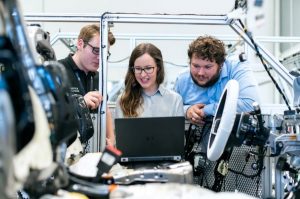
This Guide aims to assist ILO constituents and technical and vocational education and training (TVET) practitioners to strengthen the role of skills development policies and programmes in peacebuilding efforts through inclusive learning methodologies and the training of relevant core skills.

Based on the R205, the ILO is implementing the Jobs for Peace and Resilience (JPR) flagship programme which combines employment-intensive investments, technical, vocational and entrepreneurial skills training, and employment services to respond to the needs of the most vulnerable, including the unemployed, underemployed, and low-skilled, with a particular focus on youth and women. By simultaneously enhancing economic prospects, inter-group contact, and by addressing grievances of the most vulnerable communities, JPR projects aim to reinforce social cohesion and build resilience to future shocks.

However, too often in fragile and post-conflict situations, access to decent employment and vocational training are seen as secondary considerations to the policy discussions on social cohesion and peaceful coexistence. This is partly because training in fragile contexts is often short-term and narrowly focused on assisting vulnerable populations to acquire capacities for enhancing employability and accessing incomes. There is a growing evidence base of approaches that have the potential to contribute to peaceful coexistence in fragile settings. Technical Vocational Education and Training (TVET) can therefore act as a peace and resilience hub.

In this framework, the ILO’s Skills and Employability Branch together with the Coordination Unit for Peace and Resilience (CSPR) and under the Partnership for improving prospects for host communities and forcibly displaced persons (PROSPECTS), developed and piloted a new guide to foster the peace responsive role TVET plays in fragile settings.

The guide was piloted in Turkey, Kenya, Ethiopia, Jordan and Uganda and shall be systematically included in TVET curricula and delivery in fragile contexts and be a resource to support skills and employment interventions.

Subject Tags:

Inclusion

Slug
inclusion
Identifier
665

TVET systems

Slug
tvet-systems
Identifier
661
Regions:

Ghana, Nigéria et Togo: Vers une reconnaissance mutuelle des compétences dans les secteurs de l’agriculture et de la construction

Ghana, Nigéria et Togo: Vers une reconnaissance mutuelle des compétences dans les secteurs de l’agriculture et de la construction

Type:
Document
Content Type:
Project documentation
Language:

French

Slug
french
Identifier
skpFrn
Sources:

ILO

The International Labour Organization is the tripartite U.N. agency that promotes Decent Work through employment, social security, labour standards and social dialogue. Its work on skills development is guided by the conceptual framework on Skills to improve productivity, employment growth, and development agreed in 2008 by representatives of Governments, Employers’ Associations and Workers’ Associations. Research, policy advice, and pilot projects and technical cooperation programmes to apply good practices in different circumstances across its 185 member States aims to boost the employability of workers, the productivity and competitiveness of enterprises, and the inclusiveness of economic growth. The ILO Secretariat in offices in 40 countries works with Ministries of Labour, employers’ organizations, and trade unions to integrate skills development into national and sector development strategies in order to better meet current labour market needs and to prepare for the jobs of the future; to expand access to employment-related training so that youth, persons with disabilities and other vulnerable groups are better able to acquire skills and secure productive and decent work; and to improve the ability of public employment services to provide career guidance, maintain labour exchange services, and deliver active labour market programmes.For more information regarding the ILO’s work on skills and employability go to: http://www.ilo.org/skills/lang--en/index.htm; for ILO/Cinterfor's Knowledge Management Plarform, see: http://www.oitcinterfor.org

Thumbnail
Identifier
skpILO
Slug
ilo
Topics:

Rural employment

Thumbnail

Eight out of 10 of the world’s working poor who live on US $1.25 per day live in rural areas, where many are caught in vulnerable employment, especially in agriculture.Flourishing rural areas are vital to regional and national development. Yet, rural economies tend to face a wide range of challenges that urban areas are more likely to overcome. These include access to transportation, sanitation and health services, and a consumer base in close proximity to support small and medium enterprise development. Women and men working in rural areas also face difficulties associated with a paucity of economic opportunities, under investment, poor infrastructure and public services, including education, and, in many cases, weak governance and underdeveloped markets.

Education, entrepreneurship, and physical and social infrastructure all play an important role in developing rural regions. Skills are central to improving employability and livelihood opportunities, reducing poverty, enhancing productivity and promoting environmentally sustainable development.

Identifier
skpREmpl
Slug
rural-employment
Knowledge Products:

Research papers

Working papers, reports, and other publications from international organizations, academic institutions and bilateral agencies. Research findings to stimulate informed debate on skills, employment and productivity issues. 

Thumbnail
Identifier
skpRPS
Slug
research-papers
Publication Date:
09 Aug 2021

En Afrique de l'Ouest, le manque de passerelles entre les systèmes de compétences, la faiblesse des systèmes de validation des acquis de l'expérience et le manque d'opportunités de perfectionnement pertinentes restent un obstacle majeur à l'inclusion sociale et à l'accès à un travail décent pour les travailleurs migrants. C'est particulièrement le cas pour les travailleurs peu et moyennement qualifiés, qui constituent la majorité des travailleurs migrants dans la sous-région.

Ce rapport décrit le travail effectué par l'OIT pour répondre à la promotion de la reconnaissance mutuelle des compétences et renforcer les partenariats de compétences entre le Ghana, le Nigeria et le Togo. Il décrit les processus et les leçons apprises, et discute des défis et des opportunités dans la perspective de progresser vers la reconnaissance mutuelle des acquis, des compétences et des qualifications. Le processus présenté dans ce rapport est toujours en cours au moment de la publication. Les auteurs de ce rapport ont cherché à fournir un compte rendu précis des efforts et des activités menées, ce qui pourrait inspirer et innover le processus de partenariat de compétences.

Subject Tags:

Agriculture

Slug
agriculture
Identifier
225

Construction industry

Slug
construction-industry
Identifier
208
Regions:

Africa

Region Image
Countries and territories:

Ghana, Nigéria et Togo: Vers une reconnaissance mutuelle des compétences dans les secteurs de l’agriculture et de la construction

Ghana, Nigéria et Togo: Vers une reconnaissance mutuelle des compétences dans les secteurs de l’agriculture et de la construction

Type:
Document
Content Type:
Ghana, Nigéria et Togo: Vers une reconnaissance mutuelle des compétences dans les secteurs de l’agriculture et de la construction
Language:

French

Slug
french
Identifier
skpFrn
Sources:

ILO

The International Labour Organization is the tripartite U.N. agency that promotes Decent Work through employment, social security, labour standards and social dialogue. Its work on skills development is guided by the conceptual framework on Skills to improve productivity, employment growth, and development agreed in 2008 by representatives of Governments, Employers’ Associations and Workers’ Associations. Research, policy advice, and pilot projects and technical cooperation programmes to apply good practices in different circumstances across its 185 member States aims to boost the employability of workers, the productivity and competitiveness of enterprises, and the inclusiveness of economic growth. The ILO Secretariat in offices in 40 countries works with Ministries of Labour, employers’ organizations, and trade unions to integrate skills development into national and sector development strategies in order to better meet current labour market needs and to prepare for the jobs of the future; to expand access to employment-related training so that youth, persons with disabilities and other vulnerable groups are better able to acquire skills and secure productive and decent work; and to improve the ability of public employment services to provide career guidance, maintain labour exchange services, and deliver active labour market programmes.For more information regarding the ILO’s work on skills and employability go to: http://www.ilo.org/skills/lang--en/index.htm; for ILO/Cinterfor's Knowledge Management Plarform, see: http://www.oitcinterfor.org

Thumbnail
Identifier
skpILO
Slug
ilo
Topics:

Rural employment

Thumbnail

Eight out of 10 of the world’s working poor who live on US $1.25 per day live in rural areas, where many are caught in vulnerable employment, especially in agriculture.Flourishing rural areas are vital to regional and national development. Yet, rural economies tend to face a wide range of challenges that urban areas are more likely to overcome. These include access to transportation, sanitation and health services, and a consumer base in close proximity to support small and medium enterprise development. Women and men working in rural areas also face difficulties associated with a paucity of economic opportunities, under investment, poor infrastructure and public services, including education, and, in many cases, weak governance and underdeveloped markets.

Education, entrepreneurship, and physical and social infrastructure all play an important role in developing rural regions. Skills are central to improving employability and livelihood opportunities, reducing poverty, enhancing productivity and promoting environmentally sustainable development.

Identifier
skpREmpl
Slug
rural-employment
Knowledge Products:

Research papers

Working papers, reports, and other publications from international organizations, academic institutions and bilateral agencies. Research findings to stimulate informed debate on skills, employment and productivity issues. 

Thumbnail
Identifier
skpRPS
Slug
research-papers
Publication Date:
09 Aug 2021

En Afrique de l'Ouest, le manque de passerelles entre les systèmes de compétences, la faiblesse des systèmes de validation des acquis de l'expérience et le manque d'opportunités de perfectionnement pertinentes restent un obstacle majeur à l'inclusion sociale et à l'accès à un travail décent pour les travailleurs migrants. C'est particulièrement le cas pour les travailleurs peu et moyennement qualifiés, qui constituent la majorité des travailleurs migrants dans la sous-région.

Ce rapport décrit le travail effectué par l'OIT pour répondre à la promotion de la reconnaissance mutuelle des compétences et renforcer les partenariats de compétences entre le Ghana, le Nigeria et le Togo. Il décrit les processus et les leçons apprises, et discute des défis et des opportunités dans la perspective de progresser vers la reconnaissance mutuelle des acquis, des compétences et des qualifications. Le processus présenté dans ce rapport est toujours en cours au moment de la publication. Les auteurs de ce rapport ont cherché à fournir un compte rendu précis des efforts et des activités menées, ce qui pourrait inspirer et innover le processus de partenariat de compétences.

Subject Tags:

Agriculture

Slug
agriculture
Identifier
225

Construction industry

Slug
construction-industry
Identifier
208
Regions:

Africa

Region Image
Countries and territories: