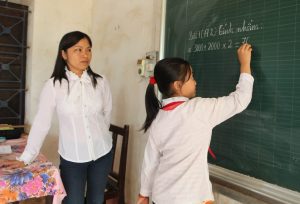
Lifelong learning

Thumbnail

There is a critical need for a greater overall investment in education and training, particularly in developing countries. Education and training investments should be closely linked to economic and employment growth strategies and programmes. Responsibility should be shared between the government (primary responsibility), enterprises, the social partners, and the individual. To make lifelong learning for all a reality, countries will need to make major reforms of their vocational and education and training systems. School-to-work schemes for young people should integrate education with workplace learning. Training systems need to become more flexible and responsive to rapidly changing skill requirements. Reforms should also focus on how learning can be facilitated, not just on training for specific occupational categories.

Identifier
skpPSLLL
Slug
lifelong-learning

Global Careers Month 2025 - Closing Ceremony

Global Careers Month 2025 - Closing Ceremony

Kind:
Event
Start Date:
26 Nov 2025
End Date:
04 Jun 2026
Event Location:
Online
EventType:
Language:

English

Slug
english
Identifier
skpEng
Language Version:
--
Sources:

ILO

The International Labour Organization is the tripartite U.N. agency that promotes Decent Work through employment, social security, labour standards and social dialogue. Its work on skills development is guided by the conceptual framework on Skills to improve productivity, employment growth, and development agreed in 2008 by representatives of Governments, Employers’ Associations and Workers’ Associations. Research, policy advice, and pilot projects and technical cooperation programmes to apply good practices in different circumstances across its 185 member States aims to boost the employability of workers, the productivity and competitiveness of enterprises, and the inclusiveness of economic growth. The ILO Secretariat in offices in 40 countries works with Ministries of Labour, employers’ organizations, and trade unions to integrate skills development into national and sector development strategies in order to better meet current labour market needs and to prepare for the jobs of the future; to expand access to employment-related training so that youth, persons with disabilities and other vulnerable groups are better able to acquire skills and secure productive and decent work; and to improve the ability of public employment services to provide career guidance, maintain labour exchange services, and deliver active labour market programmes.For more information regarding the ILO’s work on skills and employability go to: http://www.ilo.org/skills/lang--en/index.htm; for ILO/Cinterfor's Knowledge Management Plarform, see: http://www.oitcinterfor.org

Thumbnail
Identifier
skpILO
Slug
ilo

Information is gathered from other international organizations that promote skills development and the transition from education and training to work. The Interagency Group on Technical and Vocational Education and Training (IAG-TVET) was established in 2009 to share research findings, coordinate joint research endeavours, and improve collaboration among organizations working at the international and national levels.

Thumbnail
Identifier
skpIntOrg
Slug
international-organizations
Topics:

Career guidance and employment services

Thumbnail

Career guidance and counselling, career education and lifelong development of skills for employability are key for success in learning activities, effective career transitions, livelihood planning, entrepreneurship and in increasing labour market participation. They are instrumental in promoting skills utilization, recognition (RPL), as well as in improving enterprise human resource management.

Career development activities encompass a wide variety of support activities including career information and advice, counselling, work exposure (e.g. job shadowing, work experience periods), assessment, coaching, mentoring, professional networking, advocacy, basic and employability skills training (curricular and non-curricular) and entrepreneurship training. It is often an area which is fragmented across different ministries (e.g. education, TVET, employment, youth) requiring an effort to achieve the necessary coordination to provide adequate support to individuals during learning, employment and unemployment/inactivity periods.
 

Identifier
skpLMIES
Slug
career-guidance-and-employment-services

Lifelong learning

Thumbnail

There is a critical need for a greater overall investment in education and training, particularly in developing countries. Education and training investments should be closely linked to economic and employment growth strategies and programmes. Responsibility should be shared between the government (primary responsibility), enterprises, the social partners, and the individual. To make lifelong learning for all a reality, countries will need to make major reforms of their vocational and education and training systems. School-to-work schemes for young people should integrate education with workplace learning. Training systems need to become more flexible and responsive to rapidly changing skill requirements. Reforms should also focus on how learning can be facilitated, not just on training for specific occupational categories.

Identifier
skpPSLLL
Slug
lifelong-learning
Knowledge Products:

Closing Ceremony - Reflections on the Global Careers Month & Follow Up
Chair: Glenda Quentini, OECD

14.00-14.10 Back from the Regional Events
Jaana Kettunen, IAEVG President
Florian Kadletz, ETF
Pedro Moreno da Fonseca, ILO

14.10-14.50 Dialogue on Innovative Solutions For Career Guidance
Voices from the regions and speakers from North America, South America, Africa, Europe, Asia, Middle East and North Africa, Oceania/Australia
Moderators: Ramon Iriarte, UNESCO & Cynthia Harrison-Villalba, Cedefop

14.50-15.00 Goodbye to Global Careers Month 2025 & Follow Up


Time: 26 Nov 2025 at 14:00-15:00 (CET)

Place: Online (link to the registration below)

Registration link for the event: https://tree.zoom.us/meeting/register/NauxvDyHShuCddyBb99H-A

More information: https://www.skillsforemployment.org/iagevent



Subject Tags:
Regions:
Countries and territories:
Economic groups:
--

Career guidance for decent work: unlocking pathways to equity, inclusion, and sustainable development

Career guidance for decent work: unlocking pathways to equity, inclusion, and sustainable development

Kind:
Event
Start Date:
14 Nov 2025
End Date:
04 Jun 2026
Event Location:
Online
EventType:
Language:

English

Slug
english
Identifier
skpEng
Language Version:
--
Sources:

ILO

The International Labour Organization is the tripartite U.N. agency that promotes Decent Work through employment, social security, labour standards and social dialogue. Its work on skills development is guided by the conceptual framework on Skills to improve productivity, employment growth, and development agreed in 2008 by representatives of Governments, Employers’ Associations and Workers’ Associations. Research, policy advice, and pilot projects and technical cooperation programmes to apply good practices in different circumstances across its 185 member States aims to boost the employability of workers, the productivity and competitiveness of enterprises, and the inclusiveness of economic growth. The ILO Secretariat in offices in 40 countries works with Ministries of Labour, employers’ organizations, and trade unions to integrate skills development into national and sector development strategies in order to better meet current labour market needs and to prepare for the jobs of the future; to expand access to employment-related training so that youth, persons with disabilities and other vulnerable groups are better able to acquire skills and secure productive and decent work; and to improve the ability of public employment services to provide career guidance, maintain labour exchange services, and deliver active labour market programmes.For more information regarding the ILO’s work on skills and employability go to: http://www.ilo.org/skills/lang--en/index.htm; for ILO/Cinterfor's Knowledge Management Plarform, see: http://www.oitcinterfor.org

Thumbnail
Identifier
skpILO
Slug
ilo
Topics:

Access to training

Thumbnail

Access for all to good quality education, vocational training and workplace learning is a fundamental principle of social cohesion and economic growth. Some groups of people may require targeted attention if they are to benefit from education, training and employment opportunities.  

This is particularly the case for disadvantaged youth, lower skilled workers, people with disabilities, and people in rural communities. The attractiveness of vocational education and training is enhanced when combined with entrepreneurship training and when public policies encourage utilization of higher skills by business. 
 

Identifier
skpATSU
Slug
access-to-training

Career guidance and employment services

Thumbnail

Career guidance and counselling, career education and lifelong development of skills for employability are key for success in learning activities, effective career transitions, livelihood planning, entrepreneurship and in increasing labour market participation. They are instrumental in promoting skills utilization, recognition (RPL), as well as in improving enterprise human resource management.

Career development activities encompass a wide variety of support activities including career information and advice, counselling, work exposure (e.g. job shadowing, work experience periods), assessment, coaching, mentoring, professional networking, advocacy, basic and employability skills training (curricular and non-curricular) and entrepreneurship training. It is often an area which is fragmented across different ministries (e.g. education, TVET, employment, youth) requiring an effort to achieve the necessary coordination to provide adequate support to individuals during learning, employment and unemployment/inactivity periods.
 

Identifier
skpLMIES
Slug
career-guidance-and-employment-services

Lifelong learning

Thumbnail

There is a critical need for a greater overall investment in education and training, particularly in developing countries. Education and training investments should be closely linked to economic and employment growth strategies and programmes. Responsibility should be shared between the government (primary responsibility), enterprises, the social partners, and the individual. To make lifelong learning for all a reality, countries will need to make major reforms of their vocational and education and training systems. School-to-work schemes for young people should integrate education with workplace learning. Training systems need to become more flexible and responsive to rapidly changing skill requirements. Reforms should also focus on how learning can be facilitated, not just on training for specific occupational categories.

Identifier
skpPSLLL
Slug
lifelong-learning

Youth employability

Thumbnail

Globally, nearly 68 million young women and men are looking for and available for work,  and an estimated 123 million young people are working but living in poverty. The number who are not in employment, education or training (NEET) stands at 267 million, a majority of whom are young women. Significantly, young people are three times as likely as adults (25 years and older) to be unemployed.

Skills development is a primary means of enabling young people to make a smooth transition to work. A comprehensive approach is required to integrate young women and men in the labour market, including relevant and quality skills training, labour market information, career guidance and employment services, recognition of prior learning, incorporating entrepreneurship with training and effective skills forecasting. Improved basic education and core work skills are particularly important to enable youth to engage in lifelong learning as well as transition to the labour market. 

Identifier
skpYoEmp
Slug
youth-employability
Knowledge Products:

In this webinar, global experts explore the transformative impact of career guidance as a key instrument for fostering access to decent work, advancing socio-economic development and social justice.

Objectives 
- Highlight the value of career guidance in achieving decent work, particularly in low- and middle-income countries (LMICs) where informal economies dominate and access to services is limited.
- Examine innovative strategies and frameworks to embed career guidance into youth policies, sector skills strategies, and lifelong learning.
- Explore future directions for career guidance systems in addressing emerging challenges, such as green and digital transitions, mass migration and forced displacement, and economic resilience. 

The webinar generates insights on how to make career guidance a central pillar of decent work strategies and reflect on how to harness its transformative potential for individuals, communities, and societies.  

This one-hour panel discussion is structured around three key questions:

What is the relationship between career guidance and decent work?
What are the key challenges to make career guidance a centerpiece in policy-making for decent work?
What are the solutions, considering the diversity of contexts that need to be addressed?

Time: 14 November at 14:00 - 15:00 (CET)

Place: Online (please register here)

More information: https://www.ilo.org/meetings-and-events/career-guidance-decent-work-unlocking-pathways-equity-inclusion-and

Event recording: https://www.youtube.com/watch?v=tCaXEAcWff0&t=2s


Subject Tags:
Regions:
Countries and territories:
Economic groups:
--

Revealing Potential: Career Guidance Boosting Albanian Youth Employability

Revealing Potential: Career Guidance Boosting Albanian Youth Employability

Kind:
Event
Start Date:
25 Nov 2025
End Date:
04 Jun 2026
Event Location:
Online
EventType:
Language:

English

Slug
english
Identifier
skpEng
Language Version:
--
Sources:

Think tanks, foundations and consultancy services

The platform also contains information and resources developed by Think tanks, foundations and consultancy services.

Thumbnail
Identifier
skpttfcs
Slug
think-tanks-foundations-and-consultancy-services
Topics:

Career guidance and employment services

Thumbnail

Career guidance and counselling, career education and lifelong development of skills for employability are key for success in learning activities, effective career transitions, livelihood planning, entrepreneurship and in increasing labour market participation. They are instrumental in promoting skills utilization, recognition (RPL), as well as in improving enterprise human resource management.

Career development activities encompass a wide variety of support activities including career information and advice, counselling, work exposure (e.g. job shadowing, work experience periods), assessment, coaching, mentoring, professional networking, advocacy, basic and employability skills training (curricular and non-curricular) and entrepreneurship training. It is often an area which is fragmented across different ministries (e.g. education, TVET, employment, youth) requiring an effort to achieve the necessary coordination to provide adequate support to individuals during learning, employment and unemployment/inactivity periods.
 

Identifier
skpLMIES
Slug
career-guidance-and-employment-services

Gender equality

Thumbnail

Women represent both half of the world's population – and half the world's economic potential. Their participation in the labour market reduces poverty because they often invest 90 per cent of their income in the well-being, education and nutrition of their families. Yet labour force participation by women has stagnated at about 55 per cent globally since 2010. Moreover, women are disproportionately represented in precarious work – low-paid, low-skilled and insecure jobs.

Training plays an important role in the pursuit of equality of opportunity and treatment for women and men in the world of work. Yet women often lack access to technical and vocational education and training. Many also lack the basic functional skills, such as literacy and numeracy, to participate meaningfully in the work force. Overcoming this challenge requires the adoption of a life-cycle approach. This includes improving girls’ access to basic education; overcoming logistic, economic and cultural barriers to apprenticeships and to secondary and vocational training for young women; and meeting the training needs of women re-entering the labour market and of older women who have not had equal access to opportunities for lifelong learning.

Identifier
skpGenEqul
Slug
gender-equality

Lifelong learning

Thumbnail

There is a critical need for a greater overall investment in education and training, particularly in developing countries. Education and training investments should be closely linked to economic and employment growth strategies and programmes. Responsibility should be shared between the government (primary responsibility), enterprises, the social partners, and the individual. To make lifelong learning for all a reality, countries will need to make major reforms of their vocational and education and training systems. School-to-work schemes for young people should integrate education with workplace learning. Training systems need to become more flexible and responsive to rapidly changing skill requirements. Reforms should also focus on how learning can be facilitated, not just on training for specific occupational categories.

Identifier
skpPSLLL
Slug
lifelong-learning

Youth employability

Thumbnail

Globally, nearly 68 million young women and men are looking for and available for work,  and an estimated 123 million young people are working but living in poverty. The number who are not in employment, education or training (NEET) stands at 267 million, a majority of whom are young women. Significantly, young people are three times as likely as adults (25 years and older) to be unemployed.

Skills development is a primary means of enabling young people to make a smooth transition to work. A comprehensive approach is required to integrate young women and men in the labour market, including relevant and quality skills training, labour market information, career guidance and employment services, recognition of prior learning, incorporating entrepreneurship with training and effective skills forecasting. Improved basic education and core work skills are particularly important to enable youth to engage in lifelong learning as well as transition to the labour market. 

Identifier
skpYoEmp
Slug
youth-employability
Knowledge Products:

Career Guidance has been one of the core areas of intervention under the RisiAlbania project, funded by SDC and implemented by Helvetas. RisiAlbania designed and adopted a holistic approach to activate and support all the necessary market system pillars in career guidance: institutional and organizational capacities of providers, development of content, and development of career counsellors.
In this dedicated session,  Edlira Muedini and Ermira Shyti from Helvetas Albania will present key insights, approaches, and lessons learned.

Time: 25 November 2025 at 13.30 - 14.45

Place: Online in Teams

More information: https://www.risialbania.al/media/6847da2b1d646.pdf


Subject Tags:
Regions:
Countries and territories:
Economic groups:
--

Community of Practice Meeting for Career Development Professionals in Ontario

Community of Practice Meeting for Career Development Professionals in Ontario

Kind:
Event
Start Date:
27 Nov 2025
End Date:
04 Jun 2026
Event Location:
Online
EventType:
Language:

English

Slug
english
Identifier
skpEng
Language Version:
--
Sources:

Other sources

Experts from many international, regional and national agencies generously share their views, experiences and findings on skills, helping policy-makers among other stakeholders to understand the linkages between education, training and the world of work, and how to integrate skills into national development planning to promote employment and economic growth.

Thumbnail
Identifier
skpOSource
Slug
other-sources
Topics:

Career guidance and employment services

Thumbnail

Career guidance and counselling, career education and lifelong development of skills for employability are key for success in learning activities, effective career transitions, livelihood planning, entrepreneurship and in increasing labour market participation. They are instrumental in promoting skills utilization, recognition (RPL), as well as in improving enterprise human resource management.

Career development activities encompass a wide variety of support activities including career information and advice, counselling, work exposure (e.g. job shadowing, work experience periods), assessment, coaching, mentoring, professional networking, advocacy, basic and employability skills training (curricular and non-curricular) and entrepreneurship training. It is often an area which is fragmented across different ministries (e.g. education, TVET, employment, youth) requiring an effort to achieve the necessary coordination to provide adequate support to individuals during learning, employment and unemployment/inactivity periods.
 

Identifier
skpLMIES
Slug
career-guidance-and-employment-services

Digital skills

Thumbnail

The world of work is undergoing a substantial transformation due to new forces. In particular, technological advances, such as AI, automation and robotics, have produced numerous new opportunities, but also given rise to urgent challenges. While new jobs are constantly being created with the emergence of the digital economy, many jobs are at risk of becoming obsolete. Digital innovations will rapidly change the demand for skills, thereby creating a wider skills gap that has the potential to hold back economic growth. Equipping people with basic or advanced digital skills promises to prepare them for unprecedented job opportunities in the digital economy. This will lead to innovation, higher productivity and competitiveness, as well as expanding markets, access to work and entrepreneurship opportunities. 

Identifier
skpdigskills
Slug
digital-skills

Lifelong learning

Thumbnail

There is a critical need for a greater overall investment in education and training, particularly in developing countries. Education and training investments should be closely linked to economic and employment growth strategies and programmes. Responsibility should be shared between the government (primary responsibility), enterprises, the social partners, and the individual. To make lifelong learning for all a reality, countries will need to make major reforms of their vocational and education and training systems. School-to-work schemes for young people should integrate education with workplace learning. Training systems need to become more flexible and responsive to rapidly changing skill requirements. Reforms should also focus on how learning can be facilitated, not just on training for specific occupational categories.

Identifier
skpPSLLL
Slug
lifelong-learning
Knowledge Products:

Topic: Empower Your Practice: AI Labour Market Information Essentials for Career Development Professionals - Practical Strategies
Leading the conversation, Rob Straby 

Time: 27 November 2025 at 12:00-13:00 ET

Place: Online, Zoom (https://us02web.zoom.us/j/87476729234?pwd=pcngaUMjatgwo0wvPejcYQqwXWUlZl.1, Meeting ID: 874 7672 9234, passcode: 375876)

More information: https://www.linkedin.com/posts/cdpontario_somuchmorethantalkingaboutjobs-cdpontario-activity-7391928050113736704-cl3t?utm_source=share&utm_medium=member_desktop&rcm=ACoAAANtZ_QBeGApOjYVy4-GVLsCekWRY0gmMIw


Subject Tags:
Regions:

Americas

Region Image
Countries and territories:
Economic groups:
--

Introducing the Revised IAEVG Ethical Guidelines

Introducing the Revised IAEVG Ethical Guidelines

Kind:
Event
Start Date:
11 Nov 2025
End Date:
04 Jun 2026
Event Location:
Online
EventType:
Language:

English

Slug
english
Identifier
skpEng
Language Version:
--
Sources:

Other sources

Experts from many international, regional and national agencies generously share their views, experiences and findings on skills, helping policy-makers among other stakeholders to understand the linkages between education, training and the world of work, and how to integrate skills into national development planning to promote employment and economic growth.

Thumbnail
Identifier
skpOSource
Slug
other-sources
Topics:

Access to training

Thumbnail

Access for all to good quality education, vocational training and workplace learning is a fundamental principle of social cohesion and economic growth. Some groups of people may require targeted attention if they are to benefit from education, training and employment opportunities.  

This is particularly the case for disadvantaged youth, lower skilled workers, people with disabilities, and people in rural communities. The attractiveness of vocational education and training is enhanced when combined with entrepreneurship training and when public policies encourage utilization of higher skills by business. 
 

Identifier
skpATSU
Slug
access-to-training

Career guidance and employment services

Thumbnail

Career guidance and counselling, career education and lifelong development of skills for employability are key for success in learning activities, effective career transitions, livelihood planning, entrepreneurship and in increasing labour market participation. They are instrumental in promoting skills utilization, recognition (RPL), as well as in improving enterprise human resource management.

Career development activities encompass a wide variety of support activities including career information and advice, counselling, work exposure (e.g. job shadowing, work experience periods), assessment, coaching, mentoring, professional networking, advocacy, basic and employability skills training (curricular and non-curricular) and entrepreneurship training. It is often an area which is fragmented across different ministries (e.g. education, TVET, employment, youth) requiring an effort to achieve the necessary coordination to provide adequate support to individuals during learning, employment and unemployment/inactivity periods.
 

Identifier
skpLMIES
Slug
career-guidance-and-employment-services

Gender equality

Thumbnail

Women represent both half of the world's population – and half the world's economic potential. Their participation in the labour market reduces poverty because they often invest 90 per cent of their income in the well-being, education and nutrition of their families. Yet labour force participation by women has stagnated at about 55 per cent globally since 2010. Moreover, women are disproportionately represented in precarious work – low-paid, low-skilled and insecure jobs.

Training plays an important role in the pursuit of equality of opportunity and treatment for women and men in the world of work. Yet women often lack access to technical and vocational education and training. Many also lack the basic functional skills, such as literacy and numeracy, to participate meaningfully in the work force. Overcoming this challenge requires the adoption of a life-cycle approach. This includes improving girls’ access to basic education; overcoming logistic, economic and cultural barriers to apprenticeships and to secondary and vocational training for young women; and meeting the training needs of women re-entering the labour market and of older women who have not had equal access to opportunities for lifelong learning.

Identifier
skpGenEqul
Slug
gender-equality

Lifelong learning

Thumbnail

There is a critical need for a greater overall investment in education and training, particularly in developing countries. Education and training investments should be closely linked to economic and employment growth strategies and programmes. Responsibility should be shared between the government (primary responsibility), enterprises, the social partners, and the individual. To make lifelong learning for all a reality, countries will need to make major reforms of their vocational and education and training systems. School-to-work schemes for young people should integrate education with workplace learning. Training systems need to become more flexible and responsive to rapidly changing skill requirements. Reforms should also focus on how learning can be facilitated, not just on training for specific occupational categories.

Identifier
skpPSLLL
Slug
lifelong-learning

Migrant workers

Thumbnail

According to the ILO global estimates on migrant workers, there were around 164 million migrant workers in 2017. 

Migrant workers contribute to growth and development in their countries of destination, while countries of origin greatly benefit from their remittances and the skills acquired during their migration experience. Yet, many migrant workers face challenges in accessing quality training and decent jobs including under-utilization of skills, a lack of employment or training opportunities, lack of information, and exploitation of low-skilled workers.

To address these challenges, countries need to strengthen skills anticipation systems to inform migration policies, increase access to education and training, and establish bilateral or multilateral recognition of qualifications and skills.

Identifier
skpMigWor
Slug
migrant-workers

Older workers

Thumbnail

Access for all to good quality education, vocational training and workplace learning is a fundamental principle of social cohesion and economic growth. Some groups of people may require targeted attention if they are to benefit from education, training and employment opportunities.

This is particularly the case for disadvantaged youth, lower skilled workers, people with disabilities, and people in rural communities. The attractiveness of vocational education and training is enhanced when combined with entrepreneurship training and when public policies encourage utilization of higher skills by business.

Identifier
skpOldwor
Slug
older-workers

People with disabilities

Thumbnail

Of an estimated 1 billion people with disabilities in the world today, some 785 million are of working age. While many are successfully employed and fully integrated into society, most face a disproportionate level of poverty and unemployment. This is a massive loss both to them and their countries. A strategy of including people with disabilities in training and employment promotion policies, combined with targeted supports to ensure their participation, can help disabled persons obtain productive mainstream employment.

Identifier
skpPeoDis
Slug
people-with-disabilities

Teachers, trainers and training organizations

Thumbnail

At the heart of any skills system are the managers and staff of training institutions who face considerable challenges to deliver quality programmes at a time of fiscal constraint. As the expectations placed on institutions continue to grow, managers and trainers are increasingly expected to deliver flexible, responsive and current programmes based on strong partnerships with local employers that provide good employment outcomes. Because of this, there is a need for constituents to build the capacity of their institutional workforce to meet the expectations placed upon them by demand driven systems.

Identifier
skpTeach
Slug
teachers-trainers-and-training-organizations

Training quality and relevance

Thumbnail
Identifier
skpTrainQR
Slug
training-quality-and-relevance
Knowledge Products:

Ethics lie at the core of quality practice in educational, vocational and career guidance. The International Association for Educational and Vocational Guidance (IAEVG) invites you to this Global Careers Month webinar, introducing the revised IAEVG Ethical Guidelines.

This session will explore:
*The importance of ethics in educational, vocational and career guidance
*The key revisions to the IAEVG Ethical Guidelines and the rationale behind them;
*Ways the Guidelines can be applied across varied cultural and professional settings

Speakers include:
*Jaana Kettunen, IAEVG President 
*Mary McMahon, University of Queensland, IAEVG Board member
*Nancy Arthur, University of South Australia
*Maximus Sefotho, University of Johannesburg, South Africa
*Jennifer McKenzie, McKenzie Guidance Solutions, Ireland

Time: 11 November 2025 at 12:00-13:00 (CET)

Place: Online (please register at https://tinyurl.com/IAEVGEthics)

More information: https://tinyurl.com/IAEVGEthics

Subject Tags:
Regions:
Countries and territories:
Economic groups:
--

Кар’єрні розмови з Europass & Euroguidance: «Global Careers Month в Україні» / Career conversations with Europass & Euroguidance: Global Careers Month in Ukraine

Кар’єрні розмови з Europass & Euroguidance: «Global Careers Month в Україні» / Career conversations with Europass & Euroguidance: Global Careers Month in Ukraine

Kind:
Event
Start Date:
11 Nov 2025
End Date:
04 Jun 2026
Event Location:
Online
EventType:
Language:

Ukrainian

Slug
ukrainian
Identifier
skpuk
Language Version:
--
Sources:

Other sources

Experts from many international, regional and national agencies generously share their views, experiences and findings on skills, helping policy-makers among other stakeholders to understand the linkages between education, training and the world of work, and how to integrate skills into national development planning to promote employment and economic growth.

Thumbnail
Identifier
skpOSource
Slug
other-sources
Topics:

Career guidance and employment services

Thumbnail

Career guidance and counselling, career education and lifelong development of skills for employability are key for success in learning activities, effective career transitions, livelihood planning, entrepreneurship and in increasing labour market participation. They are instrumental in promoting skills utilization, recognition (RPL), as well as in improving enterprise human resource management.

Career development activities encompass a wide variety of support activities including career information and advice, counselling, work exposure (e.g. job shadowing, work experience periods), assessment, coaching, mentoring, professional networking, advocacy, basic and employability skills training (curricular and non-curricular) and entrepreneurship training. It is often an area which is fragmented across different ministries (e.g. education, TVET, employment, youth) requiring an effort to achieve the necessary coordination to provide adequate support to individuals during learning, employment and unemployment/inactivity periods.
 

Identifier
skpLMIES
Slug
career-guidance-and-employment-services

Lifelong learning

Thumbnail

There is a critical need for a greater overall investment in education and training, particularly in developing countries. Education and training investments should be closely linked to economic and employment growth strategies and programmes. Responsibility should be shared between the government (primary responsibility), enterprises, the social partners, and the individual. To make lifelong learning for all a reality, countries will need to make major reforms of their vocational and education and training systems. School-to-work schemes for young people should integrate education with workplace learning. Training systems need to become more flexible and responsive to rapidly changing skill requirements. Reforms should also focus on how learning can be facilitated, not just on training for specific occupational categories.

Identifier
skpPSLLL
Slug
lifelong-learning
Knowledge Products:

🎯 Кар’єрні розмови з Europass & Euroguidance: «Global Careers Month в Україні»

📅 Дата: 11 листопада 2025

🕘 Час: 10:00–14:00

📍 Формат: офлайн (кількість місць обмежена) + пряма трансляція

Захід організовано центрами Europass та Euroguidance, що функціонують на базі Національне агентство кваліфікацій, з нагоди «Global Careers Month 2025» — всесвітньої ініціативи, яка об’єднує освітні та кар’єрні спільноти з різних країн для обговорення тенденцій, інструментів і можливостей професійного розвитку.

💡 Подію ми проводимо разом із Zlata Tiahunova — кар’єрною та HR-консультанткою, сертифікованою профорієнтаторкою, бізнес-тренеркою, PhD з менеджменту, авторкою навчальних курсів з менеджменту та маркетингу для магістрів.

Її експертність, щирість і неймовірна енергія завжди надихають розвиватися, шукати нові можливості та впевнено будувати власний кар’єрний шлях.

💬 На вас чекають:

зустрічі з експертами Europass та Euroguidance;

натхненні історії професійного зростання;

практичні поради для побудови кар’єри в сучасному світі.

📍 Учасники офлайн-формату отримають локацію після підтвердження реєстрації.

🔗 Реєстрація обов'язкова: https://forms.gle/ae8T2BCPT5N7FyEq5

🎥 Деталі події та посилання на онлайн-трансляцію повідомимо згодом — слідкуйте за оновленнями!

 

🎯 Career conversations with Europass & Euroguidance: «Global Careers Month in Ukraine»

📅 Date: November 11, 2025

🕘 Time: 10:00am - 2:00pm

📍 Format: offline (number of seats is limited) + live broadcast

The event is organized by the Europass and Euroguide centers, which operate on the Національне агентство кваліфікацій basis, on the occasion of Global Careers Month 2025, a global initiative that unites education and career communities from across countries to discuss professional development trends, tools and opportunities.

💡 We are hosting the event with Zlata Tiahunova - a career and HR consultant, certified mentor, business coach, PhD in management, author of the management and marketing master courses.

Her expertise, sincerity and incredible energy are always inspiring to grow, seek new opportunities and confidently build your own career path.

💬 Waiting for you:

meetings with experts from Europass and Euroguide;

inspirational stories of professional growth;

practical tips for building a career in today's world.

📍 Participants of offline format will receive a location after confirmation of registration.

🔗 Registration is required: https://forms.gle/ae8T2BCPT5N7FyEq5

🎥 Event details and links to the online broadcast will be announced later - stay tuned for updates!

Subject Tags:
Regions:
Countries and territories:
Economic groups:
--

Shaping What's Next: Building Bold Careers in a Changing World

Shaping What's Next: Building Bold Careers in a Changing World

Kind:
Event
Start Date:
20 Nov 2025
End Date:
04 Jun 2026
Event Location:
Kuala Lumpur/Putrajaya/Selangor, Malaysia
Language:

English

Slug
english
Identifier
skpEng
Language Version:
--
Sources:

Academic institutions

Research papers, synthesis reports, country and programme studies are collected from many academic institutions and national, regional and international professional associations.

Thumbnail
Identifier
skpAcaInst
Slug
academic-institutions
Topics:

Career guidance and employment services

Thumbnail

Career guidance and counselling, career education and lifelong development of skills for employability are key for success in learning activities, effective career transitions, livelihood planning, entrepreneurship and in increasing labour market participation. They are instrumental in promoting skills utilization, recognition (RPL), as well as in improving enterprise human resource management.

Career development activities encompass a wide variety of support activities including career information and advice, counselling, work exposure (e.g. job shadowing, work experience periods), assessment, coaching, mentoring, professional networking, advocacy, basic and employability skills training (curricular and non-curricular) and entrepreneurship training. It is often an area which is fragmented across different ministries (e.g. education, TVET, employment, youth) requiring an effort to achieve the necessary coordination to provide adequate support to individuals during learning, employment and unemployment/inactivity periods.
 

Identifier
skpLMIES
Slug
career-guidance-and-employment-services

Lifelong learning

Thumbnail

There is a critical need for a greater overall investment in education and training, particularly in developing countries. Education and training investments should be closely linked to economic and employment growth strategies and programmes. Responsibility should be shared between the government (primary responsibility), enterprises, the social partners, and the individual. To make lifelong learning for all a reality, countries will need to make major reforms of their vocational and education and training systems. School-to-work schemes for young people should integrate education with workplace learning. Training systems need to become more flexible and responsive to rapidly changing skill requirements. Reforms should also focus on how learning can be facilitated, not just on training for specific occupational categories.

Identifier
skpPSLLL
Slug
lifelong-learning

Other topic

Thumbnail
Identifier
skpOIssue
Slug
other-topic
Knowledge Products:

Join us at Heriot-Watt University in Putrajaya, for “Shaping What’s Next: Building Bold Careers in a Changing World” - a high-impact programme focused on career growth and personal development. Open to students, staff, industry partners and alumni, this event offers engaging sessions and meaningful conversations designed to help you navigate today’s evolving career landscape with purpose, resilience, and curiosity.

Time: 20 November 2025 at 17:00-21:30 MYT

Place: Heriot-Watt University Malaysia, No 1, Jalan Venna P5/2 Precinct 5, 62200 Putrajaya, Malaysia

More information: https://www.hw.ac.uk/news/events/2025/shaping-whats-next-building-bold-careers-in-a-changing-world


Subject Tags:
Regions:
Countries and territories:
Economic groups:
--

Research in Guidance - Responding to Student Grief: Bounderies and Best Practices

Research in Guidance - Responding to Student Grief: Bounderies and Best Practices

Kind:
Event
Start Date:
25 Nov 2025
End Date:
04 Jun 2026
Event Location:
Online
Language:

English

Slug
english
Identifier
skpEng
Language Version:
--
Sources:

Other sources

Experts from many international, regional and national agencies generously share their views, experiences and findings on skills, helping policy-makers among other stakeholders to understand the linkages between education, training and the world of work, and how to integrate skills into national development planning to promote employment and economic growth.

Thumbnail
Identifier
skpOSource
Slug
other-sources
Topics:

Career guidance and employment services

Thumbnail

Career guidance and counselling, career education and lifelong development of skills for employability are key for success in learning activities, effective career transitions, livelihood planning, entrepreneurship and in increasing labour market participation. They are instrumental in promoting skills utilization, recognition (RPL), as well as in improving enterprise human resource management.

Career development activities encompass a wide variety of support activities including career information and advice, counselling, work exposure (e.g. job shadowing, work experience periods), assessment, coaching, mentoring, professional networking, advocacy, basic and employability skills training (curricular and non-curricular) and entrepreneurship training. It is often an area which is fragmented across different ministries (e.g. education, TVET, employment, youth) requiring an effort to achieve the necessary coordination to provide adequate support to individuals during learning, employment and unemployment/inactivity periods.
 

Identifier
skpLMIES
Slug
career-guidance-and-employment-services

Lifelong learning

Thumbnail

There is a critical need for a greater overall investment in education and training, particularly in developing countries. Education and training investments should be closely linked to economic and employment growth strategies and programmes. Responsibility should be shared between the government (primary responsibility), enterprises, the social partners, and the individual. To make lifelong learning for all a reality, countries will need to make major reforms of their vocational and education and training systems. School-to-work schemes for young people should integrate education with workplace learning. Training systems need to become more flexible and responsive to rapidly changing skill requirements. Reforms should also focus on how learning can be facilitated, not just on training for specific occupational categories.

Identifier
skpPSLLL
Slug
lifelong-learning

Teachers, trainers and training organizations

Thumbnail

At the heart of any skills system are the managers and staff of training institutions who face considerable challenges to deliver quality programmes at a time of fiscal constraint. As the expectations placed on institutions continue to grow, managers and trainers are increasingly expected to deliver flexible, responsive and current programmes based on strong partnerships with local employers that provide good employment outcomes. Because of this, there is a need for constituents to build the capacity of their institutional workforce to meet the expectations placed upon them by demand driven systems.

Identifier
skpTeach
Slug
teachers-trainers-and-training-organizations
Knowledge Products:

When students experience a bereavement, guidance counsellors often play a crucial role in providing support. “Responding to Student Grief: Guidance Counsellor's Role, Boundaries, and Best Practices” will explore practical strategies to navigate these sensitive situations and explore theory underpinning our responses. This session will explore how to offer compassionate, appropriate support, collaborate with families and staff, and understand the limits of the guidance counsellor’s role in the grieving process

Time: 25 November 2025 at 12.00-13.00 CET

Place: Online at https://events.teams.microsoft.com/event/df14523f-1020-4a22-b661-7502e9bf151d@f5366bb4-0485-4544-8baa-c80ddc368234 

More information: https://lnkd.in/gD66D_4P

Subject Tags:
Regions:
Countries and territories:
Economic groups:
--

Careers 4.0: Navigate the Future of Work Empowering people to turn uncertainty into opportunity through intelligent career counselling

Careers 4.0: Navigate the Future of Work Empowering people to turn uncertainty into opportunity through intelligent career counselling

Kind:
Event
Start Date:
19 Nov 2025
End Date:
04 Jun 2026
Event Location:
Online
Language:

English

Slug
english
Identifier
skpEng
Language Version:
--
Sources:

Other sources

Experts from many international, regional and national agencies generously share their views, experiences and findings on skills, helping policy-makers among other stakeholders to understand the linkages between education, training and the world of work, and how to integrate skills into national development planning to promote employment and economic growth.

Thumbnail
Identifier
skpOSource
Slug
other-sources
Topics:

Career guidance and employment services

Thumbnail

Career guidance and counselling, career education and lifelong development of skills for employability are key for success in learning activities, effective career transitions, livelihood planning, entrepreneurship and in increasing labour market participation. They are instrumental in promoting skills utilization, recognition (RPL), as well as in improving enterprise human resource management.

Career development activities encompass a wide variety of support activities including career information and advice, counselling, work exposure (e.g. job shadowing, work experience periods), assessment, coaching, mentoring, professional networking, advocacy, basic and employability skills training (curricular and non-curricular) and entrepreneurship training. It is often an area which is fragmented across different ministries (e.g. education, TVET, employment, youth) requiring an effort to achieve the necessary coordination to provide adequate support to individuals during learning, employment and unemployment/inactivity periods.
 

Identifier
skpLMIES
Slug
career-guidance-and-employment-services

Lifelong learning

Thumbnail

There is a critical need for a greater overall investment in education and training, particularly in developing countries. Education and training investments should be closely linked to economic and employment growth strategies and programmes. Responsibility should be shared between the government (primary responsibility), enterprises, the social partners, and the individual. To make lifelong learning for all a reality, countries will need to make major reforms of their vocational and education and training systems. School-to-work schemes for young people should integrate education with workplace learning. Training systems need to become more flexible and responsive to rapidly changing skill requirements. Reforms should also focus on how learning can be facilitated, not just on training for specific occupational categories.

Identifier
skpPSLLL
Slug
lifelong-learning

Training quality and relevance

Thumbnail
Identifier
skpTrainQR
Slug
training-quality-and-relevance

Youth employability

Thumbnail

Globally, nearly 68 million young women and men are looking for and available for work,  and an estimated 123 million young people are working but living in poverty. The number who are not in employment, education or training (NEET) stands at 267 million, a majority of whom are young women. Significantly, young people are three times as likely as adults (25 years and older) to be unemployed.

Skills development is a primary means of enabling young people to make a smooth transition to work. A comprehensive approach is required to integrate young women and men in the labour market, including relevant and quality skills training, labour market information, career guidance and employment services, recognition of prior learning, incorporating entrepreneurship with training and effective skills forecasting. Improved basic education and core work skills are particularly important to enable youth to engage in lifelong learning as well as transition to the labour market. 

Identifier
skpYoEmp
Slug
youth-employability
Knowledge Products:

Career Counselling 4.0 represents the new generation of professional guidance in the digital era. It combines education guidance, psychology, technology, and data analysis to help individuals navigate rapid changes in the labour market. Unlike traditional counselling, it focuses on adaptability, lifelong learning, and digital identity. The Careers 4.0 Erasmus plus project led by CMBRAE develops a digital learning platform with gamified scenarios and a chatbot to help young people map their skills and career options in the era of Industry 4.0. The initiative fosters collaboration across five European countries (CMBRAE- Romania, iInformatica srl and studio risorse srl- Italy, Progressus Research and Counselling- Greece, Qualificalia Analytics SL- Spain, European University- Cyprus) to build tools and frameworks that connect aspirations, competences and future employment pathways in a smart, interactive way.

Time: 19 November 2025 at 12:00-13:00 CET

Place: Online at https://meet.google.com/tfm-yybj-nee

Subject Tags:
Regions:
Countries and territories:
Economic groups:
--

Career guidance for decent work: unlocking pathways to equity, inclusion, and sustainable development

Career guidance for decent work: unlocking pathways to equity, inclusion, and sustainable development

Kind:
Event
Start Date:
14 Nov 2025
End Date:
04 Jun 2026
Event Location:
Online
EventType:
Language:

English

Slug
english
Identifier
skpEng
Language Version:
--
Sources:

ILO

The International Labour Organization is the tripartite U.N. agency that promotes Decent Work through employment, social security, labour standards and social dialogue. Its work on skills development is guided by the conceptual framework on Skills to improve productivity, employment growth, and development agreed in 2008 by representatives of Governments, Employers’ Associations and Workers’ Associations. Research, policy advice, and pilot projects and technical cooperation programmes to apply good practices in different circumstances across its 185 member States aims to boost the employability of workers, the productivity and competitiveness of enterprises, and the inclusiveness of economic growth. The ILO Secretariat in offices in 40 countries works with Ministries of Labour, employers’ organizations, and trade unions to integrate skills development into national and sector development strategies in order to better meet current labour market needs and to prepare for the jobs of the future; to expand access to employment-related training so that youth, persons with disabilities and other vulnerable groups are better able to acquire skills and secure productive and decent work; and to improve the ability of public employment services to provide career guidance, maintain labour exchange services, and deliver active labour market programmes.For more information regarding the ILO’s work on skills and employability go to: http://www.ilo.org/skills/lang--en/index.htm; for ILO/Cinterfor's Knowledge Management Plarform, see: http://www.oitcinterfor.org

Thumbnail
Identifier
skpILO
Slug
ilo
Topics:

Career guidance and employment services

Thumbnail

Career guidance and counselling, career education and lifelong development of skills for employability are key for success in learning activities, effective career transitions, livelihood planning, entrepreneurship and in increasing labour market participation. They are instrumental in promoting skills utilization, recognition (RPL), as well as in improving enterprise human resource management.

Career development activities encompass a wide variety of support activities including career information and advice, counselling, work exposure (e.g. job shadowing, work experience periods), assessment, coaching, mentoring, professional networking, advocacy, basic and employability skills training (curricular and non-curricular) and entrepreneurship training. It is often an area which is fragmented across different ministries (e.g. education, TVET, employment, youth) requiring an effort to achieve the necessary coordination to provide adequate support to individuals during learning, employment and unemployment/inactivity periods.
 

Identifier
skpLMIES
Slug
career-guidance-and-employment-services

Lifelong learning

Thumbnail

There is a critical need for a greater overall investment in education and training, particularly in developing countries. Education and training investments should be closely linked to economic and employment growth strategies and programmes. Responsibility should be shared between the government (primary responsibility), enterprises, the social partners, and the individual. To make lifelong learning for all a reality, countries will need to make major reforms of their vocational and education and training systems. School-to-work schemes for young people should integrate education with workplace learning. Training systems need to become more flexible and responsive to rapidly changing skill requirements. Reforms should also focus on how learning can be facilitated, not just on training for specific occupational categories.

Identifier
skpPSLLL
Slug
lifelong-learning

Other topic

Thumbnail
Identifier
skpOIssue
Slug
other-topic
Knowledge Products:

Join David Blustein, Jaana Kettunen, Marcelo Afonso Ribeiro, Tristram Hooley and your host, Pedro Moreno da Fonseca, in a critical appraisal of the potential and challenges of the role of career guidance in the promotion of decent work, advancing socio-economic development and social justice.
The objectives of this webinar are to:

  • Highlight the value of career guidance in achieving decent work, particularly in low- and middle-income countries (LMICs) where informal economies dominate and access to services is limited.
  • Examine innovative strategies and frameworks to embed career guidance into youth policies, sector skills strategies, and lifelong learning.
  • Explore future directions for career guidance systems in addressing emerging challenges, such as green and digital transitions, mass migration and forced displacement, and economic resilience. 

The webinar will generate insights on how to make career guidance a central pillar of decent work strategies and reflect on how to harness its transformative potential for individuals, communities, and societies.  

This one-hour panel discussion will be structured around three key questions:

What is the relationship between career guidance and decent work?
What are the key challenges to make career guidance a centre piece in policy making for decent work?
What are the solutions, considering the diversity of contexts that need to be addressed?
 

Date

14 November 2025 14:00 - 15:00 (Europe/Zurich (UTC+01:00))

Register on Zoom : Webinar Registration - Zoom

Subject Tags:

Career guidance

Slug
career-guidance
Identifier
640
Regions:
Countries and territories:
Economic groups:
--