Participation of employers' and workers' organizations

Thumbnail

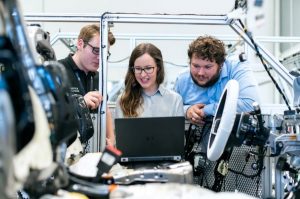
The world of learning and the world of work are separate but linked. While one involves learning, the other produces goods and services. Neither can thrive without the other. Strong partnerships between government, employers and workers help ensure the relevance of training to the changing needs of enterprises and labour markets. 

Identifier
skpPSP
Slug
participation-of-employers-and-workers-organizations

Preguntas y respuestas sobre: La estrategia de formación del G20: Una fuerza de trabajo capacitada para un crecimiento sólido, sostenible y equilibrado. (Parte 3)

Preguntas y respuestas sobre: La estrategia de formación del G20: Una fuerza de trabajo capacitada para un crecimiento sólido, sostenible y equilibrado. (Parte 3)

Type:
Document
Content Type:
Preguntas y respuestas sobre: La estrategia de formación del G20: Una fuerza de trabajo capacitada para un crecimiento sólido, sostenible y equilibrado. (Parte 3)
Language:

Spanish

Slug
spanish
Identifier
skpEsp
Sources:

ILO

The International Labour Organization is the tripartite U.N. agency that promotes Decent Work through employment, social security, labour standards and social dialogue. Its work on skills development is guided by the conceptual framework on Skills to improve productivity, employment growth, and development agreed in 2008 by representatives of Governments, Employers’ Associations and Workers’ Associations. Research, policy advice, and pilot projects and technical cooperation programmes to apply good practices in different circumstances across its 185 member States aims to boost the employability of workers, the productivity and competitiveness of enterprises, and the inclusiveness of economic growth. The ILO Secretariat in offices in 40 countries works with Ministries of Labour, employers’ organizations, and trade unions to integrate skills development into national and sector development strategies in order to better meet current labour market needs and to prepare for the jobs of the future; to expand access to employment-related training so that youth, persons with disabilities and other vulnerable groups are better able to acquire skills and secure productive and decent work; and to improve the ability of public employment services to provide career guidance, maintain labour exchange services, and deliver active labour market programmes.For more information regarding the ILO’s work on skills and employability go to: http://www.ilo.org/skills/lang--en/index.htm; for ILO/Cinterfor's Knowledge Management Plarform, see: http://www.oitcinterfor.org

Thumbnail
Identifier
skpILO
Slug
ilo

Other sources

Experts from many international, regional and national agencies generously share their views, experiences and findings on skills, helping policy-makers among other stakeholders to understand the linkages between education, training and the world of work, and how to integrate skills into national development planning to promote employment and economic growth.

Thumbnail
Identifier
skpOSource
Slug
other-sources
Topics:

Access to training

Thumbnail

Access for all to good quality education, vocational training and workplace learning is a fundamental principle of social cohesion and economic growth. Some groups of people may require targeted attention if they are to benefit from education, training and employment opportunities.  

This is particularly the case for disadvantaged youth, lower skilled workers, people with disabilities, and people in rural communities. The attractiveness of vocational education and training is enhanced when combined with entrepreneurship training and when public policies encourage utilization of higher skills by business. 
 

Identifier
skpATSU
Slug
access-to-training

Apprenticeships

Thumbnail

Quality apprenticeships based on robust social dialogue and public-private partnerships can improve employment prospects for young people while developing high level skills identified by employers as necessary for growth and increased productivity. Both informal and regulated apprenticeship systems are important learning resources enabling young people to overcome the work-inexperience trap, gain new and enhanced skills and recognized qualifications.

Upgrading informal apprenticeships and expanding regulated ones is a cost-effective way to invest in a country’s skills base, promote economic growth and enhance the employability of youth.

Identifier
skpAppren
Slug
apprenticeships

Anticipating and matching skills needs

Thumbnail

Anticipating and building skills for the future is essential to a rapidly changing labour market. This applies to changes in the types and levels of skills needed as well as in occupational and technical areas. Effective methods to anticipate future skills needs and avoid potential mismatches include: sustained dialogue between employers and trainers, coordination across government institutions, labour market information systems, employment services and performance reviews of training institutions. 

Identifier
skpAFSN
Slug
anticipating-and-matching-skills-needs

Career guidance and employment services

Thumbnail

Career guidance and counselling, career education and lifelong development of skills for employability are key for success in learning activities, effective career transitions, livelihood planning, entrepreneurship and in increasing labour market participation. They are instrumental in promoting skills utilization, recognition (RPL), as well as in improving enterprise human resource management.

Career development activities encompass a wide variety of support activities including career information and advice, counselling, work exposure (e.g. job shadowing, work experience periods), assessment, coaching, mentoring, professional networking, advocacy, basic and employability skills training (curricular and non-curricular) and entrepreneurship training. It is often an area which is fragmented across different ministries (e.g. education, TVET, employment, youth) requiring an effort to achieve the necessary coordination to provide adequate support to individuals during learning, employment and unemployment/inactivity periods.
 

Identifier
skpLMIES
Slug
career-guidance-and-employment-services

Financing of training

Thumbnail

Initial education and training and lifelong learning benefit individuals, employers and society as a whole. Economic principles dictate that the costs for services with public and private benefits should be shared between public and private funding, or else too little training will be provided or taken up. Effective mechanisms for financing skills development vary according to countries’ economic and political circumstances and the degree and level of social dialogue established.

Identifier
skpFinanT
Slug
financing-training

Lifelong learning

Thumbnail

There is a critical need for a greater overall investment in education and training, particularly in developing countries. Education and training investments should be closely linked to economic and employment growth strategies and programmes. Responsibility should be shared between the government (primary responsibility), enterprises, the social partners, and the individual. To make lifelong learning for all a reality, countries will need to make major reforms of their vocational and education and training systems. School-to-work schemes for young people should integrate education with workplace learning. Training systems need to become more flexible and responsive to rapidly changing skill requirements. Reforms should also focus on how learning can be facilitated, not just on training for specific occupational categories.

Identifier
skpPSLLL
Slug
lifelong-learning

Migrant workers

Thumbnail

According to the ILO global estimates on migrant workers, there were around 164 million migrant workers in 2017. 

Migrant workers contribute to growth and development in their countries of destination, while countries of origin greatly benefit from their remittances and the skills acquired during their migration experience. Yet, many migrant workers face challenges in accessing quality training and decent jobs including under-utilization of skills, a lack of employment or training opportunities, lack of information, and exploitation of low-skilled workers.

To address these challenges, countries need to strengthen skills anticipation systems to inform migration policies, increase access to education and training, and establish bilateral or multilateral recognition of qualifications and skills.

Identifier
skpMigWor
Slug
migrant-workers

Monitoring and evaluation

Thumbnail

Measuring the outcomes of skills systems, policies and targeted programmes is essential in order to monitor and improve their effectiveness and relevance. Elements of sound assessment processes include: institutions to sustain feedback from employers and trainees; mechanisms to track labour market outcomes of training and systems of accountability that use this information; and, quantitative and qualitative labour market information and its dissemination to all stakeholders.

Identifier
skpPolPer
Slug
monitoring-and-evaluation

Older workers

Thumbnail

Access for all to good quality education, vocational training and workplace learning is a fundamental principle of social cohesion and economic growth. Some groups of people may require targeted attention if they are to benefit from education, training and employment opportunities.

This is particularly the case for disadvantaged youth, lower skilled workers, people with disabilities, and people in rural communities. The attractiveness of vocational education and training is enhanced when combined with entrepreneurship training and when public policies encourage utilization of higher skills by business.

Identifier
skpOldwor
Slug
older-workers

Participation of employers' and workers' organizations

Thumbnail

The world of learning and the world of work are separate but linked. While one involves learning, the other produces goods and services. Neither can thrive without the other. Strong partnerships between government, employers and workers help ensure the relevance of training to the changing needs of enterprises and labour markets. 

Identifier
skpPSP
Slug
participation-of-employers-and-workers-organizations

People with disabilities

Thumbnail

Of an estimated 1 billion people with disabilities in the world today, some 785 million are of working age. While many are successfully employed and fully integrated into society, most face a disproportionate level of poverty and unemployment. This is a massive loss both to them and their countries. A strategy of including people with disabilities in training and employment promotion policies, combined with targeted supports to ensure their participation, can help disabled persons obtain productive mainstream employment.

Identifier
skpPeoDis
Slug
people-with-disabilities

Sectoral approaches

Thumbnail

Matching skills to labour market demand requires reliable sectoral and occupational information and institutions that connect employers with training providers.  Sector based strategies and institutions have proved effective in engaging all stakeholders in promoting both pre-employment training and life-long learning.

Identifier
skpSectApr
Slug
sectoral-approaches

Skills policies and strategies

Thumbnail

Skills and employment policies should be viewed together.  The full value of one policy set is realized when it supports the objectives of the other.  For investments in education and training to yield maximum benefit to workers, enterprises, and economies, countries’ capacities for coordination is critical in three areas: connecting basic education to technical training and then to market entry; ensuring continuous communication between employers and training providers so that training meets the needs and aspirations of workers and enterprises, and integrating skills development policies with industrial, investment, trade, technology, environmental, rural and local development policies.

Identifier
skpPolConv
Slug
skills-policies-and-strategies

Training quality and relevance

Thumbnail
Identifier
skpTrainQR
Slug
training-quality-and-relevance

Youth employability

Thumbnail

Globally, nearly 68 million young women and men are looking for and available for work,  and an estimated 123 million young people are working but living in poverty. The number who are not in employment, education or training (NEET) stands at 267 million, a majority of whom are young women. Significantly, young people are three times as likely as adults (25 years and older) to be unemployed.

Skills development is a primary means of enabling young people to make a smooth transition to work. A comprehensive approach is required to integrate young women and men in the labour market, including relevant and quality skills training, labour market information, career guidance and employment services, recognition of prior learning, incorporating entrepreneurship with training and effective skills forecasting. Improved basic education and core work skills are particularly important to enable youth to engage in lifelong learning as well as transition to the labour market. 

Identifier
skpYoEmp
Slug
youth-employability
Knowledge Products:

Promotional material

Presentations, discussion papers, meeting reports, promotional materials, videos, fact sheets, brochures and newsletters on skills development for employment.

Thumbnail
Identifier
skpAIM
Slug
promotional-material
Publication Date:
18 Apr 2016

Las competencias constituyen un pilar para lograr el trabajo decente. A la larga, las habilidades que la gente obtiene y usa efectivamente pueden contribuir a la prosperidad, basado en cuántos hombres y mujeres se encuentran empleados y cuán productivos son en su trabajo. El desarrollo de competencias es percibido por países, empresas y personas por igual como un elemento estratégico, y en consecuencia buscan aumentar sus inversiones en este campo. La estrategia de formación del G20 ofrece un marco de políticas para el desarrollo de una fuerza de trabajo debidamente capacitada y para lograr el trabajo decente en empresas que sean sostenibles.

¿En qué países se ha estado aplicando la EF G20?

Los programas de cooperación para el desarrollo actuales que apoyan la aplicación de la EF G20 incluyen un proyecto en Mozambique, que se centra en la anticipación de las necesidades de formación, los sistemas de información del mercado laboral, los enfoques basados en diferentes sectores económicos y la accesibilidad a la formación de buena calidad para grupos vulnerables. Un proyecto en Nepal se centra en la capacitación de los servicios de empleo públicos para identificar el potencial de crecimiento del empleo, evaluar las necesidades de formación y proveer mejor información a personas jóvenes, sus familias y a los centros de formación locales. Ambos proyectos son apoyados por la Agencia de Cooperación Internacional de Corea. En Armenia, Kirguistán, Tayikistán, Jordania y Vietnam la implementación de esta estrategia de formación se centra en mejorar el sistema de formación profesional, mediante la mejora de la estructura y la orientación de centros de formación técnica profesional. La financiación de este proyecto es proporcionada por la Federación Rusa.

FIN

Descargue el artículo completo en PDF o vea parte 1 y 2 en la margen derecho de esta página.

Subject Tags:

Education and training

Slug
education-and-training
Identifier
116

G20 Training Strategy

Slug
g20-training-strategy
Identifier
644

Migrant workers

Slug
migrant-workers
Identifier
681

Older workers

Slug
older-workers
Identifier
682

Policy convergence

Slug
policy-convergence
Identifier
674

Sectoral approaches

Slug
sectoral-approaches
Identifier
676

Skills and training policy

Slug
skills-and-training-policy
Identifier
666

Skills mismatch

Slug
skills-mismatch
Identifier
654

TVET systems

Slug
tvet-systems
Identifier
661

Vocational training

Slug
vocational-training
Identifier
124
Regions:

Preguntas y respuestas sobre: La estrategia de formación del G20: Una fuerza de trabajo capacitada para un crecimiento sólido, sostenible y equilibrado. (Parte 2)

Preguntas y respuestas sobre: La estrategia de formación del G20: Una fuerza de trabajo capacitada para un crecimiento sólido, sostenible y equilibrado. (Parte 2)

Type:
Document
Content Type:
Preguntas y respuestas sobre: La estrategia de formación del G20: Una fuerza de trabajo capacitada para un crecimiento sólido, sostenible y equilibrado. (Parte 2)
Language:

Spanish

Slug
spanish
Identifier
skpEsp
Sources:

ILO

The International Labour Organization is the tripartite U.N. agency that promotes Decent Work through employment, social security, labour standards and social dialogue. Its work on skills development is guided by the conceptual framework on Skills to improve productivity, employment growth, and development agreed in 2008 by representatives of Governments, Employers’ Associations and Workers’ Associations. Research, policy advice, and pilot projects and technical cooperation programmes to apply good practices in different circumstances across its 185 member States aims to boost the employability of workers, the productivity and competitiveness of enterprises, and the inclusiveness of economic growth. The ILO Secretariat in offices in 40 countries works with Ministries of Labour, employers’ organizations, and trade unions to integrate skills development into national and sector development strategies in order to better meet current labour market needs and to prepare for the jobs of the future; to expand access to employment-related training so that youth, persons with disabilities and other vulnerable groups are better able to acquire skills and secure productive and decent work; and to improve the ability of public employment services to provide career guidance, maintain labour exchange services, and deliver active labour market programmes.For more information regarding the ILO’s work on skills and employability go to: http://www.ilo.org/skills/lang--en/index.htm; for ILO/Cinterfor's Knowledge Management Plarform, see: http://www.oitcinterfor.org

Thumbnail
Identifier
skpILO
Slug
ilo

Other sources

Experts from many international, regional and national agencies generously share their views, experiences and findings on skills, helping policy-makers among other stakeholders to understand the linkages between education, training and the world of work, and how to integrate skills into national development planning to promote employment and economic growth.

Thumbnail
Identifier
skpOSource
Slug
other-sources
Topics:

Access to training

Thumbnail

Access for all to good quality education, vocational training and workplace learning is a fundamental principle of social cohesion and economic growth. Some groups of people may require targeted attention if they are to benefit from education, training and employment opportunities.  

This is particularly the case for disadvantaged youth, lower skilled workers, people with disabilities, and people in rural communities. The attractiveness of vocational education and training is enhanced when combined with entrepreneurship training and when public policies encourage utilization of higher skills by business. 
 

Identifier
skpATSU
Slug
access-to-training

Apprenticeships

Thumbnail

Quality apprenticeships based on robust social dialogue and public-private partnerships can improve employment prospects for young people while developing high level skills identified by employers as necessary for growth and increased productivity. Both informal and regulated apprenticeship systems are important learning resources enabling young people to overcome the work-inexperience trap, gain new and enhanced skills and recognized qualifications.

Upgrading informal apprenticeships and expanding regulated ones is a cost-effective way to invest in a country’s skills base, promote economic growth and enhance the employability of youth.

Identifier
skpAppren
Slug
apprenticeships

Anticipating and matching skills needs

Thumbnail

Anticipating and building skills for the future is essential to a rapidly changing labour market. This applies to changes in the types and levels of skills needed as well as in occupational and technical areas. Effective methods to anticipate future skills needs and avoid potential mismatches include: sustained dialogue between employers and trainers, coordination across government institutions, labour market information systems, employment services and performance reviews of training institutions. 

Identifier
skpAFSN
Slug
anticipating-and-matching-skills-needs

Career guidance and employment services

Thumbnail

Career guidance and counselling, career education and lifelong development of skills for employability are key for success in learning activities, effective career transitions, livelihood planning, entrepreneurship and in increasing labour market participation. They are instrumental in promoting skills utilization, recognition (RPL), as well as in improving enterprise human resource management.

Career development activities encompass a wide variety of support activities including career information and advice, counselling, work exposure (e.g. job shadowing, work experience periods), assessment, coaching, mentoring, professional networking, advocacy, basic and employability skills training (curricular and non-curricular) and entrepreneurship training. It is often an area which is fragmented across different ministries (e.g. education, TVET, employment, youth) requiring an effort to achieve the necessary coordination to provide adequate support to individuals during learning, employment and unemployment/inactivity periods.
 

Identifier
skpLMIES
Slug
career-guidance-and-employment-services

Financing of training

Thumbnail

Initial education and training and lifelong learning benefit individuals, employers and society as a whole. Economic principles dictate that the costs for services with public and private benefits should be shared between public and private funding, or else too little training will be provided or taken up. Effective mechanisms for financing skills development vary according to countries’ economic and political circumstances and the degree and level of social dialogue established.

Identifier
skpFinanT
Slug
financing-training

Lifelong learning

Thumbnail

There is a critical need for a greater overall investment in education and training, particularly in developing countries. Education and training investments should be closely linked to economic and employment growth strategies and programmes. Responsibility should be shared between the government (primary responsibility), enterprises, the social partners, and the individual. To make lifelong learning for all a reality, countries will need to make major reforms of their vocational and education and training systems. School-to-work schemes for young people should integrate education with workplace learning. Training systems need to become more flexible and responsive to rapidly changing skill requirements. Reforms should also focus on how learning can be facilitated, not just on training for specific occupational categories.

Identifier
skpPSLLL
Slug
lifelong-learning

Migrant workers

Thumbnail

According to the ILO global estimates on migrant workers, there were around 164 million migrant workers in 2017. 

Migrant workers contribute to growth and development in their countries of destination, while countries of origin greatly benefit from their remittances and the skills acquired during their migration experience. Yet, many migrant workers face challenges in accessing quality training and decent jobs including under-utilization of skills, a lack of employment or training opportunities, lack of information, and exploitation of low-skilled workers.

To address these challenges, countries need to strengthen skills anticipation systems to inform migration policies, increase access to education and training, and establish bilateral or multilateral recognition of qualifications and skills.

Identifier
skpMigWor
Slug
migrant-workers

Monitoring and evaluation

Thumbnail

Measuring the outcomes of skills systems, policies and targeted programmes is essential in order to monitor and improve their effectiveness and relevance. Elements of sound assessment processes include: institutions to sustain feedback from employers and trainees; mechanisms to track labour market outcomes of training and systems of accountability that use this information; and, quantitative and qualitative labour market information and its dissemination to all stakeholders.

Identifier
skpPolPer
Slug
monitoring-and-evaluation

Older workers

Thumbnail

Access for all to good quality education, vocational training and workplace learning is a fundamental principle of social cohesion and economic growth. Some groups of people may require targeted attention if they are to benefit from education, training and employment opportunities.

This is particularly the case for disadvantaged youth, lower skilled workers, people with disabilities, and people in rural communities. The attractiveness of vocational education and training is enhanced when combined with entrepreneurship training and when public policies encourage utilization of higher skills by business.

Identifier
skpOldwor
Slug
older-workers

Participation of employers' and workers' organizations

Thumbnail

The world of learning and the world of work are separate but linked. While one involves learning, the other produces goods and services. Neither can thrive without the other. Strong partnerships between government, employers and workers help ensure the relevance of training to the changing needs of enterprises and labour markets. 

Identifier
skpPSP
Slug
participation-of-employers-and-workers-organizations

People with disabilities

Thumbnail

Of an estimated 1 billion people with disabilities in the world today, some 785 million are of working age. While many are successfully employed and fully integrated into society, most face a disproportionate level of poverty and unemployment. This is a massive loss both to them and their countries. A strategy of including people with disabilities in training and employment promotion policies, combined with targeted supports to ensure their participation, can help disabled persons obtain productive mainstream employment.

Identifier
skpPeoDis
Slug
people-with-disabilities

Sectoral approaches

Thumbnail

Matching skills to labour market demand requires reliable sectoral and occupational information and institutions that connect employers with training providers.  Sector based strategies and institutions have proved effective in engaging all stakeholders in promoting both pre-employment training and life-long learning.

Identifier
skpSectApr
Slug
sectoral-approaches

Skills policies and strategies

Thumbnail

Skills and employment policies should be viewed together.  The full value of one policy set is realized when it supports the objectives of the other.  For investments in education and training to yield maximum benefit to workers, enterprises, and economies, countries’ capacities for coordination is critical in three areas: connecting basic education to technical training and then to market entry; ensuring continuous communication between employers and training providers so that training meets the needs and aspirations of workers and enterprises, and integrating skills development policies with industrial, investment, trade, technology, environmental, rural and local development policies.

Identifier
skpPolConv
Slug
skills-policies-and-strategies

Training quality and relevance

Thumbnail
Identifier
skpTrainQR
Slug
training-quality-and-relevance

Youth employability

Thumbnail

Globally, nearly 68 million young women and men are looking for and available for work,  and an estimated 123 million young people are working but living in poverty. The number who are not in employment, education or training (NEET) stands at 267 million, a majority of whom are young women. Significantly, young people are three times as likely as adults (25 years and older) to be unemployed.

Skills development is a primary means of enabling young people to make a smooth transition to work. A comprehensive approach is required to integrate young women and men in the labour market, including relevant and quality skills training, labour market information, career guidance and employment services, recognition of prior learning, incorporating entrepreneurship with training and effective skills forecasting. Improved basic education and core work skills are particularly important to enable youth to engage in lifelong learning as well as transition to the labour market. 

Identifier
skpYoEmp
Slug
youth-employability
Knowledge Products:

Promotional material

Presentations, discussion papers, meeting reports, promotional materials, videos, fact sheets, brochures and newsletters on skills development for employment.

Thumbnail
Identifier
skpAIM
Slug
promotional-material
Publication Date:
18 Apr 2016

Las competencias constituyen un pilar para lograr el trabajo decente. A la larga, las habilidades que la gente obtiene y usa efectivamente pueden contribuir a la prosperidad, basado en cuántos hombres y mujeres se encuentran empleados y cuán productivos son en su trabajo. El desarrollo de competencias es percibido por países, empresas y personas por igual como un elemento estratégico, y en consecuencia buscan aumentar sus inversiones en este campo. La estrategia de formación del G20 ofrece un marco de políticas para el desarrollo de una fuerza de trabajo debidamente capacitada y para lograr el trabajo decente en empresas que sean sostenibles.

¿Cuáles son los componentes básicos para lograr una estrategia sólida de formación?

Las políticas y estrategias sólidas de formación y desarrollo de competencias se construyen a partir de una serie de componentes básicos, entre ellos: la previsión de las necesidades futuras en términos del desarrollo de competencias; la participación de los interlocutores sociales; la aplicación de enfoques sectoriales; la disponibilidad de información sobre el mercado laboral y de servicios de empleo; la calidad y pertinencia de la formación; la igualdad de género; el acceso amplio a oportunidades de formación; la financiación de la formación; y la evaluación del desempeño de las políticas.

Si bien existe un amplio consenso sobre los componentes básicos que dan forma a las buenas políticas y sistemas de formación, aún existen grandes disparidades en su aplicación y resultados. Por esta la EF G20 alienta el intercambio de experiencias, análisis y puntos de vista para abordar problemas referentes a la creación de políticas de formación de buena calidad y el logro de buenos resultados.

¿Qué otros factores contribuyen a desarrollar políticas y estrategias de formación efectivas?

Una asociación sólida entre gobiernos, empleadores, trabajadores y centros de formación es una característica esencial para forjar un nexo eficaz y duradero entre el mundo del aprendizaje y el del trabajo, que responda efectivamente a las necesidades cambiantes de habilidades y formación. Para que resulte eficaz y lograr promover un desarrollo sostenible y dinámico, las políticas de formación deben ser insertadas en un entorno económico y político más amplio, por ejemplo en coordinación con políticas de empleo, industria, comercio, tecnología, economía y medio ambiente.

¿Cómo promueve el desarrollo de habilidades, la equidad y el crecimiento inclusivo?

La adopción de un enfoque más inclusivo en materia de educación, formación y aprendizaje en el trabajo puede ayudar a hacer frente a diversas desigualdades y romper el ciclo de pobreza que impide a las personas tomar ventaja de las oportunidades económicas. Esto puede beneficiar especialmente a los grupos menos representados, como las personas con discapacidad, las personas de comunidades desfavorecidas, y las personas que han estado desempleadas durante largos períodos de tiempo.

Descargue el artículo completo en PDF o vea parte 3 en la margen derecho.

Subject Tags:

Education and training

Slug
education-and-training
Identifier
116

Financing training

Slug
financing-training
Identifier
673

G20 Training Strategy

Slug
g20-training-strategy
Identifier
644

Migrant workers

Slug
migrant-workers
Identifier
681

Older workers

Slug
older-workers
Identifier
682

Policy convergence

Slug
policy-convergence
Identifier
674

Sectoral approaches

Slug
sectoral-approaches
Identifier
676

Skills and training policy

Slug
skills-and-training-policy
Identifier
666

Skills mismatch

Slug
skills-mismatch
Identifier
654

TVET systems

Slug
tvet-systems
Identifier
661

Vocational training

Slug
vocational-training
Identifier
124
Regions:

Preguntas y respuestas sobre: La estrategia de formación del G20: Una fuerza de trabajo capacitada para un crecimiento sólido, sostenible y equilibrado. (Parte 1)

Preguntas y respuestas sobre: La estrategia de formación del G20: Una fuerza de trabajo capacitada para un crecimiento sólido, sostenible y equilibrado. (Parte 1)

Type:
Document
Content Type:
Preguntas y respuestas sobre: La estrategia de formación del G20: Una fuerza de trabajo capacitada para un crecimiento sólido, sostenible y equilibrado. (Parte 1)
Language:

Spanish

Slug
spanish
Identifier
skpEsp
Sources:

ILO

The International Labour Organization is the tripartite U.N. agency that promotes Decent Work through employment, social security, labour standards and social dialogue. Its work on skills development is guided by the conceptual framework on Skills to improve productivity, employment growth, and development agreed in 2008 by representatives of Governments, Employers’ Associations and Workers’ Associations. Research, policy advice, and pilot projects and technical cooperation programmes to apply good practices in different circumstances across its 185 member States aims to boost the employability of workers, the productivity and competitiveness of enterprises, and the inclusiveness of economic growth. The ILO Secretariat in offices in 40 countries works with Ministries of Labour, employers’ organizations, and trade unions to integrate skills development into national and sector development strategies in order to better meet current labour market needs and to prepare for the jobs of the future; to expand access to employment-related training so that youth, persons with disabilities and other vulnerable groups are better able to acquire skills and secure productive and decent work; and to improve the ability of public employment services to provide career guidance, maintain labour exchange services, and deliver active labour market programmes.For more information regarding the ILO’s work on skills and employability go to: http://www.ilo.org/skills/lang--en/index.htm; for ILO/Cinterfor's Knowledge Management Plarform, see: http://www.oitcinterfor.org

Thumbnail
Identifier
skpILO
Slug
ilo

Other sources

Experts from many international, regional and national agencies generously share their views, experiences and findings on skills, helping policy-makers among other stakeholders to understand the linkages between education, training and the world of work, and how to integrate skills into national development planning to promote employment and economic growth.

Thumbnail
Identifier
skpOSource
Slug
other-sources
Topics:

Access to training

Thumbnail

Access for all to good quality education, vocational training and workplace learning is a fundamental principle of social cohesion and economic growth. Some groups of people may require targeted attention if they are to benefit from education, training and employment opportunities.  

This is particularly the case for disadvantaged youth, lower skilled workers, people with disabilities, and people in rural communities. The attractiveness of vocational education and training is enhanced when combined with entrepreneurship training and when public policies encourage utilization of higher skills by business. 
 

Identifier
skpATSU
Slug
access-to-training

Anticipating and matching skills needs

Thumbnail

Anticipating and building skills for the future is essential to a rapidly changing labour market. This applies to changes in the types and levels of skills needed as well as in occupational and technical areas. Effective methods to anticipate future skills needs and avoid potential mismatches include: sustained dialogue between employers and trainers, coordination across government institutions, labour market information systems, employment services and performance reviews of training institutions. 

Identifier
skpAFSN
Slug
anticipating-and-matching-skills-needs

Career guidance and employment services

Thumbnail

Career guidance and counselling, career education and lifelong development of skills for employability are key for success in learning activities, effective career transitions, livelihood planning, entrepreneurship and in increasing labour market participation. They are instrumental in promoting skills utilization, recognition (RPL), as well as in improving enterprise human resource management.

Career development activities encompass a wide variety of support activities including career information and advice, counselling, work exposure (e.g. job shadowing, work experience periods), assessment, coaching, mentoring, professional networking, advocacy, basic and employability skills training (curricular and non-curricular) and entrepreneurship training. It is often an area which is fragmented across different ministries (e.g. education, TVET, employment, youth) requiring an effort to achieve the necessary coordination to provide adequate support to individuals during learning, employment and unemployment/inactivity periods.
 

Identifier
skpLMIES
Slug
career-guidance-and-employment-services

Financing of training

Thumbnail

Initial education and training and lifelong learning benefit individuals, employers and society as a whole. Economic principles dictate that the costs for services with public and private benefits should be shared between public and private funding, or else too little training will be provided or taken up. Effective mechanisms for financing skills development vary according to countries’ economic and political circumstances and the degree and level of social dialogue established.

Identifier
skpFinanT
Slug
financing-training

Lifelong learning

Thumbnail

There is a critical need for a greater overall investment in education and training, particularly in developing countries. Education and training investments should be closely linked to economic and employment growth strategies and programmes. Responsibility should be shared between the government (primary responsibility), enterprises, the social partners, and the individual. To make lifelong learning for all a reality, countries will need to make major reforms of their vocational and education and training systems. School-to-work schemes for young people should integrate education with workplace learning. Training systems need to become more flexible and responsive to rapidly changing skill requirements. Reforms should also focus on how learning can be facilitated, not just on training for specific occupational categories.

Identifier
skpPSLLL
Slug
lifelong-learning

Migrant workers

Thumbnail

According to the ILO global estimates on migrant workers, there were around 164 million migrant workers in 2017. 

Migrant workers contribute to growth and development in their countries of destination, while countries of origin greatly benefit from their remittances and the skills acquired during their migration experience. Yet, many migrant workers face challenges in accessing quality training and decent jobs including under-utilization of skills, a lack of employment or training opportunities, lack of information, and exploitation of low-skilled workers.

To address these challenges, countries need to strengthen skills anticipation systems to inform migration policies, increase access to education and training, and establish bilateral or multilateral recognition of qualifications and skills.

Identifier
skpMigWor
Slug
migrant-workers

Monitoring and evaluation

Thumbnail

Measuring the outcomes of skills systems, policies and targeted programmes is essential in order to monitor and improve their effectiveness and relevance. Elements of sound assessment processes include: institutions to sustain feedback from employers and trainees; mechanisms to track labour market outcomes of training and systems of accountability that use this information; and, quantitative and qualitative labour market information and its dissemination to all stakeholders.

Identifier
skpPolPer
Slug
monitoring-and-evaluation

Older workers

Thumbnail

Access for all to good quality education, vocational training and workplace learning is a fundamental principle of social cohesion and economic growth. Some groups of people may require targeted attention if they are to benefit from education, training and employment opportunities.

This is particularly the case for disadvantaged youth, lower skilled workers, people with disabilities, and people in rural communities. The attractiveness of vocational education and training is enhanced when combined with entrepreneurship training and when public policies encourage utilization of higher skills by business.

Identifier
skpOldwor
Slug
older-workers

Participation of employers' and workers' organizations

Thumbnail

The world of learning and the world of work are separate but linked. While one involves learning, the other produces goods and services. Neither can thrive without the other. Strong partnerships between government, employers and workers help ensure the relevance of training to the changing needs of enterprises and labour markets. 

Identifier
skpPSP
Slug
participation-of-employers-and-workers-organizations

People with disabilities

Thumbnail

Of an estimated 1 billion people with disabilities in the world today, some 785 million are of working age. While many are successfully employed and fully integrated into society, most face a disproportionate level of poverty and unemployment. This is a massive loss both to them and their countries. A strategy of including people with disabilities in training and employment promotion policies, combined with targeted supports to ensure their participation, can help disabled persons obtain productive mainstream employment.

Identifier
skpPeoDis
Slug
people-with-disabilities

Sectoral approaches

Thumbnail

Matching skills to labour market demand requires reliable sectoral and occupational information and institutions that connect employers with training providers.  Sector based strategies and institutions have proved effective in engaging all stakeholders in promoting both pre-employment training and life-long learning.

Identifier
skpSectApr
Slug
sectoral-approaches

Skills policies and strategies

Thumbnail

Skills and employment policies should be viewed together.  The full value of one policy set is realized when it supports the objectives of the other.  For investments in education and training to yield maximum benefit to workers, enterprises, and economies, countries’ capacities for coordination is critical in three areas: connecting basic education to technical training and then to market entry; ensuring continuous communication between employers and training providers so that training meets the needs and aspirations of workers and enterprises, and integrating skills development policies with industrial, investment, trade, technology, environmental, rural and local development policies.

Identifier
skpPolConv
Slug
skills-policies-and-strategies

Training quality and relevance

Thumbnail
Identifier
skpTrainQR
Slug
training-quality-and-relevance

Youth employability

Thumbnail

Globally, nearly 68 million young women and men are looking for and available for work,  and an estimated 123 million young people are working but living in poverty. The number who are not in employment, education or training (NEET) stands at 267 million, a majority of whom are young women. Significantly, young people are three times as likely as adults (25 years and older) to be unemployed.

Skills development is a primary means of enabling young people to make a smooth transition to work. A comprehensive approach is required to integrate young women and men in the labour market, including relevant and quality skills training, labour market information, career guidance and employment services, recognition of prior learning, incorporating entrepreneurship with training and effective skills forecasting. Improved basic education and core work skills are particularly important to enable youth to engage in lifelong learning as well as transition to the labour market. 

Identifier
skpYoEmp
Slug
youth-employability
Knowledge Products:

Promotional material

Presentations, discussion papers, meeting reports, promotional materials, videos, fact sheets, brochures and newsletters on skills development for employment.

Thumbnail
Identifier
skpAIM
Slug
promotional-material
Publication Date:
18 Apr 2016

Las competencias constituyen un pilar para lograr el trabajo decente. A la larga, las habilidades que la gente obtiene y usa efectivamente pueden contribuir a la prosperidad, basado en cuántos hombres y mujeres se encuentran empleados y cuán productivos son en su trabajo. El desarrollo de competencias es percibido por países, empresas y personas por igual como un elemento estratégico, y en consecuencia buscan aumentar sus inversiones en este campo. La estrategia de formación del G20 ofrece un marco de políticas para el desarrollo de una fuerza de trabajo debidamente capacitada y para lograr el trabajo decente en empresas que sean sostenibles.

¿Qué es la estrategia de formación del G20 (EF G20) y cómo se logró?

En su encuentro en la ciudad de Pittsburgh celebrado en septiembre de 2009, los líderes del G20 exhortaron a poner el empleo de calidad como un componente medular de la recuperación y se comprometieron a poner en marcha planes de recuperación que apoyen el trabajo decente, contribuyan a preservar y crear empleos. Para ello acogieron el Pacto Mundial para el Empleo y convinieron en la importancia de desarrollar un marco orientado al empleo para el crecimiento económico futuro. También reconocieron el papel del desarrollo de competencias y solicitaron a la Organización Internacional del Trabajo (OIT) desarrollar, en alianza con otras organizaciones, con empleadores y trabajadores, una estrategia de formación para estudiarla. La estrategia se presentó a la cumbre del G-20 en Toronto en junio de 2010 y fue incluida en el Plan de Acción Plurianual de Desarrollo adoptado por el G-20 en Seúl en noviembre de 2010. Ese plan pidió a las organizaciones internacionales a trabajar juntas para apoyar a los países en desarrollo y en particular a países de bajos ingresos, 'a continuar desarrollando habilidades relacionadas con el empleo que se adapten mejor a las necesidades de los empleadores y del mercado con el fin de atraer la inversión y el trabajo decente.'

¿Cómo ayuda la EF G20 a los países a desarrollar una formación de habilidades relevante y accesible?

La EF G20 refleja políticas y acciones que pueden generar un crecimiento fuerte, sostenible y balanceado y reducir la brecha de desarrollo. Basado en la experiencia internacional, la estrategia articula elementos de política que son esenciales para el desarrollo de una fuerza de trabajo capacitada, incluyendo una amplia disponibilidad de educación de calidad como base para la formación futura; un ajuste de competencias profesionales que sean capaces de satisfacer las necesidades de las empresas y el mercado laboral; permitiendo a los trabajadores y empresas adaptarse a cambios tecnológicos y de los mercados; y anticipar y prepararse para las necesidades futuras en materia de competencias.

Descargue el artículo completo en PDF o vea parte 2 y 3 en la margen derecho de esta página.

Subject Tags:

Financing training

Slug
financing-training
Identifier
673

G20 Training Strategy

Slug
g20-training-strategy
Identifier
644

Migrant workers

Slug
migrant-workers
Identifier
681

Older workers

Slug
older-workers
Identifier
682

Policy convergence

Slug
policy-convergence
Identifier
674

Sectoral approaches

Slug
sectoral-approaches
Identifier
676

Skills and training policy

Slug
skills-and-training-policy
Identifier
666

Skills anticipation

Slug
skills-anticipation
Identifier
677

Skills mismatch

Slug
skills-mismatch
Identifier
654

TVET systems

Slug
tvet-systems
Identifier
661

Vocational training

Slug
vocational-training
Identifier
124
Regions:

Questions and Answers on: The G20 training strategy: A skilled workforce for strong, sustainable and balanced growth (Part 1)

Questions and Answers on: The G20 training strategy: A skilled workforce for strong, sustainable and balanced growth (Part 1)

Type:
Document
Content Type:
Questions and Answers on: The G20 training strategy: A skilled workforce for strong, sustainable and balanced growth (Part 1)
Language:

English

Slug
english
Identifier
skpEng
Sources:

ILO

The International Labour Organization is the tripartite U.N. agency that promotes Decent Work through employment, social security, labour standards and social dialogue. Its work on skills development is guided by the conceptual framework on Skills to improve productivity, employment growth, and development agreed in 2008 by representatives of Governments, Employers’ Associations and Workers’ Associations. Research, policy advice, and pilot projects and technical cooperation programmes to apply good practices in different circumstances across its 185 member States aims to boost the employability of workers, the productivity and competitiveness of enterprises, and the inclusiveness of economic growth. The ILO Secretariat in offices in 40 countries works with Ministries of Labour, employers’ organizations, and trade unions to integrate skills development into national and sector development strategies in order to better meet current labour market needs and to prepare for the jobs of the future; to expand access to employment-related training so that youth, persons with disabilities and other vulnerable groups are better able to acquire skills and secure productive and decent work; and to improve the ability of public employment services to provide career guidance, maintain labour exchange services, and deliver active labour market programmes.For more information regarding the ILO’s work on skills and employability go to: http://www.ilo.org/skills/lang--en/index.htm; for ILO/Cinterfor's Knowledge Management Plarform, see: http://www.oitcinterfor.org

Thumbnail
Identifier
skpILO
Slug
ilo

Other sources

Experts from many international, regional and national agencies generously share their views, experiences and findings on skills, helping policy-makers among other stakeholders to understand the linkages between education, training and the world of work, and how to integrate skills into national development planning to promote employment and economic growth.

Thumbnail
Identifier
skpOSource
Slug
other-sources
Topics:

Anticipating and matching skills needs

Thumbnail

Anticipating and building skills for the future is essential to a rapidly changing labour market. This applies to changes in the types and levels of skills needed as well as in occupational and technical areas. Effective methods to anticipate future skills needs and avoid potential mismatches include: sustained dialogue between employers and trainers, coordination across government institutions, labour market information systems, employment services and performance reviews of training institutions. 

Identifier
skpAFSN
Slug
anticipating-and-matching-skills-needs

Monitoring and evaluation

Thumbnail

Measuring the outcomes of skills systems, policies and targeted programmes is essential in order to monitor and improve their effectiveness and relevance. Elements of sound assessment processes include: institutions to sustain feedback from employers and trainees; mechanisms to track labour market outcomes of training and systems of accountability that use this information; and, quantitative and qualitative labour market information and its dissemination to all stakeholders.

Identifier
skpPolPer
Slug
monitoring-and-evaluation

Participation of employers' and workers' organizations

Thumbnail

The world of learning and the world of work are separate but linked. While one involves learning, the other produces goods and services. Neither can thrive without the other. Strong partnerships between government, employers and workers help ensure the relevance of training to the changing needs of enterprises and labour markets. 

Identifier
skpPSP
Slug
participation-of-employers-and-workers-organizations

Training quality and relevance

Thumbnail
Identifier
skpTrainQR
Slug
training-quality-and-relevance
Knowledge Products:

Promotional material

Presentations, discussion papers, meeting reports, promotional materials, videos, fact sheets, brochures and newsletters on skills development for employment.

Thumbnail
Identifier
skpAIM
Slug
promotional-material
Publication Date:
18 Apr 2016

Skills are a foundation of decent work. Ultimately, the skills people have and can use effectively can contribute to prosperity based on how many people are in work and how productive they are. Countries, enterprises and individuals all perceive skills development as strategic, and consequently seek to step up investments in skills. The G20 Training Strategy provides a policy framework for developing a suitably skilled workforce for the future, and for obtaining decent work in sustainable enterprises.

What is the G20 Training Strategy (G20 TS) and how did it come about?

Meeting in Pittsburgh in September 2009, G20 Leaders called for putting quality jobs at the heart of the recovery from the global economic and financial crisis and committed to implementing plans that supported decent work, helped preserve jobs and prioritized job growth. They welcomed the ILO’s Global Jobs Pact and agreed on the importance of building an employment-oriented framework for future economic growth. They also acknowledged the role of skills development and called on the ILO, in partnership with other multilateral organizations, its constituents and NGOs, to develop a training strategy for their consideration. The strategy was submitted to the G20 in Toronto in June 2010 and included in a Multi-Year Action Plan on Development adopted by the G20 in Seoul in November 2010, That plan called on international organizations to work together to support developing countries, in particular low-income countries, “to continue to develop employment-related skills that are better matched to employer and market needs in order to attract investment and decent jobs.”

How does the G20 training strategy help countries develop relevant and accessible skills training?

The G20 TS highlights policies and actions that can generate strong, sustainable and balanced growth and narrow the development gap. Building on international experience, it articulates policy elements that are essential for developing a suitably skilled workforce including broad availability of good-quality education as a foundation for future training; a close matching of skills supply to meet the needs of enterprises and labour markets; enabling workers and enterprises to adjust to changes in technology and markets; and anticipating and preparing for the skills needs of the future.

What are the building blocks of strong training and skills strategies?

Robust training and skills strategies and policies are constructed from a number of building blocks. They include, among others: anticipating future skills needs; participation of social partners; sectoral approaches; labour market information and employment services; training quality and relevance; gender equality; broad access to training; financing training; and assessing policy performance.

Download entire Q&A on PDF or access Part 2 on right hand margin of this page.

Subject Tags:

G20 Training Strategy

Slug
g20-training-strategy
Identifier
644

Skills and training policy

Slug
skills-and-training-policy
Identifier
666

Skills anticipation

Slug
skills-anticipation
Identifier
677

Skills mismatch

Slug
skills-mismatch
Identifier
654

TVET systems

Slug
tvet-systems
Identifier
661
Regions:

Fragmented systems: Connecting players in Canada’s skills challenge

Fragmented systems: Connecting players in Canada’s skills challenge

Type:
Document
Content Type:
Fragmented systems: Connecting players in Canada’s skills challenge
Language:

English

Slug
english
Identifier
skpEng
Sources:

Employers' organizations

Employers invest in training in order to improve productivity, innovate and adopt new technologies, and compete in changing markets. Case studies and research from individual employers and associations of employers on the Global KSP deal with apprenticeship and workplace skills provision, quality assurance and governance of training institutions, and employers’ roles in anticipating skill needs and in influencing national and sector policies on skills development.

Thumbnail
Identifier
skpEmp
Slug
employers-organizations
Topics:

Participation of employers' and workers' organizations

Thumbnail

The world of learning and the world of work are separate but linked. While one involves learning, the other produces goods and services. Neither can thrive without the other. Strong partnerships between government, employers and workers help ensure the relevance of training to the changing needs of enterprises and labour markets. 

Identifier
skpPSP
Slug
participation-of-employers-and-workers-organizations

Training quality and relevance

Thumbnail
Identifier
skpTrainQR
Slug
training-quality-and-relevance
Knowledge Products:

Research papers

Working papers, reports, and other publications from international organizations, academic institutions and bilateral agencies. Research findings to stimulate informed debate on skills, employment and productivity issues. 

Thumbnail
Identifier
skpRPS
Slug
research-papers
Publication Date:
01 Apr 2016
A highly educated and skilled population is fundamental to the success of an advanced economy and society. Every year, Canada invests billions of dollars in its post-secondary education systems— in systems that are not measured in outcomes. As a country, Canada achieves the highest proportion of post-secondary educational attainment among the member countries of the Organisation for Economic Cooperation and Development. Yet “the actual skills attainment is underwhelming,” according to the Conference Board of Canada. Narrowing the gap between education and skills, by exploring the relationship between employers’ needs and Canada’s post-secondary education systems, is the focus of this report.
Subject Tags:

Employers

Slug
employers
Identifier
672

Enterprises

Slug
enterprises
Identifier
175

Private sector

Slug
private-sector
Identifier
229

School-to-work transition

Slug
school-to-work-transition
Identifier
652

Skills mismatch

Slug
skills-mismatch
Identifier
654
Regions:

Americas

Region Image
Countries and territories:

Engaging employers in work integrated learning: Current state and future priorities

Engaging employers in work integrated learning: Current state and future priorities

Type:
Document
Content Type:
Engaging employers in work integrated learning: Current state and future priorities
Language:

English

Slug
english
Identifier
skpEng
Sources:

Governments

Governments hold a wealth of knowledge on skills development, and are increasingly realizing the value of learning from each others’ experiences. Their policy documents, programme evaluations, and research findings contain their experience and ideas on how to better link skills to employment

Thumbnail
Identifier
skpGov
Slug
governments
Topics:

Participation of employers' and workers' organizations

Thumbnail

The world of learning and the world of work are separate but linked. While one involves learning, the other produces goods and services. Neither can thrive without the other. Strong partnerships between government, employers and workers help ensure the relevance of training to the changing needs of enterprises and labour markets. 

Identifier
skpPSP
Slug
participation-of-employers-and-workers-organizations

Training quality and relevance

Thumbnail
Identifier
skpTrainQR
Slug
training-quality-and-relevance
Knowledge Products:

Research papers

Working papers, reports, and other publications from international organizations, academic institutions and bilateral agencies. Research findings to stimulate informed debate on skills, employment and productivity issues. 

Thumbnail
Identifier
skpRPS
Slug
research-papers
Publication Date:
01 Apr 2016
Work Integrated Learning (WIL)—an umbrella term for work-based activities undertaken by university students as part of their learning experience—is viewed by both industry and universities as a key means for increasing graduate work readiness. However, while employers question the work readiness of Australian graduates WIL is currently underutilised in Australia across many disciplines and industry sectors. Employers are particularly critical of the inability of graduates to link the theoretical aspects of their degree with the practical realities of work.

Within that context, this report provides new information on WIL from the perspective of employers. It identifies: the extent to which employers participate in WIL; the industries in which it is most common; the conditions that support their participation; and the value they attach to the WIL experiences of those they employ. The report also provides evidence of the barriers, benefits and enablers to employer participation in WIL.
Subject Tags:

Employability

Slug
employability
Identifier
643

Enterprises

Slug
enterprises
Identifier
175

Private sector

Slug
private-sector
Identifier
229

School-to-work transition

Slug
school-to-work-transition
Identifier
652

Skills and training policy

Slug
skills-and-training-policy
Identifier
666

Vocational training

Slug
vocational-training
Identifier
124
Regions:
Countries and territories:

The role of employers in sectoral skills development: International approaches

The role of employers in sectoral skills development: International approaches

Type:
Document
Content Type:
The role of employers in sectoral skills development: International approaches
Language:

English

Slug
english
Identifier
skpEng
Sources:

Academic institutions

Research papers, synthesis reports, country and programme studies are collected from many academic institutions and national, regional and international professional associations.

Thumbnail
Identifier
skpAcaInst
Slug
academic-institutions
Topics:

Participation of employers' and workers' organizations

Thumbnail

The world of learning and the world of work are separate but linked. While one involves learning, the other produces goods and services. Neither can thrive without the other. Strong partnerships between government, employers and workers help ensure the relevance of training to the changing needs of enterprises and labour markets. 

Identifier
skpPSP
Slug
participation-of-employers-and-workers-organizations

Sectoral approaches

Thumbnail

Matching skills to labour market demand requires reliable sectoral and occupational information and institutions that connect employers with training providers.  Sector based strategies and institutions have proved effective in engaging all stakeholders in promoting both pre-employment training and life-long learning.

Identifier
skpSectApr
Slug
sectoral-approaches
Knowledge Products:

Case studies and good practices

Case studies that document good practices and illustrate the benefits and lessons learnt of particular approaches or methods in real practice. 

Thumbnail
Identifier
skpCaseStdy
Slug
case-studies-and-good-practices

Research papers

Working papers, reports, and other publications from international organizations, academic institutions and bilateral agencies. Research findings to stimulate informed debate on skills, employment and productivity issues. 

Thumbnail
Identifier
skpRPS
Slug
research-papers
Publication Date:
31 Mar 2016
Working Paper 49 This paper considers models of employer engagement within different international approaches to sectoral skills development, focusing on examples from the UK, New Zealand, South Africa, Hong Kong, Singapore, the Netherlands and the USA. Four sectoral models of employer engagement are outlined, exploring what is expected from employers within these different models. Some of the challenges and implications of these different sectoral approaches to engaging employers and creating demand-led skills systems are discussed.
Subject Tags:

Enterprises

Slug
enterprises
Identifier
175

Private sector

Slug
private-sector
Identifier
229

Sectoral approaches

Slug
sectoral-approaches
Identifier
676

Skills and training policy

Slug
skills-and-training-policy
Identifier
666
Regions:

Africa

Region Image

Americas

Region Image

The G20 skills strategy for developing and using skills for the 21 century

The G20 skills strategy for developing and using skills for the 21 century

Type:
Document
Content Type:
The G20 skills strategy for developing and using skills for the 21 century
Language:

English

Slug
english
Identifier
skpEng
Sources:

ILO

The International Labour Organization is the tripartite U.N. agency that promotes Decent Work through employment, social security, labour standards and social dialogue. Its work on skills development is guided by the conceptual framework on Skills to improve productivity, employment growth, and development agreed in 2008 by representatives of Governments, Employers’ Associations and Workers’ Associations. Research, policy advice, and pilot projects and technical cooperation programmes to apply good practices in different circumstances across its 185 member States aims to boost the employability of workers, the productivity and competitiveness of enterprises, and the inclusiveness of economic growth. The ILO Secretariat in offices in 40 countries works with Ministries of Labour, employers’ organizations, and trade unions to integrate skills development into national and sector development strategies in order to better meet current labour market needs and to prepare for the jobs of the future; to expand access to employment-related training so that youth, persons with disabilities and other vulnerable groups are better able to acquire skills and secure productive and decent work; and to improve the ability of public employment services to provide career guidance, maintain labour exchange services, and deliver active labour market programmes.For more information regarding the ILO’s work on skills and employability go to: http://www.ilo.org/skills/lang--en/index.htm; for ILO/Cinterfor's Knowledge Management Plarform, see: http://www.oitcinterfor.org

Thumbnail
Identifier
skpILO
Slug
ilo

Information is gathered from other international organizations that promote skills development and the transition from education and training to work. The Interagency Group on Technical and Vocational Education and Training (IAG-TVET) was established in 2009 to share research findings, coordinate joint research endeavours, and improve collaboration among organizations working at the international and national levels.

Thumbnail
Identifier
skpIntOrg
Slug
international-organizations

Other sources

Experts from many international, regional and national agencies generously share their views, experiences and findings on skills, helping policy-makers among other stakeholders to understand the linkages between education, training and the world of work, and how to integrate skills into national development planning to promote employment and economic growth.

Thumbnail
Identifier
skpOSource
Slug
other-sources
Topics:

Access to training

Thumbnail

Access for all to good quality education, vocational training and workplace learning is a fundamental principle of social cohesion and economic growth. Some groups of people may require targeted attention if they are to benefit from education, training and employment opportunities.  

This is particularly the case for disadvantaged youth, lower skilled workers, people with disabilities, and people in rural communities. The attractiveness of vocational education and training is enhanced when combined with entrepreneurship training and when public policies encourage utilization of higher skills by business. 
 

Identifier
skpATSU
Slug
access-to-training

Participation of employers' and workers' organizations

Thumbnail

The world of learning and the world of work are separate but linked. While one involves learning, the other produces goods and services. Neither can thrive without the other. Strong partnerships between government, employers and workers help ensure the relevance of training to the changing needs of enterprises and labour markets. 

Identifier
skpPSP
Slug
participation-of-employers-and-workers-organizations

Training quality and relevance

Thumbnail
Identifier
skpTrainQR
Slug
training-quality-and-relevance
Knowledge Products:

International standards

International conventions and recommendations and other international instruments on human resource and skills development. Strategy papers on the practical application of international standards from international organizations covering issues related to training, effective utilization and development of skills, and on linking skills to employment.

Thumbnail
Identifier
skpISSP
Slug
international-standards
Publication Date:
10 Mar 2016

Prepared for the third G20 Employment Working Group Meeting 23-24 July 2015, Turkey.

This paper explains why a comprehensive skills strategy is needed and offers a comprehensive and integrated framework to assess and identify where policy action is needed to improve skill systems.

The framework put forward in this paper builds on the OECD Skills Strategy (2012) as well as the G20 Training Strategy (2010) and the conceptual framework underlying the World Indicators of Skills for Employment (WISE) database which was developed for the G20 Development Working Group. Building on these initiatives, the policy framework to develop and use skills better is designed around three main areas: i) Building skills for work and life; ii) encouraging firms to invest in skills; and iii) ensuring that skills are fully used (through better activation and matching of skills). Policies in these three areas are instrumental for achieving better economic and social outcomes. In addition, broader labour market settings that enable and provide the right incentives for skill acquisition, higher skill requirements and better skills use are also essential.

Subject Tags:

Apprenticeships

Slug
apprenticeships
Identifier
639

Enterprises

Slug
enterprises
Identifier
175

G20

Slug
g20
Identifier
669

G20 Training Strategy

Slug
g20-training-strategy
Identifier
644

Skills and training policy

Slug
skills-and-training-policy
Identifier
666

Vocational training

Slug
vocational-training
Identifier
124
Regions:

Disability in the workplace: Employers' organizations and business networks

Disability in the workplace: Employers' organizations and business networks

Type:
Document
Content Type:
Disability in the workplace: Employers' organizations and business networks
Language:

English

Slug
english
Identifier
skpEng
Sources:

Employers' organizations

Employers invest in training in order to improve productivity, innovate and adopt new technologies, and compete in changing markets. Case studies and research from individual employers and associations of employers on the Global KSP deal with apprenticeship and workplace skills provision, quality assurance and governance of training institutions, and employers’ roles in anticipating skill needs and in influencing national and sector policies on skills development.

Thumbnail
Identifier
skpEmp
Slug
employers-organizations

ILO

The International Labour Organization is the tripartite U.N. agency that promotes Decent Work through employment, social security, labour standards and social dialogue. Its work on skills development is guided by the conceptual framework on Skills to improve productivity, employment growth, and development agreed in 2008 by representatives of Governments, Employers’ Associations and Workers’ Associations. Research, policy advice, and pilot projects and technical cooperation programmes to apply good practices in different circumstances across its 185 member States aims to boost the employability of workers, the productivity and competitiveness of enterprises, and the inclusiveness of economic growth. The ILO Secretariat in offices in 40 countries works with Ministries of Labour, employers’ organizations, and trade unions to integrate skills development into national and sector development strategies in order to better meet current labour market needs and to prepare for the jobs of the future; to expand access to employment-related training so that youth, persons with disabilities and other vulnerable groups are better able to acquire skills and secure productive and decent work; and to improve the ability of public employment services to provide career guidance, maintain labour exchange services, and deliver active labour market programmes.For more information regarding the ILO’s work on skills and employability go to: http://www.ilo.org/skills/lang--en/index.htm; for ILO/Cinterfor's Knowledge Management Plarform, see: http://www.oitcinterfor.org

Thumbnail
Identifier
skpILO
Slug
ilo
Topics:

Participation of employers' and workers' organizations

Thumbnail

The world of learning and the world of work are separate but linked. While one involves learning, the other produces goods and services. Neither can thrive without the other. Strong partnerships between government, employers and workers help ensure the relevance of training to the changing needs of enterprises and labour markets. 

Identifier
skpPSP
Slug
participation-of-employers-and-workers-organizations
Knowledge Products:

Case studies and good practices

Case studies that document good practices and illustrate the benefits and lessons learnt of particular approaches or methods in real practice. 

Thumbnail
Identifier
skpCaseStdy
Slug
case-studies-and-good-practices
Publication Date:
07 Mar 2016
This publication is an update of the Disability in the Workplace report published in 2011. This publication features 14 employers’ organizations and national business and disability networks and their key activities on disability inclusion work, and the different ways that business organizations can engage and encourage their member companies to become more disability inclusive employers. Each of the organizations introduces its structure and partners; key activities; key achievements; lessons learned; and key messages for other organizations.
Subject Tags:

Disadvantaged youth

Slug
disadvantaged-youth
Identifier
663

Employers

Slug
employers
Identifier
672

People with disabilities

Slug
people-with-disabilities
Identifier
323

Private sector

Slug
private-sector
Identifier
229
Regions:

Assessing private sector contributions to job creation and poverty reduction

Assessing private sector contributions to job creation and poverty reduction

Type:
Document
Content Type:
Assessing private sector contributions to job creation and poverty reduction
Language:

English

Slug
english
Identifier
skpEng
Sources:

Bilateral organizations

The development agencies of many countries make skills development a pillar of their Official Development Assistance – from the perspective of education systems, employment promotion, poverty reduction, and private sector development. Documentation of their experience, evaluations and impact assessments, mission statements, and other knowledge products are made available through the Global KSP.

Thumbnail
Identifier
skpBiOrg
Slug
bilateral-organizations

Information is gathered from other international organizations that promote skills development and the transition from education and training to work. The Interagency Group on Technical and Vocational Education and Training (IAG-TVET) was established in 2009 to share research findings, coordinate joint research endeavours, and improve collaboration among organizations working at the international and national levels.

Thumbnail
Identifier
skpIntOrg
Slug
international-organizations

Other sources

Experts from many international, regional and national agencies generously share their views, experiences and findings on skills, helping policy-makers among other stakeholders to understand the linkages between education, training and the world of work, and how to integrate skills into national development planning to promote employment and economic growth.

Thumbnail
Identifier
skpOSource
Slug
other-sources
Topics:

Participation of employers' and workers' organizations

Thumbnail

The world of learning and the world of work are separate but linked. While one involves learning, the other produces goods and services. Neither can thrive without the other. Strong partnerships between government, employers and workers help ensure the relevance of training to the changing needs of enterprises and labour markets. 

Identifier
skpPSP
Slug
participation-of-employers-and-workers-organizations
Knowledge Products:

Research papers

Working papers, reports, and other publications from international organizations, academic institutions and bilateral agencies. Research findings to stimulate informed debate on skills, employment and productivity issues. 

Thumbnail
Identifier
skpRPS
Slug
research-papers
Publication Date:
24 Feb 2016
IFC Jobs study The world is facing an enormous jobs challenge, a challenge that is twofold. First, 600 million jobs must be created by 2020. Second, in a context where informality and working poverty are still widespread, future jobs must be quality jobs. The importance and urgency of this challenge cannot be overstated, as jobs are an integral part of the development of countries. Not only do they contribute to boosting living standards, productivity, and social cohesion, but they also are the main path out of poverty.

The private sector, which provides about nine out of 10 jobs in developing countries, holds the answer to this challenge. Therefore, it is crucial to understand the constraints that prevent companies from growing and generating jobs. The public sector must help build an environment where these obstacles are removed or minimized.

This report addresses this crucial issue by identifying and exploring the most binding constraints to growth and job creation. First, it presents employment trends in the developing world and discusses methods to estimate the impact of private sector development on jobs. Next, the study considers in detail four constraints: a poor investment climate, inadequate infrastructure, lack of access to finance, and insufficient skills and training.
Subject Tags:

Poverty alleviation

Slug
poverty-alleviation
Identifier
149

Private sector

Slug
private-sector
Identifier
229

Public private partnerships

Slug
public-private-partnerships
Identifier
138
Regions: