Skills mismatch

Slug
skills-mismatch
Identifier
654

Youth and agriculture: Key challenges and concrete solutions

Youth and agriculture: Key challenges and concrete solutions

Type:
Document
Content Type:
Youth and agriculture: Key challenges and concrete solutions
Language:

English

Slug
english
Identifier
skpEng
Sources:

Information is gathered from other international organizations that promote skills development and the transition from education and training to work. The Interagency Group on Technical and Vocational Education and Training (IAG-TVET) was established in 2009 to share research findings, coordinate joint research endeavours, and improve collaboration among organizations working at the international and national levels.

Thumbnail
Identifier
skpIntOrg
Slug
international-organizations

Other sources

Experts from many international, regional and national agencies generously share their views, experiences and findings on skills, helping policy-makers among other stakeholders to understand the linkages between education, training and the world of work, and how to integrate skills into national development planning to promote employment and economic growth.

Thumbnail
Identifier
skpOSource
Slug
other-sources
Topics:

Anticipating and matching skills needs

Thumbnail

Anticipating and building skills for the future is essential to a rapidly changing labour market. This applies to changes in the types and levels of skills needed as well as in occupational and technical areas. Effective methods to anticipate future skills needs and avoid potential mismatches include: sustained dialogue between employers and trainers, coordination across government institutions, labour market information systems, employment services and performance reviews of training institutions. 

Identifier
skpAFSN
Slug
anticipating-and-matching-skills-needs

Rural employment

Thumbnail

Eight out of 10 of the world’s working poor who live on US $1.25 per day live in rural areas, where many are caught in vulnerable employment, especially in agriculture.Flourishing rural areas are vital to regional and national development. Yet, rural economies tend to face a wide range of challenges that urban areas are more likely to overcome. These include access to transportation, sanitation and health services, and a consumer base in close proximity to support small and medium enterprise development. Women and men working in rural areas also face difficulties associated with a paucity of economic opportunities, under investment, poor infrastructure and public services, including education, and, in many cases, weak governance and underdeveloped markets.

Education, entrepreneurship, and physical and social infrastructure all play an important role in developing rural regions. Skills are central to improving employability and livelihood opportunities, reducing poverty, enhancing productivity and promoting environmentally sustainable development.

Identifier
skpREmpl
Slug
rural-employment

Youth employability

Thumbnail

Globally, nearly 68 million young women and men are looking for and available for work,  and an estimated 123 million young people are working but living in poverty. The number who are not in employment, education or training (NEET) stands at 267 million, a majority of whom are young women. Significantly, young people are three times as likely as adults (25 years and older) to be unemployed.

Skills development is a primary means of enabling young people to make a smooth transition to work. A comprehensive approach is required to integrate young women and men in the labour market, including relevant and quality skills training, labour market information, career guidance and employment services, recognition of prior learning, incorporating entrepreneurship with training and effective skills forecasting. Improved basic education and core work skills are particularly important to enable youth to engage in lifelong learning as well as transition to the labour market. 

Identifier
skpYoEmp
Slug
youth-employability
Knowledge Products:

Research papers

Working papers, reports, and other publications from international organizations, academic institutions and bilateral agencies. Research findings to stimulate informed debate on skills, employment and productivity issues. 

Thumbnail
Identifier
skpRPS
Slug
research-papers
Publication Date:
08 Apr 2015
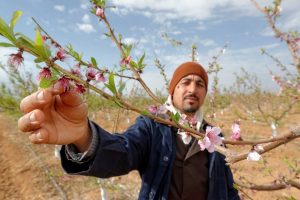
While most of the world’s food is produced by (ageing) smallholder farmers in developing countries, older farmers are less likely to adopt the new technologies needed to sustainably increase agricultural productivity, and ultimately feed the growing world population while protecting the environment. Hence, we need to re-engage youth in agriculture. Can this be done?

This publication provides real life examples of how this can be done. The first principal challenge identified is youth’s insufficient access to knowledge, information and education [Chapter 1]. Poor and inadequate education limits productivity and the acquisition of skills, while insufficient access to knowledge and information can hinder the development of entrepreneurial ventures. Particularly in developing countries, there is a distinct need to improve young rural women’s access to education, and to incorporate agricultural skills into rural education more generally. Agricultural training and education must also be adapted to ensure that graduates’ skills meet the needs of rural labour markets. Case studies from Cambodia, Uganda, Saint Lucia, Pakistan, Madagascar, Brazil, Ghana, Kenya, Rwanda and Zambia illustrate innovative ways of making this happen.

Subject Tags:

Climate change

Slug
climate-change
Identifier
610
Slug
food
Identifier
603

Food security

Slug
food-security
Identifier
604

Green jobs

Slug
green-jobs
Identifier
623

Green skills

Slug
green-skills
Identifier
645

Rural employment

Slug
rural-employment
Identifier
670

Rural workers

Slug
rural-workers
Identifier
637

Skills anticipation

Slug
skills-anticipation
Identifier
677

Skills mismatch

Slug
skills-mismatch
Identifier
654

Sustainable development

Slug
sustainable-development
Identifier
658
Regions:

The Gambia youth employment and skills development study

The Gambia youth employment and skills development study

Type:
Document
Content Type:
The Gambia youth employment and skills development study
Language:

English

Slug
english
Identifier
skpEng
Sources:

Information is gathered from other international organizations that promote skills development and the transition from education and training to work. The Interagency Group on Technical and Vocational Education and Training (IAG-TVET) was established in 2009 to share research findings, coordinate joint research endeavours, and improve collaboration among organizations working at the international and national levels.

Thumbnail
Identifier
skpIntOrg
Slug
international-organizations
Topics:

Youth employability

Thumbnail

Globally, nearly 68 million young women and men are looking for and available for work,  and an estimated 123 million young people are working but living in poverty. The number who are not in employment, education or training (NEET) stands at 267 million, a majority of whom are young women. Significantly, young people are three times as likely as adults (25 years and older) to be unemployed.

Skills development is a primary means of enabling young people to make a smooth transition to work. A comprehensive approach is required to integrate young women and men in the labour market, including relevant and quality skills training, labour market information, career guidance and employment services, recognition of prior learning, incorporating entrepreneurship with training and effective skills forecasting. Improved basic education and core work skills are particularly important to enable youth to engage in lifelong learning as well as transition to the labour market. 

Identifier
skpYoEmp
Slug
youth-employability
Knowledge Products:

Research papers

Working papers, reports, and other publications from international organizations, academic institutions and bilateral agencies. Research findings to stimulate informed debate on skills, employment and productivity issues. 

Thumbnail
Identifier
skpRPS
Slug
research-papers
Publication Date:
02 Apr 2015
Despite substantial improvements in access to basic education and steady economic growth, The Gambia still faces considerable challenges in respect to reducing poverty. As the result of its narrow economic base and its reduced internal market, the country will continue to rely heavily on the productivity of its citizens to reverse the cycle that keeps families in poverty generation after generation. Poverty reduction is a complex equation that involves improvements in job creation, especially for high-skilled and productive employment, as well as improvements in human capital levels to ensure that citizens are able to take advantage of employment opportunities. Currently, however, low human capital levels greatly limit the productivity and employment outcomes of the population, as evidenced by the fact that a majority continues to work in subsistence agriculture, especially in rural areas. The Second Poverty Reduction Strategy Paper II (2007-2015, PRSP II) recognizes the need to focus on improving youth employment outcomes. It states that 'The Gambia has a problem of youth unemployment especially those that have limited skills. Consequently, a big proportion of the youth are part of the people categorized as poor in The Gambia. PRSP II will focus on the problem of youth unemployment through various approaches including supporting private sector investment that creates jobs for the youth, increasing access to productive assets particularly credit by the youth, and retooling and training the youth to increase their employability.'
Subject Tags:

School-to-work transition

Slug
school-to-work-transition
Identifier
652

Skills and training policy

Slug
skills-and-training-policy
Identifier
666

Skills mismatch

Slug
skills-mismatch
Identifier
654

TVET systems

Slug
tvet-systems
Identifier
661

Youth

Slug
youth
Identifier
319

Youth unemployment

Slug
youth-unemployment
Identifier
622
Regions:

Africa

Region Image
Countries and territories:

Urban labor markets in Sub-Saharan Africa

Urban labor markets in Sub-Saharan Africa

Type:
Document
Content Type:
Urban labor markets in Sub-Saharan Africa
Language:

English

Slug
english
Identifier
skpEng
Sources:

Information is gathered from other international organizations that promote skills development and the transition from education and training to work. The Interagency Group on Technical and Vocational Education and Training (IAG-TVET) was established in 2009 to share research findings, coordinate joint research endeavours, and improve collaboration among organizations working at the international and national levels.

Thumbnail
Identifier
skpIntOrg
Slug
international-organizations
Topics:

Anticipating and matching skills needs

Thumbnail

Anticipating and building skills for the future is essential to a rapidly changing labour market. This applies to changes in the types and levels of skills needed as well as in occupational and technical areas. Effective methods to anticipate future skills needs and avoid potential mismatches include: sustained dialogue between employers and trainers, coordination across government institutions, labour market information systems, employment services and performance reviews of training institutions. 

Identifier
skpAFSN
Slug
anticipating-and-matching-skills-needs

Migrant workers

Thumbnail

According to the ILO global estimates on migrant workers, there were around 164 million migrant workers in 2017. 

Migrant workers contribute to growth and development in their countries of destination, while countries of origin greatly benefit from their remittances and the skills acquired during their migration experience. Yet, many migrant workers face challenges in accessing quality training and decent jobs including under-utilization of skills, a lack of employment or training opportunities, lack of information, and exploitation of low-skilled workers.

To address these challenges, countries need to strengthen skills anticipation systems to inform migration policies, increase access to education and training, and establish bilateral or multilateral recognition of qualifications and skills.

Identifier
skpMigWor
Slug
migrant-workers

Youth employability

Thumbnail

Globally, nearly 68 million young women and men are looking for and available for work,  and an estimated 123 million young people are working but living in poverty. The number who are not in employment, education or training (NEET) stands at 267 million, a majority of whom are young women. Significantly, young people are three times as likely as adults (25 years and older) to be unemployed.

Skills development is a primary means of enabling young people to make a smooth transition to work. A comprehensive approach is required to integrate young women and men in the labour market, including relevant and quality skills training, labour market information, career guidance and employment services, recognition of prior learning, incorporating entrepreneurship with training and effective skills forecasting. Improved basic education and core work skills are particularly important to enable youth to engage in lifelong learning as well as transition to the labour market. 

Identifier
skpYoEmp
Slug
youth-employability
Knowledge Products:

Research papers

Working papers, reports, and other publications from international organizations, academic institutions and bilateral agencies. Research findings to stimulate informed debate on skills, employment and productivity issues. 

Thumbnail
Identifier
skpRPS
Slug
research-papers
Publication Date:
02 Apr 2015
Part of the Africa Development Forum Series This book contributes to knowledge on the functioning of urban labor markets in Sub-Saharan Africa by investigating a variety of questions. Which individuals lack access to employment or are employed beneath their capacities? Does education improve working conditions? What opportunities does the labor market offer to climb the social ladder? Is the lack of good-quality jobs for adults and the poverty it implies one of the reasons for the prevalence of child labor? Do women and ethnic minorities have the same access to the labor market as everyone else? How does the formal sector live alongside the informal sector? What role does migration play in the functioning of labor markets? Are there traits common to all urban labor markets in Africa, or is each country different?

DOI: 10.1596/978-0-8213-9781-7
Subject Tags:

Economic and social development

Slug
economic-and-social-development
Identifier
125

Labour migration

Slug
labour-migration
Identifier
609

Migrant workers

Slug
migrant-workers
Identifier
681

School-to-work transition

Slug
school-to-work-transition
Identifier
652

Skills anticipation

Slug
skills-anticipation
Identifier
677

Skills mismatch

Slug
skills-mismatch
Identifier
654
Regions:

Africa

Region Image

Shifting sands in labour markets mean greater inequalities

Shifting sands in labour markets mean greater inequalities

Type:
Document
Content Type:
Shifting sands in labour markets mean greater inequalities
Language:

Spanish

Slug
spanish
Identifier
skpEsp
Sources:

ILO

The International Labour Organization is the tripartite U.N. agency that promotes Decent Work through employment, social security, labour standards and social dialogue. Its work on skills development is guided by the conceptual framework on Skills to improve productivity, employment growth, and development agreed in 2008 by representatives of Governments, Employers’ Associations and Workers’ Associations. Research, policy advice, and pilot projects and technical cooperation programmes to apply good practices in different circumstances across its 185 member States aims to boost the employability of workers, the productivity and competitiveness of enterprises, and the inclusiveness of economic growth. The ILO Secretariat in offices in 40 countries works with Ministries of Labour, employers’ organizations, and trade unions to integrate skills development into national and sector development strategies in order to better meet current labour market needs and to prepare for the jobs of the future; to expand access to employment-related training so that youth, persons with disabilities and other vulnerable groups are better able to acquire skills and secure productive and decent work; and to improve the ability of public employment services to provide career guidance, maintain labour exchange services, and deliver active labour market programmes.For more information regarding the ILO’s work on skills and employability go to: http://www.ilo.org/skills/lang--en/index.htm; for ILO/Cinterfor's Knowledge Management Plarform, see: http://www.oitcinterfor.org

Thumbnail
Identifier
skpILO
Slug
ilo
Topics:

Anticipating and matching skills needs

Thumbnail

Anticipating and building skills for the future is essential to a rapidly changing labour market. This applies to changes in the types and levels of skills needed as well as in occupational and technical areas. Effective methods to anticipate future skills needs and avoid potential mismatches include: sustained dialogue between employers and trainers, coordination across government institutions, labour market information systems, employment services and performance reviews of training institutions. 

Identifier
skpAFSN
Slug
anticipating-and-matching-skills-needs

Youth employability

Thumbnail

Globally, nearly 68 million young women and men are looking for and available for work,  and an estimated 123 million young people are working but living in poverty. The number who are not in employment, education or training (NEET) stands at 267 million, a majority of whom are young women. Significantly, young people are three times as likely as adults (25 years and older) to be unemployed.

Skills development is a primary means of enabling young people to make a smooth transition to work. A comprehensive approach is required to integrate young women and men in the labour market, including relevant and quality skills training, labour market information, career guidance and employment services, recognition of prior learning, incorporating entrepreneurship with training and effective skills forecasting. Improved basic education and core work skills are particularly important to enable youth to engage in lifelong learning as well as transition to the labour market. 

Identifier
skpYoEmp
Slug
youth-employability
Knowledge Products:

Promotional material

Presentations, discussion papers, meeting reports, promotional materials, videos, fact sheets, brochures and newsletters on skills development for employment.

Thumbnail
Identifier
skpAIM
Slug
promotional-material
Publication Date:
26 Mar 2015

According to the International Labour Organization’s World Employment and Social Outlook, middle-skilled jobs like accounting and clerical work are declining. That’s because, in our globalized economies, many of these jobs can now be done by computers. So where are the jobs now?

ILO Economist Christian Viegelahn explains that many jobs can now be found at opposite ends of the skills ladder:

“Particularly in developed economies, the share of low-skilled, non-routine jobs, such as security personnel and some personal care workers, and high-skilled non-routine cognitive jobs, such as lawyers and software engineers, has increased.”

Subject Tags:

Economic growth

Slug
economic-growth
Identifier
166

Economic recovery

Slug
economic-recovery
Identifier
667

Education and training

Slug
education-and-training
Identifier
116

Employability

Slug
employability
Identifier
643

Skills mismatch

Slug
skills-mismatch
Identifier
654
Regions:

Labour market and employment policy in Lebanon

Labour market and employment policy in Lebanon

Type:
Document
Content Type:
Labour market and employment policy in Lebanon
Language:

English

Slug
english
Identifier
skpEng
Sources:

Other sources

Experts from many international, regional and national agencies generously share their views, experiences and findings on skills, helping policy-makers among other stakeholders to understand the linkages between education, training and the world of work, and how to integrate skills into national development planning to promote employment and economic growth.

Thumbnail
Identifier
skpOSource
Slug
other-sources
Topics:

Career guidance and employment services

Thumbnail

Career guidance and counselling, career education and lifelong development of skills for employability are key for success in learning activities, effective career transitions, livelihood planning, entrepreneurship and in increasing labour market participation. They are instrumental in promoting skills utilization, recognition (RPL), as well as in improving enterprise human resource management.

Career development activities encompass a wide variety of support activities including career information and advice, counselling, work exposure (e.g. job shadowing, work experience periods), assessment, coaching, mentoring, professional networking, advocacy, basic and employability skills training (curricular and non-curricular) and entrepreneurship training. It is often an area which is fragmented across different ministries (e.g. education, TVET, employment, youth) requiring an effort to achieve the necessary coordination to provide adequate support to individuals during learning, employment and unemployment/inactivity periods.
 

Identifier
skpLMIES
Slug
career-guidance-and-employment-services
Knowledge Products:

Research papers

Working papers, reports, and other publications from international organizations, academic institutions and bilateral agencies. Research findings to stimulate informed debate on skills, employment and productivity issues. 

Thumbnail
Identifier
skpRPS
Slug
research-papers
Publication Date:
24 Mar 2015
Since 2011, the southern and eastern Mediterranean countries have experienced a succession of revolts and regime changes in what has become known as the Arab Spring. These upheavals focused attention on poor employment prospects as one of the main causes of social instability in the region and highlighted the importance of European Union (EU) cooperation with its neighbours on these issues. A structured Euro-Mediterranean policy dialogue on employment was initiated in 2008 to address this problem. Reform of the European Neighbourhood Policy in 2011 gave greater importance to job creation and inclusive growth in the region (European Commission, 2011a; and 2011b).

This report includes a short description of the recent political context in Lebanon. It covers issues such as the impact of the Arab Spring on the economy and employment, the emergence of new players and actors, and recent policy changes (such as government, donors or funding).

Section 1 provides an overview of the labour market and the impact of the Syrian crisis on Lebanon and Section 2 describes key labour market challenges such as the skills gap and the skills mismatch. Section 3 provides an overview of actors in the policy environment, their roles and institutional capacities, while Section 4 provides an overview of current employment policy measures in Lebanon. Recommendations for the development of employment policies and programmes are presented at the end of the paper.
Subject Tags:

Economic recovery

Slug
economic-recovery
Identifier
667

Skills mismatch

Slug
skills-mismatch
Identifier
654
Regions:

Arab States

Region Image
Countries and territories:

World Economic Forum: New vision for education: Unlocking the potential of technology

World Economic Forum: New vision for education: Unlocking the potential of technology

Type:
Document
Content Type:
World Economic Forum: New vision for education: Unlocking the potential of technology
Language:

English

Slug
english
Identifier
skpEng
Sources:

Other sources

Experts from many international, regional and national agencies generously share their views, experiences and findings on skills, helping policy-makers among other stakeholders to understand the linkages between education, training and the world of work, and how to integrate skills into national development planning to promote employment and economic growth.

Thumbnail
Identifier
skpOSource
Slug
other-sources
Topics:

Other topic

Thumbnail
Identifier
skpOIssue
Slug
other-topic
Knowledge Products:

Research papers

Working papers, reports, and other publications from international organizations, academic institutions and bilateral agencies. Research findings to stimulate informed debate on skills, employment and productivity issues. 

Thumbnail
Identifier
skpRPS
Slug
research-papers
Publication Date:
17 Mar 2015
The New Vision for Education project examines the pressing issue of skills gaps and explores ways to address these gaps through technology. Key learnings include:

-Education needs to address the 21st-century skills fully in order to prepare students for the evolving job market;
-Education gaps exist between the developed and developing world, and countries vary on their respective outcome on 21st-century skill performance;
-Technology, once integrated holistically for targeted problems, has the potential to help education better address these gaps; and,
-Multistakeholder approach is required to fully realize the potential of technology to innovate education for the future.
Subject Tags:

Skills mismatch

Slug
skills-mismatch
Identifier
654

Technology

Slug
technology
Identifier
345
Regions:

In pursuit of employable skills, understanding employers’ demands

In pursuit of employable skills, understanding employers’ demands

Type:
Document
Content Type:
In pursuit of employable skills, understanding employers’ demands
Language:
Sources:

Other sources

Experts from many international, regional and national agencies generously share their views, experiences and findings on skills, helping policy-makers among other stakeholders to understand the linkages between education, training and the world of work, and how to integrate skills into national development planning to promote employment and economic growth.

Thumbnail
Identifier
skpOSource
Slug
other-sources
Topics:

Career guidance and employment services

Thumbnail

Career guidance and counselling, career education and lifelong development of skills for employability are key for success in learning activities, effective career transitions, livelihood planning, entrepreneurship and in increasing labour market participation. They are instrumental in promoting skills utilization, recognition (RPL), as well as in improving enterprise human resource management.

Career development activities encompass a wide variety of support activities including career information and advice, counselling, work exposure (e.g. job shadowing, work experience periods), assessment, coaching, mentoring, professional networking, advocacy, basic and employability skills training (curricular and non-curricular) and entrepreneurship training. It is often an area which is fragmented across different ministries (e.g. education, TVET, employment, youth) requiring an effort to achieve the necessary coordination to provide adequate support to individuals during learning, employment and unemployment/inactivity periods.
 

Identifier
skpLMIES
Slug
career-guidance-and-employment-services
Knowledge Products:

Research papers

Working papers, reports, and other publications from international organizations, academic institutions and bilateral agencies. Research findings to stimulate informed debate on skills, employment and productivity issues. 

Thumbnail
Identifier
skpRPS
Slug
research-papers

Statistical information

Data produced by the international organizations and countries on trends in skills provision, demand, and employment outcomes to help inform policy-making and monitoring processes.

Thumbnail
Identifier
skpStatInfo
Slug
statistical-information
Publication Date:
16 Mar 2015

Analysis of the Bahamas’ 2012 wages & productivity survey

Most employers in the Bahamas report difficulties in finding the right set of skills for their jobs, while many people remain unemployed after the recent crisis (14.0% in 2012). Additionally, as new investments generate increasing manpower needs, responding to the skills shortage with a skills development strategy becomes a rising social and economic issue.

This report aims to provide insight into this labour market dilemma by examining private sector employers’ reports in the 2012 WPS on firms’ demand for skills, difficulties in hiring, training needs and training practices.

Subject Tags:

Skills mismatch

Slug
skills-mismatch
Identifier
654

Survey

Slug
survey
Identifier
611
Regions:

Americas

Region Image
Countries and territories:

The Hays Global Skills Index 2014

The Hays Global Skills Index 2014

Type:
Document
Content Type:
The Hays Global Skills Index 2014
Language:

English

Slug
english
Identifier
skpEng
Sources:

Other sources

Experts from many international, regional and national agencies generously share their views, experiences and findings on skills, helping policy-makers among other stakeholders to understand the linkages between education, training and the world of work, and how to integrate skills into national development planning to promote employment and economic growth.

Thumbnail
Identifier
skpOSource
Slug
other-sources
Topics:

Anticipating and matching skills needs

Thumbnail

Anticipating and building skills for the future is essential to a rapidly changing labour market. This applies to changes in the types and levels of skills needed as well as in occupational and technical areas. Effective methods to anticipate future skills needs and avoid potential mismatches include: sustained dialogue between employers and trainers, coordination across government institutions, labour market information systems, employment services and performance reviews of training institutions. 

Identifier
skpAFSN
Slug
anticipating-and-matching-skills-needs
Knowledge Products:

Research papers

Working papers, reports, and other publications from international organizations, academic institutions and bilateral agencies. Research findings to stimulate informed debate on skills, employment and productivity issues. 

Thumbnail
Identifier
skpRPS
Slug
research-papers
Publication Date:
10 Mar 2015
The global talent crisis is continuing to worsen. Across the globe we are seeing organisations fighting to find employees with the necessary skills and training.

As the economic recovery continues, companies are struggling to get the talent they need particularly in science, technology, engineering and maths. And with the widening skills gap likely to become worse before it gets better, we are facing something of a perfect talent storm. It is good to see that this issue has become a subject of mainstream debate for media, politicians and corporates alike.

The Hays Global Skills Index 2014 reflects growing pressure in the skilled labour market as the global economy recovers. Taken as a whole, labour market conditions tightened across the countries covered by the Index, and pressures are likely to get worse before they get better for business fighting for the right talent to support their growth plans.
Subject Tags:

Skills anticipation

Slug
skills-anticipation
Identifier
677

Skills mismatch

Slug
skills-mismatch
Identifier
654
Regions:

Closing the skills gap: Companies and colleges collaborating for change

Closing the skills gap: Companies and colleges collaborating for change

Type:
Document
Content Type:
Closing the skills gap: Companies and colleges collaborating for change
Language:

English

Slug
english
Identifier
skpEng
Sources:

Other sources

Experts from many international, regional and national agencies generously share their views, experiences and findings on skills, helping policy-makers among other stakeholders to understand the linkages between education, training and the world of work, and how to integrate skills into national development planning to promote employment and economic growth.

Thumbnail
Identifier
skpOSource
Slug
other-sources
Topics:

Participation of employers' and workers' organizations

Thumbnail

The world of learning and the world of work are separate but linked. While one involves learning, the other produces goods and services. Neither can thrive without the other. Strong partnerships between government, employers and workers help ensure the relevance of training to the changing needs of enterprises and labour markets. 

Identifier
skpPSP
Slug
participation-of-employers-and-workers-organizations

Training quality and relevance

Thumbnail
Identifier
skpTrainQR
Slug
training-quality-and-relevance
Knowledge Products:

Research papers

Working papers, reports, and other publications from international organizations, academic institutions and bilateral agencies. Research findings to stimulate informed debate on skills, employment and productivity issues. 

Thumbnail
Identifier
skpRPS
Slug
research-papers
Publication Date:
04 Mar 2015
Few topics have preoccupied US employers more in recent years than what they perceive as a growing gulf between the knowledge, skills and abilities of young people entering the workforce and the knowledge, skills and abilities that they believe to be crucial to the success of their enterprises.

This research shows that, although the desire for collaboration with higher education is almost universal, there is a lack of coherence in how companies approach such partnerships, the kinds of institutions they seek to partner with and the benefits they expect to derive from such collaborations. The survey, in particular, reveals a pervasive concern and need among companies to better understand the tangible returns on the investments they make in institutions, in educating students or in training employees. If we want to expand and improve these collaborations, finding ways to better measure outcomes seems to be a key first step.
Subject Tags:

Enterprises

Slug
enterprises
Identifier
175

School-to-work transition

Slug
school-to-work-transition
Identifier
652

Skills mismatch

Slug
skills-mismatch
Identifier
654

Survey

Slug
survey
Identifier
611
Regions:

Skills development in Sudan: The Formal and the Informal Reality

Skills development in Sudan: The Formal and the Informal Reality

Type:
Document
Content Type:
Skills development in Sudan: The Formal and the Informal Reality
Language:

English

Slug
english
Identifier
skpEng
Sources:

ILO

The International Labour Organization is the tripartite U.N. agency that promotes Decent Work through employment, social security, labour standards and social dialogue. Its work on skills development is guided by the conceptual framework on Skills to improve productivity, employment growth, and development agreed in 2008 by representatives of Governments, Employers’ Associations and Workers’ Associations. Research, policy advice, and pilot projects and technical cooperation programmes to apply good practices in different circumstances across its 185 member States aims to boost the employability of workers, the productivity and competitiveness of enterprises, and the inclusiveness of economic growth. The ILO Secretariat in offices in 40 countries works with Ministries of Labour, employers’ organizations, and trade unions to integrate skills development into national and sector development strategies in order to better meet current labour market needs and to prepare for the jobs of the future; to expand access to employment-related training so that youth, persons with disabilities and other vulnerable groups are better able to acquire skills and secure productive and decent work; and to improve the ability of public employment services to provide career guidance, maintain labour exchange services, and deliver active labour market programmes.For more information regarding the ILO’s work on skills and employability go to: http://www.ilo.org/skills/lang--en/index.htm; for ILO/Cinterfor's Knowledge Management Plarform, see: http://www.oitcinterfor.org

Thumbnail
Identifier
skpILO
Slug
ilo
Topics:

Training quality and relevance

Thumbnail
Identifier
skpTrainQR
Slug
training-quality-and-relevance
Knowledge Products:

Research papers

Working papers, reports, and other publications from international organizations, academic institutions and bilateral agencies. Research findings to stimulate informed debate on skills, employment and productivity issues. 

Thumbnail
Identifier
skpRPS
Slug
research-papers
Publication Date:
03 Mar 2015
The development challenges facing Sudan are enormous, but at the heart of the problem is how to continue and accelerate economic growth, and translate this into improved employment opportunities for the vast majority of the country’s population. Employment creation and investments in skills represent one of the most efficient means of distributing incomes equitably in developing countries, and one of the most sustainable ways of fighting poverty. However, the process of human capital formation in Sudan is alarmingly low by regional and international standards, and provision of technical and vocational education and training (TVET) plays a marginal role compared to general and academic education.

This report provides the baseline information required to understand how young women and men, the unemployed and other vulnerable groups gain the skills needed for productive employment, leading to improved standards of living and ultimately decent work. It is paramount to understand the processes, institutions, and approaches that underpin skills development both in formal TVET and in the informal economy, in order to develop and improve systems in place, particularly in a relatively new nation.
Subject Tags:

Apprenticeships

Slug
apprenticeships
Identifier
639

Skills mismatch

Slug
skills-mismatch
Identifier
654

Vocational training

Slug
vocational-training
Identifier
124
Regions:
Countries and territories: