Spanish

Slug
spanish
Identifier
skpEsp

Note d’orientation: Investir dans les compétences pour l’autonomisation socio-économique des femmes en milieu rural

Note d’orientation: Investir dans les compétences pour l’autonomisation socio-économique des femmes en milieu rural

Type:
Document
Content Type:
Note d’orientation: Investir dans les compétences pour l’autonomisation socio-économique des femmes en milieu rural
Language:

French

Slug
french
Identifier
skpFrn
Sources:

ILO

The International Labour Organization is the tripartite U.N. agency that promotes Decent Work through employment, social security, labour standards and social dialogue. Its work on skills development is guided by the conceptual framework on Skills to improve productivity, employment growth, and development agreed in 2008 by representatives of Governments, Employers’ Associations and Workers’ Associations. Research, policy advice, and pilot projects and technical cooperation programmes to apply good practices in different circumstances across its 185 member States aims to boost the employability of workers, the productivity and competitiveness of enterprises, and the inclusiveness of economic growth. The ILO Secretariat in offices in 40 countries works with Ministries of Labour, employers’ organizations, and trade unions to integrate skills development into national and sector development strategies in order to better meet current labour market needs and to prepare for the jobs of the future; to expand access to employment-related training so that youth, persons with disabilities and other vulnerable groups are better able to acquire skills and secure productive and decent work; and to improve the ability of public employment services to provide career guidance, maintain labour exchange services, and deliver active labour market programmes.For more information regarding the ILO’s work on skills and employability go to: http://www.ilo.org/skills/lang--en/index.htm; for ILO/Cinterfor's Knowledge Management Plarform, see: http://www.oitcinterfor.org

Thumbnail
Identifier
skpILO
Slug
ilo

International organizations

Information is gathered from other international organizations that promote skills development and the transition from education and training to work. The Interagency Group on Technical and Vocational Education and Training (IAG-TVET) was established in 2009 to share research findings, coordinate joint research endeavours, and improve collaboration among organizations working at the international and national levels.

Thumbnail
Identifier
skpIntOrg
Slug
international-organizations
Topics:

Access to training

Thumbnail

Access for all to good quality education, vocational training and workplace learning is a fundamental principle of social cohesion and economic growth. Some groups of people may require targeted attention if they are to benefit from education, training and employment opportunities.  

This is particularly the case for disadvantaged youth, lower skilled workers, people with disabilities, and people in rural communities. The attractiveness of vocational education and training is enhanced when combined with entrepreneurship training and when public policies encourage utilization of higher skills by business. 
 

Identifier
skpATSU
Slug
access-to-training

Rural employment

Thumbnail

Eight out of 10 of the world’s working poor who live on US $1.25 per day live in rural areas, where many are caught in vulnerable employment, especially in agriculture.Flourishing rural areas are vital to regional and national development. Yet, rural economies tend to face a wide range of challenges that urban areas are more likely to overcome. These include access to transportation, sanitation and health services, and a consumer base in close proximity to support small and medium enterprise development. Women and men working in rural areas also face difficulties associated with a paucity of economic opportunities, under investment, poor infrastructure and public services, including education, and, in many cases, weak governance and underdeveloped markets.

Education, entrepreneurship, and physical and social infrastructure all play an important role in developing rural regions. Skills are central to improving employability and livelihood opportunities, reducing poverty, enhancing productivity and promoting environmentally sustainable development.

Identifier
skpREmpl
Slug
rural-employment
Knowledge Products:

Policy and strategy

Recommendations and advice on resolving policy challenges related to skills development systems and their linkages to the world of work.  Concise syntheses of experience from the international organizations.

Thumbnail
Identifier
skpPolOp
Slug
policy-and-strategy
Publication Date:
21 Feb 2013

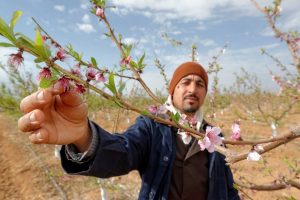
Cette note d’orientation fait valoir que l’apprentissage de technologies et de méthodes de production améliorées, de nouveaux produits et marchés ainsi que de compétences nécessaires à l’activité professionnelle et à la vie pratique sont des facteurs pouvant faire une grande différence pour améliorer la productivité et les moyens de subsistance. Les femmes ont souvent des besoins en formation différents de ceux des hommes, qui sont liés, d’une part, à leur travail domestique et à leurs responsabilités de soins familiaux, et d’autre part, aux divisions du travail sensible au genre relatives à la direction ou à l’accomplissement de tâches spécifiques dans la production et la transformation des produits agricoles. Cette note d’orientation analyse certains des facteurs sociaux, culturels et économiques pouvant restreindre l’accès des filles et des femmes en milieu rural à l’éducation et à la formation, en les confinant dans un statut inférieur et dans un emploi insuffisamment rémunéré avec des perspectives limitées en matière de développement des compétences. La liste des orientations possibles propose une série de mesures pratiques pour stimuler la participation des femmes à une éducation et une formation techniques et professionnelles, afin de renforcer les possibilités pour elles de trouver un emploi de meilleure qualité.


Subject Tags:
Slug
community-development
Identifier
126

Employability

Slug
employability
Identifier
643

Productivity

Slug
productivity
Identifier
188

Rural employment

Slug
rural-employment
Identifier
670

Rural workers

Slug
rural-workers
Identifier
637

Vocational training

Slug
vocational-training
Identifier
124

Women

Slug
women
Identifier
318
Regions:

Conclusiones sobre las calificaciones para la mejora de la productividad, el crecimiento del empleo y el desarrollo

Conclusiones sobre las calificaciones para la mejora de la productividad, el crecimiento del empleo y el desarrollo

Type:
Document
Content Type:
Conclusiones sobre las calificaciones para la mejora de la productividad, el crecimiento del empleo y el desarrollo
Language:

Spanish

Slug
spanish
Identifier
skpEsp
Sources:

ILO

The International Labour Organization is the tripartite U.N. agency that promotes Decent Work through employment, social security, labour standards and social dialogue. Its work on skills development is guided by the conceptual framework on Skills to improve productivity, employment growth, and development agreed in 2008 by representatives of Governments, Employers’ Associations and Workers’ Associations. Research, policy advice, and pilot projects and technical cooperation programmes to apply good practices in different circumstances across its 185 member States aims to boost the employability of workers, the productivity and competitiveness of enterprises, and the inclusiveness of economic growth. The ILO Secretariat in offices in 40 countries works with Ministries of Labour, employers’ organizations, and trade unions to integrate skills development into national and sector development strategies in order to better meet current labour market needs and to prepare for the jobs of the future; to expand access to employment-related training so that youth, persons with disabilities and other vulnerable groups are better able to acquire skills and secure productive and decent work; and to improve the ability of public employment services to provide career guidance, maintain labour exchange services, and deliver active labour market programmes.For more information regarding the ILO’s work on skills and employability go to: http://www.ilo.org/skills/lang--en/index.htm; for ILO/Cinterfor's Knowledge Management Plarform, see: http://www.oitcinterfor.org

Thumbnail
Identifier
skpILO
Slug
ilo
Topics:

Access to training

Thumbnail

Access for all to good quality education, vocational training and workplace learning is a fundamental principle of social cohesion and economic growth. Some groups of people may require targeted attention if they are to benefit from education, training and employment opportunities.  

This is particularly the case for disadvantaged youth, lower skilled workers, people with disabilities, and people in rural communities. The attractiveness of vocational education and training is enhanced when combined with entrepreneurship training and when public policies encourage utilization of higher skills by business. 
 

Identifier
skpATSU
Slug
access-to-training

Anticipating and matching skills needs

Thumbnail

Anticipating and building skills for the future is essential to a rapidly changing labour market. This applies to changes in the types and levels of skills needed as well as in occupational and technical areas. Effective methods to anticipate future skills needs and avoid potential mismatches include: sustained dialogue between employers and trainers, coordination across government institutions, labour market information systems, employment services and performance reviews of training institutions. 

Identifier
skpAFSN
Slug
anticipating-and-matching-skills-needs

Career guidance and employment services

Thumbnail

Career guidance and counselling, career education and lifelong development of skills for employability are key for success in learning activities, effective career transitions, livelihood planning, entrepreneurship and in increasing labour market participation. They are instrumental in promoting skills utilization, recognition (RPL), as well as in improving enterprise human resource management.

Career development activities encompass a wide variety of support activities including career information and advice, counselling, work exposure (e.g. job shadowing, work experience periods), assessment, coaching, mentoring, professional networking, advocacy, basic and employability skills training (curricular and non-curricular) and entrepreneurship training. It is often an area which is fragmented across different ministries (e.g. education, TVET, employment, youth) requiring an effort to achieve the necessary coordination to provide adequate support to individuals during learning, employment and unemployment/inactivity periods.
 

Identifier
skpLMIES
Slug
career-guidance-and-employment-services

Financing of training

Thumbnail

Initial education and training and lifelong learning benefit individuals, employers and society as a whole. Economic principles dictate that the costs for services with public and private benefits should be shared between public and private funding, or else too little training will be provided or taken up. Effective mechanisms for financing skills development vary according to countries’ economic and political circumstances and the degree and level of social dialogue established.

Identifier
skpFinanT
Slug
financing-training

Lifelong learning

Thumbnail

There is a critical need for a greater overall investment in education and training, particularly in developing countries. Education and training investments should be closely linked to economic and employment growth strategies and programmes. Responsibility should be shared between the government (primary responsibility), enterprises, the social partners, and the individual. To make lifelong learning for all a reality, countries will need to make major reforms of their vocational and education and training systems. School-to-work schemes for young people should integrate education with workplace learning. Training systems need to become more flexible and responsive to rapidly changing skill requirements. Reforms should also focus on how learning can be facilitated, not just on training for specific occupational categories.

Identifier
skpPSLLL
Slug
lifelong-learning

Monitoring and evaluation

Thumbnail

Measuring the outcomes of skills systems, policies and targeted programmes is essential in order to monitor and improve their effectiveness and relevance. Elements of sound assessment processes include: institutions to sustain feedback from employers and trainees; mechanisms to track labour market outcomes of training and systems of accountability that use this information; and, quantitative and qualitative labour market information and its dissemination to all stakeholders.

Identifier
skpPolPer
Slug
monitoring-and-evaluation

Participation of employers' and workers' organizations

Thumbnail

The world of learning and the world of work are separate but linked. While one involves learning, the other produces goods and services. Neither can thrive without the other. Strong partnerships between government, employers and workers help ensure the relevance of training to the changing needs of enterprises and labour markets. 

Identifier
skpPSP
Slug
participation-of-employers-and-workers-organizations

Sectoral approaches

Thumbnail

Matching skills to labour market demand requires reliable sectoral and occupational information and institutions that connect employers with training providers.  Sector based strategies and institutions have proved effective in engaging all stakeholders in promoting both pre-employment training and life-long learning.

Identifier
skpSectApr
Slug
sectoral-approaches

Skills policies and strategies

Thumbnail

Skills and employment policies should be viewed together.  The full value of one policy set is realized when it supports the objectives of the other.  For investments in education and training to yield maximum benefit to workers, enterprises, and economies, countries’ capacities for coordination is critical in three areas: connecting basic education to technical training and then to market entry; ensuring continuous communication between employers and training providers so that training meets the needs and aspirations of workers and enterprises, and integrating skills development policies with industrial, investment, trade, technology, environmental, rural and local development policies.

Identifier
skpPolConv
Slug
skills-policies-and-strategies

Training quality and relevance

Thumbnail
Identifier
skpTrainQR
Slug
training-quality-and-relevance
Knowledge Products:

International standards

International conventions and recommendations and other international instruments on human resource and skills development. Strategy papers on the practical application of international standards from international organizations covering issues related to training, effective utilization and development of skills, and on linking skills to employment.

Thumbnail
Identifier
skpISSP
Slug
international-standards
Publication Date:
26 Feb 2013

Adoptadas por la Conferencia Internacional del Trabajo en su 97ª reunión en 2008.

Invertir en educación y desarrollo de calificaciones de mujeres y hombres para ayudar a las economías a alcanzar un crecimiento dinámico con empleos de calidad es una prioridad urgente en todo el mundo.

En el 2008 la Conferencia Internacional del Trabajo, los mandates tripartitos de la OIT, gobiernos, empleadores y trabajadores, adoptaron una serie de conclusiones completamente enfocadas en este reto. Estas conclusiones brindan una orientación práctica para fortalecer la educación, la capacitación vocacional y el aprendizaje a lo largo de la vida como los principales pilares de la empleabilidad de los trabajadores y del carácter sostenible de las empresas en el marco del Programa de Trabajo Decente.

Las conclusiones destacan cómo el desarrollo de calificaciones puede ser una herramienta importante para reducir la pobreza y la exclusión y fortalecer la competitividad y la empleabilidad.

Subject Tags:

Economic recovery

Slug
economic-recovery
Identifier
667

Education and training

Slug
education-and-training
Identifier
116

Employability

Slug
employability
Identifier
643

Financing training

Slug
financing-training
Identifier
673

Lifelong learning

Slug
lifelong-learning
Identifier
400

Policy convergence

Slug
policy-convergence
Identifier
674

Productivity

Slug
productivity
Identifier
188

Sectoral approaches

Slug
sectoral-approaches
Identifier
676

Skills and training policy

Slug
skills-and-training-policy
Identifier
666

Skills anticipation

Slug
skills-anticipation
Identifier
677

Skills recognition

Slug
skills-recognition
Identifier
656

Vocational training

Slug
vocational-training
Identifier
124

Youth

Slug
youth
Identifier
319
Regions:

Note de synthèse: Le rôle des services de l’emploi pour soutenir le marché de l’emploi

Note de synthèse: Le rôle des services de l’emploi pour soutenir le marché de l’emploi

Type:
Document
Content Type:
Note de synthèse: Le rôle des services de l’emploi pour soutenir le marché de l’emploi
Language:

French

Slug
french
Identifier
skpFrn
Sources:

ILO

The International Labour Organization is the tripartite U.N. agency that promotes Decent Work through employment, social security, labour standards and social dialogue. Its work on skills development is guided by the conceptual framework on Skills to improve productivity, employment growth, and development agreed in 2008 by representatives of Governments, Employers’ Associations and Workers’ Associations. Research, policy advice, and pilot projects and technical cooperation programmes to apply good practices in different circumstances across its 185 member States aims to boost the employability of workers, the productivity and competitiveness of enterprises, and the inclusiveness of economic growth. The ILO Secretariat in offices in 40 countries works with Ministries of Labour, employers’ organizations, and trade unions to integrate skills development into national and sector development strategies in order to better meet current labour market needs and to prepare for the jobs of the future; to expand access to employment-related training so that youth, persons with disabilities and other vulnerable groups are better able to acquire skills and secure productive and decent work; and to improve the ability of public employment services to provide career guidance, maintain labour exchange services, and deliver active labour market programmes.For more information regarding the ILO’s work on skills and employability go to: http://www.ilo.org/skills/lang--en/index.htm; for ILO/Cinterfor's Knowledge Management Plarform, see: http://www.oitcinterfor.org

Thumbnail
Identifier
skpILO
Slug
ilo
Topics:

Career guidance and employment services

Thumbnail

Career guidance and counselling, career education and lifelong development of skills for employability are key for success in learning activities, effective career transitions, livelihood planning, entrepreneurship and in increasing labour market participation. They are instrumental in promoting skills utilization, recognition (RPL), as well as in improving enterprise human resource management.

Career development activities encompass a wide variety of support activities including career information and advice, counselling, work exposure (e.g. job shadowing, work experience periods), assessment, coaching, mentoring, professional networking, advocacy, basic and employability skills training (curricular and non-curricular) and entrepreneurship training. It is often an area which is fragmented across different ministries (e.g. education, TVET, employment, youth) requiring an effort to achieve the necessary coordination to provide adequate support to individuals during learning, employment and unemployment/inactivity periods.
 

Identifier
skpLMIES
Slug
career-guidance-and-employment-services
Knowledge Products:

Policy and strategy

Recommendations and advice on resolving policy challenges related to skills development systems and their linkages to the world of work.  Concise syntheses of experience from the international organizations.

Thumbnail
Identifier
skpPolOp
Slug
policy-and-strategy
Publication Date:
26 Feb 2013

La série des notes de synthèse du Pacte mondial pour l’emplo

Subject Tags:

Employability

Slug
employability
Identifier
643

Job matching

Slug
job-matching
Identifier
649
Regions:

Note de synthèse: Inclusion des handicapes dans les réponses à la crise

Note de synthèse: Inclusion des handicapes dans les réponses à la crise

Type:
Document
Content Type:
Note de synthèse: Inclusion des handicapes dans les réponses à la crise
Language:

French

Slug
french
Identifier
skpFrn
Sources:

ILO

The International Labour Organization is the tripartite U.N. agency that promotes Decent Work through employment, social security, labour standards and social dialogue. Its work on skills development is guided by the conceptual framework on Skills to improve productivity, employment growth, and development agreed in 2008 by representatives of Governments, Employers’ Associations and Workers’ Associations. Research, policy advice, and pilot projects and technical cooperation programmes to apply good practices in different circumstances across its 185 member States aims to boost the employability of workers, the productivity and competitiveness of enterprises, and the inclusiveness of economic growth. The ILO Secretariat in offices in 40 countries works with Ministries of Labour, employers’ organizations, and trade unions to integrate skills development into national and sector development strategies in order to better meet current labour market needs and to prepare for the jobs of the future; to expand access to employment-related training so that youth, persons with disabilities and other vulnerable groups are better able to acquire skills and secure productive and decent work; and to improve the ability of public employment services to provide career guidance, maintain labour exchange services, and deliver active labour market programmes.For more information regarding the ILO’s work on skills and employability go to: http://www.ilo.org/skills/lang--en/index.htm; for ILO/Cinterfor's Knowledge Management Plarform, see: http://www.oitcinterfor.org

Thumbnail
Identifier
skpILO
Slug
ilo
Topics:

People with disabilities

Thumbnail

Of an estimated 1 billion people with disabilities in the world today, some 785 million are of working age. While many are successfully employed and fully integrated into society, most face a disproportionate level of poverty and unemployment. This is a massive loss both to them and their countries. A strategy of including people with disabilities in training and employment promotion policies, combined with targeted supports to ensure their participation, can help disabled persons obtain productive mainstream employment.

Identifier
skpPeoDis
Slug
people-with-disabilities
Knowledge Products:

Policy and strategy

Recommendations and advice on resolving policy challenges related to skills development systems and their linkages to the world of work.  Concise syntheses of experience from the international organizations.

Thumbnail
Identifier
skpPolOp
Slug
policy-and-strategy
Publication Date:
26 Feb 2013

La series des notes de synthèse du Pacte mondial pour l'emploi

Subject Tags:

Economic and social rights

Slug
economic-and-social-rights
Identifier
264

People with disabilities

Slug
people-with-disabilities
Identifier
323
Regions:

Africa

Region Image

Americas

Region Image

Arab States

Region Image

Policy Brief: Policy options to support young workers during economic recovery

Policy Brief: Policy options to support young workers during economic recovery

Type:
Document
Content Type:
Policy Brief: Policy options to support young workers during economic recovery
Language:

English

Slug
english
Identifier
skpEng
Sources:

ILO

The International Labour Organization is the tripartite U.N. agency that promotes Decent Work through employment, social security, labour standards and social dialogue. Its work on skills development is guided by the conceptual framework on Skills to improve productivity, employment growth, and development agreed in 2008 by representatives of Governments, Employers’ Associations and Workers’ Associations. Research, policy advice, and pilot projects and technical cooperation programmes to apply good practices in different circumstances across its 185 member States aims to boost the employability of workers, the productivity and competitiveness of enterprises, and the inclusiveness of economic growth. The ILO Secretariat in offices in 40 countries works with Ministries of Labour, employers’ organizations, and trade unions to integrate skills development into national and sector development strategies in order to better meet current labour market needs and to prepare for the jobs of the future; to expand access to employment-related training so that youth, persons with disabilities and other vulnerable groups are better able to acquire skills and secure productive and decent work; and to improve the ability of public employment services to provide career guidance, maintain labour exchange services, and deliver active labour market programmes.For more information regarding the ILO’s work on skills and employability go to: http://www.ilo.org/skills/lang--en/index.htm; for ILO/Cinterfor's Knowledge Management Plarform, see: http://www.oitcinterfor.org

Thumbnail
Identifier
skpILO
Slug
ilo
Topics:

Skills policies and strategies

Thumbnail

Skills and employment policies should be viewed together.  The full value of one policy set is realized when it supports the objectives of the other.  For investments in education and training to yield maximum benefit to workers, enterprises, and economies, countries’ capacities for coordination is critical in three areas: connecting basic education to technical training and then to market entry; ensuring continuous communication between employers and training providers so that training meets the needs and aspirations of workers and enterprises, and integrating skills development policies with industrial, investment, trade, technology, environmental, rural and local development policies.

Identifier
skpPolConv
Slug
skills-policies-and-strategies

Youth employability

Thumbnail

Globally, nearly 68 million young women and men are looking for and available for work,  and an estimated 123 million young people are working but living in poverty. The number who are not in employment, education or training (NEET) stands at 267 million, a majority of whom are young women. Significantly, young people are three times as likely as adults (25 years and older) to be unemployed.

Skills development is a primary means of enabling young people to make a smooth transition to work. A comprehensive approach is required to integrate young women and men in the labour market, including relevant and quality skills training, labour market information, career guidance and employment services, recognition of prior learning, incorporating entrepreneurship with training and effective skills forecasting. Improved basic education and core work skills are particularly important to enable youth to engage in lifelong learning as well as transition to the labour market. 

Identifier
skpYoEmp
Slug
youth-employability
Knowledge Products:

Policy and strategy

Recommendations and advice on resolving policy challenges related to skills development systems and their linkages to the world of work.  Concise syntheses of experience from the international organizations.

Thumbnail
Identifier
skpPolOp
Slug
policy-and-strategy
Publication Date:
26 Feb 2013
Global Jobs Pact Policy Brief Series This brief highlights a number of lessons learned from the implementation of initiatives during past crises. It provides policy options that could be taken into consideration by governments, in concert with the social partners, to design interventions aimed at promoting decent work for young people during economic recovery.
Subject Tags:

Employability

Slug
employability
Identifier
643

Entrepreneurship

Slug
entrepreneurship
Identifier
182

Human resources development

Slug
human-resources-development
Identifier
118

Policy convergence

Slug
policy-convergence
Identifier
674

Youth unemployment

Slug
youth-unemployment
Identifier
622
Regions:

Orientaciones de política: Formulación de una política nacional sobre el desarrollo de competencias laborales

Orientaciones de política: Formulación de una política nacional sobre el desarrollo de competencias laborales

Type:
Document
Content Type:
Orientaciones de política: Formulación de una política nacional sobre el desarrollo de competencias laborales
Language:

Spanish

Slug
spanish
Identifier
skpEsp
Sources:

ILO

The International Labour Organization is the tripartite U.N. agency that promotes Decent Work through employment, social security, labour standards and social dialogue. Its work on skills development is guided by the conceptual framework on Skills to improve productivity, employment growth, and development agreed in 2008 by representatives of Governments, Employers’ Associations and Workers’ Associations. Research, policy advice, and pilot projects and technical cooperation programmes to apply good practices in different circumstances across its 185 member States aims to boost the employability of workers, the productivity and competitiveness of enterprises, and the inclusiveness of economic growth. The ILO Secretariat in offices in 40 countries works with Ministries of Labour, employers’ organizations, and trade unions to integrate skills development into national and sector development strategies in order to better meet current labour market needs and to prepare for the jobs of the future; to expand access to employment-related training so that youth, persons with disabilities and other vulnerable groups are better able to acquire skills and secure productive and decent work; and to improve the ability of public employment services to provide career guidance, maintain labour exchange services, and deliver active labour market programmes.For more information regarding the ILO’s work on skills and employability go to: http://www.ilo.org/skills/lang--en/index.htm; for ILO/Cinterfor's Knowledge Management Plarform, see: http://www.oitcinterfor.org

Thumbnail
Identifier
skpILO
Slug
ilo
Topics:

Access to training

Thumbnail

Access for all to good quality education, vocational training and workplace learning is a fundamental principle of social cohesion and economic growth. Some groups of people may require targeted attention if they are to benefit from education, training and employment opportunities.  

This is particularly the case for disadvantaged youth, lower skilled workers, people with disabilities, and people in rural communities. The attractiveness of vocational education and training is enhanced when combined with entrepreneurship training and when public policies encourage utilization of higher skills by business. 
 

Identifier
skpATSU
Slug
access-to-training

Anticipating and matching skills needs

Thumbnail

Anticipating and building skills for the future is essential to a rapidly changing labour market. This applies to changes in the types and levels of skills needed as well as in occupational and technical areas. Effective methods to anticipate future skills needs and avoid potential mismatches include: sustained dialogue between employers and trainers, coordination across government institutions, labour market information systems, employment services and performance reviews of training institutions. 

Identifier
skpAFSN
Slug
anticipating-and-matching-skills-needs

Career guidance and employment services

Thumbnail

Career guidance and counselling, career education and lifelong development of skills for employability are key for success in learning activities, effective career transitions, livelihood planning, entrepreneurship and in increasing labour market participation. They are instrumental in promoting skills utilization, recognition (RPL), as well as in improving enterprise human resource management.

Career development activities encompass a wide variety of support activities including career information and advice, counselling, work exposure (e.g. job shadowing, work experience periods), assessment, coaching, mentoring, professional networking, advocacy, basic and employability skills training (curricular and non-curricular) and entrepreneurship training. It is often an area which is fragmented across different ministries (e.g. education, TVET, employment, youth) requiring an effort to achieve the necessary coordination to provide adequate support to individuals during learning, employment and unemployment/inactivity periods.
 

Identifier
skpLMIES
Slug
career-guidance-and-employment-services

Financing of training

Thumbnail

Initial education and training and lifelong learning benefit individuals, employers and society as a whole. Economic principles dictate that the costs for services with public and private benefits should be shared between public and private funding, or else too little training will be provided or taken up. Effective mechanisms for financing skills development vary according to countries’ economic and political circumstances and the degree and level of social dialogue established.

Identifier
skpFinanT
Slug
financing-training

Lifelong learning

Thumbnail

There is a critical need for a greater overall investment in education and training, particularly in developing countries. Education and training investments should be closely linked to economic and employment growth strategies and programmes. Responsibility should be shared between the government (primary responsibility), enterprises, the social partners, and the individual. To make lifelong learning for all a reality, countries will need to make major reforms of their vocational and education and training systems. School-to-work schemes for young people should integrate education with workplace learning. Training systems need to become more flexible and responsive to rapidly changing skill requirements. Reforms should also focus on how learning can be facilitated, not just on training for specific occupational categories.

Identifier
skpPSLLL
Slug
lifelong-learning

Monitoring and evaluation

Thumbnail

Measuring the outcomes of skills systems, policies and targeted programmes is essential in order to monitor and improve their effectiveness and relevance. Elements of sound assessment processes include: institutions to sustain feedback from employers and trainees; mechanisms to track labour market outcomes of training and systems of accountability that use this information; and, quantitative and qualitative labour market information and its dissemination to all stakeholders.

Identifier
skpPolPer
Slug
monitoring-and-evaluation

Participation of employers' and workers' organizations

Thumbnail

The world of learning and the world of work are separate but linked. While one involves learning, the other produces goods and services. Neither can thrive without the other. Strong partnerships between government, employers and workers help ensure the relevance of training to the changing needs of enterprises and labour markets. 

Identifier
skpPSP
Slug
participation-of-employers-and-workers-organizations

Sectoral approaches

Thumbnail

Matching skills to labour market demand requires reliable sectoral and occupational information and institutions that connect employers with training providers.  Sector based strategies and institutions have proved effective in engaging all stakeholders in promoting both pre-employment training and life-long learning.

Identifier
skpSectApr
Slug
sectoral-approaches

Skills policies and strategies

Thumbnail

Skills and employment policies should be viewed together.  The full value of one policy set is realized when it supports the objectives of the other.  For investments in education and training to yield maximum benefit to workers, enterprises, and economies, countries’ capacities for coordination is critical in three areas: connecting basic education to technical training and then to market entry; ensuring continuous communication between employers and training providers so that training meets the needs and aspirations of workers and enterprises, and integrating skills development policies with industrial, investment, trade, technology, environmental, rural and local development policies.

Identifier
skpPolConv
Slug
skills-policies-and-strategies

Training quality and relevance

Thumbnail
Identifier
skpTrainQR
Slug
training-quality-and-relevance
Knowledge Products:

Policy and strategy

Recommendations and advice on resolving policy challenges related to skills development systems and their linkages to the world of work.  Concise syntheses of experience from the international organizations.

Thumbnail
Identifier
skpPolOp
Slug
policy-and-strategy
Publication Date:
22 Feb 2013

En la presente reseña se examina la importancia de las políticas nacionales en materia de competencias laborales, qué se puede lograr con estas políticas y los principios clave para su efectivo desarrollo, ejecución, seguimiento y evaluación.

Subject Tags:

Financing training

Slug
financing-training
Identifier
673

Human resources development

Slug
human-resources-development
Identifier
118

Lifelong learning

Slug
lifelong-learning
Identifier
400

Policy convergence

Slug
policy-convergence
Identifier
674

Sectoral approaches

Slug
sectoral-approaches
Identifier
676

Skills anticipation

Slug
skills-anticipation
Identifier
677
Regions:

Africa

Region Image

Americas

Region Image

Arab States

Region Image

Orientaciones de política: Transición a una economía mundial más verde – el desafío de las competencias laborales

Orientaciones de política: Transición a una economía mundial más verde – el desafío de las competencias laborales

Type:
Document
Content Type:
Orientaciones de política: Transición a una economía mundial más verde – el desafío de las competencias laborales
Language:

Spanish

Slug
spanish
Identifier
skpEsp
Sources:

ILO

The International Labour Organization is the tripartite U.N. agency that promotes Decent Work through employment, social security, labour standards and social dialogue. Its work on skills development is guided by the conceptual framework on Skills to improve productivity, employment growth, and development agreed in 2008 by representatives of Governments, Employers’ Associations and Workers’ Associations. Research, policy advice, and pilot projects and technical cooperation programmes to apply good practices in different circumstances across its 185 member States aims to boost the employability of workers, the productivity and competitiveness of enterprises, and the inclusiveness of economic growth. The ILO Secretariat in offices in 40 countries works with Ministries of Labour, employers’ organizations, and trade unions to integrate skills development into national and sector development strategies in order to better meet current labour market needs and to prepare for the jobs of the future; to expand access to employment-related training so that youth, persons with disabilities and other vulnerable groups are better able to acquire skills and secure productive and decent work; and to improve the ability of public employment services to provide career guidance, maintain labour exchange services, and deliver active labour market programmes.For more information regarding the ILO’s work on skills and employability go to: http://www.ilo.org/skills/lang--en/index.htm; for ILO/Cinterfor's Knowledge Management Plarform, see: http://www.oitcinterfor.org

Thumbnail
Identifier
skpILO
Slug
ilo
Topics:

Anticipating and matching skills needs

Thumbnail

Anticipating and building skills for the future is essential to a rapidly changing labour market. This applies to changes in the types and levels of skills needed as well as in occupational and technical areas. Effective methods to anticipate future skills needs and avoid potential mismatches include: sustained dialogue between employers and trainers, coordination across government institutions, labour market information systems, employment services and performance reviews of training institutions. 

Identifier
skpAFSN
Slug
anticipating-and-matching-skills-needs
Knowledge Products:

Policy and strategy

Recommendations and advice on resolving policy challenges related to skills development systems and their linkages to the world of work.  Concise syntheses of experience from the international organizations.

Thumbnail
Identifier
skpPolOp
Slug
policy-and-strategy
Publication Date:
22 Feb 2013

En esta reseña de orientaciones se llama, a la atención de los responsables de las políticas y los interlocutores sociales de los países desarrollados y en desarrollo sobre la importancia que reviste el desarrollo de competencias laborales para facilitar la transición a una economía más verde y aprovechar las oportunidades de empleo que entraña dicho proceso. Se basa en una investigación aplicada a políticas y a numerosos estudios de caso sobre diversas experiencias y buenas prácticas a nivel de países, realizados en colaboración con el Centro Europeo para el Desarrollo de la Formación Profesional (Cedefop) y la Comisión Europea.

Subject Tags:

Green jobs

Slug
green-jobs
Identifier
623

Skills anticipation

Slug
skills-anticipation
Identifier
677

Skills re-training

Slug
skills-re-training
Identifier
655

Sustainable development

Slug
sustainable-development
Identifier
658
Regions:

Trade unions and climate change: Workshop on climate change, its impacts on employment and labour markets

Trade unions and climate change: Workshop on climate change, its impacts on employment and labour markets

Type:
Document
Content Type:
Trade unions and climate change: Workshop on climate change, its impacts on employment and labour markets
Language:

English

Slug
english
Identifier
skpEng
Sources:

ILO

The International Labour Organization is the tripartite U.N. agency that promotes Decent Work through employment, social security, labour standards and social dialogue. Its work on skills development is guided by the conceptual framework on Skills to improve productivity, employment growth, and development agreed in 2008 by representatives of Governments, Employers’ Associations and Workers’ Associations. Research, policy advice, and pilot projects and technical cooperation programmes to apply good practices in different circumstances across its 185 member States aims to boost the employability of workers, the productivity and competitiveness of enterprises, and the inclusiveness of economic growth. The ILO Secretariat in offices in 40 countries works with Ministries of Labour, employers’ organizations, and trade unions to integrate skills development into national and sector development strategies in order to better meet current labour market needs and to prepare for the jobs of the future; to expand access to employment-related training so that youth, persons with disabilities and other vulnerable groups are better able to acquire skills and secure productive and decent work; and to improve the ability of public employment services to provide career guidance, maintain labour exchange services, and deliver active labour market programmes.For more information regarding the ILO’s work on skills and employability go to: http://www.ilo.org/skills/lang--en/index.htm; for ILO/Cinterfor's Knowledge Management Plarform, see: http://www.oitcinterfor.org

Thumbnail
Identifier
skpILO
Slug
ilo

Workers' organizations

Learning new skills and upgrading existing ones help workers maintain their employability and improve their standard of living. Trade unions play a key role in increasing workplace-based training opportunities. The Global KSP shares, among other resource items, case studies, good practices and research provided by trade unions that highlight their involvement in promoting training at individual workplaces, social dialogue and collective bargaining on skills issues, and participating in developing skills policies and strengthening training institutions.

Thumbnail
Identifier
skpWork
Slug
workers-organizations
Topics:

Anticipating and matching skills needs

Thumbnail

Anticipating and building skills for the future is essential to a rapidly changing labour market. This applies to changes in the types and levels of skills needed as well as in occupational and technical areas. Effective methods to anticipate future skills needs and avoid potential mismatches include: sustained dialogue between employers and trainers, coordination across government institutions, labour market information systems, employment services and performance reviews of training institutions. 

Identifier
skpAFSN
Slug
anticipating-and-matching-skills-needs

Participation of employers' and workers' organizations

Thumbnail

The world of learning and the world of work are separate but linked. While one involves learning, the other produces goods and services. Neither can thrive without the other. Strong partnerships between government, employers and workers help ensure the relevance of training to the changing needs of enterprises and labour markets. 

Identifier
skpPSP
Slug
participation-of-employers-and-workers-organizations
Knowledge Products:

Promotional material

Presentations, discussion papers, meeting reports, promotional materials, videos, fact sheets, brochures and newsletters on skills development for employment.

Thumbnail
Identifier
skpAIM
Slug
promotional-material
Publication Date:
18 Feb 2013
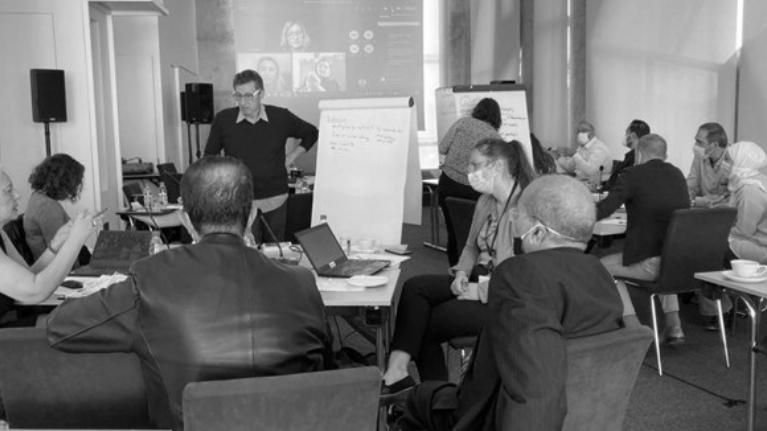
This is the report of the workshop on "Climate change, its impact on employment and labour markets" organised by the Global Union Research Network and coordinated by the ILO’s Bureau for Workers’ Activities and the International Trade Union Confederation. The aim of the workshop was to discuss academic research on the employment aspects of climate change and identify research gaps. This in turn would help the global trade union movement in its efforts to build cohesion and find creative and reliable ideas, solutions and examples to push for a socially just and environmentally sustainable society. Impacts of climate change on employment and new ‘green’ skills were among the issues addressed during the workshop.
Subject Tags:

Climate change

Slug
climate-change
Identifier
610

Green jobs

Slug
green-jobs
Identifier
623

Skills anticipation

Slug
skills-anticipation
Identifier
677

Skills re-training

Slug
skills-re-training
Identifier
655

Sustainable development

Slug
sustainable-development
Identifier
658
Regions:

Evaluación del impacto de SIMAPRO en América Latina

Evaluación del impacto de SIMAPRO en América Latina

Type:
Document
Content Type:
Evaluación del impacto de SIMAPRO en América Latina
Language:

Spanish

Slug
spanish
Identifier
skpEsp
Sources:

ILO

The International Labour Organization is the tripartite U.N. agency that promotes Decent Work through employment, social security, labour standards and social dialogue. Its work on skills development is guided by the conceptual framework on Skills to improve productivity, employment growth, and development agreed in 2008 by representatives of Governments, Employers’ Associations and Workers’ Associations. Research, policy advice, and pilot projects and technical cooperation programmes to apply good practices in different circumstances across its 185 member States aims to boost the employability of workers, the productivity and competitiveness of enterprises, and the inclusiveness of economic growth. The ILO Secretariat in offices in 40 countries works with Ministries of Labour, employers’ organizations, and trade unions to integrate skills development into national and sector development strategies in order to better meet current labour market needs and to prepare for the jobs of the future; to expand access to employment-related training so that youth, persons with disabilities and other vulnerable groups are better able to acquire skills and secure productive and decent work; and to improve the ability of public employment services to provide career guidance, maintain labour exchange services, and deliver active labour market programmes.For more information regarding the ILO’s work on skills and employability go to: http://www.ilo.org/skills/lang--en/index.htm; for ILO/Cinterfor's Knowledge Management Plarform, see: http://www.oitcinterfor.org

Thumbnail
Identifier
skpILO
Slug
ilo
Topics:

Lifelong learning

Thumbnail

There is a critical need for a greater overall investment in education and training, particularly in developing countries. Education and training investments should be closely linked to economic and employment growth strategies and programmes. Responsibility should be shared between the government (primary responsibility), enterprises, the social partners, and the individual. To make lifelong learning for all a reality, countries will need to make major reforms of their vocational and education and training systems. School-to-work schemes for young people should integrate education with workplace learning. Training systems need to become more flexible and responsive to rapidly changing skill requirements. Reforms should also focus on how learning can be facilitated, not just on training for specific occupational categories.

Identifier
skpPSLLL
Slug
lifelong-learning

Participation of employers' and workers' organizations

Thumbnail

The world of learning and the world of work are separate but linked. While one involves learning, the other produces goods and services. Neither can thrive without the other. Strong partnerships between government, employers and workers help ensure the relevance of training to the changing needs of enterprises and labour markets. 

Identifier
skpPSP
Slug
participation-of-employers-and-workers-organizations
Knowledge Products:

Evaluation reports

Analytical assessments of technical cooperation programmes and national skills and employment policies, identifying success factors of different interventions in response to particular challenges in different circumstances.

Thumbnail
Identifier
skpEvalRep
Slug
evaluation-reports
Publication Date:
15 Feb 2013

El Sistema de Medición y Avance de la Productividad (SIMAPRO) es una herramienta de gestión que permite orientar los esfuerzos de formación y aprendizaje en las organizaciones a la mejora de la productividad y las condiciones de trabajo. Se puede catalogar como una herramienta de gestión de desempeño grupal, focalizado a los objetivos estratégicos y apoyándose en el desarrollo de competencias grupales.

El propósito de este trabajo es identificar y analizar los impactos que el SIMAPRO ha tenido en sus 12 años de existencia en la región. Para llegar a este propósito se definió primero las variables que conforman el impacto. Se elaboró un modelo de tres dimensiones de impacto que sirvió de referencia para analizar las experiencias en los cuatro países mencionados: alcance cuantitativo y cualitativo; productividad y Trabajo Decente; redes de aprendizaje.

Subject Tags:

Human resources development

Slug
human-resources-development
Identifier
118

Lifelong learning

Slug
lifelong-learning
Identifier
400

Productivity

Slug
productivity
Identifier
188
Regions:

Americas

Region Image

Orientaciones de política: Impulso a la empleabilidad de los jóvenes desfavorecidos

Orientaciones de política: Impulso a la empleabilidad de los jóvenes desfavorecidos

Type:
Document
Content Type:
Orientaciones de política: Impulso a la empleabilidad de los jóvenes desfavorecidos
Language:

Spanish

Slug
spanish
Identifier
skpEsp
Sources:

ILO

The International Labour Organization is the tripartite U.N. agency that promotes Decent Work through employment, social security, labour standards and social dialogue. Its work on skills development is guided by the conceptual framework on Skills to improve productivity, employment growth, and development agreed in 2008 by representatives of Governments, Employers’ Associations and Workers’ Associations. Research, policy advice, and pilot projects and technical cooperation programmes to apply good practices in different circumstances across its 185 member States aims to boost the employability of workers, the productivity and competitiveness of enterprises, and the inclusiveness of economic growth. The ILO Secretariat in offices in 40 countries works with Ministries of Labour, employers’ organizations, and trade unions to integrate skills development into national and sector development strategies in order to better meet current labour market needs and to prepare for the jobs of the future; to expand access to employment-related training so that youth, persons with disabilities and other vulnerable groups are better able to acquire skills and secure productive and decent work; and to improve the ability of public employment services to provide career guidance, maintain labour exchange services, and deliver active labour market programmes.For more information regarding the ILO’s work on skills and employability go to: http://www.ilo.org/skills/lang--en/index.htm; for ILO/Cinterfor's Knowledge Management Plarform, see: http://www.oitcinterfor.org

Thumbnail
Identifier
skpILO
Slug
ilo
Topics:

Access to training

Thumbnail

Access for all to good quality education, vocational training and workplace learning is a fundamental principle of social cohesion and economic growth. Some groups of people may require targeted attention if they are to benefit from education, training and employment opportunities.  

This is particularly the case for disadvantaged youth, lower skilled workers, people with disabilities, and people in rural communities. The attractiveness of vocational education and training is enhanced when combined with entrepreneurship training and when public policies encourage utilization of higher skills by business. 
 

Identifier
skpATSU
Slug
access-to-training

Youth employability

Thumbnail

Globally, nearly 68 million young women and men are looking for and available for work,  and an estimated 123 million young people are working but living in poverty. The number who are not in employment, education or training (NEET) stands at 267 million, a majority of whom are young women. Significantly, young people are three times as likely as adults (25 years and older) to be unemployed.

Skills development is a primary means of enabling young people to make a smooth transition to work. A comprehensive approach is required to integrate young women and men in the labour market, including relevant and quality skills training, labour market information, career guidance and employment services, recognition of prior learning, incorporating entrepreneurship with training and effective skills forecasting. Improved basic education and core work skills are particularly important to enable youth to engage in lifelong learning as well as transition to the labour market. 

Identifier
skpYoEmp
Slug
youth-employability
Knowledge Products:

Policy and strategy

Recommendations and advice on resolving policy challenges related to skills development systems and their linkages to the world of work.  Concise syntheses of experience from the international organizations.

Thumbnail
Identifier
skpPolOp
Slug
policy-and-strategy
Publication Date:
08 Feb 2013

En esta reseña se examinan distintas formas de mejorar las oportunidades de los jóvenes de ambos sexos que se encuentran en una situación de desventaja por sus circunstancias, para incorporarse o reincorporarse al mercado de trabajo.

Subject Tags:

Disadvantaged youth

Slug
disadvantaged-youth
Identifier
663
Regions: