Gender equality

Thumbnail

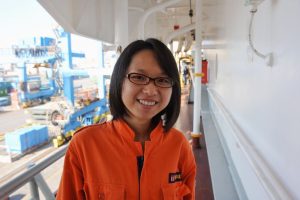
Women represent both half of the world's population – and half the world's economic potential. Their participation in the labour market reduces poverty because they often invest 90 per cent of their income in the well-being, education and nutrition of their families. Yet labour force participation by women has stagnated at about 55 per cent globally since 2010. Moreover, women are disproportionately represented in precarious work – low-paid, low-skilled and insecure jobs.

Training plays an important role in the pursuit of equality of opportunity and treatment for women and men in the world of work. Yet women often lack access to technical and vocational education and training. Many also lack the basic functional skills, such as literacy and numeracy, to participate meaningfully in the work force. Overcoming this challenge requires the adoption of a life-cycle approach. This includes improving girls’ access to basic education; overcoming logistic, economic and cultural barriers to apprenticeships and to secondary and vocational training for young women; and meeting the training needs of women re-entering the labour market and of older women who have not had equal access to opportunities for lifelong learning.

Identifier
skpGenEqul
Slug
gender-equality

World Economic Forum: The Global Gender Gap Report 2017

World Economic Forum: The Global Gender Gap Report 2017

Type:
Document
Content Type:
World Economic Forum: The Global Gender Gap Report 2017
Language:

English

Slug
english
Identifier
skpEng
Sources:

Other sources

Experts from many international, regional and national agencies generously share their views, experiences and findings on skills, helping policy-makers among other stakeholders to understand the linkages between education, training and the world of work, and how to integrate skills into national development planning to promote employment and economic growth.

Thumbnail
Identifier
skpOSource
Slug
other-sources
Topics:

Gender equality

Thumbnail

Women represent both half of the world's population – and half the world's economic potential. Their participation in the labour market reduces poverty because they often invest 90 per cent of their income in the well-being, education and nutrition of their families. Yet labour force participation by women has stagnated at about 55 per cent globally since 2010. Moreover, women are disproportionately represented in precarious work – low-paid, low-skilled and insecure jobs.

Training plays an important role in the pursuit of equality of opportunity and treatment for women and men in the world of work. Yet women often lack access to technical and vocational education and training. Many also lack the basic functional skills, such as literacy and numeracy, to participate meaningfully in the work force. Overcoming this challenge requires the adoption of a life-cycle approach. This includes improving girls’ access to basic education; overcoming logistic, economic and cultural barriers to apprenticeships and to secondary and vocational training for young women; and meeting the training needs of women re-entering the labour market and of older women who have not had equal access to opportunities for lifelong learning.

Identifier
skpGenEqul
Slug
gender-equality
Knowledge Products:

Research papers

Working papers, reports, and other publications from international organizations, academic institutions and bilateral agencies. Research findings to stimulate informed debate on skills, employment and productivity issues. 

Thumbnail
Identifier
skpRPS
Slug
research-papers
Publication Date:
03 Nov 2017
Gender parity is fundamental to whether and how economies and societies thrive. Ensuring the full development and appropriate deployment of half of the world’s total talent pool has a vast bearing on the growth, competitiveness and future-readiness of economies and businesses worldwide. The Report benchmarks 144 countries on their progress towards gender parity across four thematic dimensions: Economic Participation and Opportunity, Educational Attainment, Health and Survival, and Political Empowerment. In addition, this year’s edition also analyses the dynamics of gender gaps across industry talent pools and occupations.
Subject Tags:

Globalization

Slug
globalization
Identifier
267

Inclusion

Slug
inclusion
Identifier
665

Productivity

Slug
productivity
Identifier
188
Regions:

Promoting women’s empowerment in the Middle East and North Africa: A rapid evidence assessment of labour market interventions

Promoting women’s empowerment in the Middle East and North Africa: A rapid evidence assessment of labour market interventions

Type:
Document
Content Type:
Promoting women’s empowerment in the Middle East and North Africa: A rapid evidence assessment of labour market interventions
Language:

English

Slug
english
Identifier
skpEng
Sources:

ILO

The International Labour Organization is the tripartite U.N. agency that promotes Decent Work through employment, social security, labour standards and social dialogue. Its work on skills development is guided by the conceptual framework on Skills to improve productivity, employment growth, and development agreed in 2008 by representatives of Governments, Employers’ Associations and Workers’ Associations. Research, policy advice, and pilot projects and technical cooperation programmes to apply good practices in different circumstances across its 185 member States aims to boost the employability of workers, the productivity and competitiveness of enterprises, and the inclusiveness of economic growth. The ILO Secretariat in offices in 40 countries works with Ministries of Labour, employers’ organizations, and trade unions to integrate skills development into national and sector development strategies in order to better meet current labour market needs and to prepare for the jobs of the future; to expand access to employment-related training so that youth, persons with disabilities and other vulnerable groups are better able to acquire skills and secure productive and decent work; and to improve the ability of public employment services to provide career guidance, maintain labour exchange services, and deliver active labour market programmes.For more information regarding the ILO’s work on skills and employability go to: http://www.ilo.org/skills/lang--en/index.htm; for ILO/Cinterfor's Knowledge Management Plarform, see: http://www.oitcinterfor.org

Thumbnail
Identifier
skpILO
Slug
ilo
Topics:

Gender equality

Thumbnail

Women represent both half of the world's population – and half the world's economic potential. Their participation in the labour market reduces poverty because they often invest 90 per cent of their income in the well-being, education and nutrition of their families. Yet labour force participation by women has stagnated at about 55 per cent globally since 2010. Moreover, women are disproportionately represented in precarious work – low-paid, low-skilled and insecure jobs.

Training plays an important role in the pursuit of equality of opportunity and treatment for women and men in the world of work. Yet women often lack access to technical and vocational education and training. Many also lack the basic functional skills, such as literacy and numeracy, to participate meaningfully in the work force. Overcoming this challenge requires the adoption of a life-cycle approach. This includes improving girls’ access to basic education; overcoming logistic, economic and cultural barriers to apprenticeships and to secondary and vocational training for young women; and meeting the training needs of women re-entering the labour market and of older women who have not had equal access to opportunities for lifelong learning.

Identifier
skpGenEqul
Slug
gender-equality
Knowledge Products:

Promotional material

Presentations, discussion papers, meeting reports, promotional materials, videos, fact sheets, brochures and newsletters on skills development for employment.

Thumbnail
Identifier
skpAIM
Slug
promotional-material
Publication Date:
09 Oct 2017
Impact brief, Issue 9. The Taqeem Impact Brief Series documents how organizations measure outcomes of their employment programmes, the tools that are applied and the findings and recommendations that emerge to assist them in improving impacts and programme design. This rapid evidence assessment analyses gender equality outcomes of Active Labour Market Programmes in the Middle East and North Africa (MENA). The brief provides an overview of the existing evidence on “what works” in promoting gender equality in the MENA region by presenting results from a rapid evidence assessment (REA) of ALMPs.

Through a structured mapping of available evidence, the REA helps to identify knowledge gaps where future research might be needed. Furthermore, by analysing ten impact evaluations, it provides an overview on how gender equality aspects of ALMPs are typically measured. It shows which indicators are used to gather information on gender and labour market outcomes.

Based on the findings of the assessment, recommendations are formulated for improved measurement to better inform programme planning and implementation.

Subject Tags:

Gender

Slug
294
Identifier
294

Women

Slug
women
Identifier
318

Youth

Slug
youth
Identifier
319
Regions:

Africa

Region Image

Arab States

Region Image

ILO and the 2030 Agenda for Sustainable Development

ILO and the 2030 Agenda for Sustainable Development

Type:
Document
Content Type:
ILO and the 2030 Agenda for Sustainable Development
Language:

English

Slug
english
Identifier
skpEng
Sources:

ILO

The International Labour Organization is the tripartite U.N. agency that promotes Decent Work through employment, social security, labour standards and social dialogue. Its work on skills development is guided by the conceptual framework on Skills to improve productivity, employment growth, and development agreed in 2008 by representatives of Governments, Employers’ Associations and Workers’ Associations. Research, policy advice, and pilot projects and technical cooperation programmes to apply good practices in different circumstances across its 185 member States aims to boost the employability of workers, the productivity and competitiveness of enterprises, and the inclusiveness of economic growth. The ILO Secretariat in offices in 40 countries works with Ministries of Labour, employers’ organizations, and trade unions to integrate skills development into national and sector development strategies in order to better meet current labour market needs and to prepare for the jobs of the future; to expand access to employment-related training so that youth, persons with disabilities and other vulnerable groups are better able to acquire skills and secure productive and decent work; and to improve the ability of public employment services to provide career guidance, maintain labour exchange services, and deliver active labour market programmes.For more information regarding the ILO’s work on skills and employability go to: http://www.ilo.org/skills/lang--en/index.htm; for ILO/Cinterfor's Knowledge Management Plarform, see: http://www.oitcinterfor.org

Thumbnail
Identifier
skpILO
Slug
ilo
Topics:

Access to training

Thumbnail

Access for all to good quality education, vocational training and workplace learning is a fundamental principle of social cohesion and economic growth. Some groups of people may require targeted attention if they are to benefit from education, training and employment opportunities.  

This is particularly the case for disadvantaged youth, lower skilled workers, people with disabilities, and people in rural communities. The attractiveness of vocational education and training is enhanced when combined with entrepreneurship training and when public policies encourage utilization of higher skills by business. 
 

Identifier
skpATSU
Slug
access-to-training

Gender equality

Thumbnail

Women represent both half of the world's population – and half the world's economic potential. Their participation in the labour market reduces poverty because they often invest 90 per cent of their income in the well-being, education and nutrition of their families. Yet labour force participation by women has stagnated at about 55 per cent globally since 2010. Moreover, women are disproportionately represented in precarious work – low-paid, low-skilled and insecure jobs.

Training plays an important role in the pursuit of equality of opportunity and treatment for women and men in the world of work. Yet women often lack access to technical and vocational education and training. Many also lack the basic functional skills, such as literacy and numeracy, to participate meaningfully in the work force. Overcoming this challenge requires the adoption of a life-cycle approach. This includes improving girls’ access to basic education; overcoming logistic, economic and cultural barriers to apprenticeships and to secondary and vocational training for young women; and meeting the training needs of women re-entering the labour market and of older women who have not had equal access to opportunities for lifelong learning.

Identifier
skpGenEqul
Slug
gender-equality

Lifelong learning

Thumbnail

There is a critical need for a greater overall investment in education and training, particularly in developing countries. Education and training investments should be closely linked to economic and employment growth strategies and programmes. Responsibility should be shared between the government (primary responsibility), enterprises, the social partners, and the individual. To make lifelong learning for all a reality, countries will need to make major reforms of their vocational and education and training systems. School-to-work schemes for young people should integrate education with workplace learning. Training systems need to become more flexible and responsive to rapidly changing skill requirements. Reforms should also focus on how learning can be facilitated, not just on training for specific occupational categories.

Identifier
skpPSLLL
Slug
lifelong-learning

Other topic

Thumbnail
Identifier
skpOIssue
Slug
other-topic

People with disabilities

Thumbnail

Of an estimated 1 billion people with disabilities in the world today, some 785 million are of working age. While many are successfully employed and fully integrated into society, most face a disproportionate level of poverty and unemployment. This is a massive loss both to them and their countries. A strategy of including people with disabilities in training and employment promotion policies, combined with targeted supports to ensure their participation, can help disabled persons obtain productive mainstream employment.

Identifier
skpPeoDis
Slug
people-with-disabilities

Youth employability

Thumbnail

Globally, nearly 68 million young women and men are looking for and available for work,  and an estimated 123 million young people are working but living in poverty. The number who are not in employment, education or training (NEET) stands at 267 million, a majority of whom are young women. Significantly, young people are three times as likely as adults (25 years and older) to be unemployed.

Skills development is a primary means of enabling young people to make a smooth transition to work. A comprehensive approach is required to integrate young women and men in the labour market, including relevant and quality skills training, labour market information, career guidance and employment services, recognition of prior learning, incorporating entrepreneurship with training and effective skills forecasting. Improved basic education and core work skills are particularly important to enable youth to engage in lifelong learning as well as transition to the labour market. 

Identifier
skpYoEmp
Slug
youth-employability
Knowledge Products:

Promotional material

Presentations, discussion papers, meeting reports, promotional materials, videos, fact sheets, brochures and newsletters on skills development for employment.

Thumbnail
Identifier
skpAIM
Slug
promotional-material
Publication Date:
31 Aug 2017
This interactive tool allows you to choose a goal and learn how the ILO's mandate to promote social justice is helping to achieve each of the Sustainable Development Goals. The 2030 Agenda places Decent Work for all at the heart of policies for sustainable and inclusive growth and development.

Explore this interactive visual, available via the link provided below, and learn how the ILO's mandate to promote social justice is helping to achieve each of the Sustainable Development Goals.
Subject Tags:

Employability

Slug
employability
Identifier
643

Inclusion

Slug
inclusion
Identifier
665

Lifelong learning

Slug
lifelong-learning
Identifier
400

Public private partnerships

Slug
public-private-partnerships
Identifier
138

Sustainable development

Slug
sustainable-development
Identifier
658
Regions:

Mozambique: Story from the field: Tina, a Master from Katapua

Mozambique: Story from the field: Tina, a Master from Katapua

Type:
Document
Content Type:
Mozambique: Story from the field: Tina, a Master from Katapua
Language:

English

Slug
english
Identifier
skpEng
Sources:

ILO

The International Labour Organization is the tripartite U.N. agency that promotes Decent Work through employment, social security, labour standards and social dialogue. Its work on skills development is guided by the conceptual framework on Skills to improve productivity, employment growth, and development agreed in 2008 by representatives of Governments, Employers’ Associations and Workers’ Associations. Research, policy advice, and pilot projects and technical cooperation programmes to apply good practices in different circumstances across its 185 member States aims to boost the employability of workers, the productivity and competitiveness of enterprises, and the inclusiveness of economic growth. The ILO Secretariat in offices in 40 countries works with Ministries of Labour, employers’ organizations, and trade unions to integrate skills development into national and sector development strategies in order to better meet current labour market needs and to prepare for the jobs of the future; to expand access to employment-related training so that youth, persons with disabilities and other vulnerable groups are better able to acquire skills and secure productive and decent work; and to improve the ability of public employment services to provide career guidance, maintain labour exchange services, and deliver active labour market programmes.For more information regarding the ILO’s work on skills and employability go to: http://www.ilo.org/skills/lang--en/index.htm; for ILO/Cinterfor's Knowledge Management Plarform, see: http://www.oitcinterfor.org

Thumbnail
Identifier
skpILO
Slug
ilo
Topics:

Gender equality

Thumbnail

Women represent both half of the world's population – and half the world's economic potential. Their participation in the labour market reduces poverty because they often invest 90 per cent of their income in the well-being, education and nutrition of their families. Yet labour force participation by women has stagnated at about 55 per cent globally since 2010. Moreover, women are disproportionately represented in precarious work – low-paid, low-skilled and insecure jobs.

Training plays an important role in the pursuit of equality of opportunity and treatment for women and men in the world of work. Yet women often lack access to technical and vocational education and training. Many also lack the basic functional skills, such as literacy and numeracy, to participate meaningfully in the work force. Overcoming this challenge requires the adoption of a life-cycle approach. This includes improving girls’ access to basic education; overcoming logistic, economic and cultural barriers to apprenticeships and to secondary and vocational training for young women; and meeting the training needs of women re-entering the labour market and of older women who have not had equal access to opportunities for lifelong learning.

Identifier
skpGenEqul
Slug
gender-equality

Training quality and relevance

Thumbnail
Identifier
skpTrainQR
Slug
training-quality-and-relevance
Knowledge Products:

Case studies and good practices

Case studies that document good practices and illustrate the benefits and lessons learnt of particular approaches or methods in real practice. 

Thumbnail
Identifier
skpCaseStdy
Slug
case-studies-and-good-practices
Publication Date:
23 Aug 2017
In the north of Mozambique, the Norway–ILO partnership is active in Cabo Delgado Province, the third poorest province in the country. It is here where the partnership helps unemployed and underemployed young women and men from rural communities to acquire the skills needed to obtain decent and productive work. The use of “Mestres”, experienced technical professionals/entrepreneurs from the rural communities, as trainers has emerged as a fundamental strategy to achieve the results set out by the partnership programme.
Subject Tags:

Access to training

Slug
access-to-training
Identifier
683

Agriculture

Slug
agriculture
Identifier
225

Globalization

Slug
globalization
Identifier
267

Rural employment

Slug
rural-employment
Identifier
670
Regions:

Africa

Region Image
Countries and territories:

Cracking the code: Girls' Education in STEM

Cracking the code: Girls' Education in STEM

Kind:
Event
Start Date:
28 Aug 2017
End Date:
17 Jun 2026
Event Location:
Bangkok, Thailand
EventType:
Language:

English

Slug
english
Identifier
skpEng
Language Version:
--
Sources:

Information is gathered from other international organizations that promote skills development and the transition from education and training to work. The Interagency Group on Technical and Vocational Education and Training (IAG-TVET) was established in 2009 to share research findings, coordinate joint research endeavours, and improve collaboration among organizations working at the international and national levels.

Thumbnail
Identifier
skpIntOrg
Slug
international-organizations
Topics:

Gender equality

Thumbnail

Women represent both half of the world's population – and half the world's economic potential. Their participation in the labour market reduces poverty because they often invest 90 per cent of their income in the well-being, education and nutrition of their families. Yet labour force participation by women has stagnated at about 55 per cent globally since 2010. Moreover, women are disproportionately represented in precarious work – low-paid, low-skilled and insecure jobs.

Training plays an important role in the pursuit of equality of opportunity and treatment for women and men in the world of work. Yet women often lack access to technical and vocational education and training. Many also lack the basic functional skills, such as literacy and numeracy, to participate meaningfully in the work force. Overcoming this challenge requires the adoption of a life-cycle approach. This includes improving girls’ access to basic education; overcoming logistic, economic and cultural barriers to apprenticeships and to secondary and vocational training for young women; and meeting the training needs of women re-entering the labour market and of older women who have not had equal access to opportunities for lifelong learning.

Identifier
skpGenEqul
Slug
gender-equality
Knowledge Products:

Promotional material

Presentations, discussion papers, meeting reports, promotional materials, videos, fact sheets, brochures and newsletters on skills development for employment.

Thumbnail
Identifier
skpAIM
Slug
promotional-material

Why does this gender gap exist and how can it be addressed? The UNESCO Forum will provide platform for debate and hands-on learning to: present latest findings from research and practice; facilitate policy dialogue, experience-sharing and networking, and; make the case for strengthening girls’ education in STEM subjects.

Girls and women face multiple challenges that compromise their education opportunities. One area of longstanding concern is the low rate of female participation in science, technology, engineering and mathematics (STEM) education and consequently STEM careers. This is a major concern, as STEM careers are often called ‘jobs of the future,’ driving social and personal well-being, inclusive growth and sustainable development, through innovation and creativity.

Why does this gender gap exist and how can it be addressed? The UNESCO International Symposium and Policy Forum will be organized over three days, serving as a platform for debate and hands-on learning, seeking to:

• Present latest findings from research and practice

• Facilitate policy dialogue, experience-sharing and networking

• Make the case for strengthening girls’ education in STEM subjects

The programme will be based on the overarching theme of girls’ education in STEM, with four sub-themes/tracks:

1. Building the foundations: Gender-responsive quality STEM education

2. Changing the equation: Addressing stereotypes and bias hindering girls’ participation

3. Gravitating into the field: Reaching out, engaging and empowering girls and women

4. Wiring the network: Partnerships, cross-sector learning and cooperation

This event will bring together over 200 delegates including: the Ministry of education and other officials; education practitioners and educators; researchers and experts; representatives of intergovernmental and non-governmental organizations; development partners; civil society representatives; private sector stakeholders and others.

Subject Tags:

Access to training

Slug
access-to-training
Identifier
683

Women

Slug
women
Identifier
318
Regions:
Countries and territories:
Economic groups:
--

Quebrando el código: Educación de las niñas en STEM

Quebrando el código: Educación de las niñas en STEM

Kind:
Event
Start Date:
28 Aug 2017
End Date:
17 Jun 2026
Event Location:
EventType:
Language:

Spanish

Slug
spanish
Identifier
skpEsp
Language Version:
--
Sources:

Information is gathered from other international organizations that promote skills development and the transition from education and training to work. The Interagency Group on Technical and Vocational Education and Training (IAG-TVET) was established in 2009 to share research findings, coordinate joint research endeavours, and improve collaboration among organizations working at the international and national levels.

Thumbnail
Identifier
skpIntOrg
Slug
international-organizations
Topics:

Gender equality

Thumbnail

Women represent both half of the world's population – and half the world's economic potential. Their participation in the labour market reduces poverty because they often invest 90 per cent of their income in the well-being, education and nutrition of their families. Yet labour force participation by women has stagnated at about 55 per cent globally since 2010. Moreover, women are disproportionately represented in precarious work – low-paid, low-skilled and insecure jobs.

Training plays an important role in the pursuit of equality of opportunity and treatment for women and men in the world of work. Yet women often lack access to technical and vocational education and training. Many also lack the basic functional skills, such as literacy and numeracy, to participate meaningfully in the work force. Overcoming this challenge requires the adoption of a life-cycle approach. This includes improving girls’ access to basic education; overcoming logistic, economic and cultural barriers to apprenticeships and to secondary and vocational training for young women; and meeting the training needs of women re-entering the labour market and of older women who have not had equal access to opportunities for lifelong learning.

Identifier
skpGenEqul
Slug
gender-equality
Knowledge Products:

Educación de las niñas y las mujeres

¿Por qué tanta diferencia entre los géneros y cómo solucionarla? Durante tres días tendrá lugar el Coloquio internacional y el Foro sobre Políticas de la UNESCO y ambos eventos se convertirán en plataformas de debates y de aprendizaje práctico con miras a: .

• presentar los últimos resultados investigativos y prácticos.

• facilitar el diálogo sobre las políticas, compartir las experiencias y plasmarlas en las redes.

• lograr que se reconozca la necesidad de reforzar la educación de las niñas en los tópicos vinculados a las STEM.

El programa se basa en el tema general de la educación de las niñas en materia de las STEM centrado en cuatro subtópicos o ejes temáticos: .

1. Sentar las bases: una educación en el ámbito de las STEM de calidad que tome en cuenta las cuestiones de género.

2. Cambiar la ecuación: abordar los estereotipos y los prejuicios que impiden la participación plena de las niñas.

3. Gravitar en este ámbito: dirigirse hacia, comprometerse y empoderar a las niñas y a las mujeres.

4. Conectarse a la red: alianzas, aprendizaje intersectorial y colaboración.

Este evento congregará a más de 200 delegados, entre los que figuran representantes del Ministerio de Educación y otros altos responsables, profesionales del sector educativo y docentes; investigadores y especialistas, representantes de organizaciones intergubernamentales y no gubernamentales; asociados del ámbito del desarrollo, representantes de la sociedad civil; responsables del sector privado y otros.

Subject Tags:
Regions:
Countries and territories:
Economic groups:
--

Déchiffrer le code: l'éducation des filles en STEM

Déchiffrer le code: l'éducation des filles en STEM

Kind:
Event
Start Date:
28 Aug 2017
End Date:
17 Jun 2026
Event Location:
Bangkok, Thaïland
EventType:
Language:

French

Slug
french
Identifier
skpFrn
Language Version:
--
Sources:

Information is gathered from other international organizations that promote skills development and the transition from education and training to work. The Interagency Group on Technical and Vocational Education and Training (IAG-TVET) was established in 2009 to share research findings, coordinate joint research endeavours, and improve collaboration among organizations working at the international and national levels.

Thumbnail
Identifier
skpIntOrg
Slug
international-organizations
Topics:

Gender equality

Thumbnail

Women represent both half of the world's population – and half the world's economic potential. Their participation in the labour market reduces poverty because they often invest 90 per cent of their income in the well-being, education and nutrition of their families. Yet labour force participation by women has stagnated at about 55 per cent globally since 2010. Moreover, women are disproportionately represented in precarious work – low-paid, low-skilled and insecure jobs.

Training plays an important role in the pursuit of equality of opportunity and treatment for women and men in the world of work. Yet women often lack access to technical and vocational education and training. Many also lack the basic functional skills, such as literacy and numeracy, to participate meaningfully in the work force. Overcoming this challenge requires the adoption of a life-cycle approach. This includes improving girls’ access to basic education; overcoming logistic, economic and cultural barriers to apprenticeships and to secondary and vocational training for young women; and meeting the training needs of women re-entering the labour market and of older women who have not had equal access to opportunities for lifelong learning.

Identifier
skpGenEqul
Slug
gender-equality
Knowledge Products:

Promotional material

Presentations, discussion papers, meeting reports, promotional materials, videos, fact sheets, brochures and newsletters on skills development for employment.

Thumbnail
Identifier
skpAIM
Slug
promotional-material

Éducation des filles et des femmes

Les filles et les femmes font face à de multiples défis qui compromettent leurs possibilités d'éducation. Un domaine de préoccupation de longue date est le faible taux de participation des femmes dans les sciences, la technologie, l'ingénierie et les mathématiques (STEM) et, par conséquent, dans les carrières liées aux STEM. Il s’agit d’une préoccupation importante car les carrières dans ce domaine sont souvent évoquées comme les « emplois de demain », génératrices de bien-être social et individuel, de croissance inclusive et de développement durable, à travers l'innovation et la créativité.

Pourquoi un tel écart entre les genres et comment y remédier ? Le Colloque international et le Forum sur les politiques de l'UNESCO seront organisés sur trois jours et constitueront des plates-formes de débat et d'apprentissage pratique en vue de:

• présenter les derniers résultats de la recherche et de la pratique.

• faciliter le dialogue sur les politiques, le partage des expériences et la mise en réseau.

• faire reconnaître la nécessité de renforcer l'éducation des filles dans les sujets liés aux STEM.

Le programme sera basé sur le thème général de l'éducation des filles dans les STEM, avec quatre sous-thèmes / axes: .

1. Construire les fondations : une éducation STEM de qualité tenant compte du genre.

2. Changer l’équation: aborder les stéréotypes et les préjugés entravant la participation des filles.

3. Graviter dans le domaine : aller vers, engager et autonomiser les filles et les femmes.

4. Câbler le réseau: partenariats, apprentissage intersectoriel et coopération.

Cet événement réunira plus de 200 délégués, dont des représentants du Ministère de l’éducation et d’autres hauts responsables, des professionnels de l’éducation et des éducateurs; des chercheurs et des spécialistes, des représentants d’organisations intergouvernementales et non gouvernementales ; des partenaires du développement, des représentants de la société civile ; des acteurs du secteur privé et autres.

Subject Tags:

Access to training

Slug
access-to-training
Identifier
683

Women

Slug
women
Identifier
318
Regions:
Countries and territories:
Economic groups:
--

Summary report - E-Discussion entitled "Be Bold For Change — Inclusive Growth through Skills Development"

Summary report - E-Discussion entitled "Be Bold For Change — Inclusive Growth through Skills Development"

Type:
Document
Content Type:
Summary report - E-Discussion entitled "Be Bold For Change — Inclusive Growth through Skills Development"
Language:

English

Slug
english
Identifier
skpEng
Sources:

ILO

The International Labour Organization is the tripartite U.N. agency that promotes Decent Work through employment, social security, labour standards and social dialogue. Its work on skills development is guided by the conceptual framework on Skills to improve productivity, employment growth, and development agreed in 2008 by representatives of Governments, Employers’ Associations and Workers’ Associations. Research, policy advice, and pilot projects and technical cooperation programmes to apply good practices in different circumstances across its 185 member States aims to boost the employability of workers, the productivity and competitiveness of enterprises, and the inclusiveness of economic growth. The ILO Secretariat in offices in 40 countries works with Ministries of Labour, employers’ organizations, and trade unions to integrate skills development into national and sector development strategies in order to better meet current labour market needs and to prepare for the jobs of the future; to expand access to employment-related training so that youth, persons with disabilities and other vulnerable groups are better able to acquire skills and secure productive and decent work; and to improve the ability of public employment services to provide career guidance, maintain labour exchange services, and deliver active labour market programmes.For more information regarding the ILO’s work on skills and employability go to: http://www.ilo.org/skills/lang--en/index.htm; for ILO/Cinterfor's Knowledge Management Plarform, see: http://www.oitcinterfor.org

Thumbnail
Identifier
skpILO
Slug
ilo
Topics:

Access to training

Thumbnail

Access for all to good quality education, vocational training and workplace learning is a fundamental principle of social cohesion and economic growth. Some groups of people may require targeted attention if they are to benefit from education, training and employment opportunities.  

This is particularly the case for disadvantaged youth, lower skilled workers, people with disabilities, and people in rural communities. The attractiveness of vocational education and training is enhanced when combined with entrepreneurship training and when public policies encourage utilization of higher skills by business. 
 

Identifier
skpATSU
Slug
access-to-training

Anticipating and matching skills needs

Thumbnail

Anticipating and building skills for the future is essential to a rapidly changing labour market. This applies to changes in the types and levels of skills needed as well as in occupational and technical areas. Effective methods to anticipate future skills needs and avoid potential mismatches include: sustained dialogue between employers and trainers, coordination across government institutions, labour market information systems, employment services and performance reviews of training institutions. 

Identifier
skpAFSN
Slug
anticipating-and-matching-skills-needs

Gender equality

Thumbnail

Women represent both half of the world's population – and half the world's economic potential. Their participation in the labour market reduces poverty because they often invest 90 per cent of their income in the well-being, education and nutrition of their families. Yet labour force participation by women has stagnated at about 55 per cent globally since 2010. Moreover, women are disproportionately represented in precarious work – low-paid, low-skilled and insecure jobs.

Training plays an important role in the pursuit of equality of opportunity and treatment for women and men in the world of work. Yet women often lack access to technical and vocational education and training. Many also lack the basic functional skills, such as literacy and numeracy, to participate meaningfully in the work force. Overcoming this challenge requires the adoption of a life-cycle approach. This includes improving girls’ access to basic education; overcoming logistic, economic and cultural barriers to apprenticeships and to secondary and vocational training for young women; and meeting the training needs of women re-entering the labour market and of older women who have not had equal access to opportunities for lifelong learning.

Identifier
skpGenEqul
Slug
gender-equality
Knowledge Products:

Other knowledge products

Thumbnail
Identifier
skpOProduct
Slug
other-knowledge-products
Publication Date:
27 Apr 2017
This document summarizes of the E-Discussion entitled "Be Bold For Change — Inclusive Growth through Skills Development", hosted on the Global Skills for Employment Knowledge Sharing Platform (Global KSP) from 6 to 17 March 2017.
Subject Tags:

Access to training

Slug
access-to-training
Identifier
683

Inclusion

Slug
inclusion
Identifier
665

Skills and training policy

Slug
skills-and-training-policy
Identifier
666

Technology

Slug
technology
Identifier
345

TVET systems

Slug
tvet-systems
Identifier
661

Women

Slug
women
Identifier
318

Youth

Slug
youth
Identifier
319
Regions:

Pathways to equity: Narrowing the Wage Gap by Improving Women’s Access to Good Middle-Skill Jobs

Pathways to equity: Narrowing the Wage Gap by Improving Women’s Access to Good Middle-Skill Jobs

Type:
Document
Content Type:
Pathways to equity: Narrowing the Wage Gap by Improving Women’s Access to Good Middle-Skill Jobs
Language:

English

Slug
english
Identifier
skpEng
Sources:

Other sources

Experts from many international, regional and national agencies generously share their views, experiences and findings on skills, helping policy-makers among other stakeholders to understand the linkages between education, training and the world of work, and how to integrate skills into national development planning to promote employment and economic growth.

Thumbnail
Identifier
skpOSource
Slug
other-sources
Topics:

Gender equality

Thumbnail

Women represent both half of the world's population – and half the world's economic potential. Their participation in the labour market reduces poverty because they often invest 90 per cent of their income in the well-being, education and nutrition of their families. Yet labour force participation by women has stagnated at about 55 per cent globally since 2010. Moreover, women are disproportionately represented in precarious work – low-paid, low-skilled and insecure jobs.

Training plays an important role in the pursuit of equality of opportunity and treatment for women and men in the world of work. Yet women often lack access to technical and vocational education and training. Many also lack the basic functional skills, such as literacy and numeracy, to participate meaningfully in the work force. Overcoming this challenge requires the adoption of a life-cycle approach. This includes improving girls’ access to basic education; overcoming logistic, economic and cultural barriers to apprenticeships and to secondary and vocational training for young women; and meeting the training needs of women re-entering the labour market and of older women who have not had equal access to opportunities for lifelong learning.

Identifier
skpGenEqul
Slug
gender-equality
Knowledge Products:

Research papers

Working papers, reports, and other publications from international organizations, academic institutions and bilateral agencies. Research findings to stimulate informed debate on skills, employment and productivity issues. 

Thumbnail
Identifier
skpRPS
Slug
research-papers
Publication Date:
14 Mar 2017
This report addresses women’s access to well-paid, growing, middle-skill jobs (jobs that do not require a bachelor’s degree). It documents sex segregation in middle-skill jobs, and discusses how gender integration of good jobs could both reduce skill-shortages and improve women’s economic security. The report focuses on middle-skilled “target” occupations in manufacturing, information technology, and transportation, distribution, and logistics that have high projected job openings and that typically employ few women.
Subject Tags:

Employability

Slug
employability
Identifier
643

Globalization

Slug
globalization
Identifier
267

Low skilled workers

Slug
low-skilled-workers
Identifier
650

Women

Slug
women
Identifier
318
Regions:

Americas

Region Image
Countries and territories:

The GEMM pilot project in Jordan: Retail sales training programme at Zarqa Vocational Training Institute for Women and Girls

The GEMM pilot project in Jordan: Retail sales training programme at Zarqa Vocational Training Institute for Women and Girls

Type:
Document
Content Type:
The GEMM pilot project in Jordan: Retail sales training programme at Zarqa Vocational Training Institute for Women and Girls
Language:

English

Slug
english
Identifier
skpEng
Sources:

Other sources

Experts from many international, regional and national agencies generously share their views, experiences and findings on skills, helping policy-makers among other stakeholders to understand the linkages between education, training and the world of work, and how to integrate skills into national development planning to promote employment and economic growth.

Thumbnail
Identifier
skpOSource
Slug
other-sources
Topics:

Gender equality

Thumbnail

Women represent both half of the world's population – and half the world's economic potential. Their participation in the labour market reduces poverty because they often invest 90 per cent of their income in the well-being, education and nutrition of their families. Yet labour force participation by women has stagnated at about 55 per cent globally since 2010. Moreover, women are disproportionately represented in precarious work – low-paid, low-skilled and insecure jobs.

Training plays an important role in the pursuit of equality of opportunity and treatment for women and men in the world of work. Yet women often lack access to technical and vocational education and training. Many also lack the basic functional skills, such as literacy and numeracy, to participate meaningfully in the work force. Overcoming this challenge requires the adoption of a life-cycle approach. This includes improving girls’ access to basic education; overcoming logistic, economic and cultural barriers to apprenticeships and to secondary and vocational training for young women; and meeting the training needs of women re-entering the labour market and of older women who have not had equal access to opportunities for lifelong learning.

Identifier
skpGenEqul
Slug
gender-equality
Knowledge Products:

Case studies and good practices

Case studies that document good practices and illustrate the benefits and lessons learnt of particular approaches or methods in real practice. 

Thumbnail
Identifier
skpCaseStdy
Slug
case-studies-and-good-practices

Promotional material

Presentations, discussion papers, meeting reports, promotional materials, videos, fact sheets, brochures and newsletters on skills development for employment.

Thumbnail
Identifier
skpAIM
Slug
promotional-material
Publication Date:
07 Mar 2017
This pilot project is developed in the context of the EU funded GEMM - Governance for Employability in the Mediterranean project that the ETF (European Training Foundation) implements in the countries of the Southern and Eastern Mediterranean. This project aims at supporting local VET partners and stakeholders to cooperate better to increase the employability of young people and women in the Al-Zarqa Governorate.

The project aims at developing and implementing an apprenticeship training programme in the retail trade sector for female employment.

Project partners include: E-TVET council, Vocational Training Corporation (VTC); CAQA Center of Accreditation and Quality Assurance, Jordan Career Education Foundation/ JCEF, International Youth Foundation, International Labour organization/ILO, Labour Union, Chamber of commerce and local employers in the sector.
Subject Tags:

Apprenticeships

Slug
apprenticeships
Identifier
639

Employability

Slug
employability
Identifier
643

Women

Slug
women
Identifier
318
Regions:

Arab States

Region Image
Countries and territories: