Africa

Region Image

Créer des compétences locales pour des emplois locaux en Tunisie (Video)

Créer des compétences locales pour des emplois locaux en Tunisie (Video)

Type:
Document
Content Type:
Créer des compétences locales pour des emplois locaux en Tunisie (Video)
Language:

French

Slug
french
Identifier
skpFrn
Sources:

ILO

The International Labour Organization is the tripartite U.N. agency that promotes Decent Work through employment, social security, labour standards and social dialogue. Its work on skills development is guided by the conceptual framework on Skills to improve productivity, employment growth, and development agreed in 2008 by representatives of Governments, Employers’ Associations and Workers’ Associations. Research, policy advice, and pilot projects and technical cooperation programmes to apply good practices in different circumstances across its 185 member States aims to boost the employability of workers, the productivity and competitiveness of enterprises, and the inclusiveness of economic growth. The ILO Secretariat in offices in 40 countries works with Ministries of Labour, employers’ organizations, and trade unions to integrate skills development into national and sector development strategies in order to better meet current labour market needs and to prepare for the jobs of the future; to expand access to employment-related training so that youth, persons with disabilities and other vulnerable groups are better able to acquire skills and secure productive and decent work; and to improve the ability of public employment services to provide career guidance, maintain labour exchange services, and deliver active labour market programmes.For more information regarding the ILO’s work on skills and employability go to: http://www.ilo.org/skills/lang--en/index.htm; for ILO/Cinterfor's Knowledge Management Plarform, see: http://www.oitcinterfor.org

Thumbnail
Identifier
skpILO
Slug
ilo
Topics:

Rural employment

Thumbnail

Eight out of 10 of the world’s working poor who live on US $1.25 per day live in rural areas, where many are caught in vulnerable employment, especially in agriculture.Flourishing rural areas are vital to regional and national development. Yet, rural economies tend to face a wide range of challenges that urban areas are more likely to overcome. These include access to transportation, sanitation and health services, and a consumer base in close proximity to support small and medium enterprise development. Women and men working in rural areas also face difficulties associated with a paucity of economic opportunities, under investment, poor infrastructure and public services, including education, and, in many cases, weak governance and underdeveloped markets.

Education, entrepreneurship, and physical and social infrastructure all play an important role in developing rural regions. Skills are central to improving employability and livelihood opportunities, reducing poverty, enhancing productivity and promoting environmentally sustainable development.

Identifier
skpREmpl
Slug
rural-employment
Knowledge Products:

Promotional material

Presentations, discussion papers, meeting reports, promotional materials, videos, fact sheets, brochures and newsletters on skills development for employment.

Thumbnail
Identifier
skpAIM
Slug
promotional-material
Publication Date:
20 Jun 2016

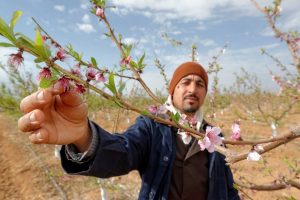
Le Programme d’appui au développement des zones défavorisées (AZD) de l’OIT en Tunisie financé par l’Union Européenne a mis en place des formations d’ouvriers agricoles dans la ville de Regueb. Il s’agissait de combler l’absence de formations existantes dans ce domaine, ce qui ne permettait pas aux habitants de la région, à la terre pourtant fertile, de tirer profit des possibilités offertes en matière d’emplois.

Subject Tags:

Agriculture

Slug
agriculture
Identifier
225

Skills re-training

Slug
skills-re-training
Identifier
655

Vocational training

Slug
vocational-training
Identifier
124
Regions:

Africa

Region Image
Countries and territories:

Skill use, skill deficits, and firm performance in formal sector enterprises: Evidence from the Tanzania enterprise skills survey, 2015

Skill use, skill deficits, and firm performance in formal sector enterprises: Evidence from the Tanzania enterprise skills survey, 2015

Type:
Document
Content Type:
Skill use, skill deficits, and firm performance in formal sector enterprises: Evidence from the Tanzania enterprise skills survey, 2015
Language:

English

Slug
english
Identifier
skpEng
Sources:

Information is gathered from other international organizations that promote skills development and the transition from education and training to work. The Interagency Group on Technical and Vocational Education and Training (IAG-TVET) was established in 2009 to share research findings, coordinate joint research endeavours, and improve collaboration among organizations working at the international and national levels.

Thumbnail
Identifier
skpIntOrg
Slug
international-organizations
Topics:

Training quality and relevance

Thumbnail
Identifier
skpTrainQR
Slug
training-quality-and-relevance
Knowledge Products:

Research papers

Working papers, reports, and other publications from international organizations, academic institutions and bilateral agencies. Research findings to stimulate informed debate on skills, employment and productivity issues. 

Thumbnail
Identifier
skpRPS
Slug
research-papers
Publication Date:
16 Jun 2016
Inadequacies in Tanzania’s education and training systems compromise the quality of workforce skills, giving rise to skill shortages, and constraining the operations and growth of formal sector firms in the country. This study addressed these concerns using data from a unique Enterprise Skills Survey that asked Tanzanian employers about the education, training, and occupational mix of their workforce, the skill gaps in cognitive, noncognitive, and job-specific competencies affecting their operations, and the strategies they are using to overcome these skill gaps. The study investigates the consequences for firm productivity of employers’ choices about their optimal skills mix, and their strategies to mitigate shortfalls in skills supply.
Subject Tags:

Skills mismatch

Slug
skills-mismatch
Identifier
654

Skills upgrading

Slug
skills-upgrading
Identifier
657

Survey

Slug
survey
Identifier
611
Regions:

Africa

Region Image
Countries and territories:

Skills for youth employment and rural development programme in Zimbabwe: An assessment of firms in economic subsectors

Skills for youth employment and rural development programme in Zimbabwe: An assessment of firms in economic subsectors

Type:
Document
Content Type:
Skills for youth employment and rural development programme in Zimbabwe: An assessment of firms in economic subsectors
Language:

English

Slug
english
Identifier
skpEng
Sources:

ILO

The International Labour Organization is the tripartite U.N. agency that promotes Decent Work through employment, social security, labour standards and social dialogue. Its work on skills development is guided by the conceptual framework on Skills to improve productivity, employment growth, and development agreed in 2008 by representatives of Governments, Employers’ Associations and Workers’ Associations. Research, policy advice, and pilot projects and technical cooperation programmes to apply good practices in different circumstances across its 185 member States aims to boost the employability of workers, the productivity and competitiveness of enterprises, and the inclusiveness of economic growth. The ILO Secretariat in offices in 40 countries works with Ministries of Labour, employers’ organizations, and trade unions to integrate skills development into national and sector development strategies in order to better meet current labour market needs and to prepare for the jobs of the future; to expand access to employment-related training so that youth, persons with disabilities and other vulnerable groups are better able to acquire skills and secure productive and decent work; and to improve the ability of public employment services to provide career guidance, maintain labour exchange services, and deliver active labour market programmes.For more information regarding the ILO’s work on skills and employability go to: http://www.ilo.org/skills/lang--en/index.htm; for ILO/Cinterfor's Knowledge Management Plarform, see: http://www.oitcinterfor.org

Thumbnail
Identifier
skpILO
Slug
ilo
Topics:

Rural employment

Thumbnail

Eight out of 10 of the world’s working poor who live on US $1.25 per day live in rural areas, where many are caught in vulnerable employment, especially in agriculture.Flourishing rural areas are vital to regional and national development. Yet, rural economies tend to face a wide range of challenges that urban areas are more likely to overcome. These include access to transportation, sanitation and health services, and a consumer base in close proximity to support small and medium enterprise development. Women and men working in rural areas also face difficulties associated with a paucity of economic opportunities, under investment, poor infrastructure and public services, including education, and, in many cases, weak governance and underdeveloped markets.

Education, entrepreneurship, and physical and social infrastructure all play an important role in developing rural regions. Skills are central to improving employability and livelihood opportunities, reducing poverty, enhancing productivity and promoting environmentally sustainable development.

Identifier
skpREmpl
Slug
rural-employment

Youth employability

Thumbnail

Globally, nearly 68 million young women and men are looking for and available for work,  and an estimated 123 million young people are working but living in poverty. The number who are not in employment, education or training (NEET) stands at 267 million, a majority of whom are young women. Significantly, young people are three times as likely as adults (25 years and older) to be unemployed.

Skills development is a primary means of enabling young people to make a smooth transition to work. A comprehensive approach is required to integrate young women and men in the labour market, including relevant and quality skills training, labour market information, career guidance and employment services, recognition of prior learning, incorporating entrepreneurship with training and effective skills forecasting. Improved basic education and core work skills are particularly important to enable youth to engage in lifelong learning as well as transition to the labour market. 

Identifier
skpYoEmp
Slug
youth-employability
Knowledge Products:

Research papers

Working papers, reports, and other publications from international organizations, academic institutions and bilateral agencies. Research findings to stimulate informed debate on skills, employment and productivity issues. 

Thumbnail
Identifier
skpRPS
Slug
research-papers
Publication Date:
07 Jun 2016
ILO Skills for Youth Employment and Rural Development Programme in Zimbabwe. The programme was funded by the Government of Denmark and implemented by the International Labour Organization. The goals of this subsector analysis study are to have a better appreciation of the efficacy of the initiatives being implemented under both the Training for Rural Economic Empowerment (TREE) and the Quality Improvements In Informal Apprenticeships (QIA) methodologies that were applied in the implementation of the ILO Skills for Youth Employment and Rural Development Programme in Zimbabwe. The study seeks to establish if: the programme was successful in enhancing young people’s skills for employment; employment opportunities were created; and if youth business ventures were viable as a result of young men and women participating in the programme. It was also anticipated that the study would yield key lessons and best practices that would inform future programming.

The study used a mixed methodology, employing document review, interviews and focus group discussions with beneficiaries, as well as in-depth interviews with the programme’s managers and implementers, as data collection methods.

The skills component of the programme proved vital for the success of the various initiatives profiled in this study. In conclusion, drawing on the empirical evidence and subsequent analysis the youth empowerment initiatives implemented by the skills programme were found to be effective. With evidence of improvements in income and subsequent improvement in quality of life among the beneficiaries of the training programme the initiative’s relevance was clearly demonstrated.
Subject Tags:

Apprenticeships

Slug
apprenticeships
Identifier
639

Rural employment

Slug
rural-employment
Identifier
670

Vocational training

Slug
vocational-training
Identifier
124
Regions:

Africa

Region Image
Countries and territories:

Skills for Trade and Economic Diversification (STED) in Egypt the case of the: Food processing sector

Skills for Trade and Economic Diversification (STED) in Egypt the case of the: Food processing sector

Type:
Document
Content Type:
Skills for Trade and Economic Diversification (STED) in Egypt the case of the: Food processing sector
Language:

English

Slug
english
Identifier
skpEng
Sources:

ILO

The International Labour Organization is the tripartite U.N. agency that promotes Decent Work through employment, social security, labour standards and social dialogue. Its work on skills development is guided by the conceptual framework on Skills to improve productivity, employment growth, and development agreed in 2008 by representatives of Governments, Employers’ Associations and Workers’ Associations. Research, policy advice, and pilot projects and technical cooperation programmes to apply good practices in different circumstances across its 185 member States aims to boost the employability of workers, the productivity and competitiveness of enterprises, and the inclusiveness of economic growth. The ILO Secretariat in offices in 40 countries works with Ministries of Labour, employers’ organizations, and trade unions to integrate skills development into national and sector development strategies in order to better meet current labour market needs and to prepare for the jobs of the future; to expand access to employment-related training so that youth, persons with disabilities and other vulnerable groups are better able to acquire skills and secure productive and decent work; and to improve the ability of public employment services to provide career guidance, maintain labour exchange services, and deliver active labour market programmes.For more information regarding the ILO’s work on skills and employability go to: http://www.ilo.org/skills/lang--en/index.htm; for ILO/Cinterfor's Knowledge Management Plarform, see: http://www.oitcinterfor.org

Thumbnail
Identifier
skpILO
Slug
ilo
Topics:

Sectoral approaches

Thumbnail

Matching skills to labour market demand requires reliable sectoral and occupational information and institutions that connect employers with training providers.  Sector based strategies and institutions have proved effective in engaging all stakeholders in promoting both pre-employment training and life-long learning.

Identifier
skpSectApr
Slug
sectoral-approaches
Knowledge Products:

Research papers

Working papers, reports, and other publications from international organizations, academic institutions and bilateral agencies. Research findings to stimulate informed debate on skills, employment and productivity issues. 

Thumbnail
Identifier
skpRPS
Slug
research-papers
Publication Date:
20 May 2016
This report presents an application of the ILO’s Skills for Trade and Economic Diversification (STED) methodology to the food processing sector of Egypt’s economy. STED is a sector-based approach to identifying and anticipating the strategic skills needs of internationally tradable sectors. The food processing sector is one of Egypt’s leading export sectors. It has grown rapidly since the early 2000s, principally through serving markets in the Arab/MENA (Middle East and North Africa) region, including its own domestic market. The sector has been selected due to its large employment share, potential for growth in regional trade, and positive effects for backward linkages to the agricultural sector.
Subject Tags:

Food

Slug
food
Identifier
603

Food and beverage industries

Slug
food-and-beverage-industries
Identifier
213

Skills and training policy

Slug
skills-and-training-policy
Identifier
666
Regions:

Africa

Region Image
Countries and territories:

Skills for trade and economic diversification (STED) in Egypt the case of the: Furniture industry

Skills for trade and economic diversification (STED) in Egypt the case of the: Furniture industry

Type:
Document
Content Type:
Skills for trade and economic diversification (STED) in Egypt the case of the: Furniture industry
Language:

English

Slug
english
Identifier
skpEng
Sources:

ILO

The International Labour Organization is the tripartite U.N. agency that promotes Decent Work through employment, social security, labour standards and social dialogue. Its work on skills development is guided by the conceptual framework on Skills to improve productivity, employment growth, and development agreed in 2008 by representatives of Governments, Employers’ Associations and Workers’ Associations. Research, policy advice, and pilot projects and technical cooperation programmes to apply good practices in different circumstances across its 185 member States aims to boost the employability of workers, the productivity and competitiveness of enterprises, and the inclusiveness of economic growth. The ILO Secretariat in offices in 40 countries works with Ministries of Labour, employers’ organizations, and trade unions to integrate skills development into national and sector development strategies in order to better meet current labour market needs and to prepare for the jobs of the future; to expand access to employment-related training so that youth, persons with disabilities and other vulnerable groups are better able to acquire skills and secure productive and decent work; and to improve the ability of public employment services to provide career guidance, maintain labour exchange services, and deliver active labour market programmes.For more information regarding the ILO’s work on skills and employability go to: http://www.ilo.org/skills/lang--en/index.htm; for ILO/Cinterfor's Knowledge Management Plarform, see: http://www.oitcinterfor.org

Thumbnail
Identifier
skpILO
Slug
ilo
Topics:

Anticipating and matching skills needs

Thumbnail

Anticipating and building skills for the future is essential to a rapidly changing labour market. This applies to changes in the types and levels of skills needed as well as in occupational and technical areas. Effective methods to anticipate future skills needs and avoid potential mismatches include: sustained dialogue between employers and trainers, coordination across government institutions, labour market information systems, employment services and performance reviews of training institutions. 

Identifier
skpAFSN
Slug
anticipating-and-matching-skills-needs

Sectoral approaches

Thumbnail

Matching skills to labour market demand requires reliable sectoral and occupational information and institutions that connect employers with training providers.  Sector based strategies and institutions have proved effective in engaging all stakeholders in promoting both pre-employment training and life-long learning.

Identifier
skpSectApr
Slug
sectoral-approaches
Knowledge Products:

Research papers

Working papers, reports, and other publications from international organizations, academic institutions and bilateral agencies. Research findings to stimulate informed debate on skills, employment and productivity issues. 

Thumbnail
Identifier
skpRPS
Slug
research-papers
Publication Date:
20 May 2016
This report presents an application of the International Labour Organization’s (ILO) Skills for Trade and Economic Diversification (STED) methodology as applied to the furniture industry of Egypt’s economy.

This report describes the furniture industry in Egypt, highlights the findings of the STED analysis conducted in 2014, including a skills establishment survey, and presents conclusions, strategies and recommendations based on stakeholder consultations and a final validation workshop on how to further develop the industry.
Subject Tags:

Economic growth

Slug
economic-growth
Identifier
166

Sectoral approaches

Slug
sectoral-approaches
Identifier
676

Skills and training policy

Slug
skills-and-training-policy
Identifier
666

Skills anticipation

Slug
skills-anticipation
Identifier
677

Vocational training

Slug
vocational-training
Identifier
124
Regions:

Africa

Region Image
Countries and territories:

Investing in the future: Creating opportunities for young rural people

Investing in the future: Creating opportunities for young rural people

Type:
Document
Content Type:
Investing in the future: Creating opportunities for young rural people
Language:

English

Slug
english
Identifier
skpEng
Sources:

Information is gathered from other international organizations that promote skills development and the transition from education and training to work. The Interagency Group on Technical and Vocational Education and Training (IAG-TVET) was established in 2009 to share research findings, coordinate joint research endeavours, and improve collaboration among organizations working at the international and national levels.

Thumbnail
Identifier
skpIntOrg
Slug
international-organizations
Topics:

Rural employment

Thumbnail

Eight out of 10 of the world’s working poor who live on US $1.25 per day live in rural areas, where many are caught in vulnerable employment, especially in agriculture.Flourishing rural areas are vital to regional and national development. Yet, rural economies tend to face a wide range of challenges that urban areas are more likely to overcome. These include access to transportation, sanitation and health services, and a consumer base in close proximity to support small and medium enterprise development. Women and men working in rural areas also face difficulties associated with a paucity of economic opportunities, under investment, poor infrastructure and public services, including education, and, in many cases, weak governance and underdeveloped markets.

Education, entrepreneurship, and physical and social infrastructure all play an important role in developing rural regions. Skills are central to improving employability and livelihood opportunities, reducing poverty, enhancing productivity and promoting environmentally sustainable development.

Identifier
skpREmpl
Slug
rural-employment
Knowledge Products:

Research papers

Working papers, reports, and other publications from international organizations, academic institutions and bilateral agencies. Research findings to stimulate informed debate on skills, employment and productivity issues. 

Thumbnail
Identifier
skpRPS
Slug
research-papers
Publication Date:
17 May 2016
This paper reviews the situation of rural youth in developing countries and presents options for improving their livelihoods in the face of the many growing challenges they face. The main geographical focus of this research is sub-Saharan Africa and the Near East and North Africa.
Subject Tags:

Disadvantaged youth

Slug
disadvantaged-youth
Identifier
663

Employability

Slug
employability
Identifier
643

Rural development

Slug
rural-development
Identifier
152

Rural employment

Slug
rural-employment
Identifier
670

Rural workers

Slug
rural-workers
Identifier
637

Skills and training policy

Slug
skills-and-training-policy
Identifier
666

Youth

Slug
youth
Identifier
319
Regions:

Africa

Region Image

ILO Rural Relevant Tools: Training for Rural Economic Empowerment (TREE)

ILO Rural Relevant Tools: Training for Rural Economic Empowerment (TREE)

Type:
Document
Content Type:
ILO Rural Relevant Tools: Training for Rural Economic Empowerment (TREE)
Language:

English

Slug
english
Identifier
skpEng
Sources:

ILO

The International Labour Organization is the tripartite U.N. agency that promotes Decent Work through employment, social security, labour standards and social dialogue. Its work on skills development is guided by the conceptual framework on Skills to improve productivity, employment growth, and development agreed in 2008 by representatives of Governments, Employers’ Associations and Workers’ Associations. Research, policy advice, and pilot projects and technical cooperation programmes to apply good practices in different circumstances across its 185 member States aims to boost the employability of workers, the productivity and competitiveness of enterprises, and the inclusiveness of economic growth. The ILO Secretariat in offices in 40 countries works with Ministries of Labour, employers’ organizations, and trade unions to integrate skills development into national and sector development strategies in order to better meet current labour market needs and to prepare for the jobs of the future; to expand access to employment-related training so that youth, persons with disabilities and other vulnerable groups are better able to acquire skills and secure productive and decent work; and to improve the ability of public employment services to provide career guidance, maintain labour exchange services, and deliver active labour market programmes.For more information regarding the ILO’s work on skills and employability go to: http://www.ilo.org/skills/lang--en/index.htm; for ILO/Cinterfor's Knowledge Management Plarform, see: http://www.oitcinterfor.org

Thumbnail
Identifier
skpILO
Slug
ilo
Topics:

Rural employment

Thumbnail

Eight out of 10 of the world’s working poor who live on US $1.25 per day live in rural areas, where many are caught in vulnerable employment, especially in agriculture.Flourishing rural areas are vital to regional and national development. Yet, rural economies tend to face a wide range of challenges that urban areas are more likely to overcome. These include access to transportation, sanitation and health services, and a consumer base in close proximity to support small and medium enterprise development. Women and men working in rural areas also face difficulties associated with a paucity of economic opportunities, under investment, poor infrastructure and public services, including education, and, in many cases, weak governance and underdeveloped markets.

Education, entrepreneurship, and physical and social infrastructure all play an important role in developing rural regions. Skills are central to improving employability and livelihood opportunities, reducing poverty, enhancing productivity and promoting environmentally sustainable development.

Identifier
skpREmpl
Slug
rural-employment
Knowledge Products:

Promotional material

Presentations, discussion papers, meeting reports, promotional materials, videos, fact sheets, brochures and newsletters on skills development for employment.

Thumbnail
Identifier
skpAIM
Slug
promotional-material
Publication Date:
16 May 2016

Provides an overview of the ILO TREE methodology, explains who are the intended beneficiaries and how the programme is delivered.

Subject Tags:
Regions:

Africa

Region Image

White paper for post-school education and training: Building an expanded, effective and integrated post-school system

White paper for post-school education and training: Building an expanded, effective and integrated post-school system

Type:
Document
Content Type:
White paper for post-school education and training: Building an expanded, effective and integrated post-school system
Language:

English

Slug
english
Identifier
skpEng
Sources:

Governments

Governments hold a wealth of knowledge on skills development, and are increasingly realizing the value of learning from each others’ experiences. Their policy documents, programme evaluations, and research findings contain their experience and ideas on how to better link skills to employment

Thumbnail
Identifier
skpGov
Slug
governments
Topics:

Lifelong learning

Thumbnail

There is a critical need for a greater overall investment in education and training, particularly in developing countries. Education and training investments should be closely linked to economic and employment growth strategies and programmes. Responsibility should be shared between the government (primary responsibility), enterprises, the social partners, and the individual. To make lifelong learning for all a reality, countries will need to make major reforms of their vocational and education and training systems. School-to-work schemes for young people should integrate education with workplace learning. Training systems need to become more flexible and responsive to rapidly changing skill requirements. Reforms should also focus on how learning can be facilitated, not just on training for specific occupational categories.

Identifier
skpPSLLL
Slug
lifelong-learning
Knowledge Products:

National policies and initiatives

National legislation, policies and initiatives on the issue of training and skills development and the world of work. 

Thumbnail
Identifier
skpNatPol
Slug
national-policies-and-initiatives
Publication Date:
12 May 2016
This white paper sets out strategies to improve the capacity of the post-school education and training system to meet South Africa’s needs. It outlines policy directions to guide the Department of Higher Education and Training and the institutions for which it is responsible in order to contribute to building a developmental state with a vibrant democracy and a flourishing economy. Its main policy objectives are:

- a post-school system that can assist in building a fair, equitable, non-racial, non-sexist and democratic South Africa;

- a single, coordinated post-school education and training system;

- expanded access, improved quality and increased diversity of provision;

- a stronger and more cooperative relationship between education and training institutions and the workplace;

- a post-school education and training system that is responsive to the needs of individual citizens, employers in both public and private sectors, as well as broader societal and developmental objectives.
Subject Tags:

Lifelong learning

Slug
lifelong-learning
Identifier
400

Qualification frameworks

Slug
qualification-frameworks
Identifier
651

School-to-work transition

Slug
school-to-work-transition
Identifier
652

TVET systems

Slug
tvet-systems
Identifier
661

Vocational training

Slug
vocational-training
Identifier
124
Regions:

Africa

Region Image
Countries and territories:

Understanding barriers to accessing skills development and employment for youth in Argentina and South Africa: Synthesis report

Understanding barriers to accessing skills development and employment for youth in Argentina and South Africa: Synthesis report

Type:
Document
Content Type:
Understanding barriers to accessing skills development and employment for youth in Argentina and South Africa: Synthesis report
Language:

English

Slug
english
Identifier
skpEng
Sources:

Academic institutions

Research papers, synthesis reports, country and programme studies are collected from many academic institutions and national, regional and international professional associations.

Thumbnail
Identifier
skpAcaInst
Slug
academic-institutions

Other sources

Experts from many international, regional and national agencies generously share their views, experiences and findings on skills, helping policy-makers among other stakeholders to understand the linkages between education, training and the world of work, and how to integrate skills into national development planning to promote employment and economic growth.

Thumbnail
Identifier
skpOSource
Slug
other-sources
Topics:

Access to training

Thumbnail

Access for all to good quality education, vocational training and workplace learning is a fundamental principle of social cohesion and economic growth. Some groups of people may require targeted attention if they are to benefit from education, training and employment opportunities.  

This is particularly the case for disadvantaged youth, lower skilled workers, people with disabilities, and people in rural communities. The attractiveness of vocational education and training is enhanced when combined with entrepreneurship training and when public policies encourage utilization of higher skills by business. 
 

Identifier
skpATSU
Slug
access-to-training

Sectoral approaches

Thumbnail

Matching skills to labour market demand requires reliable sectoral and occupational information and institutions that connect employers with training providers.  Sector based strategies and institutions have proved effective in engaging all stakeholders in promoting both pre-employment training and life-long learning.

Identifier
skpSectApr
Slug
sectoral-approaches
Knowledge Products:

Research papers

Working papers, reports, and other publications from international organizations, academic institutions and bilateral agencies. Research findings to stimulate informed debate on skills, employment and productivity issues. 

Thumbnail
Identifier
skpRPS
Slug
research-papers
Publication Date:
09 May 2016
This synthesis is based on two national studies concerning youth transitions to work and the labour market, within the framework of the project Understanding Barriers to Accessing Skills Development and Employment for Youth in Argentina and South Africa. The studies analysed three main issues: (1) the quality of the productive activities that youngster get, such as jobs, employment, volunteering, and learnerships; (2) policies regarding work preparation and deployment, including the conceptual approaches, guidelines and designs of implementation, their similarities, and contradictions; and (3) youth opportunities in the construction and wine production sectors. Emphasis is placed on knowledge of the relationships between the various actors within society, state, non-state, public and private national and international institutions.
Subject Tags:

Construction industry

Slug
construction-industry
Identifier
208

Food and beverage industries

Slug
food-and-beverage-industries
Identifier
213

School-to-work transition

Slug
school-to-work-transition
Identifier
652

Sectoral approaches

Slug
sectoral-approaches
Identifier
676

Skills and training policy

Slug
skills-and-training-policy
Identifier
666
Regions:

Africa

Region Image

Americas

Region Image
Countries and territories:

Fostering skills in Cameroon: Inclusive workforce development, competitiveness, and growth

Fostering skills in Cameroon: Inclusive workforce development, competitiveness, and growth

Type:
Document
Content Type:
Fostering skills in Cameroon: Inclusive workforce development, competitiveness, and growth
Language:

English

Slug
english
Identifier
skpEng
Sources:

Information is gathered from other international organizations that promote skills development and the transition from education and training to work. The Interagency Group on Technical and Vocational Education and Training (IAG-TVET) was established in 2009 to share research findings, coordinate joint research endeavours, and improve collaboration among organizations working at the international and national levels.

Thumbnail
Identifier
skpIntOrg
Slug
international-organizations
Topics:

Sectoral approaches

Thumbnail

Matching skills to labour market demand requires reliable sectoral and occupational information and institutions that connect employers with training providers.  Sector based strategies and institutions have proved effective in engaging all stakeholders in promoting both pre-employment training and life-long learning.

Identifier
skpSectApr
Slug
sectoral-approaches

Training quality and relevance

Thumbnail
Identifier
skpTrainQR
Slug
training-quality-and-relevance
Knowledge Products:

Research papers

Working papers, reports, and other publications from international organizations, academic institutions and bilateral agencies. Research findings to stimulate informed debate on skills, employment and productivity issues. 

Thumbnail
Identifier
skpRPS
Slug
research-papers
Publication Date:
04 May 2016
This report is intended to support Cameroon’s efforts to augment the skills of its workforce to increase labor productivity and competitiveness and to create jobs—while recognizing that many factors other than skills can inhibit labor productivity and job creation. The report uses the terms workforce and labor force interchangeably. More specifically, the study is intended to help inform a national strategy for skills development and related policies and institutions in support of competitiveness, productivity, and job creation.

The study presents empirical analyses of skills development as it relates to the labor market to promote labor competitiveness and job creation. A sector-specific approach to skills development is adopted while paying attention to employment-intensive sectors and addressing growth-intensive investments. The study reaches conclusions and offers policy recommendations to answer the following questions: What has been the trajectory of Cameroon’s economic growth? Which sectors have contributed to growth? What jobs are being created? What types of skills are being used in the sectors where the highest percentages of the population are employed? What are the demand and supply barriers to skills? Which policies and institutions are in play? Are they sufficient? What needs to or could be reformed?
Subject Tags:

Development policy

Slug
development-policy
Identifier
136

Economic growth

Slug
economic-growth
Identifier
166

Enterprises

Slug
enterprises
Identifier
175

Sectoral approaches

Slug
sectoral-approaches
Identifier
676

Skills and training policy

Slug
skills-and-training-policy
Identifier
666
Regions:

Africa

Region Image
Countries and territories: