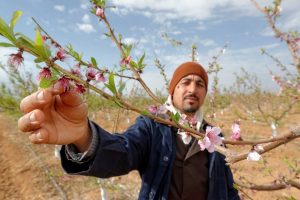
Rural workers

Slug
rural-workers
Identifier
637

Youth and skills in Latin America: Strategies, programmes and best practices

Youth and skills in Latin America: Strategies, programmes and best practices

Type:
Document
Content Type:
Youth and skills in Latin America: Strategies, programmes and best practices
Language:

English

Slug
english
Identifier
skpEng
Sources:

Information is gathered from other international organizations that promote skills development and the transition from education and training to work. The Interagency Group on Technical and Vocational Education and Training (IAG-TVET) was established in 2009 to share research findings, coordinate joint research endeavours, and improve collaboration among organizations working at the international and national levels.

Thumbnail
Identifier
skpIntOrg
Slug
international-organizations
Topics:

Access to training

Thumbnail

Access for all to good quality education, vocational training and workplace learning is a fundamental principle of social cohesion and economic growth. Some groups of people may require targeted attention if they are to benefit from education, training and employment opportunities.  

This is particularly the case for disadvantaged youth, lower skilled workers, people with disabilities, and people in rural communities. The attractiveness of vocational education and training is enhanced when combined with entrepreneurship training and when public policies encourage utilization of higher skills by business. 
 

Identifier
skpATSU
Slug
access-to-training

Career guidance and employment services

Thumbnail

Career guidance and counselling, career education and lifelong development of skills for employability are key for success in learning activities, effective career transitions, livelihood planning, entrepreneurship and in increasing labour market participation. They are instrumental in promoting skills utilization, recognition (RPL), as well as in improving enterprise human resource management.

Career development activities encompass a wide variety of support activities including career information and advice, counselling, work exposure (e.g. job shadowing, work experience periods), assessment, coaching, mentoring, professional networking, advocacy, basic and employability skills training (curricular and non-curricular) and entrepreneurship training. It is often an area which is fragmented across different ministries (e.g. education, TVET, employment, youth) requiring an effort to achieve the necessary coordination to provide adequate support to individuals during learning, employment and unemployment/inactivity periods.
 

Identifier
skpLMIES
Slug
career-guidance-and-employment-services

Rural employment

Thumbnail

Eight out of 10 of the world’s working poor who live on US $1.25 per day live in rural areas, where many are caught in vulnerable employment, especially in agriculture.Flourishing rural areas are vital to regional and national development. Yet, rural economies tend to face a wide range of challenges that urban areas are more likely to overcome. These include access to transportation, sanitation and health services, and a consumer base in close proximity to support small and medium enterprise development. Women and men working in rural areas also face difficulties associated with a paucity of economic opportunities, under investment, poor infrastructure and public services, including education, and, in many cases, weak governance and underdeveloped markets.

Education, entrepreneurship, and physical and social infrastructure all play an important role in developing rural regions. Skills are central to improving employability and livelihood opportunities, reducing poverty, enhancing productivity and promoting environmentally sustainable development.

Identifier
skpREmpl
Slug
rural-employment

Training quality and relevance

Thumbnail
Identifier
skpTrainQR
Slug
training-quality-and-relevance
Knowledge Products:

Case studies and good practices

Case studies that document good practices and illustrate the benefits and lessons learnt of particular approaches or methods in real practice. 

Thumbnail
Identifier
skpCaseStdy
Slug
case-studies-and-good-practices

Research papers

Working papers, reports, and other publications from international organizations, academic institutions and bilateral agencies. Research findings to stimulate informed debate on skills, employment and productivity issues. 

Thumbnail
Identifier
skpRPS
Slug
research-papers
Publication Date:
25 Aug 2014
Background paper prepared for the Education for All Global Monitoring Report, 2012 - Youth and skills:Putting education to work The paper offers a general overview of skills development strategies and programmes in Latin America which benefit marginalized groups. It delivers: (1)a general overview on skills development and marginalization in the Region; (2)an analysis of formal and non-formal skills acquisition architecture focusing on institutional arrangements, donor initiatives, and south-south technical cooperation; (3)an analysis of the relevance of post-primary education; and(4)an identification of best practices in skills programmes and vocational training, with a focus on the informal sector, urban and rural areas, and indigenous people.
Subject Tags:

Disadvantaged youth

Slug
disadvantaged-youth
Identifier
663

Employability

Slug
employability
Identifier
643

Entrepreneurship

Slug
entrepreneurship
Identifier
182

Public private partnerships

Slug
public-private-partnerships
Identifier
138

Rural employment

Slug
rural-employment
Identifier
670

Rural workers

Slug
rural-workers
Identifier
637

Transferable skills

Slug
transferable-skills
Identifier
660

Vocational training

Slug
vocational-training
Identifier
124
Regions:

Americas

Region Image

Policy brief: Skills for rural employment and development

Policy brief: Skills for rural employment and development

Type:
Document
Content Type:
Policy brief: Skills for rural employment and development
Language:

English

Slug
english
Identifier
skpEng
Sources:

ILO

The International Labour Organization is the tripartite U.N. agency that promotes Decent Work through employment, social security, labour standards and social dialogue. Its work on skills development is guided by the conceptual framework on Skills to improve productivity, employment growth, and development agreed in 2008 by representatives of Governments, Employers’ Associations and Workers’ Associations. Research, policy advice, and pilot projects and technical cooperation programmes to apply good practices in different circumstances across its 185 member States aims to boost the employability of workers, the productivity and competitiveness of enterprises, and the inclusiveness of economic growth. The ILO Secretariat in offices in 40 countries works with Ministries of Labour, employers’ organizations, and trade unions to integrate skills development into national and sector development strategies in order to better meet current labour market needs and to prepare for the jobs of the future; to expand access to employment-related training so that youth, persons with disabilities and other vulnerable groups are better able to acquire skills and secure productive and decent work; and to improve the ability of public employment services to provide career guidance, maintain labour exchange services, and deliver active labour market programmes.For more information regarding the ILO’s work on skills and employability go to: http://www.ilo.org/skills/lang--en/index.htm; for ILO/Cinterfor's Knowledge Management Plarform, see: http://www.oitcinterfor.org

Thumbnail
Identifier
skpILO
Slug
ilo
Topics:

Access to training

Thumbnail

Access for all to good quality education, vocational training and workplace learning is a fundamental principle of social cohesion and economic growth. Some groups of people may require targeted attention if they are to benefit from education, training and employment opportunities.  

This is particularly the case for disadvantaged youth, lower skilled workers, people with disabilities, and people in rural communities. The attractiveness of vocational education and training is enhanced when combined with entrepreneurship training and when public policies encourage utilization of higher skills by business. 
 

Identifier
skpATSU
Slug
access-to-training

Other topic

Thumbnail
Identifier
skpOIssue
Slug
other-topic

Rural employment

Thumbnail

Eight out of 10 of the world’s working poor who live on US $1.25 per day live in rural areas, where many are caught in vulnerable employment, especially in agriculture.Flourishing rural areas are vital to regional and national development. Yet, rural economies tend to face a wide range of challenges that urban areas are more likely to overcome. These include access to transportation, sanitation and health services, and a consumer base in close proximity to support small and medium enterprise development. Women and men working in rural areas also face difficulties associated with a paucity of economic opportunities, under investment, poor infrastructure and public services, including education, and, in many cases, weak governance and underdeveloped markets.

Education, entrepreneurship, and physical and social infrastructure all play an important role in developing rural regions. Skills are central to improving employability and livelihood opportunities, reducing poverty, enhancing productivity and promoting environmentally sustainable development.

Identifier
skpREmpl
Slug
rural-employment
Knowledge Products:

Policy and strategy

Recommendations and advice on resolving policy challenges related to skills development systems and their linkages to the world of work.  Concise syntheses of experience from the international organizations.

Thumbnail
Identifier
skpPolOp
Slug
policy-and-strategy
Publication Date:
13 Oct 2016
Part of the Policy Brief series produced by ILO Skills and Employability This policy brief explains why action is needed to improve rural skills development in the context of the broader development challenges faced by rural communities. It outlines some of the key characteristics of education and training in rural communities, and sets out a range of policy options open to governments and social partners seeking to improve rural skills and employment opportunities. It is illustrated with examples of good practice, and concludes with a review of the support provided by the ILO for training in rural communities.
Subject Tags:

Rural development

Slug
rural-development
Identifier
152

Rural employment

Slug
rural-employment
Identifier
670

Rural workers

Slug
rural-workers
Identifier
637

Vocational training

Slug
vocational-training
Identifier
124
Regions:

Linking labour organisation and vocational training in Uganda: Lessons for rural poverty reduction

Linking labour organisation and vocational training in Uganda: Lessons for rural poverty reduction

Type:
Document
Content Type:
Linking labour organisation and vocational training in Uganda: Lessons for rural poverty reduction
Language:

English

Slug
english
Identifier
skpEng
Sources:

Bilateral organizations

The development agencies of many countries make skills development a pillar of their Official Development Assistance – from the perspective of education systems, employment promotion, poverty reduction, and private sector development. Documentation of their experience, evaluations and impact assessments, mission statements, and other knowledge products are made available through the Global KSP.

Thumbnail
Identifier
skpBiOrg
Slug
bilateral-organizations
Topics:

Access to training

Thumbnail

Access for all to good quality education, vocational training and workplace learning is a fundamental principle of social cohesion and economic growth. Some groups of people may require targeted attention if they are to benefit from education, training and employment opportunities.  

This is particularly the case for disadvantaged youth, lower skilled workers, people with disabilities, and people in rural communities. The attractiveness of vocational education and training is enhanced when combined with entrepreneurship training and when public policies encourage utilization of higher skills by business. 
 

Identifier
skpATSU
Slug
access-to-training

Rural employment

Thumbnail

Eight out of 10 of the world’s working poor who live on US $1.25 per day live in rural areas, where many are caught in vulnerable employment, especially in agriculture.Flourishing rural areas are vital to regional and national development. Yet, rural economies tend to face a wide range of challenges that urban areas are more likely to overcome. These include access to transportation, sanitation and health services, and a consumer base in close proximity to support small and medium enterprise development. Women and men working in rural areas also face difficulties associated with a paucity of economic opportunities, under investment, poor infrastructure and public services, including education, and, in many cases, weak governance and underdeveloped markets.

Education, entrepreneurship, and physical and social infrastructure all play an important role in developing rural regions. Skills are central to improving employability and livelihood opportunities, reducing poverty, enhancing productivity and promoting environmentally sustainable development.

Identifier
skpREmpl
Slug
rural-employment
Knowledge Products:

Case studies and good practices

Case studies that document good practices and illustrate the benefits and lessons learnt of particular approaches or methods in real practice. 

Thumbnail
Identifier
skpCaseStdy
Slug
case-studies-and-good-practices
Publication Date:
01 Oct 2013
The study examines conditions for effective skills development in Uganda in the context of reducing rural poverty. It assesses the achievements and shortcomings of the Ugandan policy framework for formal and non-formal vocational education and training for the rural labour force. It argues that the capacity of the formal vocational training system is unlikely to be adequate for the provision of services that reach the poorest segments of the rural labour force, despite significant improvements brought about by on-going reform processes. The analysis of Uganda’s strategy for agricultural education, as well as its agricultural extension system, points to the need for a more comprehensive approach to rural skills development, which can respond to the skills needs of smallholder farmers and agricultural wage workers.

The paper argues that in order to up-scale sustainable results through non-formal vocational training in rural areas, skills development efforts need to be integrated into existing organisational structures of farmers at the local level. Case studies of agricultural cooperatives in eastern Uganda provide fresh evidence of innovative approaches to skills development for the rural poor. However, this study also shows that the integration of training provision into existing organisational structures may compromise, rather than improve, access to training. As economic and social structures of organisation in rural communities are strengthened, existing inequalities may be perpetuated. As a result, access to training, as well as other services, may be biased towards wealthier and more powerful sections of the community. The paper concludes that any integration of non-formal training provision into cooperative approaches needs to carefully assess the local political environment, as well as the existing structures of economic and social inequality.
Subject Tags:

Agriculture

Slug
agriculture
Identifier
225

Poverty alleviation

Slug
poverty-alleviation
Identifier
149

Rural employment

Slug
rural-employment
Identifier
670

Rural workers

Slug
rural-workers
Identifier
637

Vocational training

Slug
vocational-training
Identifier
124
Regions:

Africa

Region Image
Countries and territories:

Can skill diversification improve welfare in rural areas? Evidence from the rural skills development project in Bhutan

Can skill diversification improve welfare in rural areas? Evidence from the rural skills development project in Bhutan

Type:
Document
Content Type:
Can skill diversification improve welfare in rural areas? Evidence from the rural skills development project in Bhutan
Language:

English

Slug
english
Identifier
skpEng
Sources:

Other sources

Experts from many international, regional and national agencies generously share their views, experiences and findings on skills, helping policy-makers among other stakeholders to understand the linkages between education, training and the world of work, and how to integrate skills into national development planning to promote employment and economic growth.

Thumbnail
Identifier
skpOSource
Slug
other-sources
Topics:

Access to training

Thumbnail

Access for all to good quality education, vocational training and workplace learning is a fundamental principle of social cohesion and economic growth. Some groups of people may require targeted attention if they are to benefit from education, training and employment opportunities.  

This is particularly the case for disadvantaged youth, lower skilled workers, people with disabilities, and people in rural communities. The attractiveness of vocational education and training is enhanced when combined with entrepreneurship training and when public policies encourage utilization of higher skills by business. 
 

Identifier
skpATSU
Slug
access-to-training

Rural employment

Thumbnail

Eight out of 10 of the world’s working poor who live on US $1.25 per day live in rural areas, where many are caught in vulnerable employment, especially in agriculture.Flourishing rural areas are vital to regional and national development. Yet, rural economies tend to face a wide range of challenges that urban areas are more likely to overcome. These include access to transportation, sanitation and health services, and a consumer base in close proximity to support small and medium enterprise development. Women and men working in rural areas also face difficulties associated with a paucity of economic opportunities, under investment, poor infrastructure and public services, including education, and, in many cases, weak governance and underdeveloped markets.

Education, entrepreneurship, and physical and social infrastructure all play an important role in developing rural regions. Skills are central to improving employability and livelihood opportunities, reducing poverty, enhancing productivity and promoting environmentally sustainable development.

Identifier
skpREmpl
Slug
rural-employment
Knowledge Products:

Evaluation reports

Analytical assessments of technical cooperation programmes and national skills and employment policies, identifying success factors of different interventions in response to particular challenges in different circumstances.

Thumbnail
Identifier
skpEvalRep
Slug
evaluation-reports
Publication Date:
27 Sep 2013
This paper explores the impact of the three-month training component of the Rural Skills Development Project in Bhutan. This project was designed to diversify income sources of rural households beyond agriculture and to reduce expenses spent on housing repairs by training villagers in carpentry, masonry, plumbing, and electrical wiring. The study finds that the program had limited positive impacts along various economic and psychosocial dimensions, but that it diversified household incomes into these skill areas. Notably, the program did raise incomes for trainees in non-competitive labour markets where trainees accounted for only a small percentage of the overall population. The results and anecdotal evidence suggests that: (i) a greater emphasis on creating a mechanism to connect the training program to income generating opportunities via job placement services, entrepreneurship, or mentoring services is needed—especially in competitive labour markets where there are too many trainees in relation to the population; (ii) refining the curriculum and extending the training time to allow trainees to develop their skills may be important; (iii) encouraging greater equality in the skill development process may require providing more female-friendly training that has flexibility in training time and venues and focuses on other skill areas.
Subject Tags:

Poverty

Slug
poverty
Identifier
148

Rural employment

Slug
rural-employment
Identifier
670

Rural workers

Slug
rural-workers
Identifier
637

Vocational training

Slug
vocational-training
Identifier
124
Regions:

The role of skills and training in greening economies of least developed countries (presentation)

The role of skills and training in greening economies of least developed countries (presentation)

Type:
Document
Content Type:
The role of skills and training in greening economies of least developed countries (presentation)
Language:

English

Slug
english
Identifier
skpEng
Sources:

ILO

The International Labour Organization is the tripartite U.N. agency that promotes Decent Work through employment, social security, labour standards and social dialogue. Its work on skills development is guided by the conceptual framework on Skills to improve productivity, employment growth, and development agreed in 2008 by representatives of Governments, Employers’ Associations and Workers’ Associations. Research, policy advice, and pilot projects and technical cooperation programmes to apply good practices in different circumstances across its 185 member States aims to boost the employability of workers, the productivity and competitiveness of enterprises, and the inclusiveness of economic growth. The ILO Secretariat in offices in 40 countries works with Ministries of Labour, employers’ organizations, and trade unions to integrate skills development into national and sector development strategies in order to better meet current labour market needs and to prepare for the jobs of the future; to expand access to employment-related training so that youth, persons with disabilities and other vulnerable groups are better able to acquire skills and secure productive and decent work; and to improve the ability of public employment services to provide career guidance, maintain labour exchange services, and deliver active labour market programmes.For more information regarding the ILO’s work on skills and employability go to: http://www.ilo.org/skills/lang--en/index.htm; for ILO/Cinterfor's Knowledge Management Plarform, see: http://www.oitcinterfor.org

Thumbnail
Identifier
skpILO
Slug
ilo
Topics:

Anticipating and matching skills needs

Thumbnail

Anticipating and building skills for the future is essential to a rapidly changing labour market. This applies to changes in the types and levels of skills needed as well as in occupational and technical areas. Effective methods to anticipate future skills needs and avoid potential mismatches include: sustained dialogue between employers and trainers, coordination across government institutions, labour market information systems, employment services and performance reviews of training institutions. 

Identifier
skpAFSN
Slug
anticipating-and-matching-skills-needs

Rural employment

Thumbnail

Eight out of 10 of the world’s working poor who live on US $1.25 per day live in rural areas, where many are caught in vulnerable employment, especially in agriculture.Flourishing rural areas are vital to regional and national development. Yet, rural economies tend to face a wide range of challenges that urban areas are more likely to overcome. These include access to transportation, sanitation and health services, and a consumer base in close proximity to support small and medium enterprise development. Women and men working in rural areas also face difficulties associated with a paucity of economic opportunities, under investment, poor infrastructure and public services, including education, and, in many cases, weak governance and underdeveloped markets.

Education, entrepreneurship, and physical and social infrastructure all play an important role in developing rural regions. Skills are central to improving employability and livelihood opportunities, reducing poverty, enhancing productivity and promoting environmentally sustainable development.

Identifier
skpREmpl
Slug
rural-employment
Knowledge Products:

Promotional material

Presentations, discussion papers, meeting reports, promotional materials, videos, fact sheets, brochures and newsletters on skills development for employment.

Thumbnail
Identifier
skpAIM
Slug
promotional-material
Publication Date:
12 Aug 2013
Presented at WorldSkills, Leipzig, July 2013 The presentation provides an overview of skills challenges for greening economies of least developed countries and contains key policy messages for achieving sustained and inclusive economic growth through skills development in this group of countries.
Subject Tags:

Green jobs

Slug
green-jobs
Identifier
623

Rural employment

Slug
rural-employment
Identifier
670

Rural workers

Slug
rural-workers
Identifier
637

Skills anticipation

Slug
skills-anticipation
Identifier
677

Sustainable development

Slug
sustainable-development
Identifier
658
Regions:

Demand versus returns? Pro-poor targeting of business grants and vocational skills training

Demand versus returns? Pro-poor targeting of business grants and vocational skills training

Type:
Document
Content Type:
Demand versus returns? Pro-poor targeting of business grants and vocational skills training
Language:

English

Slug
english
Identifier
skpEng
Sources:

Information is gathered from other international organizations that promote skills development and the transition from education and training to work. The Interagency Group on Technical and Vocational Education and Training (IAG-TVET) was established in 2009 to share research findings, coordinate joint research endeavours, and improve collaboration among organizations working at the international and national levels.

Thumbnail
Identifier
skpIntOrg
Slug
international-organizations
Topics:

Monitoring and evaluation

Thumbnail

Measuring the outcomes of skills systems, policies and targeted programmes is essential in order to monitor and improve their effectiveness and relevance. Elements of sound assessment processes include: institutions to sustain feedback from employers and trainees; mechanisms to track labour market outcomes of training and systems of accountability that use this information; and, quantitative and qualitative labour market information and its dissemination to all stakeholders.

Identifier
skpPolPer
Slug
monitoring-and-evaluation

Rural employment

Thumbnail

Eight out of 10 of the world’s working poor who live on US $1.25 per day live in rural areas, where many are caught in vulnerable employment, especially in agriculture.Flourishing rural areas are vital to regional and national development. Yet, rural economies tend to face a wide range of challenges that urban areas are more likely to overcome. These include access to transportation, sanitation and health services, and a consumer base in close proximity to support small and medium enterprise development. Women and men working in rural areas also face difficulties associated with a paucity of economic opportunities, under investment, poor infrastructure and public services, including education, and, in many cases, weak governance and underdeveloped markets.

Education, entrepreneurship, and physical and social infrastructure all play an important role in developing rural regions. Skills are central to improving employability and livelihood opportunities, reducing poverty, enhancing productivity and promoting environmentally sustainable development.

Identifier
skpREmpl
Slug
rural-employment
Knowledge Products:

Research papers

Working papers, reports, and other publications from international organizations, academic institutions and bilateral agencies. Research findings to stimulate informed debate on skills, employment and productivity issues. 

Thumbnail
Identifier
skpRPS
Slug
research-papers
Publication Date:
09 May 2013
Policy Research Working Paper 6389 Interventions aimed at increasing the income generating capacity of the poor, such as vocational training, micro-finance or business grants, are widespread in the developing world. How to target such interventions is an open question. Many programs are self-targeted, but if perceived returns differ from actual returns, those self-selecting to participate may not be those for whom the program is the most effective. The authors analyze an unusual experiment with very high take-up of business grants and vocational skills training, randomly assigned among nearly all households in selected poor rural communities in Nicaragua. On average, the interventions resulted in increased participation in non-agricultural employment and higher income from related activities. The paper investigates whether targeting could have resulted in higher returns by analyzing heterogeneity in impacts by stated baseline demand, prior participation in non-agricultural activities, and a wide range of complementary asset endowments.
Subject Tags:

Poverty

Slug
poverty
Identifier
148

Rural employment

Slug
rural-employment
Identifier
670

Rural workers

Slug
rural-workers
Identifier
637

Vocational training

Slug
vocational-training
Identifier
124
Regions:

Americas

Region Image
Countries and territories:

Note d’orientation: Investir dans les compétences pour l’autonomisation socio-économique des femmes en milieu rural

Note d’orientation: Investir dans les compétences pour l’autonomisation socio-économique des femmes en milieu rural

Type:
Document
Content Type:
Note d’orientation: Investir dans les compétences pour l’autonomisation socio-économique des femmes en milieu rural
Language:

French

Slug
french
Identifier
skpFrn
Sources:

ILO

The International Labour Organization is the tripartite U.N. agency that promotes Decent Work through employment, social security, labour standards and social dialogue. Its work on skills development is guided by the conceptual framework on Skills to improve productivity, employment growth, and development agreed in 2008 by representatives of Governments, Employers’ Associations and Workers’ Associations. Research, policy advice, and pilot projects and technical cooperation programmes to apply good practices in different circumstances across its 185 member States aims to boost the employability of workers, the productivity and competitiveness of enterprises, and the inclusiveness of economic growth. The ILO Secretariat in offices in 40 countries works with Ministries of Labour, employers’ organizations, and trade unions to integrate skills development into national and sector development strategies in order to better meet current labour market needs and to prepare for the jobs of the future; to expand access to employment-related training so that youth, persons with disabilities and other vulnerable groups are better able to acquire skills and secure productive and decent work; and to improve the ability of public employment services to provide career guidance, maintain labour exchange services, and deliver active labour market programmes.For more information regarding the ILO’s work on skills and employability go to: http://www.ilo.org/skills/lang--en/index.htm; for ILO/Cinterfor's Knowledge Management Plarform, see: http://www.oitcinterfor.org

Thumbnail
Identifier
skpILO
Slug
ilo

Information is gathered from other international organizations that promote skills development and the transition from education and training to work. The Interagency Group on Technical and Vocational Education and Training (IAG-TVET) was established in 2009 to share research findings, coordinate joint research endeavours, and improve collaboration among organizations working at the international and national levels.

Thumbnail
Identifier
skpIntOrg
Slug
international-organizations
Topics:

Access to training

Thumbnail

Access for all to good quality education, vocational training and workplace learning is a fundamental principle of social cohesion and economic growth. Some groups of people may require targeted attention if they are to benefit from education, training and employment opportunities.  

This is particularly the case for disadvantaged youth, lower skilled workers, people with disabilities, and people in rural communities. The attractiveness of vocational education and training is enhanced when combined with entrepreneurship training and when public policies encourage utilization of higher skills by business. 
 

Identifier
skpATSU
Slug
access-to-training

Rural employment

Thumbnail

Eight out of 10 of the world’s working poor who live on US $1.25 per day live in rural areas, where many are caught in vulnerable employment, especially in agriculture.Flourishing rural areas are vital to regional and national development. Yet, rural economies tend to face a wide range of challenges that urban areas are more likely to overcome. These include access to transportation, sanitation and health services, and a consumer base in close proximity to support small and medium enterprise development. Women and men working in rural areas also face difficulties associated with a paucity of economic opportunities, under investment, poor infrastructure and public services, including education, and, in many cases, weak governance and underdeveloped markets.

Education, entrepreneurship, and physical and social infrastructure all play an important role in developing rural regions. Skills are central to improving employability and livelihood opportunities, reducing poverty, enhancing productivity and promoting environmentally sustainable development.

Identifier
skpREmpl
Slug
rural-employment
Knowledge Products:

Policy and strategy

Recommendations and advice on resolving policy challenges related to skills development systems and their linkages to the world of work.  Concise syntheses of experience from the international organizations.

Thumbnail
Identifier
skpPolOp
Slug
policy-and-strategy
Publication Date:
21 Feb 2013

Cette note d’orientation fait valoir que l’apprentissage de technologies et de méthodes de production améliorées, de nouveaux produits et marchés ainsi que de compétences nécessaires à l’activité professionnelle et à la vie pratique sont des facteurs pouvant faire une grande différence pour améliorer la productivité et les moyens de subsistance. Les femmes ont souvent des besoins en formation différents de ceux des hommes, qui sont liés, d’une part, à leur travail domestique et à leurs responsabilités de soins familiaux, et d’autre part, aux divisions du travail sensible au genre relatives à la direction ou à l’accomplissement de tâches spécifiques dans la production et la transformation des produits agricoles. Cette note d’orientation analyse certains des facteurs sociaux, culturels et économiques pouvant restreindre l’accès des filles et des femmes en milieu rural à l’éducation et à la formation, en les confinant dans un statut inférieur et dans un emploi insuffisamment rémunéré avec des perspectives limitées en matière de développement des compétences. La liste des orientations possibles propose une série de mesures pratiques pour stimuler la participation des femmes à une éducation et une formation techniques et professionnelles, afin de renforcer les possibilités pour elles de trouver un emploi de meilleure qualité.

Subject Tags:

Community development

Slug
community-development
Identifier
126

Employability

Slug
employability
Identifier
643

Productivity

Slug
productivity
Identifier
188

Rural employment

Slug
rural-employment
Identifier
670

Rural workers

Slug
rural-workers
Identifier
637

Vocational training

Slug
vocational-training
Identifier
124

Women

Slug
women
Identifier
318
Regions:

Youth employment and skills development in the Gambia

Youth employment and skills development in the Gambia

Type:
Document
Content Type:
Youth employment and skills development in the Gambia
Language:

English

Slug
english
Identifier
skpEng
Sources:

Information is gathered from other international organizations that promote skills development and the transition from education and training to work. The Interagency Group on Technical and Vocational Education and Training (IAG-TVET) was established in 2009 to share research findings, coordinate joint research endeavours, and improve collaboration among organizations working at the international and national levels.

Thumbnail
Identifier
skpIntOrg
Slug
international-organizations
Topics:

Access to training

Thumbnail

Access for all to good quality education, vocational training and workplace learning is a fundamental principle of social cohesion and economic growth. Some groups of people may require targeted attention if they are to benefit from education, training and employment opportunities.  

This is particularly the case for disadvantaged youth, lower skilled workers, people with disabilities, and people in rural communities. The attractiveness of vocational education and training is enhanced when combined with entrepreneurship training and when public policies encourage utilization of higher skills by business. 
 

Identifier
skpATSU
Slug
access-to-training

Rural employment

Thumbnail

Eight out of 10 of the world’s working poor who live on US $1.25 per day live in rural areas, where many are caught in vulnerable employment, especially in agriculture.Flourishing rural areas are vital to regional and national development. Yet, rural economies tend to face a wide range of challenges that urban areas are more likely to overcome. These include access to transportation, sanitation and health services, and a consumer base in close proximity to support small and medium enterprise development. Women and men working in rural areas also face difficulties associated with a paucity of economic opportunities, under investment, poor infrastructure and public services, including education, and, in many cases, weak governance and underdeveloped markets.

Education, entrepreneurship, and physical and social infrastructure all play an important role in developing rural regions. Skills are central to improving employability and livelihood opportunities, reducing poverty, enhancing productivity and promoting environmentally sustainable development.

Identifier
skpREmpl
Slug
rural-employment

Youth employability

Thumbnail

Globally, nearly 68 million young women and men are looking for and available for work,  and an estimated 123 million young people are working but living in poverty. The number who are not in employment, education or training (NEET) stands at 267 million, a majority of whom are young women. Significantly, young people are three times as likely as adults (25 years and older) to be unemployed.

Skills development is a primary means of enabling young people to make a smooth transition to work. A comprehensive approach is required to integrate young women and men in the labour market, including relevant and quality skills training, labour market information, career guidance and employment services, recognition of prior learning, incorporating entrepreneurship with training and effective skills forecasting. Improved basic education and core work skills are particularly important to enable youth to engage in lifelong learning as well as transition to the labour market. 

Identifier
skpYoEmp
Slug
youth-employability
Knowledge Products:

Research papers

Working papers, reports, and other publications from international organizations, academic institutions and bilateral agencies. Research findings to stimulate informed debate on skills, employment and productivity issues. 

Thumbnail
Identifier
skpRPS
Slug
research-papers
Publication Date:
09 Jan 2013
Africa human development series Despite substantial improvements in access to basic education and steady economic growth, The Gambia still faces considerable challenges in respect to reducing poverty. As the result of its narrow economic base and its reduced internal market, the country will continue to rely on the productivity of its citizens to reverse the cycle that keeps families in poverty generation after generation. Poverty reduction is a complex equation that involves improvements in job creation, especially for high-skilled and productive employment, as well as improvements in human capital levels to ensure that citizens are able to take advantage of employment opportunities. Currently, however, low human capital levels greatly limit the productivity and employment outcomes of the population, as evidenced by the fact that a majority continues to work in subsistence agriculture, especially in rural areas. Nearly 60 percent of the poor in The Gambia are under the age of 20 years. Youth face significant challenges with respect to employment outcomes, such as a very difficult transition from school to work and very low levels of education and training. In terms of education levels, a significant proportion of young people (especially in rural areas) leave school early, in part due to what are perceived to be low returns on education. Many of those who do receive high quality education and training choose to emigrate. Overall, young workers are employed in jobs of low quality and high levels of informality. The study assessed the impact of the following factors on youth's time use: education level, gender, local labor supply and demand, and place of residence. From the analysis, it was noted that the probability of being employed decreases as the level of human capital increases. In fact, uneducated youth display the highest probability of being employed
Subject Tags:

Agriculture

Slug
agriculture
Identifier
225

Informal economy

Slug
informal-economy
Identifier
187

Poverty

Slug
poverty
Identifier
148

Rural employment

Slug
rural-employment
Identifier
670

Rural workers

Slug
rural-workers
Identifier
637

School-to-work transition

Slug
school-to-work-transition
Identifier
652

Service sector

Slug
service-sector
Identifier
231

Women

Slug
women
Identifier
318

Working poor

Slug
working-poor
Identifier
150
Regions:

Africa

Region Image
Countries and territories:

Skills development for economic empowerment and the creation of livelihoods after tsunami

Skills development for economic empowerment and the creation of livelihoods after tsunami

Type:
Document
Content Type:
Skills development for economic empowerment and the creation of livelihoods after tsunami
Language:

English

Slug
english
Identifier
skpEng
Sources:

ILO

The International Labour Organization is the tripartite U.N. agency that promotes Decent Work through employment, social security, labour standards and social dialogue. Its work on skills development is guided by the conceptual framework on Skills to improve productivity, employment growth, and development agreed in 2008 by representatives of Governments, Employers’ Associations and Workers’ Associations. Research, policy advice, and pilot projects and technical cooperation programmes to apply good practices in different circumstances across its 185 member States aims to boost the employability of workers, the productivity and competitiveness of enterprises, and the inclusiveness of economic growth. The ILO Secretariat in offices in 40 countries works with Ministries of Labour, employers’ organizations, and trade unions to integrate skills development into national and sector development strategies in order to better meet current labour market needs and to prepare for the jobs of the future; to expand access to employment-related training so that youth, persons with disabilities and other vulnerable groups are better able to acquire skills and secure productive and decent work; and to improve the ability of public employment services to provide career guidance, maintain labour exchange services, and deliver active labour market programmes.For more information regarding the ILO’s work on skills and employability go to: http://www.ilo.org/skills/lang--en/index.htm; for ILO/Cinterfor's Knowledge Management Plarform, see: http://www.oitcinterfor.org

Thumbnail
Identifier
skpILO
Slug
ilo
Topics:

Access to training

Thumbnail

Access for all to good quality education, vocational training and workplace learning is a fundamental principle of social cohesion and economic growth. Some groups of people may require targeted attention if they are to benefit from education, training and employment opportunities.  

This is particularly the case for disadvantaged youth, lower skilled workers, people with disabilities, and people in rural communities. The attractiveness of vocational education and training is enhanced when combined with entrepreneurship training and when public policies encourage utilization of higher skills by business. 
 

Identifier
skpATSU
Slug
access-to-training

Rural employment

Thumbnail

Eight out of 10 of the world’s working poor who live on US $1.25 per day live in rural areas, where many are caught in vulnerable employment, especially in agriculture.Flourishing rural areas are vital to regional and national development. Yet, rural economies tend to face a wide range of challenges that urban areas are more likely to overcome. These include access to transportation, sanitation and health services, and a consumer base in close proximity to support small and medium enterprise development. Women and men working in rural areas also face difficulties associated with a paucity of economic opportunities, under investment, poor infrastructure and public services, including education, and, in many cases, weak governance and underdeveloped markets.

Education, entrepreneurship, and physical and social infrastructure all play an important role in developing rural regions. Skills are central to improving employability and livelihood opportunities, reducing poverty, enhancing productivity and promoting environmentally sustainable development.

Identifier
skpREmpl
Slug
rural-employment
Knowledge Products:

Evaluation reports

Analytical assessments of technical cooperation programmes and national skills and employment policies, identifying success factors of different interventions in response to particular challenges in different circumstances.

Thumbnail
Identifier
skpEvalRep
Slug
evaluation-reports
Publication Date:
21 Dec 2012
Provides a summary of the evaluation of the Skills Development for Economic Empowerment and Creation of Livelihoods Project that was aimed to help restore the lost livelihoods and earning capacities of the victims of December 2004 Tsunami in the district of Ampara, Sri Lanka. The project was utilizing the ILO’s Training for Rural Economic Empowerment (TREE) methodology that was adapted to Sri Lankan context.
Subject Tags:

Community development

Slug
community-development
Identifier
126

Enterprises

Slug
enterprises
Identifier
175

Rural employment

Slug
rural-employment
Identifier
670

Rural workers

Slug
rural-workers
Identifier
637
Regions:
Countries and territories:

Policy Brief: Investing in skills for socio-economic empowerment of rural women

Policy Brief: Investing in skills for socio-economic empowerment of rural women

Type:
Document
Content Type:
Policy Brief: Investing in skills for socio-economic empowerment of rural women
Language:

English

Slug
english
Identifier
skpEng
Sources:

ILO

The International Labour Organization is the tripartite U.N. agency that promotes Decent Work through employment, social security, labour standards and social dialogue. Its work on skills development is guided by the conceptual framework on Skills to improve productivity, employment growth, and development agreed in 2008 by representatives of Governments, Employers’ Associations and Workers’ Associations. Research, policy advice, and pilot projects and technical cooperation programmes to apply good practices in different circumstances across its 185 member States aims to boost the employability of workers, the productivity and competitiveness of enterprises, and the inclusiveness of economic growth. The ILO Secretariat in offices in 40 countries works with Ministries of Labour, employers’ organizations, and trade unions to integrate skills development into national and sector development strategies in order to better meet current labour market needs and to prepare for the jobs of the future; to expand access to employment-related training so that youth, persons with disabilities and other vulnerable groups are better able to acquire skills and secure productive and decent work; and to improve the ability of public employment services to provide career guidance, maintain labour exchange services, and deliver active labour market programmes.For more information regarding the ILO’s work on skills and employability go to: http://www.ilo.org/skills/lang--en/index.htm; for ILO/Cinterfor's Knowledge Management Plarform, see: http://www.oitcinterfor.org

Thumbnail
Identifier
skpILO
Slug
ilo

Information is gathered from other international organizations that promote skills development and the transition from education and training to work. The Interagency Group on Technical and Vocational Education and Training (IAG-TVET) was established in 2009 to share research findings, coordinate joint research endeavours, and improve collaboration among organizations working at the international and national levels.

Thumbnail
Identifier
skpIntOrg
Slug
international-organizations
Topics:

Access to training

Thumbnail

Access for all to good quality education, vocational training and workplace learning is a fundamental principle of social cohesion and economic growth. Some groups of people may require targeted attention if they are to benefit from education, training and employment opportunities.  

This is particularly the case for disadvantaged youth, lower skilled workers, people with disabilities, and people in rural communities. The attractiveness of vocational education and training is enhanced when combined with entrepreneurship training and when public policies encourage utilization of higher skills by business. 
 

Identifier
skpATSU
Slug
access-to-training

Rural employment

Thumbnail

Eight out of 10 of the world’s working poor who live on US $1.25 per day live in rural areas, where many are caught in vulnerable employment, especially in agriculture.Flourishing rural areas are vital to regional and national development. Yet, rural economies tend to face a wide range of challenges that urban areas are more likely to overcome. These include access to transportation, sanitation and health services, and a consumer base in close proximity to support small and medium enterprise development. Women and men working in rural areas also face difficulties associated with a paucity of economic opportunities, under investment, poor infrastructure and public services, including education, and, in many cases, weak governance and underdeveloped markets.

Education, entrepreneurship, and physical and social infrastructure all play an important role in developing rural regions. Skills are central to improving employability and livelihood opportunities, reducing poverty, enhancing productivity and promoting environmentally sustainable development.

Identifier
skpREmpl
Slug
rural-employment
Knowledge Products:

Policy and strategy

Recommendations and advice on resolving policy challenges related to skills development systems and their linkages to the world of work.  Concise syntheses of experience from the international organizations.

Thumbnail
Identifier
skpPolOp
Slug
policy-and-strategy
Publication Date:
13 Dec 2012
This brief argues that learning about improved production technologies and methods, new products and markets, and business and life skills can make a big difference to improving productivity and livelihoods. Women’s training needs often differ from men’s due to their domestic and care work as well as gender-differentiated agricultural labour or supervisory roles. The brief analyses some of the social, cultural and economic factors that can limit rural girls’ and women’s access to education and training, trapping them in lower status, poorly paid work with limited development perspectives. The menu of policy options proposes practical ways to stimulate female participation in education and technical training to enhance opportunities for better quality employment.
Subject Tags:

Community development

Slug
community-development
Identifier
126

Employability

Slug
employability
Identifier
643

Productivity

Slug
productivity
Identifier
188

Rural employment

Slug
rural-employment
Identifier
670

Rural workers

Slug
rural-workers
Identifier
637

Vocational training

Slug
vocational-training
Identifier
124

Women

Slug
women
Identifier
318
Regions: