Linking labour organisation and vocational training in Uganda: Lessons for rural poverty reduction
English
Bilateral organizations
The development agencies of many countries make skills development a pillar of their Official Development Assistance – from the perspective of education systems, employment promotion, poverty reduction, and private sector development. Documentation of their experience, evaluations and impact assessments, mission statements, and other knowledge products are made available through the Global KSP.

Access to training

Access for all to good quality education, vocational training and workplace learning is a fundamental principle of social cohesion and economic growth. Some groups of people may require targeted attention if they are to benefit from education, training and employment opportunities.
This is particularly the case for disadvantaged youth, lower skilled workers, people with disabilities, and people in rural communities. The attractiveness of vocational education and training is enhanced when combined with entrepreneurship training and when public policies encourage utilization of higher skills by business.
Rural employment
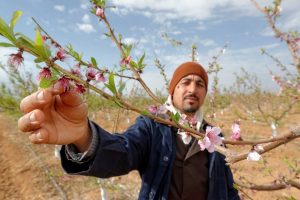
Eight out of 10 of the world’s working poor who live on US $1.25 per day live in rural areas, where many are caught in vulnerable employment, especially in agriculture.Flourishing rural areas are vital to regional and national development. Yet, rural economies tend to face a wide range of challenges that urban areas are more likely to overcome. These include access to transportation, sanitation and health services, and a consumer base in close proximity to support small and medium enterprise development. Women and men working in rural areas also face difficulties associated with a paucity of economic opportunities, under investment, poor infrastructure and public services, including education, and, in many cases, weak governance and underdeveloped markets.
Education, entrepreneurship, and physical and social infrastructure all play an important role in developing rural regions. Skills are central to improving employability and livelihood opportunities, reducing poverty, enhancing productivity and promoting environmentally sustainable development.
Case studies and good practices
Case studies that document good practices and illustrate the benefits and lessons learnt of particular approaches or methods in real practice.

The paper argues that in order to up-scale sustainable results through non-formal vocational training in rural areas, skills development efforts need to be integrated into existing organisational structures of farmers at the local level. Case studies of agricultural cooperatives in eastern Uganda provide fresh evidence of innovative approaches to skills development for the rural poor. However, this study also shows that the integration of training provision into existing organisational structures may compromise, rather than improve, access to training. As economic and social structures of organisation in rural communities are strengthened, existing inequalities may be perpetuated. As a result, access to training, as well as other services, may be biased towards wealthier and more powerful sections of the community. The paper concludes that any integration of non-formal training provision into cooperative approaches needs to carefully assess the local political environment, as well as the existing structures of economic and social inequality.
Agriculture
Poverty alleviation
Rural employment
Rural workers
Vocational training
Africa
