Youth employability

Thumbnail

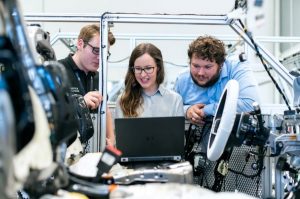
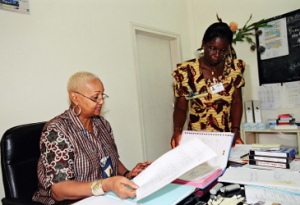
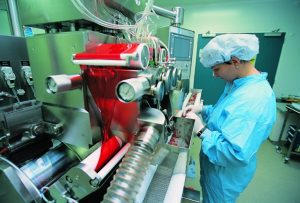
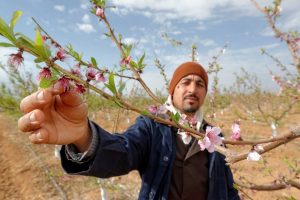
Globally, nearly 68 million young women and men are looking for and available for work,  and an estimated 123 million young people are working but living in poverty. The number who are not in employment, education or training (NEET) stands at 267 million, a majority of whom are young women. Significantly, young people are three times as likely as adults (25 years and older) to be unemployed.

Skills development is a primary means of enabling young people to make a smooth transition to work. A comprehensive approach is required to integrate young women and men in the labour market, including relevant and quality skills training, labour market information, career guidance and employment services, recognition of prior learning, incorporating entrepreneurship with training and effective skills forecasting. Improved basic education and core work skills are particularly important to enable youth to engage in lifelong learning as well as transition to the labour market. 

Identifier
skpYoEmp
Slug
youth-employability

Preguntas y respuestas sobre: La estrategia de formación del G20: Una fuerza de trabajo capacitada para un crecimiento sólido, sostenible y equilibrado. (Parte 2)

Preguntas y respuestas sobre: La estrategia de formación del G20: Una fuerza de trabajo capacitada para un crecimiento sólido, sostenible y equilibrado. (Parte 2)

Type:
Document
Content Type:
Preguntas y respuestas sobre: La estrategia de formación del G20: Una fuerza de trabajo capacitada para un crecimiento sólido, sostenible y equilibrado. (Parte 2)
Language:

Spanish

Slug
spanish
Identifier
skpEsp
Sources:

ILO

The International Labour Organization is the tripartite U.N. agency that promotes Decent Work through employment, social security, labour standards and social dialogue. Its work on skills development is guided by the conceptual framework on Skills to improve productivity, employment growth, and development agreed in 2008 by representatives of Governments, Employers’ Associations and Workers’ Associations. Research, policy advice, and pilot projects and technical cooperation programmes to apply good practices in different circumstances across its 185 member States aims to boost the employability of workers, the productivity and competitiveness of enterprises, and the inclusiveness of economic growth. The ILO Secretariat in offices in 40 countries works with Ministries of Labour, employers’ organizations, and trade unions to integrate skills development into national and sector development strategies in order to better meet current labour market needs and to prepare for the jobs of the future; to expand access to employment-related training so that youth, persons with disabilities and other vulnerable groups are better able to acquire skills and secure productive and decent work; and to improve the ability of public employment services to provide career guidance, maintain labour exchange services, and deliver active labour market programmes.For more information regarding the ILO’s work on skills and employability go to: http://www.ilo.org/skills/lang--en/index.htm; for ILO/Cinterfor's Knowledge Management Plarform, see: http://www.oitcinterfor.org

Thumbnail
Identifier
skpILO
Slug
ilo

Other sources

Experts from many international, regional and national agencies generously share their views, experiences and findings on skills, helping policy-makers among other stakeholders to understand the linkages between education, training and the world of work, and how to integrate skills into national development planning to promote employment and economic growth.

Thumbnail
Identifier
skpOSource
Slug
other-sources
Topics:

Access to training

Thumbnail

Access for all to good quality education, vocational training and workplace learning is a fundamental principle of social cohesion and economic growth. Some groups of people may require targeted attention if they are to benefit from education, training and employment opportunities.  

This is particularly the case for disadvantaged youth, lower skilled workers, people with disabilities, and people in rural communities. The attractiveness of vocational education and training is enhanced when combined with entrepreneurship training and when public policies encourage utilization of higher skills by business. 
 

Identifier
skpATSU
Slug
access-to-training

Apprenticeships

Thumbnail

Quality apprenticeships based on robust social dialogue and public-private partnerships can improve employment prospects for young people while developing high level skills identified by employers as necessary for growth and increased productivity. Both informal and regulated apprenticeship systems are important learning resources enabling young people to overcome the work-inexperience trap, gain new and enhanced skills and recognized qualifications.

Upgrading informal apprenticeships and expanding regulated ones is a cost-effective way to invest in a country’s skills base, promote economic growth and enhance the employability of youth.

Identifier
skpAppren
Slug
apprenticeships

Anticipating and matching skills needs

Thumbnail

Anticipating and building skills for the future is essential to a rapidly changing labour market. This applies to changes in the types and levels of skills needed as well as in occupational and technical areas. Effective methods to anticipate future skills needs and avoid potential mismatches include: sustained dialogue between employers and trainers, coordination across government institutions, labour market information systems, employment services and performance reviews of training institutions. 

Identifier
skpAFSN
Slug
anticipating-and-matching-skills-needs

Career guidance and employment services

Thumbnail

Career guidance and counselling, career education and lifelong development of skills for employability are key for success in learning activities, effective career transitions, livelihood planning, entrepreneurship and in increasing labour market participation. They are instrumental in promoting skills utilization, recognition (RPL), as well as in improving enterprise human resource management.

Career development activities encompass a wide variety of support activities including career information and advice, counselling, work exposure (e.g. job shadowing, work experience periods), assessment, coaching, mentoring, professional networking, advocacy, basic and employability skills training (curricular and non-curricular) and entrepreneurship training. It is often an area which is fragmented across different ministries (e.g. education, TVET, employment, youth) requiring an effort to achieve the necessary coordination to provide adequate support to individuals during learning, employment and unemployment/inactivity periods.
 

Identifier
skpLMIES
Slug
career-guidance-and-employment-services

Financing of training

Thumbnail

Initial education and training and lifelong learning benefit individuals, employers and society as a whole. Economic principles dictate that the costs for services with public and private benefits should be shared between public and private funding, or else too little training will be provided or taken up. Effective mechanisms for financing skills development vary according to countries’ economic and political circumstances and the degree and level of social dialogue established.

Identifier
skpFinanT
Slug
financing-training

Lifelong learning

Thumbnail

There is a critical need for a greater overall investment in education and training, particularly in developing countries. Education and training investments should be closely linked to economic and employment growth strategies and programmes. Responsibility should be shared between the government (primary responsibility), enterprises, the social partners, and the individual. To make lifelong learning for all a reality, countries will need to make major reforms of their vocational and education and training systems. School-to-work schemes for young people should integrate education with workplace learning. Training systems need to become more flexible and responsive to rapidly changing skill requirements. Reforms should also focus on how learning can be facilitated, not just on training for specific occupational categories.

Identifier
skpPSLLL
Slug
lifelong-learning

Migrant workers

Thumbnail

According to the ILO global estimates on migrant workers, there were around 164 million migrant workers in 2017. 

Migrant workers contribute to growth and development in their countries of destination, while countries of origin greatly benefit from their remittances and the skills acquired during their migration experience. Yet, many migrant workers face challenges in accessing quality training and decent jobs including under-utilization of skills, a lack of employment or training opportunities, lack of information, and exploitation of low-skilled workers.

To address these challenges, countries need to strengthen skills anticipation systems to inform migration policies, increase access to education and training, and establish bilateral or multilateral recognition of qualifications and skills.

Identifier
skpMigWor
Slug
migrant-workers

Monitoring and evaluation

Thumbnail

Measuring the outcomes of skills systems, policies and targeted programmes is essential in order to monitor and improve their effectiveness and relevance. Elements of sound assessment processes include: institutions to sustain feedback from employers and trainees; mechanisms to track labour market outcomes of training and systems of accountability that use this information; and, quantitative and qualitative labour market information and its dissemination to all stakeholders.

Identifier
skpPolPer
Slug
monitoring-and-evaluation

Older workers

Thumbnail

Access for all to good quality education, vocational training and workplace learning is a fundamental principle of social cohesion and economic growth. Some groups of people may require targeted attention if they are to benefit from education, training and employment opportunities.

This is particularly the case for disadvantaged youth, lower skilled workers, people with disabilities, and people in rural communities. The attractiveness of vocational education and training is enhanced when combined with entrepreneurship training and when public policies encourage utilization of higher skills by business.

Identifier
skpOldwor
Slug
older-workers

Participation of employers' and workers' organizations

Thumbnail

The world of learning and the world of work are separate but linked. While one involves learning, the other produces goods and services. Neither can thrive without the other. Strong partnerships between government, employers and workers help ensure the relevance of training to the changing needs of enterprises and labour markets. 

Identifier
skpPSP
Slug
participation-of-employers-and-workers-organizations

People with disabilities

Thumbnail

Of an estimated 1 billion people with disabilities in the world today, some 785 million are of working age. While many are successfully employed and fully integrated into society, most face a disproportionate level of poverty and unemployment. This is a massive loss both to them and their countries. A strategy of including people with disabilities in training and employment promotion policies, combined with targeted supports to ensure their participation, can help disabled persons obtain productive mainstream employment.

Identifier
skpPeoDis
Slug
people-with-disabilities

Sectoral approaches

Thumbnail

Matching skills to labour market demand requires reliable sectoral and occupational information and institutions that connect employers with training providers.  Sector based strategies and institutions have proved effective in engaging all stakeholders in promoting both pre-employment training and life-long learning.

Identifier
skpSectApr
Slug
sectoral-approaches

Skills policies and strategies

Thumbnail

Skills and employment policies should be viewed together.  The full value of one policy set is realized when it supports the objectives of the other.  For investments in education and training to yield maximum benefit to workers, enterprises, and economies, countries’ capacities for coordination is critical in three areas: connecting basic education to technical training and then to market entry; ensuring continuous communication between employers and training providers so that training meets the needs and aspirations of workers and enterprises, and integrating skills development policies with industrial, investment, trade, technology, environmental, rural and local development policies.

Identifier
skpPolConv
Slug
skills-policies-and-strategies

Training quality and relevance

Thumbnail
Identifier
skpTrainQR
Slug
training-quality-and-relevance

Youth employability

Thumbnail

Globally, nearly 68 million young women and men are looking for and available for work,  and an estimated 123 million young people are working but living in poverty. The number who are not in employment, education or training (NEET) stands at 267 million, a majority of whom are young women. Significantly, young people are three times as likely as adults (25 years and older) to be unemployed.

Skills development is a primary means of enabling young people to make a smooth transition to work. A comprehensive approach is required to integrate young women and men in the labour market, including relevant and quality skills training, labour market information, career guidance and employment services, recognition of prior learning, incorporating entrepreneurship with training and effective skills forecasting. Improved basic education and core work skills are particularly important to enable youth to engage in lifelong learning as well as transition to the labour market. 

Identifier
skpYoEmp
Slug
youth-employability
Knowledge Products:

Promotional material

Presentations, discussion papers, meeting reports, promotional materials, videos, fact sheets, brochures and newsletters on skills development for employment.

Thumbnail
Identifier
skpAIM
Slug
promotional-material
Publication Date:
18 Apr 2016

Las competencias constituyen un pilar para lograr el trabajo decente. A la larga, las habilidades que la gente obtiene y usa efectivamente pueden contribuir a la prosperidad, basado en cuántos hombres y mujeres se encuentran empleados y cuán productivos son en su trabajo. El desarrollo de competencias es percibido por países, empresas y personas por igual como un elemento estratégico, y en consecuencia buscan aumentar sus inversiones en este campo. La estrategia de formación del G20 ofrece un marco de políticas para el desarrollo de una fuerza de trabajo debidamente capacitada y para lograr el trabajo decente en empresas que sean sostenibles.

¿Cuáles son los componentes básicos para lograr una estrategia sólida de formación?

Las políticas y estrategias sólidas de formación y desarrollo de competencias se construyen a partir de una serie de componentes básicos, entre ellos: la previsión de las necesidades futuras en términos del desarrollo de competencias; la participación de los interlocutores sociales; la aplicación de enfoques sectoriales; la disponibilidad de información sobre el mercado laboral y de servicios de empleo; la calidad y pertinencia de la formación; la igualdad de género; el acceso amplio a oportunidades de formación; la financiación de la formación; y la evaluación del desempeño de las políticas.

Si bien existe un amplio consenso sobre los componentes básicos que dan forma a las buenas políticas y sistemas de formación, aún existen grandes disparidades en su aplicación y resultados. Por esta la EF G20 alienta el intercambio de experiencias, análisis y puntos de vista para abordar problemas referentes a la creación de políticas de formación de buena calidad y el logro de buenos resultados.

¿Qué otros factores contribuyen a desarrollar políticas y estrategias de formación efectivas?

Una asociación sólida entre gobiernos, empleadores, trabajadores y centros de formación es una característica esencial para forjar un nexo eficaz y duradero entre el mundo del aprendizaje y el del trabajo, que responda efectivamente a las necesidades cambiantes de habilidades y formación. Para que resulte eficaz y lograr promover un desarrollo sostenible y dinámico, las políticas de formación deben ser insertadas en un entorno económico y político más amplio, por ejemplo en coordinación con políticas de empleo, industria, comercio, tecnología, economía y medio ambiente.

¿Cómo promueve el desarrollo de habilidades, la equidad y el crecimiento inclusivo?

La adopción de un enfoque más inclusivo en materia de educación, formación y aprendizaje en el trabajo puede ayudar a hacer frente a diversas desigualdades y romper el ciclo de pobreza que impide a las personas tomar ventaja de las oportunidades económicas. Esto puede beneficiar especialmente a los grupos menos representados, como las personas con discapacidad, las personas de comunidades desfavorecidas, y las personas que han estado desempleadas durante largos períodos de tiempo.

Descargue el artículo completo en PDF o vea parte 3 en la margen derecho.

Subject Tags:

Education and training

Slug
education-and-training
Identifier
116

Financing training

Slug
financing-training
Identifier
673

G20 Training Strategy

Slug
g20-training-strategy
Identifier
644

Migrant workers

Slug
migrant-workers
Identifier
681

Older workers

Slug
older-workers
Identifier
682

Policy convergence

Slug
policy-convergence
Identifier
674

Sectoral approaches

Slug
sectoral-approaches
Identifier
676

Skills and training policy

Slug
skills-and-training-policy
Identifier
666

Skills mismatch

Slug
skills-mismatch
Identifier
654

TVET systems

Slug
tvet-systems
Identifier
661

Vocational training

Slug
vocational-training
Identifier
124
Regions:

Preguntas y respuestas sobre: La estrategia de formación del G20: Una fuerza de trabajo capacitada para un crecimiento sólido, sostenible y equilibrado. (Parte 1)

Preguntas y respuestas sobre: La estrategia de formación del G20: Una fuerza de trabajo capacitada para un crecimiento sólido, sostenible y equilibrado. (Parte 1)

Type:
Document
Content Type:
Preguntas y respuestas sobre: La estrategia de formación del G20: Una fuerza de trabajo capacitada para un crecimiento sólido, sostenible y equilibrado. (Parte 1)
Language:

Spanish

Slug
spanish
Identifier
skpEsp
Sources:

ILO

The International Labour Organization is the tripartite U.N. agency that promotes Decent Work through employment, social security, labour standards and social dialogue. Its work on skills development is guided by the conceptual framework on Skills to improve productivity, employment growth, and development agreed in 2008 by representatives of Governments, Employers’ Associations and Workers’ Associations. Research, policy advice, and pilot projects and technical cooperation programmes to apply good practices in different circumstances across its 185 member States aims to boost the employability of workers, the productivity and competitiveness of enterprises, and the inclusiveness of economic growth. The ILO Secretariat in offices in 40 countries works with Ministries of Labour, employers’ organizations, and trade unions to integrate skills development into national and sector development strategies in order to better meet current labour market needs and to prepare for the jobs of the future; to expand access to employment-related training so that youth, persons with disabilities and other vulnerable groups are better able to acquire skills and secure productive and decent work; and to improve the ability of public employment services to provide career guidance, maintain labour exchange services, and deliver active labour market programmes.For more information regarding the ILO’s work on skills and employability go to: http://www.ilo.org/skills/lang--en/index.htm; for ILO/Cinterfor's Knowledge Management Plarform, see: http://www.oitcinterfor.org

Thumbnail
Identifier
skpILO
Slug
ilo

Other sources

Experts from many international, regional and national agencies generously share their views, experiences and findings on skills, helping policy-makers among other stakeholders to understand the linkages between education, training and the world of work, and how to integrate skills into national development planning to promote employment and economic growth.

Thumbnail
Identifier
skpOSource
Slug
other-sources
Topics:

Access to training

Thumbnail

Access for all to good quality education, vocational training and workplace learning is a fundamental principle of social cohesion and economic growth. Some groups of people may require targeted attention if they are to benefit from education, training and employment opportunities.  

This is particularly the case for disadvantaged youth, lower skilled workers, people with disabilities, and people in rural communities. The attractiveness of vocational education and training is enhanced when combined with entrepreneurship training and when public policies encourage utilization of higher skills by business. 
 

Identifier
skpATSU
Slug
access-to-training

Anticipating and matching skills needs

Thumbnail

Anticipating and building skills for the future is essential to a rapidly changing labour market. This applies to changes in the types and levels of skills needed as well as in occupational and technical areas. Effective methods to anticipate future skills needs and avoid potential mismatches include: sustained dialogue between employers and trainers, coordination across government institutions, labour market information systems, employment services and performance reviews of training institutions. 

Identifier
skpAFSN
Slug
anticipating-and-matching-skills-needs

Career guidance and employment services

Thumbnail

Career guidance and counselling, career education and lifelong development of skills for employability are key for success in learning activities, effective career transitions, livelihood planning, entrepreneurship and in increasing labour market participation. They are instrumental in promoting skills utilization, recognition (RPL), as well as in improving enterprise human resource management.

Career development activities encompass a wide variety of support activities including career information and advice, counselling, work exposure (e.g. job shadowing, work experience periods), assessment, coaching, mentoring, professional networking, advocacy, basic and employability skills training (curricular and non-curricular) and entrepreneurship training. It is often an area which is fragmented across different ministries (e.g. education, TVET, employment, youth) requiring an effort to achieve the necessary coordination to provide adequate support to individuals during learning, employment and unemployment/inactivity periods.
 

Identifier
skpLMIES
Slug
career-guidance-and-employment-services

Financing of training

Thumbnail

Initial education and training and lifelong learning benefit individuals, employers and society as a whole. Economic principles dictate that the costs for services with public and private benefits should be shared between public and private funding, or else too little training will be provided or taken up. Effective mechanisms for financing skills development vary according to countries’ economic and political circumstances and the degree and level of social dialogue established.

Identifier
skpFinanT
Slug
financing-training

Lifelong learning

Thumbnail

There is a critical need for a greater overall investment in education and training, particularly in developing countries. Education and training investments should be closely linked to economic and employment growth strategies and programmes. Responsibility should be shared between the government (primary responsibility), enterprises, the social partners, and the individual. To make lifelong learning for all a reality, countries will need to make major reforms of their vocational and education and training systems. School-to-work schemes for young people should integrate education with workplace learning. Training systems need to become more flexible and responsive to rapidly changing skill requirements. Reforms should also focus on how learning can be facilitated, not just on training for specific occupational categories.

Identifier
skpPSLLL
Slug
lifelong-learning

Migrant workers

Thumbnail

According to the ILO global estimates on migrant workers, there were around 164 million migrant workers in 2017. 

Migrant workers contribute to growth and development in their countries of destination, while countries of origin greatly benefit from their remittances and the skills acquired during their migration experience. Yet, many migrant workers face challenges in accessing quality training and decent jobs including under-utilization of skills, a lack of employment or training opportunities, lack of information, and exploitation of low-skilled workers.

To address these challenges, countries need to strengthen skills anticipation systems to inform migration policies, increase access to education and training, and establish bilateral or multilateral recognition of qualifications and skills.

Identifier
skpMigWor
Slug
migrant-workers

Monitoring and evaluation

Thumbnail

Measuring the outcomes of skills systems, policies and targeted programmes is essential in order to monitor and improve their effectiveness and relevance. Elements of sound assessment processes include: institutions to sustain feedback from employers and trainees; mechanisms to track labour market outcomes of training and systems of accountability that use this information; and, quantitative and qualitative labour market information and its dissemination to all stakeholders.

Identifier
skpPolPer
Slug
monitoring-and-evaluation

Older workers

Thumbnail

Access for all to good quality education, vocational training and workplace learning is a fundamental principle of social cohesion and economic growth. Some groups of people may require targeted attention if they are to benefit from education, training and employment opportunities.

This is particularly the case for disadvantaged youth, lower skilled workers, people with disabilities, and people in rural communities. The attractiveness of vocational education and training is enhanced when combined with entrepreneurship training and when public policies encourage utilization of higher skills by business.

Identifier
skpOldwor
Slug
older-workers

Participation of employers' and workers' organizations

Thumbnail

The world of learning and the world of work are separate but linked. While one involves learning, the other produces goods and services. Neither can thrive without the other. Strong partnerships between government, employers and workers help ensure the relevance of training to the changing needs of enterprises and labour markets. 

Identifier
skpPSP
Slug
participation-of-employers-and-workers-organizations

People with disabilities

Thumbnail

Of an estimated 1 billion people with disabilities in the world today, some 785 million are of working age. While many are successfully employed and fully integrated into society, most face a disproportionate level of poverty and unemployment. This is a massive loss both to them and their countries. A strategy of including people with disabilities in training and employment promotion policies, combined with targeted supports to ensure their participation, can help disabled persons obtain productive mainstream employment.

Identifier
skpPeoDis
Slug
people-with-disabilities

Sectoral approaches

Thumbnail

Matching skills to labour market demand requires reliable sectoral and occupational information and institutions that connect employers with training providers.  Sector based strategies and institutions have proved effective in engaging all stakeholders in promoting both pre-employment training and life-long learning.

Identifier
skpSectApr
Slug
sectoral-approaches

Skills policies and strategies

Thumbnail

Skills and employment policies should be viewed together.  The full value of one policy set is realized when it supports the objectives of the other.  For investments in education and training to yield maximum benefit to workers, enterprises, and economies, countries’ capacities for coordination is critical in three areas: connecting basic education to technical training and then to market entry; ensuring continuous communication between employers and training providers so that training meets the needs and aspirations of workers and enterprises, and integrating skills development policies with industrial, investment, trade, technology, environmental, rural and local development policies.

Identifier
skpPolConv
Slug
skills-policies-and-strategies

Training quality and relevance

Thumbnail
Identifier
skpTrainQR
Slug
training-quality-and-relevance

Youth employability

Thumbnail

Globally, nearly 68 million young women and men are looking for and available for work,  and an estimated 123 million young people are working but living in poverty. The number who are not in employment, education or training (NEET) stands at 267 million, a majority of whom are young women. Significantly, young people are three times as likely as adults (25 years and older) to be unemployed.

Skills development is a primary means of enabling young people to make a smooth transition to work. A comprehensive approach is required to integrate young women and men in the labour market, including relevant and quality skills training, labour market information, career guidance and employment services, recognition of prior learning, incorporating entrepreneurship with training and effective skills forecasting. Improved basic education and core work skills are particularly important to enable youth to engage in lifelong learning as well as transition to the labour market. 

Identifier
skpYoEmp
Slug
youth-employability
Knowledge Products:

Promotional material

Presentations, discussion papers, meeting reports, promotional materials, videos, fact sheets, brochures and newsletters on skills development for employment.

Thumbnail
Identifier
skpAIM
Slug
promotional-material
Publication Date:
18 Apr 2016

Las competencias constituyen un pilar para lograr el trabajo decente. A la larga, las habilidades que la gente obtiene y usa efectivamente pueden contribuir a la prosperidad, basado en cuántos hombres y mujeres se encuentran empleados y cuán productivos son en su trabajo. El desarrollo de competencias es percibido por países, empresas y personas por igual como un elemento estratégico, y en consecuencia buscan aumentar sus inversiones en este campo. La estrategia de formación del G20 ofrece un marco de políticas para el desarrollo de una fuerza de trabajo debidamente capacitada y para lograr el trabajo decente en empresas que sean sostenibles.

¿Qué es la estrategia de formación del G20 (EF G20) y cómo se logró?

En su encuentro en la ciudad de Pittsburgh celebrado en septiembre de 2009, los líderes del G20 exhortaron a poner el empleo de calidad como un componente medular de la recuperación y se comprometieron a poner en marcha planes de recuperación que apoyen el trabajo decente, contribuyan a preservar y crear empleos. Para ello acogieron el Pacto Mundial para el Empleo y convinieron en la importancia de desarrollar un marco orientado al empleo para el crecimiento económico futuro. También reconocieron el papel del desarrollo de competencias y solicitaron a la Organización Internacional del Trabajo (OIT) desarrollar, en alianza con otras organizaciones, con empleadores y trabajadores, una estrategia de formación para estudiarla. La estrategia se presentó a la cumbre del G-20 en Toronto en junio de 2010 y fue incluida en el Plan de Acción Plurianual de Desarrollo adoptado por el G-20 en Seúl en noviembre de 2010. Ese plan pidió a las organizaciones internacionales a trabajar juntas para apoyar a los países en desarrollo y en particular a países de bajos ingresos, 'a continuar desarrollando habilidades relacionadas con el empleo que se adapten mejor a las necesidades de los empleadores y del mercado con el fin de atraer la inversión y el trabajo decente.'

¿Cómo ayuda la EF G20 a los países a desarrollar una formación de habilidades relevante y accesible?

La EF G20 refleja políticas y acciones que pueden generar un crecimiento fuerte, sostenible y balanceado y reducir la brecha de desarrollo. Basado en la experiencia internacional, la estrategia articula elementos de política que son esenciales para el desarrollo de una fuerza de trabajo capacitada, incluyendo una amplia disponibilidad de educación de calidad como base para la formación futura; un ajuste de competencias profesionales que sean capaces de satisfacer las necesidades de las empresas y el mercado laboral; permitiendo a los trabajadores y empresas adaptarse a cambios tecnológicos y de los mercados; y anticipar y prepararse para las necesidades futuras en materia de competencias.

Descargue el artículo completo en PDF o vea parte 2 y 3 en la margen derecho de esta página.

Subject Tags:

Financing training

Slug
financing-training
Identifier
673

G20 Training Strategy

Slug
g20-training-strategy
Identifier
644

Migrant workers

Slug
migrant-workers
Identifier
681

Older workers

Slug
older-workers
Identifier
682

Policy convergence

Slug
policy-convergence
Identifier
674

Sectoral approaches

Slug
sectoral-approaches
Identifier
676

Skills and training policy

Slug
skills-and-training-policy
Identifier
666

Skills anticipation

Slug
skills-anticipation
Identifier
677

Skills mismatch

Slug
skills-mismatch
Identifier
654

TVET systems

Slug
tvet-systems
Identifier
661

Vocational training

Slug
vocational-training
Identifier
124
Regions:

Getting Irish youth on the job track

Getting Irish youth on the job track

Type:
Document
Content Type:
Getting Irish youth on the job track
Language:

English

Slug
english
Identifier
skpEng
Sources:

International organizations

Information is gathered from other international organizations that promote skills development and the transition from education and training to work. The Interagency Group on Technical and Vocational Education and Training (IAG-TVET) was established in 2009 to share research findings, coordinate joint research endeavours, and improve collaboration among organizations working at the international and national levels.

Thumbnail
Identifier
skpIntOrg
Slug
international-organizations
Topics:

Youth employability

Thumbnail

Globally, nearly 68 million young women and men are looking for and available for work,  and an estimated 123 million young people are working but living in poverty. The number who are not in employment, education or training (NEET) stands at 267 million, a majority of whom are young women. Significantly, young people are three times as likely as adults (25 years and older) to be unemployed.

Skills development is a primary means of enabling young people to make a smooth transition to work. A comprehensive approach is required to integrate young women and men in the labour market, including relevant and quality skills training, labour market information, career guidance and employment services, recognition of prior learning, incorporating entrepreneurship with training and effective skills forecasting. Improved basic education and core work skills are particularly important to enable youth to engage in lifelong learning as well as transition to the labour market. 

Identifier
skpYoEmp
Slug
youth-employability
Knowledge Products:

Research papers

Working papers, reports, and other publications from international organizations, academic institutions and bilateral agencies. Research findings to stimulate informed debate on skills, employment and productivity issues. 

Thumbnail
Identifier
skpRPS
Slug
research-papers
Publication Date:
12 Apr 2016
OECD Economics Department Working Papers No. 1101 Irish youth was hit hard by the crisis. Many young workers have remained unemployed for a long time and, unless it is tackled promptly, this issue will become one of the most enduring legacies of the recession. New labour market policy initiatives have been introduced recently, but more will be needed to limit scarring effects and keep youth connected so that they can get back to work as soon as the recovery strengthens. For many young workers learning new skills is the way to get ready. The Irish economy is shifting away from bricks and mortar towards knowledge-based services, and those previously employed in construction-related activities need to acquire the skills and competencies required in these expanding sectors. For those who have already drifted into more marginalised environments, a longer process of rehabilitation will be necessary to escape poverty and social exclusion. This document recommends focusing limited fiscal resources on policies empirically-proven to help regain employment; this will require systematic and rigorous evaluation of labour-market programmes and policy decisions to close down ineffective schemes while strengthening successful ones.

DOI: 10.1787/5k3twr9k6s7h-en
Subject Tags:

Employability

Slug
employability
Identifier
643

Entrepreneurship

Slug
entrepreneurship
Identifier
182

School-to-work transition

Slug
school-to-work-transition
Identifier
652

Skills and training policy

Slug
skills-and-training-policy
Identifier
666

Youth

Slug
youth
Identifier
319

Youth unemployment

Slug
youth-unemployment
Identifier
622
Regions:
Countries and territories:

The global jobs pact promoting jobs, protecting people

The global jobs pact promoting jobs, protecting people

Type:
Document
Content Type:
The global jobs pact promoting jobs, protecting people
Language:

English

Slug
english
Identifier
skpEng
Sources:

ILO

The International Labour Organization is the tripartite U.N. agency that promotes Decent Work through employment, social security, labour standards and social dialogue. Its work on skills development is guided by the conceptual framework on Skills to improve productivity, employment growth, and development agreed in 2008 by representatives of Governments, Employers’ Associations and Workers’ Associations. Research, policy advice, and pilot projects and technical cooperation programmes to apply good practices in different circumstances across its 185 member States aims to boost the employability of workers, the productivity and competitiveness of enterprises, and the inclusiveness of economic growth. The ILO Secretariat in offices in 40 countries works with Ministries of Labour, employers’ organizations, and trade unions to integrate skills development into national and sector development strategies in order to better meet current labour market needs and to prepare for the jobs of the future; to expand access to employment-related training so that youth, persons with disabilities and other vulnerable groups are better able to acquire skills and secure productive and decent work; and to improve the ability of public employment services to provide career guidance, maintain labour exchange services, and deliver active labour market programmes.For more information regarding the ILO’s work on skills and employability go to: http://www.ilo.org/skills/lang--en/index.htm; for ILO/Cinterfor's Knowledge Management Plarform, see: http://www.oitcinterfor.org

Thumbnail
Identifier
skpILO
Slug
ilo
Topics:

Youth employability

Thumbnail

Globally, nearly 68 million young women and men are looking for and available for work,  and an estimated 123 million young people are working but living in poverty. The number who are not in employment, education or training (NEET) stands at 267 million, a majority of whom are young women. Significantly, young people are three times as likely as adults (25 years and older) to be unemployed.

Skills development is a primary means of enabling young people to make a smooth transition to work. A comprehensive approach is required to integrate young women and men in the labour market, including relevant and quality skills training, labour market information, career guidance and employment services, recognition of prior learning, incorporating entrepreneurship with training and effective skills forecasting. Improved basic education and core work skills are particularly important to enable youth to engage in lifelong learning as well as transition to the labour market. 

Identifier
skpYoEmp
Slug
youth-employability
Knowledge Products:

International standards

International conventions and recommendations and other international instruments on human resource and skills development. Strategy papers on the practical application of international standards from international organizations covering issues related to training, effective utilization and development of skills, and on linking skills to employment.

Thumbnail
Identifier
skpISSP
Slug
international-standards
Publication Date:
11 Apr 2016

The Global Jobs Pact is a set of balanced and realistic policy measures that countries, with the support of regional and multilateral institutions, can adopt to ease the impact of the crisis and accelerate recovery in employment. Adopted in June 2009 by the International Labour Organization, it calls on its member States to put decent work opportunities at the core of their crisis responses. It addresses the social impact of the global crisis on employment and proposes job-centred policies for countries to adapt according to their national needs. Guided by the Decent Work Agenda and commitments made by the ILO constituents in the 2008 Declaration on Social Justice for a Fair Globalization, the Pact recalls that that respecting fundamental principles and rights at work, strengthening social protection, promoting gender equality and encouraging voice, participation and social dialogue are critical to recovery and development. It proposes a portfolio of policies aimed at:

- Generating employment;
- Extending social protection;
- Respecting labour standards;
- Promoting social dialogue;
- Shaping fair globalization.

Subject Tags:

Employability

Slug
employability
Identifier
643

Youth

Slug
youth
Identifier
319
Regions:

Labour market transition of young women and men in Jamaica

Labour market transition of young women and men in Jamaica

Type:
Document
Content Type:
Labour market transition of young women and men in Jamaica
Language:

English

Slug
english
Identifier
skpEng
Sources:

ILO

The International Labour Organization is the tripartite U.N. agency that promotes Decent Work through employment, social security, labour standards and social dialogue. Its work on skills development is guided by the conceptual framework on Skills to improve productivity, employment growth, and development agreed in 2008 by representatives of Governments, Employers’ Associations and Workers’ Associations. Research, policy advice, and pilot projects and technical cooperation programmes to apply good practices in different circumstances across its 185 member States aims to boost the employability of workers, the productivity and competitiveness of enterprises, and the inclusiveness of economic growth. The ILO Secretariat in offices in 40 countries works with Ministries of Labour, employers’ organizations, and trade unions to integrate skills development into national and sector development strategies in order to better meet current labour market needs and to prepare for the jobs of the future; to expand access to employment-related training so that youth, persons with disabilities and other vulnerable groups are better able to acquire skills and secure productive and decent work; and to improve the ability of public employment services to provide career guidance, maintain labour exchange services, and deliver active labour market programmes.For more information regarding the ILO’s work on skills and employability go to: http://www.ilo.org/skills/lang--en/index.htm; for ILO/Cinterfor's Knowledge Management Plarform, see: http://www.oitcinterfor.org

Thumbnail
Identifier
skpILO
Slug
ilo
Topics:

Youth employability

Thumbnail

Globally, nearly 68 million young women and men are looking for and available for work,  and an estimated 123 million young people are working but living in poverty. The number who are not in employment, education or training (NEET) stands at 267 million, a majority of whom are young women. Significantly, young people are three times as likely as adults (25 years and older) to be unemployed.

Skills development is a primary means of enabling young people to make a smooth transition to work. A comprehensive approach is required to integrate young women and men in the labour market, including relevant and quality skills training, labour market information, career guidance and employment services, recognition of prior learning, incorporating entrepreneurship with training and effective skills forecasting. Improved basic education and core work skills are particularly important to enable youth to engage in lifelong learning as well as transition to the labour market. 

Identifier
skpYoEmp
Slug
youth-employability
Knowledge Products:

Research papers

Working papers, reports, and other publications from international organizations, academic institutions and bilateral agencies. Research findings to stimulate informed debate on skills, employment and productivity issues. 

Thumbnail
Identifier
skpRPS
Slug
research-papers
Publication Date:
07 Apr 2016
This report presents the highlights of the 2013 School-to-work Transition Survey (SWTS) run together with the Statistical Institute of Jamaica (STATIN) within the framework of the ILO Work4Youth Project. This survey’s findings aim to shed light on the experiences of youth in Jamaica today as they leave school and seek employment. It also provides insight into youth’s current perceptions of their future prospects, life goals and aspirations.
Subject Tags:

School-to-work transition

Slug
school-to-work-transition
Identifier
652

Skills and training policy

Slug
skills-and-training-policy
Identifier
666

Survey

Slug
survey
Identifier
611

Youth

Slug
youth
Identifier
319
Regions:

Americas

Region Image
Countries and territories:

Gender inequalities in the school-to-work transition in Europe

Gender inequalities in the school-to-work transition in Europe

Type:
Document
Content Type:
Gender inequalities in the school-to-work transition in Europe
Language:

English

Slug
english
Identifier
skpEng
Sources:

Other sources

Experts from many international, regional and national agencies generously share their views, experiences and findings on skills, helping policy-makers among other stakeholders to understand the linkages between education, training and the world of work, and how to integrate skills into national development planning to promote employment and economic growth.

Thumbnail
Identifier
skpOSource
Slug
other-sources
Topics:

Other topic

Thumbnail
Identifier
skpOIssue
Slug
other-topic

Youth employability

Thumbnail

Globally, nearly 68 million young women and men are looking for and available for work,  and an estimated 123 million young people are working but living in poverty. The number who are not in employment, education or training (NEET) stands at 267 million, a majority of whom are young women. Significantly, young people are three times as likely as adults (25 years and older) to be unemployed.

Skills development is a primary means of enabling young people to make a smooth transition to work. A comprehensive approach is required to integrate young women and men in the labour market, including relevant and quality skills training, labour market information, career guidance and employment services, recognition of prior learning, incorporating entrepreneurship with training and effective skills forecasting. Improved basic education and core work skills are particularly important to enable youth to engage in lifelong learning as well as transition to the labour market. 

Identifier
skpYoEmp
Slug
youth-employability
Knowledge Products:

Research papers

Working papers, reports, and other publications from international organizations, academic institutions and bilateral agencies. Research findings to stimulate informed debate on skills, employment and productivity issues. 

Thumbnail
Identifier
skpRPS
Slug
research-papers

Statistical information

Data produced by the international organizations and countries on trends in skills provision, demand, and employment outcomes to help inform policy-making and monitoring processes.

Thumbnail
Identifier
skpStatInfo
Slug
statistical-information
Publication Date:
07 Apr 2016
Short statistical report No.4 The school-to-work transition is a crucial life stage for young people, and research has often shown that this stage has important effects on their entire life courses. In recent years, young people willing to enter the labour market have been challenged by increasing uncertainty and comparatively high unemployment. These labour market trends have been attributed to several structural changes, including globalisation, rise in international competition, technological change and the recent economic crisis.

At the same time, the structure of labour supply has changed. Tertiary education in EU Member States has substantially expanded and the educational attainment of recent female graduates is now at parity or even exceeds that of their male counterparts. However, research has also demonstrated that even with considerable gains in education, women continue to have unequal labour market outcomes. Isolating gender differences in the transition from school to work and examining why these differences may emerge, has been largely ignored until now. This report uses directly comparable data across the EU to examine whether there is a gendered transition from school to work, which can provide evidence to allow nations to reform their social welfare systems in a more tailored way by learning from each other and identifying policies and institutional systems that work the best.
Subject Tags:

Gender

Slug
294
Identifier
294

School-to-work transition

Slug
school-to-work-transition
Identifier
652

Skills and training policy

Slug
skills-and-training-policy
Identifier
666

Women

Slug
women
Identifier
318
Regions:

Transition vers le marché du travail des jeunes femmes et hommes en Tunisie: Résultats de l'enquête auprès des entreprises

Transition vers le marché du travail des jeunes femmes et hommes en Tunisie: Résultats de l'enquête auprès des entreprises

Type:
Document
Content Type:
Transition vers le marché du travail des jeunes femmes et hommes en Tunisie: Résultats de l'enquête auprès des entreprises
Language:

French

Slug
french
Identifier
skpFrn
Sources:

ILO

The International Labour Organization is the tripartite U.N. agency that promotes Decent Work through employment, social security, labour standards and social dialogue. Its work on skills development is guided by the conceptual framework on Skills to improve productivity, employment growth, and development agreed in 2008 by representatives of Governments, Employers’ Associations and Workers’ Associations. Research, policy advice, and pilot projects and technical cooperation programmes to apply good practices in different circumstances across its 185 member States aims to boost the employability of workers, the productivity and competitiveness of enterprises, and the inclusiveness of economic growth. The ILO Secretariat in offices in 40 countries works with Ministries of Labour, employers’ organizations, and trade unions to integrate skills development into national and sector development strategies in order to better meet current labour market needs and to prepare for the jobs of the future; to expand access to employment-related training so that youth, persons with disabilities and other vulnerable groups are better able to acquire skills and secure productive and decent work; and to improve the ability of public employment services to provide career guidance, maintain labour exchange services, and deliver active labour market programmes.For more information regarding the ILO’s work on skills and employability go to: http://www.ilo.org/skills/lang--en/index.htm; for ILO/Cinterfor's Knowledge Management Plarform, see: http://www.oitcinterfor.org

Thumbnail
Identifier
skpILO
Slug
ilo
Topics:

Youth employability

Thumbnail

Globally, nearly 68 million young women and men are looking for and available for work,  and an estimated 123 million young people are working but living in poverty. The number who are not in employment, education or training (NEET) stands at 267 million, a majority of whom are young women. Significantly, young people are three times as likely as adults (25 years and older) to be unemployed.

Skills development is a primary means of enabling young people to make a smooth transition to work. A comprehensive approach is required to integrate young women and men in the labour market, including relevant and quality skills training, labour market information, career guidance and employment services, recognition of prior learning, incorporating entrepreneurship with training and effective skills forecasting. Improved basic education and core work skills are particularly important to enable youth to engage in lifelong learning as well as transition to the labour market. 

Identifier
skpYoEmp
Slug
youth-employability
Knowledge Products:

Research papers

Working papers, reports, and other publications from international organizations, academic institutions and bilateral agencies. Research findings to stimulate informed debate on skills, employment and productivity issues. 

Thumbnail
Identifier
skpRPS
Slug
research-papers
Publication Date:
07 Apr 2016

Le présent rapport est consacrée à l’étude des caractéristiques des entreprises cibles d’une enquête sur la Transition de l’Ecole vers la Vie Active (ETVA) auprès des jeunes Tunisiens âgés de 15 à 29 ans, et d’une deuxième enquête auprès des entreprises et les difficultés que celles-ci rencontrent. La quatrième section de ce rapport revue l’organisation et participation des employés dans des expériences de formation.

Subject Tags:

Education and training

Slug
education-and-training
Identifier
116

Employability

Slug
employability
Identifier
643

Entrepreneurship

Slug
entrepreneurship
Identifier
182

School-to-work transition

Slug
school-to-work-transition
Identifier
652

Youth

Slug
youth
Identifier
319
Regions:

Africa

Region Image
Countries and territories:

Youth employment in Indonesia: International and national good practices for policy and programme improvement

Youth employment in Indonesia: International and national good practices for policy and programme improvement

Type:
Document
Content Type:
Youth employment in Indonesia: International and national good practices for policy and programme improvement
Language:

English

Slug
english
Identifier
skpEng
Sources:

Bilateral organizations

The development agencies of many countries make skills development a pillar of their Official Development Assistance – from the perspective of education systems, employment promotion, poverty reduction, and private sector development. Documentation of their experience, evaluations and impact assessments, mission statements, and other knowledge products are made available through the Global KSP.

Thumbnail
Identifier
skpBiOrg
Slug
bilateral-organizations

Other sources

Experts from many international, regional and national agencies generously share their views, experiences and findings on skills, helping policy-makers among other stakeholders to understand the linkages between education, training and the world of work, and how to integrate skills into national development planning to promote employment and economic growth.

Thumbnail
Identifier
skpOSource
Slug
other-sources
Topics:

Youth employability

Thumbnail

Globally, nearly 68 million young women and men are looking for and available for work,  and an estimated 123 million young people are working but living in poverty. The number who are not in employment, education or training (NEET) stands at 267 million, a majority of whom are young women. Significantly, young people are three times as likely as adults (25 years and older) to be unemployed.

Skills development is a primary means of enabling young people to make a smooth transition to work. A comprehensive approach is required to integrate young women and men in the labour market, including relevant and quality skills training, labour market information, career guidance and employment services, recognition of prior learning, incorporating entrepreneurship with training and effective skills forecasting. Improved basic education and core work skills are particularly important to enable youth to engage in lifelong learning as well as transition to the labour market. 

Identifier
skpYoEmp
Slug
youth-employability
Knowledge Products:

Case studies and good practices

Case studies that document good practices and illustrate the benefits and lessons learnt of particular approaches or methods in real practice. 

Thumbnail
Identifier
skpCaseStdy
Slug
case-studies-and-good-practices
Publication Date:
06 Apr 2016
Working Paper 19b This working paper concentrates on the analysis of youth unemployment and possible answers for Indonesia from the perspective of local and international best practices. The document contains a Compendium of Youth Employment Good Practices Organised by Pillar:

Pillar 1: Reducing School Drop-Out and Keeping Youth at School Longer;
Pillar 2: Improving Skills for Employability;
Pillar 3: Improving the Quality of Apprenticeship;
Pillar 4: Increasing Youth Entrepreneurship Opportunities;
Pillar 5: Improving the Quality of and Access to the Labour Market Information System.
Subject Tags:

Apprenticeships

Slug
apprenticeships
Identifier
639

Entrepreneurship

Slug
entrepreneurship
Identifier
182

Skills and training policy

Slug
skills-and-training-policy
Identifier
666

Skills mismatch

Slug
skills-mismatch
Identifier
654

Vocational training

Slug
vocational-training
Identifier
124

Youth

Slug
youth
Identifier
319
Regions:
Countries and territories:

ILO Inter-regional workshop on enhancing youth employability and easing labour market transitions

ILO Inter-regional workshop on enhancing youth employability and easing labour market transitions

Kind:
Event
Start Date:
18 May 2016
End Date:
18 Jun 2026
Event Location:
Salaam, Tanzania
EventType:
Language:

English

Slug
english
Identifier
skpEng
Language Version:
--
Sources:

ILO

The International Labour Organization is the tripartite U.N. agency that promotes Decent Work through employment, social security, labour standards and social dialogue. Its work on skills development is guided by the conceptual framework on Skills to improve productivity, employment growth, and development agreed in 2008 by representatives of Governments, Employers’ Associations and Workers’ Associations. Research, policy advice, and pilot projects and technical cooperation programmes to apply good practices in different circumstances across its 185 member States aims to boost the employability of workers, the productivity and competitiveness of enterprises, and the inclusiveness of economic growth. The ILO Secretariat in offices in 40 countries works with Ministries of Labour, employers’ organizations, and trade unions to integrate skills development into national and sector development strategies in order to better meet current labour market needs and to prepare for the jobs of the future; to expand access to employment-related training so that youth, persons with disabilities and other vulnerable groups are better able to acquire skills and secure productive and decent work; and to improve the ability of public employment services to provide career guidance, maintain labour exchange services, and deliver active labour market programmes.For more information regarding the ILO’s work on skills and employability go to: http://www.ilo.org/skills/lang--en/index.htm; for ILO/Cinterfor's Knowledge Management Plarform, see: http://www.oitcinterfor.org

Thumbnail
Identifier
skpILO
Slug
ilo
Topics:

Youth employability

Thumbnail

Globally, nearly 68 million young women and men are looking for and available for work,  and an estimated 123 million young people are working but living in poverty. The number who are not in employment, education or training (NEET) stands at 267 million, a majority of whom are young women. Significantly, young people are three times as likely as adults (25 years and older) to be unemployed.

Skills development is a primary means of enabling young people to make a smooth transition to work. A comprehensive approach is required to integrate young women and men in the labour market, including relevant and quality skills training, labour market information, career guidance and employment services, recognition of prior learning, incorporating entrepreneurship with training and effective skills forecasting. Improved basic education and core work skills are particularly important to enable youth to engage in lifelong learning as well as transition to the labour market. 

Identifier
skpYoEmp
Slug
youth-employability
Knowledge Products:

The Youth Employment Programme and Skills and Employability Branch are organizing a regional workshop on the theme of enhancing youth employability and easing labour market transitions. This three-day interregional event is part of a series of ‘What Works in Youth Employment’ Knowledge Sharing Events to facilitate learning and dialogue through evidence-based ‘good practices’.

The objective of the workshop is to bring together stakeholders (including our tripartite constituents) from nine African countries (Côte d’Ivoire, Ethiopia, Kenya, Nigeria, Rwanda, Senegal, Sudan, Tanzania, and Zambia) in an interactive forum for exchange and peer learning with guidance from technical experts on effective, replicable and scalable supply side initiatives that address employability, skills demand, anticipation of skills needs and the bridges between supply and demand. A report based on exchanges and lessons learned during the workshop will be produced.

Subject Tags:

Employability

Slug
employability
Identifier
643

Skills and training policy

Slug
skills-and-training-policy
Identifier
666

Skills mismatch

Slug
skills-mismatch
Identifier
654

Youth

Slug
youth
Identifier
319
Regions:
Economic groups:
--

Employment promotion programme: Needs-oriented qualification for youth

Employment promotion programme: Needs-oriented qualification for youth

Type:
Document
Content Type:
Employment promotion programme: Needs-oriented qualification for youth
Language:

English

Slug
english
Identifier
skpEng
Sources:

Governments

Governments hold a wealth of knowledge on skills development, and are increasingly realizing the value of learning from each others’ experiences. Their policy documents, programme evaluations, and research findings contain their experience and ideas on how to better link skills to employment

Thumbnail
Identifier
skpGov
Slug
governments
Topics:

Rural employment

Thumbnail

Eight out of 10 of the world’s working poor who live on US $1.25 per day live in rural areas, where many are caught in vulnerable employment, especially in agriculture.Flourishing rural areas are vital to regional and national development. Yet, rural economies tend to face a wide range of challenges that urban areas are more likely to overcome. These include access to transportation, sanitation and health services, and a consumer base in close proximity to support small and medium enterprise development. Women and men working in rural areas also face difficulties associated with a paucity of economic opportunities, under investment, poor infrastructure and public services, including education, and, in many cases, weak governance and underdeveloped markets.

Education, entrepreneurship, and physical and social infrastructure all play an important role in developing rural regions. Skills are central to improving employability and livelihood opportunities, reducing poverty, enhancing productivity and promoting environmentally sustainable development.

Identifier
skpREmpl
Slug
rural-employment

Youth employability

Thumbnail

Globally, nearly 68 million young women and men are looking for and available for work,  and an estimated 123 million young people are working but living in poverty. The number who are not in employment, education or training (NEET) stands at 267 million, a majority of whom are young women. Significantly, young people are three times as likely as adults (25 years and older) to be unemployed.

Skills development is a primary means of enabling young people to make a smooth transition to work. A comprehensive approach is required to integrate young women and men in the labour market, including relevant and quality skills training, labour market information, career guidance and employment services, recognition of prior learning, incorporating entrepreneurship with training and effective skills forecasting. Improved basic education and core work skills are particularly important to enable youth to engage in lifelong learning as well as transition to the labour market. 

Identifier
skpYoEmp
Slug
youth-employability
Knowledge Products:

Promotional material

Presentations, discussion papers, meeting reports, promotional materials, videos, fact sheets, brochures and newsletters on skills development for employment.

Thumbnail
Identifier
skpAIM
Slug
promotional-material
Publication Date:
31 Mar 2016
Employment Promotion Project supported by the German International Cooperation (GIZ). Over 60 per cent of young people in Sierra Leone are unemployed or underemployed. The lack of prospects – one of the principal causes of the lengthy civil war – is still considered a major threat to peace and stability in Sierra Leone by the United Nations Peacebuilding Commission.

Youth employment is a source of great economic potential. Yet in the twelve years since the end of the armed conflict, the country’s production and employment potential has still not been fully tapped, especially in the rural private sector. Skilled workers are in short supply. And after a decade of civil war and poor government funding, the education situation also remains inadequate. Around half of Sierra Leone’s population is unable to read or write. Without needs-oriented training and practical work experience, it is difficult for young people in particular to find productive employment. This factsheet presents the context, objectives, approach and achievements of the project ‘Promoting youth employment through agricultural development’ (2005-2016) commissioned by the German Federal Ministry for Economic Cooperation and Development (BMZ) in Sierra Leone.
Subject Tags:

Disadvantaged youth

Slug
disadvantaged-youth
Identifier
663

Employability

Slug
employability
Identifier
643

Poverty

Slug
poverty
Identifier
148

Poverty alleviation

Slug
poverty-alleviation
Identifier
149

Rural development

Slug
rural-development
Identifier
152

Rural employment

Slug
rural-employment
Identifier
670

Youth

Slug
youth
Identifier
319
Regions:

Africa

Region Image
Countries and territories: