Vocational training

Slug
vocational-training
Identifier
124

The cost-effectiveness of apprenticeship schemes - Making the case for apprenticeships

The cost-effectiveness of apprenticeship schemes - Making the case for apprenticeships

Type:
Document
Content Type:
The cost-effectiveness of apprenticeship schemes - Making the case for apprenticeships
Language:

English

Slug
english
Identifier
skpEng
Sources:

Employers' organizations

Employers invest in training in order to improve productivity, innovate and adopt new technologies, and compete in changing markets. Case studies and research from individual employers and associations of employers on the Global KSP deal with apprenticeship and workplace skills provision, quality assurance and governance of training institutions, and employers’ roles in anticipating skill needs and in influencing national and sector policies on skills development.

Thumbnail

Identifier
skpEmp
Slug
employers-organizations
Topics:
Knowledge Products:

Research papers

Working papers, reports, and other publications from international organizations, academic institutions and bilateral agencies. Research findings to stimulate informed debate on skills, employment and productivity issues. 

Thumbnail

Identifier
skpRPS
Slug
research-papers
Publication Date:
24 Jun 2016
This report presents the findings of the employer-led project on the cost-effectiveness of apprenticeship schemes – making the business case for apprenticeships, funded by the European Commission and led by BUSINESSEUROPE. The project aims to explore the business case for apprenticeships by analysing what makes a cost-effective apprenticeship scheme for employers in the ICT, commerce and engineering sectors. It also looks at the broader benefits that apprenticeships bring for enterprises. Bringing together these two aspects, it considers the potential reforms that are needed to make systems more cost-effective to increase employer engagement.

This report provides an overview and analysis of the experiences of Bulgaria; Czech Republic; Estonia; Finland; France; Greece; Hungary; Ireland; Italy; Latvia; Poland; Portugal; Slovakia; Spain; and UK and identifies a set of general recommendations to inspire national reforms that will improve the functioning of apprenticeship systems and increase employer engagement. In providing a unique employer perspective this study supports possible future joint work on apprenticeships by the EU social partners.
Subject Tags:

Apprenticeships

Slug
apprenticeships
Identifier
639

Employers

Slug
employers
Identifier
672

Engineering

Slug
engineering
Identifier
212

Information and communication technologies

Slug
information-and-communication-technologies
Identifier
346

Vocational training

Slug
vocational-training
Identifier
124
Regions:

Créer des compétences locales pour des emplois locaux en Tunisie (Video)

Créer des compétences locales pour des emplois locaux en Tunisie (Video)

Type:
Document
Content Type:
Créer des compétences locales pour des emplois locaux en Tunisie (Video)
Language:

French

Slug
french
Identifier
skpFrn
Sources:

ILO

The International Labour Organization is the tripartite U.N. agency that promotes Decent Work through employment, social security, labour standards and social dialogue. Its work on skills development is guided by the conceptual framework on Skills to improve productivity, employment growth, and development agreed in 2008 by representatives of Governments, Employers’ Associations and Workers’ Associations. Research, policy advice, and pilot projects and technical cooperation programmes to apply good practices in different circumstances across its 185 member States aims to boost the employability of workers, the productivity and competitiveness of enterprises, and the inclusiveness of economic growth. The ILO Secretariat in offices in 40 countries works with Ministries of Labour, employers’ organizations, and trade unions to integrate skills development into national and sector development strategies in order to better meet current labour market needs and to prepare for the jobs of the future; to expand access to employment-related training so that youth, persons with disabilities and other vulnerable groups are better able to acquire skills and secure productive and decent work; and to improve the ability of public employment services to provide career guidance, maintain labour exchange services, and deliver active labour market programmes.For more information regarding the ILO’s work on skills and employability go to: http://www.ilo.org/skills/lang--en/index.htm; for ILO/Cinterfor's Knowledge Management Plarform, see: http://www.oitcinterfor.org

Thumbnail
Identifier
skpILO
Slug
ilo
Topics:

Rural employment

Thumbnail

Eight out of 10 of the world’s working poor who live on US $1.25 per day live in rural areas, where many are caught in vulnerable employment, especially in agriculture.Flourishing rural areas are vital to regional and national development. Yet, rural economies tend to face a wide range of challenges that urban areas are more likely to overcome. These include access to transportation, sanitation and health services, and a consumer base in close proximity to support small and medium enterprise development. Women and men working in rural areas also face difficulties associated with a paucity of economic opportunities, under investment, poor infrastructure and public services, including education, and, in many cases, weak governance and underdeveloped markets.

Education, entrepreneurship, and physical and social infrastructure all play an important role in developing rural regions. Skills are central to improving employability and livelihood opportunities, reducing poverty, enhancing productivity and promoting environmentally sustainable development.

Identifier
skpREmpl
Slug
rural-employment
Knowledge Products:

Promotional material

Presentations, discussion papers, meeting reports, promotional materials, videos, fact sheets, brochures and newsletters on skills development for employment.

Thumbnail
Identifier
skpAIM
Slug
promotional-material
Publication Date:
20 Jun 2016

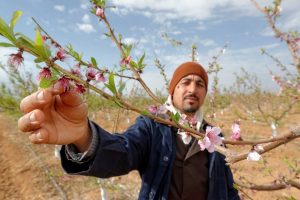
Le Programme d’appui au développement des zones défavorisées (AZD) de l’OIT en Tunisie financé par l’Union Européenne a mis en place des formations d’ouvriers agricoles dans la ville de Regueb. Il s’agissait de combler l’absence de formations existantes dans ce domaine, ce qui ne permettait pas aux habitants de la région, à la terre pourtant fertile, de tirer profit des possibilités offertes en matière d’emplois.

Subject Tags:

Agriculture

Slug
agriculture
Identifier
225

Skills re-training

Slug
skills-re-training
Identifier
655

Vocational training

Slug
vocational-training
Identifier
124
Regions:

Africa

Region Image
Countries and territories:

Questions and answers: How a sectoral approach to skills development helps contribute to productive and competitive economies

Questions and answers: How a sectoral approach to skills development helps contribute to productive and competitive economies

Type:
Document
Content Type:
Questions and answers: How a sectoral approach to skills development helps contribute to productive and competitive economies
Language:

English

Slug
english
Identifier
skpEng
Sources:

ILO

The International Labour Organization is the tripartite U.N. agency that promotes Decent Work through employment, social security, labour standards and social dialogue. Its work on skills development is guided by the conceptual framework on Skills to improve productivity, employment growth, and development agreed in 2008 by representatives of Governments, Employers’ Associations and Workers’ Associations. Research, policy advice, and pilot projects and technical cooperation programmes to apply good practices in different circumstances across its 185 member States aims to boost the employability of workers, the productivity and competitiveness of enterprises, and the inclusiveness of economic growth. The ILO Secretariat in offices in 40 countries works with Ministries of Labour, employers’ organizations, and trade unions to integrate skills development into national and sector development strategies in order to better meet current labour market needs and to prepare for the jobs of the future; to expand access to employment-related training so that youth, persons with disabilities and other vulnerable groups are better able to acquire skills and secure productive and decent work; and to improve the ability of public employment services to provide career guidance, maintain labour exchange services, and deliver active labour market programmes.For more information regarding the ILO’s work on skills and employability go to: http://www.ilo.org/skills/lang--en/index.htm; for ILO/Cinterfor's Knowledge Management Plarform, see: http://www.oitcinterfor.org

Thumbnail
Identifier
skpILO
Slug
ilo
Topics:

Sectoral approaches

Thumbnail

Matching skills to labour market demand requires reliable sectoral and occupational information and institutions that connect employers with training providers.  Sector based strategies and institutions have proved effective in engaging all stakeholders in promoting both pre-employment training and life-long learning.

Identifier
skpSectApr
Slug
sectoral-approaches
Knowledge Products:

Promotional material

Presentations, discussion papers, meeting reports, promotional materials, videos, fact sheets, brochures and newsletters on skills development for employment.

Thumbnail
Identifier
skpAIM
Slug
promotional-material
Publication Date:
13 Jun 2016
Helping enterprises find workers with the right skills, and ensuring that workers acquire the skills they need to find productive employment is a key to unlocking the door to economic prosperity and building inclusive societies. A methodology developed and being implemented by the ILO contributes to export growth, economic diversification and decent jobs by taking a sectoral approach to skills training and development. By adopting a forward-looking perspective, the intervention anticipates a sector’s development and growth opportunities based on its global competitive position and market development and anticipates the skills that the sector most needs to strengthen for future success. An equally important step in the process involves analysing current skills supply and demand. Together, these steps help to identify existing and anticipated skills shortages, and to plot a path to avoiding skills mismatches that contribute to unemployment.

The Global Skills for Employment Knowledge Sharing Platform (Global KSP) spoke with ILO Skills Specialist Cornelius Gregg about the impact of this intervention and how it differs from traditional forms of skills development and contributes to economic growth and productivity.

Download the complete Q&A in PDF.
Subject Tags:

Sectoral approaches

Slug
sectoral-approaches
Identifier
676

Skills and training policy

Slug
skills-and-training-policy
Identifier
666

Skills mismatch

Slug
skills-mismatch
Identifier
654

Trade

Slug
trade
Identifier
250

Vocational training

Slug
vocational-training
Identifier
124
Regions:

Skills for youth employment and rural development programme in Zimbabwe: An assessment of firms in economic subsectors

Skills for youth employment and rural development programme in Zimbabwe: An assessment of firms in economic subsectors

Type:
Document
Content Type:
Skills for youth employment and rural development programme in Zimbabwe: An assessment of firms in economic subsectors
Language:

English

Slug
english
Identifier
skpEng
Sources:

ILO

The International Labour Organization is the tripartite U.N. agency that promotes Decent Work through employment, social security, labour standards and social dialogue. Its work on skills development is guided by the conceptual framework on Skills to improve productivity, employment growth, and development agreed in 2008 by representatives of Governments, Employers’ Associations and Workers’ Associations. Research, policy advice, and pilot projects and technical cooperation programmes to apply good practices in different circumstances across its 185 member States aims to boost the employability of workers, the productivity and competitiveness of enterprises, and the inclusiveness of economic growth. The ILO Secretariat in offices in 40 countries works with Ministries of Labour, employers’ organizations, and trade unions to integrate skills development into national and sector development strategies in order to better meet current labour market needs and to prepare for the jobs of the future; to expand access to employment-related training so that youth, persons with disabilities and other vulnerable groups are better able to acquire skills and secure productive and decent work; and to improve the ability of public employment services to provide career guidance, maintain labour exchange services, and deliver active labour market programmes.For more information regarding the ILO’s work on skills and employability go to: http://www.ilo.org/skills/lang--en/index.htm; for ILO/Cinterfor's Knowledge Management Plarform, see: http://www.oitcinterfor.org

Thumbnail
Identifier
skpILO
Slug
ilo
Topics:

Rural employment

Thumbnail

Eight out of 10 of the world’s working poor who live on US $1.25 per day live in rural areas, where many are caught in vulnerable employment, especially in agriculture.Flourishing rural areas are vital to regional and national development. Yet, rural economies tend to face a wide range of challenges that urban areas are more likely to overcome. These include access to transportation, sanitation and health services, and a consumer base in close proximity to support small and medium enterprise development. Women and men working in rural areas also face difficulties associated with a paucity of economic opportunities, under investment, poor infrastructure and public services, including education, and, in many cases, weak governance and underdeveloped markets.

Education, entrepreneurship, and physical and social infrastructure all play an important role in developing rural regions. Skills are central to improving employability and livelihood opportunities, reducing poverty, enhancing productivity and promoting environmentally sustainable development.

Identifier
skpREmpl
Slug
rural-employment

Youth employability

Thumbnail

Globally, nearly 68 million young women and men are looking for and available for work,  and an estimated 123 million young people are working but living in poverty. The number who are not in employment, education or training (NEET) stands at 267 million, a majority of whom are young women. Significantly, young people are three times as likely as adults (25 years and older) to be unemployed.

Skills development is a primary means of enabling young people to make a smooth transition to work. A comprehensive approach is required to integrate young women and men in the labour market, including relevant and quality skills training, labour market information, career guidance and employment services, recognition of prior learning, incorporating entrepreneurship with training and effective skills forecasting. Improved basic education and core work skills are particularly important to enable youth to engage in lifelong learning as well as transition to the labour market. 

Identifier
skpYoEmp
Slug
youth-employability
Knowledge Products:

Research papers

Working papers, reports, and other publications from international organizations, academic institutions and bilateral agencies. Research findings to stimulate informed debate on skills, employment and productivity issues. 

Thumbnail
Identifier
skpRPS
Slug
research-papers
Publication Date:
07 Jun 2016
ILO Skills for Youth Employment and Rural Development Programme in Zimbabwe. The programme was funded by the Government of Denmark and implemented by the International Labour Organization. The goals of this subsector analysis study are to have a better appreciation of the efficacy of the initiatives being implemented under both the Training for Rural Economic Empowerment (TREE) and the Quality Improvements In Informal Apprenticeships (QIA) methodologies that were applied in the implementation of the ILO Skills for Youth Employment and Rural Development Programme in Zimbabwe. The study seeks to establish if: the programme was successful in enhancing young people’s skills for employment; employment opportunities were created; and if youth business ventures were viable as a result of young men and women participating in the programme. It was also anticipated that the study would yield key lessons and best practices that would inform future programming.

The study used a mixed methodology, employing document review, interviews and focus group discussions with beneficiaries, as well as in-depth interviews with the programme’s managers and implementers, as data collection methods.

The skills component of the programme proved vital for the success of the various initiatives profiled in this study. In conclusion, drawing on the empirical evidence and subsequent analysis the youth empowerment initiatives implemented by the skills programme were found to be effective. With evidence of improvements in income and subsequent improvement in quality of life among the beneficiaries of the training programme the initiative’s relevance was clearly demonstrated.
Subject Tags:

Apprenticeships

Slug
apprenticeships
Identifier
639

Rural employment

Slug
rural-employment
Identifier
670

Vocational training

Slug
vocational-training
Identifier
124
Regions:

Africa

Region Image
Countries and territories:

Why demand-driven apprenticeships make sense in increasing the employment prospects of young people and in closing skills gaps

Why demand-driven apprenticeships make sense in increasing the employment prospects of young people and in closing skills gaps

Type:
Document
Content Type:
Why demand-driven apprenticeships make sense in increasing the employment prospects of young people and in closing skills gaps
Language:

English

Slug
english
Identifier
skpEng
Sources:

ILO

The International Labour Organization is the tripartite U.N. agency that promotes Decent Work through employment, social security, labour standards and social dialogue. Its work on skills development is guided by the conceptual framework on Skills to improve productivity, employment growth, and development agreed in 2008 by representatives of Governments, Employers’ Associations and Workers’ Associations. Research, policy advice, and pilot projects and technical cooperation programmes to apply good practices in different circumstances across its 185 member States aims to boost the employability of workers, the productivity and competitiveness of enterprises, and the inclusiveness of economic growth. The ILO Secretariat in offices in 40 countries works with Ministries of Labour, employers’ organizations, and trade unions to integrate skills development into national and sector development strategies in order to better meet current labour market needs and to prepare for the jobs of the future; to expand access to employment-related training so that youth, persons with disabilities and other vulnerable groups are better able to acquire skills and secure productive and decent work; and to improve the ability of public employment services to provide career guidance, maintain labour exchange services, and deliver active labour market programmes.For more information regarding the ILO’s work on skills and employability go to: http://www.ilo.org/skills/lang--en/index.htm; for ILO/Cinterfor's Knowledge Management Plarform, see: http://www.oitcinterfor.org

Thumbnail
Identifier
skpILO
Slug
ilo
Topics:
Knowledge Products:

Promotional material

Presentations, discussion papers, meeting reports, promotional materials, videos, fact sheets, brochures and newsletters on skills development for employment.

Thumbnail
Identifier
skpAIM
Slug
promotional-material
Publication Date:
25 May 2016
Opinion by Michael Axmann, ILO Senior Skills Specialist

I always find it amazing to see how employers in so many different countries shy away from participating in apprenticeship programmes that are largely designed to help young people overcome the work-inexperience trap blocking their transition from education to employment. Frequently labelled as work-based learning, many so-called apprenticeships, however, contain minimal work-based elements - in some countries as little as one month per year during the first years of the apprenticeship. These “short-term dips” into the world of work are very often determined by government policy-makers responsible for these programmes rather than driven by the demand or needs of industries and services. Often, they are simply not sufficient to help young people make the transition from school-to-work, nor effectively address youth unemployment. The ILO’s quality apprenticeship approach offers something completely different. What is more, many employers fully support it.

Our logic is quite simple: employers articulate their skills needs and identify skills mismatches in selected sectors with job creation potential. Next, we start working with them and representatives of trade unions and government. The employers are in the driver’s seat, however, during the entire consultation process. This result is a quality apprenticeship scheme that directly addresses the skills that employers need, while growing a committed, engaged workforce and opening up pathways for new talent into their organizations, occupations and sectors.

There are clear differences between apprenticeships based on skills needs as opposed to a supply-driven approach; and employers appreciate the former. Still, government ministries need to allow the social partners, employers in particular, to play an even bigger role in developing apprenticeship frameworks and management structures, and maintaining and evaluating such programmes. Admittedly, it is not always an easy process, but the benefits will almost certainly far outweigh any perceived challenges and barriers. All of the countries where I have worked over the last four years have advocated for the programme, including, among others, Costa Rica, Greece, Indonesia, Jamaica, Kenya, Latvia, Mexico, Portugal, South Africa, and Spain.

Seventy-five per cent of all small and medium-sized enterprises (SMEs) in Germany, more than 80 per cent of all SMEs in Switzerland and 50 per cent of the sugar mill owners registered in the Association of Employers in the Sugar Sector in Mexico participate in quality apprenticeships. They all do so, not because they are forced to but because they see the benefits of giving young people the relevant skills needed in a specific sector or occupation. Knowledgeable employers recognize the cost-benefits of taking on apprentices and are recuperating the costs of their investment as early as the second year of apprenticeships.

This is the logic we are trying to convey through our work in advocating for quality apprenticeships. If we can manage to get the formula right we can help to establish a strong system – one that responds to closing the skills gaps and increasing the employment prospects of young people when effectively combined with national efforts to spur job growth.

Subject Tags:

Apprenticeships

Slug
apprenticeships
Identifier
639

School-to-work transition

Slug
school-to-work-transition
Identifier
652

Vocational training

Slug
vocational-training
Identifier
124
Regions:

Upgrading of technical/industrial skills: What do international good and best practices tell us?

Upgrading of technical/industrial skills: What do international good and best practices tell us?

Type:
Document
Content Type:
Upgrading of technical/industrial skills: What do international good and best practices tell us?
Language:

English

Slug
english
Identifier
skpEng
Sources:

Bilateral organizations

The development agencies of many countries make skills development a pillar of their Official Development Assistance – from the perspective of education systems, employment promotion, poverty reduction, and private sector development. Documentation of their experience, evaluations and impact assessments, mission statements, and other knowledge products are made available through the Global KSP.

Thumbnail
Identifier
skpBiOrg
Slug
bilateral-organizations

Other sources

Experts from many international, regional and national agencies generously share their views, experiences and findings on skills, helping policy-makers among other stakeholders to understand the linkages between education, training and the world of work, and how to integrate skills into national development planning to promote employment and economic growth.

Thumbnail
Identifier
skpOSource
Slug
other-sources
Topics:

Training quality and relevance

Thumbnail
Identifier
skpTrainQR
Slug
training-quality-and-relevance
Knowledge Products:

Case studies and good practices

Case studies that document good practices and illustrate the benefits and lessons learnt of particular approaches or methods in real practice. 

Thumbnail
Identifier
skpCaseStdy
Slug
case-studies-and-good-practices
Publication Date:
20 May 2016
This document identifies and analyses existing evidence as from skills development initiatives and programs. Information has been collected through a review of literature on the effectiveness of TVET Interventions, with a focus of low and middle income countries.
Subject Tags:

School-to-work transition

Slug
school-to-work-transition
Identifier
652

Skills upgrading

Slug
skills-upgrading
Identifier
657

Vocational training

Slug
vocational-training
Identifier
124
Regions:

Skills for trade and economic diversification (STED) in Egypt the case of the: Furniture industry

Skills for trade and economic diversification (STED) in Egypt the case of the: Furniture industry

Type:
Document
Content Type:
Skills for trade and economic diversification (STED) in Egypt the case of the: Furniture industry
Language:

English

Slug
english
Identifier
skpEng
Sources:

ILO

The International Labour Organization is the tripartite U.N. agency that promotes Decent Work through employment, social security, labour standards and social dialogue. Its work on skills development is guided by the conceptual framework on Skills to improve productivity, employment growth, and development agreed in 2008 by representatives of Governments, Employers’ Associations and Workers’ Associations. Research, policy advice, and pilot projects and technical cooperation programmes to apply good practices in different circumstances across its 185 member States aims to boost the employability of workers, the productivity and competitiveness of enterprises, and the inclusiveness of economic growth. The ILO Secretariat in offices in 40 countries works with Ministries of Labour, employers’ organizations, and trade unions to integrate skills development into national and sector development strategies in order to better meet current labour market needs and to prepare for the jobs of the future; to expand access to employment-related training so that youth, persons with disabilities and other vulnerable groups are better able to acquire skills and secure productive and decent work; and to improve the ability of public employment services to provide career guidance, maintain labour exchange services, and deliver active labour market programmes.For more information regarding the ILO’s work on skills and employability go to: http://www.ilo.org/skills/lang--en/index.htm; for ILO/Cinterfor's Knowledge Management Plarform, see: http://www.oitcinterfor.org

Thumbnail
Identifier
skpILO
Slug
ilo
Topics:

Anticipating and matching skills needs

Thumbnail

Anticipating and building skills for the future is essential to a rapidly changing labour market. This applies to changes in the types and levels of skills needed as well as in occupational and technical areas. Effective methods to anticipate future skills needs and avoid potential mismatches include: sustained dialogue between employers and trainers, coordination across government institutions, labour market information systems, employment services and performance reviews of training institutions. 

Identifier
skpAFSN
Slug
anticipating-and-matching-skills-needs

Sectoral approaches

Thumbnail

Matching skills to labour market demand requires reliable sectoral and occupational information and institutions that connect employers with training providers.  Sector based strategies and institutions have proved effective in engaging all stakeholders in promoting both pre-employment training and life-long learning.

Identifier
skpSectApr
Slug
sectoral-approaches
Knowledge Products:

Research papers

Working papers, reports, and other publications from international organizations, academic institutions and bilateral agencies. Research findings to stimulate informed debate on skills, employment and productivity issues. 

Thumbnail
Identifier
skpRPS
Slug
research-papers
Publication Date:
20 May 2016
This report presents an application of the International Labour Organization’s (ILO) Skills for Trade and Economic Diversification (STED) methodology as applied to the furniture industry of Egypt’s economy.

This report describes the furniture industry in Egypt, highlights the findings of the STED analysis conducted in 2014, including a skills establishment survey, and presents conclusions, strategies and recommendations based on stakeholder consultations and a final validation workshop on how to further develop the industry.
Subject Tags:

Economic growth

Slug
economic-growth
Identifier
166

Sectoral approaches

Slug
sectoral-approaches
Identifier
676

Skills and training policy

Slug
skills-and-training-policy
Identifier
666

Skills anticipation

Slug
skills-anticipation
Identifier
677

Vocational training

Slug
vocational-training
Identifier
124
Regions:

Africa

Region Image
Countries and territories:

Avances y retos en la formación para el trabajo en Colombia

Avances y retos en la formación para el trabajo en Colombia

Type:
Document
Content Type:
Avances y retos en la formación para el trabajo en Colombia
Language:

Spanish

Slug
spanish
Identifier
skpEsp
Sources:

Other sources

Experts from many international, regional and national agencies generously share their views, experiences and findings on skills, helping policy-makers among other stakeholders to understand the linkages between education, training and the world of work, and how to integrate skills into national development planning to promote employment and economic growth.

Thumbnail
Identifier
skpOSource
Slug
other-sources
Topics:

Access to training

Thumbnail

Access for all to good quality education, vocational training and workplace learning is a fundamental principle of social cohesion and economic growth. Some groups of people may require targeted attention if they are to benefit from education, training and employment opportunities.  

This is particularly the case for disadvantaged youth, lower skilled workers, people with disabilities, and people in rural communities. The attractiveness of vocational education and training is enhanced when combined with entrepreneurship training and when public policies encourage utilization of higher skills by business. 
 

Identifier
skpATSU
Slug
access-to-training
Knowledge Products:

Research papers

Working papers, reports, and other publications from international organizations, academic institutions and bilateral agencies. Research findings to stimulate informed debate on skills, employment and productivity issues. 

Thumbnail
Identifier
skpRPS
Slug
research-papers
Publication Date:
20 May 2016

Este documento examina el sistema de formación para el trabajo en Colombia. Su definición de formación para el trabajo incorpora distintas modalidades que se ofrecen actualmente en el país. En primer lugar, contempla la formación que se ofrece en el sistema de educación formal, a través de los programas de educación media técnica (en los dos últimos grados de la secundaria) y los programas de educación superior conducentes a títulos Técnicos y Tecnológicos (TyT). También contempla la oferta de programas de formación para el trabajo que están fuera del sistema formal de educación, como son los cursos de capacitación y los contratos de aprendizaje.

Subject Tags:

Apprenticeships

Slug
apprenticeships
Identifier
639

School-to-work transition

Slug
school-to-work-transition
Identifier
652

Skills and training policy

Slug
skills-and-training-policy
Identifier
666

Skills upgrading

Slug
skills-upgrading
Identifier
657

Vocational training

Slug
vocational-training
Identifier
124
Regions:

Americas

Region Image
Countries and territories:

Educación técnico profesional en Chile

Educación técnico profesional en Chile

Type:
Document
Content Type:
Educación técnico profesional en Chile
Language:

Spanish

Slug
spanish
Identifier
skpEsp
Sources:
Topics:

Access to training

Thumbnail

Access for all to good quality education, vocational training and workplace learning is a fundamental principle of social cohesion and economic growth. Some groups of people may require targeted attention if they are to benefit from education, training and employment opportunities.  

This is particularly the case for disadvantaged youth, lower skilled workers, people with disabilities, and people in rural communities. The attractiveness of vocational education and training is enhanced when combined with entrepreneurship training and when public policies encourage utilization of higher skills by business. 
 

Identifier
skpATSU
Slug
access-to-training
Knowledge Products:

Research papers

Working papers, reports, and other publications from international organizations, academic institutions and bilateral agencies. Research findings to stimulate informed debate on skills, employment and productivity issues. 

Thumbnail
Identifier
skpRPS
Slug
research-papers
Publication Date:
20 May 2016

La nota se organiza de la siguiente manera. En la primera sección se describe el marco institucional y legal de la educación técnico profesional (ETP), como escenario donde los jóvenes toman decisiones que redundarán en resultados en el mercado laboral y donde la política pública tendrá un rol. En la sección 4, se plantea justamente el rol de la política pública en la ETP, los avances de los últimos años y los desafíos tanto en la EMTP como en la Educación Superior Técnico Profesional (ESTP) y la transición entre ambas, destacando espacios de mejoras para la política pública, y aspectos transversales para articular y coordinar. En la sección 5, se describen las prioridades del gobierno en el área. En la sección 6, se plantean opciones y recomendaciones de política. Y finalmente, se resumen riesgos y matriz de resultados.

Subject Tags:

Education and training

Slug
education-and-training
Identifier
116

Skills and training policy

Slug
skills-and-training-policy
Identifier
666

Vocational training

Slug
vocational-training
Identifier
124

Youth

Slug
youth
Identifier
319
Regions:

Americas

Region Image
Countries and territories:

White paper for post-school education and training: Building an expanded, effective and integrated post-school system

White paper for post-school education and training: Building an expanded, effective and integrated post-school system

Type:
Document
Content Type:
White paper for post-school education and training: Building an expanded, effective and integrated post-school system
Language:

English

Slug
english
Identifier
skpEng
Sources:

Governments

Governments hold a wealth of knowledge on skills development, and are increasingly realizing the value of learning from each others’ experiences. Their policy documents, programme evaluations, and research findings contain their experience and ideas on how to better link skills to employment

Thumbnail
Identifier
skpGov
Slug
governments
Topics:

Lifelong learning

Thumbnail

There is a critical need for a greater overall investment in education and training, particularly in developing countries. Education and training investments should be closely linked to economic and employment growth strategies and programmes. Responsibility should be shared between the government (primary responsibility), enterprises, the social partners, and the individual. To make lifelong learning for all a reality, countries will need to make major reforms of their vocational and education and training systems. School-to-work schemes for young people should integrate education with workplace learning. Training systems need to become more flexible and responsive to rapidly changing skill requirements. Reforms should also focus on how learning can be facilitated, not just on training for specific occupational categories.

Identifier
skpPSLLL
Slug
lifelong-learning
Knowledge Products:

National policies and initiatives

National legislation, policies and initiatives on the issue of training and skills development and the world of work. 

Thumbnail
Identifier
skpNatPol
Slug
national-policies-and-initiatives
Publication Date:
12 May 2016
This white paper sets out strategies to improve the capacity of the post-school education and training system to meet South Africa’s needs. It outlines policy directions to guide the Department of Higher Education and Training and the institutions for which it is responsible in order to contribute to building a developmental state with a vibrant democracy and a flourishing economy. Its main policy objectives are:

- a post-school system that can assist in building a fair, equitable, non-racial, non-sexist and democratic South Africa;

- a single, coordinated post-school education and training system;

- expanded access, improved quality and increased diversity of provision;

- a stronger and more cooperative relationship between education and training institutions and the workplace;

- a post-school education and training system that is responsive to the needs of individual citizens, employers in both public and private sectors, as well as broader societal and developmental objectives.
Subject Tags:

Lifelong learning

Slug
lifelong-learning
Identifier
400

Qualification frameworks

Slug
qualification-frameworks
Identifier
651

School-to-work transition

Slug
school-to-work-transition
Identifier
652

TVET systems

Slug
tvet-systems
Identifier
661

Vocational training

Slug
vocational-training
Identifier
124
Regions:

Africa

Region Image
Countries and territories: