Manuel de procédures pour l’accompagnement des jeunes chercheurs d’emploi

Manuel de procédures pour l’accompagnement des jeunes chercheurs d’emploi

Type:
Document
Content Type:
Manuel de procédures pour l’accompagnement des jeunes chercheurs d’emploi
Language:

French

Slug
french
Identifier
skpFrn
Sources:

ILO

The International Labour Organization is the tripartite U.N. agency that promotes Decent Work through employment, social security, labour standards and social dialogue. Its work on skills development is guided by the conceptual framework on Skills to improve productivity, employment growth, and development agreed in 2008 by representatives of Governments, Employers’ Associations and Workers’ Associations. Research, policy advice, and pilot projects and technical cooperation programmes to apply good practices in different circumstances across its 185 member States aims to boost the employability of workers, the productivity and competitiveness of enterprises, and the inclusiveness of economic growth. The ILO Secretariat in offices in 40 countries works with Ministries of Labour, employers’ organizations, and trade unions to integrate skills development into national and sector development strategies in order to better meet current labour market needs and to prepare for the jobs of the future; to expand access to employment-related training so that youth, persons with disabilities and other vulnerable groups are better able to acquire skills and secure productive and decent work; and to improve the ability of public employment services to provide career guidance, maintain labour exchange services, and deliver active labour market programmes.For more information regarding the ILO’s work on skills and employability go to: http://www.ilo.org/skills/lang--en/index.htm; for ILO/Cinterfor's Knowledge Management Plarform, see: http://www.oitcinterfor.org

Thumbnail
Identifier
skpILO
Slug
ilo

Other sources

Experts from many international, regional and national agencies generously share their views, experiences and findings on skills, helping policy-makers among other stakeholders to understand the linkages between education, training and the world of work, and how to integrate skills into national development planning to promote employment and economic growth.

Thumbnail
Identifier
skpOSource
Slug
other-sources
Topics:
Knowledge Products:

Other knowledge products

Thumbnail
Identifier
skpOProduct
Slug
other-knowledge-products
Publication Date:
23 Jan 2017

Ce manuel est le fruit de la coopération entre l’Agence Nationale pour l’Emploi et le Travail Indépendant (ANETI) et le projet PEJTUN «Emplois décents pour la jeunesse tunisienne», financé par la Coopération danoise au développement (DANIDA) et mis en oeuvre par l’Organisation Internationale du Travail (OIT).

Le manuel de procédures pour l’accompagnement des jeunes chercheurs d’emploi.

Partie 1: Processus d’intervention en counseling d’emploi
Partie 2: Processus d’accompagnement et outils de profilage
Partie 3: Communauté de pratique

Subject Tags:

Apprenticeships

Slug
apprenticeships
Identifier
639

Employability

Slug
employability
Identifier
643
Regions:

Africa

Region Image
Countries and territories:

L'amélioration de l'apprentissage informel en Tunisie

L'amélioration de l'apprentissage informel en Tunisie

Type:
Document
Content Type:
L'amélioration de l'apprentissage informel en Tunisie
Language:

French

Slug
french
Identifier
skpFrn
Sources:

Governments

Governments hold a wealth of knowledge on skills development, and are increasingly realizing the value of learning from each others’ experiences. Their policy documents, programme evaluations, and research findings contain their experience and ideas on how to better link skills to employment

Thumbnail
Identifier
skpGov
Slug
governments

ILO

The International Labour Organization is the tripartite U.N. agency that promotes Decent Work through employment, social security, labour standards and social dialogue. Its work on skills development is guided by the conceptual framework on Skills to improve productivity, employment growth, and development agreed in 2008 by representatives of Governments, Employers’ Associations and Workers’ Associations. Research, policy advice, and pilot projects and technical cooperation programmes to apply good practices in different circumstances across its 185 member States aims to boost the employability of workers, the productivity and competitiveness of enterprises, and the inclusiveness of economic growth. The ILO Secretariat in offices in 40 countries works with Ministries of Labour, employers’ organizations, and trade unions to integrate skills development into national and sector development strategies in order to better meet current labour market needs and to prepare for the jobs of the future; to expand access to employment-related training so that youth, persons with disabilities and other vulnerable groups are better able to acquire skills and secure productive and decent work; and to improve the ability of public employment services to provide career guidance, maintain labour exchange services, and deliver active labour market programmes.For more information regarding the ILO’s work on skills and employability go to: http://www.ilo.org/skills/lang--en/index.htm; for ILO/Cinterfor's Knowledge Management Plarform, see: http://www.oitcinterfor.org

Thumbnail
Identifier
skpILO
Slug
ilo

Information is gathered from other international organizations that promote skills development and the transition from education and training to work. The Interagency Group on Technical and Vocational Education and Training (IAG-TVET) was established in 2009 to share research findings, coordinate joint research endeavours, and improve collaboration among organizations working at the international and national levels.

Thumbnail
Identifier
skpIntOrg
Slug
international-organizations
Topics:

Apprenticeships

Thumbnail

Quality apprenticeships based on robust social dialogue and public-private partnerships can improve employment prospects for young people while developing high level skills identified by employers as necessary for growth and increased productivity. Both informal and regulated apprenticeship systems are important learning resources enabling young people to overcome the work-inexperience trap, gain new and enhanced skills and recognized qualifications.

Upgrading informal apprenticeships and expanding regulated ones is a cost-effective way to invest in a country’s skills base, promote economic growth and enhance the employability of youth.

Identifier
skpAppren
Slug
apprenticeships
Knowledge Products:

Research papers

Working papers, reports, and other publications from international organizations, academic institutions and bilateral agencies. Research findings to stimulate informed debate on skills, employment and productivity issues. 

Thumbnail
Identifier
skpRPS
Slug
research-papers
Publication Date:
18 Jul 2016

La mission d’étude quantitative et qualitative de l’apprentissage informel s’insère dans une ligne d’action (‘Amélioration de l’apprentissage informel en Tunisie’), dans le cadre du programme conjoint ‘Jeune – emploi – migration’ (2009 – 2013). Elle s’est déroulée entre octobre et décembre 2012.

La présente étude vise à :
1) Comprendre les pratiques d’apprentissage dans des métiers sélectionnés et déterminer si l’informalité constitue un phénomène d’une masse critique ou négligeable ;
2) Apprécier l’approche mise en place par le gouvernement tunisien pour structurer l’apprentissage informel à travers l’obtention d’un certificat formel ;
3) Apporter des observations nourries par les enquêtes sur le terrain pour enrichir les réflexions.

Subject Tags:

Apprenticeships

Slug
apprenticeships
Identifier
639

Informal economy

Slug
informal-economy
Identifier
187

Vocational training

Slug
vocational-training
Identifier
124
Regions:

Africa

Region Image
Countries and territories:

Créer des compétences locales pour des emplois locaux en Tunisie (Video)

Créer des compétences locales pour des emplois locaux en Tunisie (Video)

Type:
Document
Content Type:
Créer des compétences locales pour des emplois locaux en Tunisie (Video)
Language:

French

Slug
french
Identifier
skpFrn
Sources:

ILO

The International Labour Organization is the tripartite U.N. agency that promotes Decent Work through employment, social security, labour standards and social dialogue. Its work on skills development is guided by the conceptual framework on Skills to improve productivity, employment growth, and development agreed in 2008 by representatives of Governments, Employers’ Associations and Workers’ Associations. Research, policy advice, and pilot projects and technical cooperation programmes to apply good practices in different circumstances across its 185 member States aims to boost the employability of workers, the productivity and competitiveness of enterprises, and the inclusiveness of economic growth. The ILO Secretariat in offices in 40 countries works with Ministries of Labour, employers’ organizations, and trade unions to integrate skills development into national and sector development strategies in order to better meet current labour market needs and to prepare for the jobs of the future; to expand access to employment-related training so that youth, persons with disabilities and other vulnerable groups are better able to acquire skills and secure productive and decent work; and to improve the ability of public employment services to provide career guidance, maintain labour exchange services, and deliver active labour market programmes.For more information regarding the ILO’s work on skills and employability go to: http://www.ilo.org/skills/lang--en/index.htm; for ILO/Cinterfor's Knowledge Management Plarform, see: http://www.oitcinterfor.org

Thumbnail
Identifier
skpILO
Slug
ilo
Topics:

Rural employment

Thumbnail

Eight out of 10 of the world’s working poor who live on US $1.25 per day live in rural areas, where many are caught in vulnerable employment, especially in agriculture.Flourishing rural areas are vital to regional and national development. Yet, rural economies tend to face a wide range of challenges that urban areas are more likely to overcome. These include access to transportation, sanitation and health services, and a consumer base in close proximity to support small and medium enterprise development. Women and men working in rural areas also face difficulties associated with a paucity of economic opportunities, under investment, poor infrastructure and public services, including education, and, in many cases, weak governance and underdeveloped markets.

Education, entrepreneurship, and physical and social infrastructure all play an important role in developing rural regions. Skills are central to improving employability and livelihood opportunities, reducing poverty, enhancing productivity and promoting environmentally sustainable development.

Identifier
skpREmpl
Slug
rural-employment
Knowledge Products:

Promotional material

Presentations, discussion papers, meeting reports, promotional materials, videos, fact sheets, brochures and newsletters on skills development for employment.

Thumbnail
Identifier
skpAIM
Slug
promotional-material
Publication Date:
20 Jun 2016

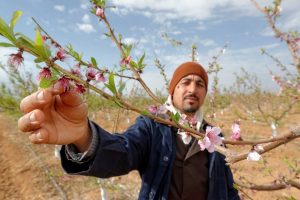
Le Programme d’appui au développement des zones défavorisées (AZD) de l’OIT en Tunisie financé par l’Union Européenne a mis en place des formations d’ouvriers agricoles dans la ville de Regueb. Il s’agissait de combler l’absence de formations existantes dans ce domaine, ce qui ne permettait pas aux habitants de la région, à la terre pourtant fertile, de tirer profit des possibilités offertes en matière d’emplois.

Subject Tags:

Agriculture

Slug
agriculture
Identifier
225

Skills re-training

Slug
skills-re-training
Identifier
655

Vocational training

Slug
vocational-training
Identifier
124
Regions:

Africa

Region Image
Countries and territories:

Developing skills for employability with German partners: 8 success stories from the medical and geriatric care sector

Developing skills for employability with German partners: 8 success stories from the medical and geriatric care sector

Type:
Document
Content Type:
Developing skills for employability with German partners: 8 success stories from the medical and geriatric care sector
Language:

English

Slug
english
Identifier
skpEng
Sources:

Other sources

Experts from many international, regional and national agencies generously share their views, experiences and findings on skills, helping policy-makers among other stakeholders to understand the linkages between education, training and the world of work, and how to integrate skills into national development planning to promote employment and economic growth.

Thumbnail
Identifier
skpOSource
Slug
other-sources
Topics:

Access to training

Thumbnail

Access for all to good quality education, vocational training and workplace learning is a fundamental principle of social cohesion and economic growth. Some groups of people may require targeted attention if they are to benefit from education, training and employment opportunities.  

This is particularly the case for disadvantaged youth, lower skilled workers, people with disabilities, and people in rural communities. The attractiveness of vocational education and training is enhanced when combined with entrepreneurship training and when public policies encourage utilization of higher skills by business. 
 

Identifier
skpATSU
Slug
access-to-training

Training quality and relevance

Thumbnail
Identifier
skpTrainQR
Slug
training-quality-and-relevance
Knowledge Products:

Case studies and good practices

Case studies that document good practices and illustrate the benefits and lessons learnt of particular approaches or methods in real practice. 

Thumbnail
Identifier
skpCaseStdy
Slug
case-studies-and-good-practices
Publication Date:
20 Apr 2016
Germany’s success in the healthcare sector is reinforced by its training expertise. 'Training – Made in Germany' offers the necessary know-how to meet the challenge in the field of vocational education and training. Germany has a long-standing tradition in this field and enjoys a high reputation for the demand-driven and practical orientation of its qualification programmes. The integration of professional, social and methodological competencies characterises the kind of knowledge German partners can provide. This document presents eight success stories of skill development in the health and geriatric care sector, realised in a joint effort by German and international partners.
Subject Tags:

Skills re-training

Slug
skills-re-training
Identifier
655

TVET systems

Slug
tvet-systems
Identifier
661

Vocational training

Slug
vocational-training
Identifier
124
Regions:

Transition vers le marché du travail des jeunes femmes et hommes en Tunisie: Résultats de l'enquête auprès des entreprises

Transition vers le marché du travail des jeunes femmes et hommes en Tunisie: Résultats de l'enquête auprès des entreprises

Type:
Document
Content Type:
Transition vers le marché du travail des jeunes femmes et hommes en Tunisie: Résultats de l'enquête auprès des entreprises
Language:

French

Slug
french
Identifier
skpFrn
Sources:

ILO

The International Labour Organization is the tripartite U.N. agency that promotes Decent Work through employment, social security, labour standards and social dialogue. Its work on skills development is guided by the conceptual framework on Skills to improve productivity, employment growth, and development agreed in 2008 by representatives of Governments, Employers’ Associations and Workers’ Associations. Research, policy advice, and pilot projects and technical cooperation programmes to apply good practices in different circumstances across its 185 member States aims to boost the employability of workers, the productivity and competitiveness of enterprises, and the inclusiveness of economic growth. The ILO Secretariat in offices in 40 countries works with Ministries of Labour, employers’ organizations, and trade unions to integrate skills development into national and sector development strategies in order to better meet current labour market needs and to prepare for the jobs of the future; to expand access to employment-related training so that youth, persons with disabilities and other vulnerable groups are better able to acquire skills and secure productive and decent work; and to improve the ability of public employment services to provide career guidance, maintain labour exchange services, and deliver active labour market programmes.For more information regarding the ILO’s work on skills and employability go to: http://www.ilo.org/skills/lang--en/index.htm; for ILO/Cinterfor's Knowledge Management Plarform, see: http://www.oitcinterfor.org

Thumbnail
Identifier
skpILO
Slug
ilo
Topics:

Youth employability

Thumbnail

Globally, nearly 68 million young women and men are looking for and available for work,  and an estimated 123 million young people are working but living in poverty. The number who are not in employment, education or training (NEET) stands at 267 million, a majority of whom are young women. Significantly, young people are three times as likely as adults (25 years and older) to be unemployed.

Skills development is a primary means of enabling young people to make a smooth transition to work. A comprehensive approach is required to integrate young women and men in the labour market, including relevant and quality skills training, labour market information, career guidance and employment services, recognition of prior learning, incorporating entrepreneurship with training and effective skills forecasting. Improved basic education and core work skills are particularly important to enable youth to engage in lifelong learning as well as transition to the labour market. 

Identifier
skpYoEmp
Slug
youth-employability
Knowledge Products:

Research papers

Working papers, reports, and other publications from international organizations, academic institutions and bilateral agencies. Research findings to stimulate informed debate on skills, employment and productivity issues. 

Thumbnail
Identifier
skpRPS
Slug
research-papers
Publication Date:
07 Apr 2016

Le présent rapport est consacrée à l’étude des caractéristiques des entreprises cibles d’une enquête sur la Transition de l’Ecole vers la Vie Active (ETVA) auprès des jeunes Tunisiens âgés de 15 à 29 ans, et d’une deuxième enquête auprès des entreprises et les difficultés que celles-ci rencontrent. La quatrième section de ce rapport revue l’organisation et participation des employés dans des expériences de formation.

Subject Tags:

Education and training

Slug
education-and-training
Identifier
116

Employability

Slug
employability
Identifier
643

Entrepreneurship

Slug
entrepreneurship
Identifier
182

School-to-work transition

Slug
school-to-work-transition
Identifier
652

Youth

Slug
youth
Identifier
319
Regions:

Africa

Region Image
Countries and territories:

Compétences pour le Commerce et la Diversification Économique (STED) en Tunisie, Cas du: Secteur de l’agroalimentaire

Compétences pour le Commerce et la Diversification Économique (STED) en Tunisie, Cas du: Secteur de l’agroalimentaire

Type:
Document
Content Type:
Compétences pour le Commerce et la Diversification Économique (STED) en Tunisie, Cas du: Secteur de l’agroalimentaire
Language:

French

Slug
french
Identifier
skpFrn
Sources:

ILO

The International Labour Organization is the tripartite U.N. agency that promotes Decent Work through employment, social security, labour standards and social dialogue. Its work on skills development is guided by the conceptual framework on Skills to improve productivity, employment growth, and development agreed in 2008 by representatives of Governments, Employers’ Associations and Workers’ Associations. Research, policy advice, and pilot projects and technical cooperation programmes to apply good practices in different circumstances across its 185 member States aims to boost the employability of workers, the productivity and competitiveness of enterprises, and the inclusiveness of economic growth. The ILO Secretariat in offices in 40 countries works with Ministries of Labour, employers’ organizations, and trade unions to integrate skills development into national and sector development strategies in order to better meet current labour market needs and to prepare for the jobs of the future; to expand access to employment-related training so that youth, persons with disabilities and other vulnerable groups are better able to acquire skills and secure productive and decent work; and to improve the ability of public employment services to provide career guidance, maintain labour exchange services, and deliver active labour market programmes.For more information regarding the ILO’s work on skills and employability go to: http://www.ilo.org/skills/lang--en/index.htm; for ILO/Cinterfor's Knowledge Management Plarform, see: http://www.oitcinterfor.org

Thumbnail
Identifier
skpILO
Slug
ilo
Topics:

Sectoral approaches

Thumbnail

Matching skills to labour market demand requires reliable sectoral and occupational information and institutions that connect employers with training providers.  Sector based strategies and institutions have proved effective in engaging all stakeholders in promoting both pre-employment training and life-long learning.

Identifier
skpSectApr
Slug
sectoral-approaches
Knowledge Products:

Case studies and good practices

Case studies that document good practices and illustrate the benefits and lessons learnt of particular approaches or methods in real practice. 

Thumbnail
Identifier
skpCaseStdy
Slug
case-studies-and-good-practices

Research papers

Working papers, reports, and other publications from international organizations, academic institutions and bilateral agencies. Research findings to stimulate informed debate on skills, employment and productivity issues. 

Thumbnail
Identifier
skpRPS
Slug
research-papers
Publication Date:
07 Mar 2016

Le présent rapport est le produit de l’application de la méthodologie STED «Compétences pour le Commerce et la Diversification Economique» au secteur de l’agroalimentaire en Tunisie. Il marque la fin de la phase analytique de la méthodologie et donne le coup d’envoi pour la deuxième phase, celle relative à la mise en oeuvre des initiatives proposées par l’ensemble des intervenants du secteur et qui sont décrites dans ce rapport.


La méthodologie STED, développée par l’OIT, vise à fournir une orientation stratégique pour l'intégration du développement des compétences dans les politiques sectorielles. Elle a été conçue pour soutenir la croissance et la création d'emplois décents dans les secteurs qui ont le potentiel d'accroitre les exportations et de contribuer à la diversification économique.

Subject Tags:

Agriculture

Slug
agriculture
Identifier
225

Sectoral approaches

Slug
sectoral-approaches
Identifier
676

Skills anticipation

Slug
skills-anticipation
Identifier
677

Skills mismatch

Slug
skills-mismatch
Identifier
654
Regions:

Africa

Region Image
Countries and territories:

Being young in the Maghreb

Being young in the Maghreb

Type:
Document
Content Type:
Being young in the Maghreb
Language:

English

Slug
english
Identifier
skpEng
Sources:

Information is gathered from other international organizations that promote skills development and the transition from education and training to work. The Interagency Group on Technical and Vocational Education and Training (IAG-TVET) was established in 2009 to share research findings, coordinate joint research endeavours, and improve collaboration among organizations working at the international and national levels.

Thumbnail
Identifier
skpIntOrg
Slug
international-organizations
Topics:

Anticipating and matching skills needs

Thumbnail

Anticipating and building skills for the future is essential to a rapidly changing labour market. This applies to changes in the types and levels of skills needed as well as in occupational and technical areas. Effective methods to anticipate future skills needs and avoid potential mismatches include: sustained dialogue between employers and trainers, coordination across government institutions, labour market information systems, employment services and performance reviews of training institutions. 

Identifier
skpAFSN
Slug
anticipating-and-matching-skills-needs

Lifelong learning

Thumbnail

There is a critical need for a greater overall investment in education and training, particularly in developing countries. Education and training investments should be closely linked to economic and employment growth strategies and programmes. Responsibility should be shared between the government (primary responsibility), enterprises, the social partners, and the individual. To make lifelong learning for all a reality, countries will need to make major reforms of their vocational and education and training systems. School-to-work schemes for young people should integrate education with workplace learning. Training systems need to become more flexible and responsive to rapidly changing skill requirements. Reforms should also focus on how learning can be facilitated, not just on training for specific occupational categories.

Identifier
skpPSLLL
Slug
lifelong-learning
Knowledge Products:

Research papers

Working papers, reports, and other publications from international organizations, academic institutions and bilateral agencies. Research findings to stimulate informed debate on skills, employment and productivity issues. 

Thumbnail
Identifier
skpRPS
Slug
research-papers
Publication Date:
11 Feb 2016
This document contains a synthesis of the outcome of research performed on the existence of youth rights among young people aged 15 to 24 in the five countries of the Arab Maghreb Union in the framework of the International Year of Youth 2010-2011. The study seeks to understand what North African youth are experiencing, what their hopes are, and what they could contribute to the development and construction of their respective societies. The study includes among other a description of the education and training systems in the region, as well as of the causes of unemployment and inactivity of youth in North Africa.
Subject Tags:

Inclusion

Slug
inclusion
Identifier
665

Skills anticipation

Slug
skills-anticipation
Identifier
677

Youth

Slug
youth
Identifier
319

Youth unemployment

Slug
youth-unemployment
Identifier
622
Regions:

Africa

Region Image

The integration of ICT into education and training systems in Africa

The integration of ICT into education and training systems in Africa

Type:
Document
Content Type:
The integration of ICT into education and training systems in Africa
Language:

English

Slug
english
Identifier
skpEng
Sources:

Other sources

Experts from many international, regional and national agencies generously share their views, experiences and findings on skills, helping policy-makers among other stakeholders to understand the linkages between education, training and the world of work, and how to integrate skills into national development planning to promote employment and economic growth.

Thumbnail
Identifier
skpOSource
Slug
other-sources
Topics:

Training quality and relevance

Thumbnail
Identifier
skpTrainQR
Slug
training-quality-and-relevance
Knowledge Products:

Case studies and good practices

Case studies that document good practices and illustrate the benefits and lessons learnt of particular approaches or methods in real practice. 

Thumbnail
Identifier
skpCaseStdy
Slug
case-studies-and-good-practices

Research papers

Working papers, reports, and other publications from international organizations, academic institutions and bilateral agencies. Research findings to stimulate informed debate on skills, employment and productivity issues. 

Thumbnail
Identifier
skpRPS
Slug
research-papers
Publication Date:
19 Jun 2015
Today, interest in the potential of ICTs to transform learning experiences and outcomes in Africa usually translates into technological deployment. In most of the cases, it is the result of political will, while development and implementation of ICT integration in education and training policies are usually entrusted to technology experts. This report presents some studies based on existing research and analytical work. Each study provides a very brief background and macro-level national information to allow readers to understand the challenges faced by the country’s education system.

The studies address the following issues: ICT integration policy development and implementation; teachers’ training; availability and development of relevant e-contents; usage of ICT administration and management; and how ICT contributes to providing learning opportunities to marginalized groups (including girls, rural, handicapped, etc.). They describe how these issues have been addressed and lessons learned, including the enabling environment and factors that constrain or promote ICT integration initiatives.
Subject Tags:

Apprenticeships

Slug
apprenticeships
Identifier
639

Skills and training policy

Slug
skills-and-training-policy
Identifier
666

Technology

Slug
technology
Identifier
345

TVET systems

Slug
tvet-systems
Identifier
661

Vocational training

Slug
vocational-training
Identifier
124
Regions:

Africa

Region Image

Americas

Region Image

Labor policy to promote good jobs in Tunisia: Revisiting labor regulation, social security, and active labor market programs

Labor policy to promote good jobs in Tunisia: Revisiting labor regulation, social security, and active labor market programs

Type:
Document
Content Type:
Labor policy to promote good jobs in Tunisia: Revisiting labor regulation, social security, and active labor market programs
Language:

English

Slug
english
Identifier
skpEng
Sources:

Information is gathered from other international organizations that promote skills development and the transition from education and training to work. The Interagency Group on Technical and Vocational Education and Training (IAG-TVET) was established in 2009 to share research findings, coordinate joint research endeavours, and improve collaboration among organizations working at the international and national levels.

Thumbnail
Identifier
skpIntOrg
Slug
international-organizations
Topics:

Career guidance and employment services

Thumbnail

Career guidance and counselling, career education and lifelong development of skills for employability are key for success in learning activities, effective career transitions, livelihood planning, entrepreneurship and in increasing labour market participation. They are instrumental in promoting skills utilization, recognition (RPL), as well as in improving enterprise human resource management.

Career development activities encompass a wide variety of support activities including career information and advice, counselling, work exposure (e.g. job shadowing, work experience periods), assessment, coaching, mentoring, professional networking, advocacy, basic and employability skills training (curricular and non-curricular) and entrepreneurship training. It is often an area which is fragmented across different ministries (e.g. education, TVET, employment, youth) requiring an effort to achieve the necessary coordination to provide adequate support to individuals during learning, employment and unemployment/inactivity periods.
 

Identifier
skpLMIES
Slug
career-guidance-and-employment-services

Youth employability

Thumbnail

Globally, nearly 68 million young women and men are looking for and available for work,  and an estimated 123 million young people are working but living in poverty. The number who are not in employment, education or training (NEET) stands at 267 million, a majority of whom are young women. Significantly, young people are three times as likely as adults (25 years and older) to be unemployed.

Skills development is a primary means of enabling young people to make a smooth transition to work. A comprehensive approach is required to integrate young women and men in the labour market, including relevant and quality skills training, labour market information, career guidance and employment services, recognition of prior learning, incorporating entrepreneurship with training and effective skills forecasting. Improved basic education and core work skills are particularly important to enable youth to engage in lifelong learning as well as transition to the labour market. 

Identifier
skpYoEmp
Slug
youth-employability
Knowledge Products:

Research papers

Working papers, reports, and other publications from international organizations, academic institutions and bilateral agencies. Research findings to stimulate informed debate on skills, employment and productivity issues. 

Thumbnail
Identifier
skpRPS
Slug
research-papers
Publication Date:
14 Apr 2015
Employability entails the accumulation of skills, competencies, and professional qualifications and refers to the capacity of graduates to get available jobs and to function well in them once hired (World Bank 2012). An individual is considered employable, independently of his or her educational attainment and employment status, if he or she has skills and competencies that are relevant to finding a job in the labor market. Today’s graduates in Tunisia, especially those who have attained some tertiary education, have invested in their human capital but find it difficult if not impossible to find appropriate employment options in the labor market.

Tunisians are striving for the opportunity to realize their potential and aspirations in a country that is rich in both human and physical capital, but whose recent economic growth has failed to create enough opportunities in the form of good and productive jobs. This report highlights the main barriers that hinder the Tunisian labor market from providing income, protection, and prosperity to its citizens and proposes a set of labor policies that could facilitate the creation of better, more inclusive, and more productive jobs.
Subject Tags:

Employability

Slug
employability
Identifier
643

Skills mismatch

Slug
skills-mismatch
Identifier
654
Regions:

Africa

Region Image
Countries and territories:

Breaking the barriers to youth inclusion

Breaking the barriers to youth inclusion

Type:
Document
Content Type:
Breaking the barriers to youth inclusion
Language:

English

Slug
english
Identifier
skpEng
Sources:

Information is gathered from other international organizations that promote skills development and the transition from education and training to work. The Interagency Group on Technical and Vocational Education and Training (IAG-TVET) was established in 2009 to share research findings, coordinate joint research endeavours, and improve collaboration among organizations working at the international and national levels.

Thumbnail
Identifier
skpIntOrg
Slug
international-organizations
Topics:

Training quality and relevance

Thumbnail
Identifier
skpTrainQR
Slug
training-quality-and-relevance

Youth employability

Thumbnail

Globally, nearly 68 million young women and men are looking for and available for work,  and an estimated 123 million young people are working but living in poverty. The number who are not in employment, education or training (NEET) stands at 267 million, a majority of whom are young women. Significantly, young people are three times as likely as adults (25 years and older) to be unemployed.

Skills development is a primary means of enabling young people to make a smooth transition to work. A comprehensive approach is required to integrate young women and men in the labour market, including relevant and quality skills training, labour market information, career guidance and employment services, recognition of prior learning, incorporating entrepreneurship with training and effective skills forecasting. Improved basic education and core work skills are particularly important to enable youth to engage in lifelong learning as well as transition to the labour market. 

Identifier
skpYoEmp
Slug
youth-employability
Knowledge Products:

Research papers

Working papers, reports, and other publications from international organizations, academic institutions and bilateral agencies. Research findings to stimulate informed debate on skills, employment and productivity issues. 

Thumbnail
Identifier
skpRPS
Slug
research-papers
Publication Date:
14 Apr 2015
Over three years have elapsed since the Tunisian Revolution. Yet the aspirations of the younger generation that sparked sweeping changes across the Middle East and North Africa Region remain unmet. Unemployment among young people aged 15–29 increased after the revolution, with an official youth unemployment rate of 33.2 percent in 2013, according to the most recent International Labour Organisation School-to-Work Transition survey (ILO 2014). This report identifies specific categories of excluded youth and characterizes them according to multiple factors, including regional disparities, gender inequalities, and limited access to education, employment, and social goods.

This report finds that Tunisian youth could benefit from an innovative approach that connects education to jobs in a three-way collaboration among the school system, technical colleges, and local corporate partners. Many workplace skills, including teamwork and other social skills, problem-solving, and verbal and writing skills should be embedded in the curriculum. Course learning should be based on actual projects to enable students to work in teams, solve problems, practice presentation skills, and create business plans. Structured visits to companies partnering with the model should be part of the academic program. In addition, a mentoring program covering each student from his or her school’s corporate partner would provide in-depth career counseling and provide opportunities for visiting workplaces and learning through internships.
Subject Tags:

Employability

Slug
employability
Identifier
643

Entrepreneurship

Slug
entrepreneurship
Identifier
182

Inclusion

Slug
inclusion
Identifier
665

Internships

Slug
internships
Identifier
648

Lifelong learning

Slug
lifelong-learning
Identifier
400

School-to-work transition

Slug
school-to-work-transition
Identifier
652

Skills mismatch

Slug
skills-mismatch
Identifier
654

Youth

Slug
youth
Identifier
319
Regions:

Africa

Region Image
Countries and territories: