Career guidance and employment services

Thumbnail

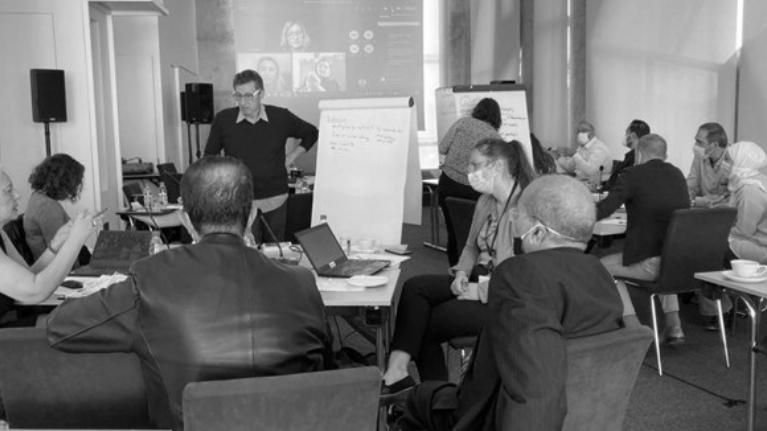
Career guidance and counselling, career education and lifelong development of skills for employability are key for success in learning activities, effective career transitions, livelihood planning, entrepreneurship and in increasing labour market participation. They are instrumental in promoting skills utilization, recognition (RPL), as well as in improving enterprise human resource management.

Career development activities encompass a wide variety of support activities including career information and advice, counselling, work exposure (e.g. job shadowing, work experience periods), assessment, coaching, mentoring, professional networking, advocacy, basic and employability skills training (curricular and non-curricular) and entrepreneurship training. It is often an area which is fragmented across different ministries (e.g. education, TVET, employment, youth) requiring an effort to achieve the necessary coordination to provide adequate support to individuals during learning, employment and unemployment/inactivity periods.
 

Identifier
skpLMIES
Slug
career-guidance-and-employment-services

Using Online Vacancy and Job Applicants’ Data to Study Skills Dynamics

Using Online Vacancy and Job Applicants’ Data to Study Skills Dynamics

Type:
Document
Content Type:
Generic document
Language:

English

Slug
english
Identifier
skpEng
Sources:

ILO

The International Labour Organization is the tripartite U.N. agency that promotes Decent Work through employment, social security, labour standards and social dialogue. Its work on skills development is guided by the conceptual framework on Skills to improve productivity, employment growth, and development agreed in 2008 by representatives of Governments, Employers’ Associations and Workers’ Associations. Research, policy advice, and pilot projects and technical cooperation programmes to apply good practices in different circumstances across its 185 member States aims to boost the employability of workers, the productivity and competitiveness of enterprises, and the inclusiveness of economic growth. The ILO Secretariat in offices in 40 countries works with Ministries of Labour, employers’ organizations, and trade unions to integrate skills development into national and sector development strategies in order to better meet current labour market needs and to prepare for the jobs of the future; to expand access to employment-related training so that youth, persons with disabilities and other vulnerable groups are better able to acquire skills and secure productive and decent work; and to improve the ability of public employment services to provide career guidance, maintain labour exchange services, and deliver active labour market programmes.For more information regarding the ILO’s work on skills and employability go to: http://www.ilo.org/skills/lang--en/index.htm; for ILO/Cinterfor's Knowledge Management Plarform, see: http://www.oitcinterfor.org

Thumbnail
Identifier
skpILO
Slug
ilo
Topics:

Anticipating and matching skills needs

Thumbnail

Anticipating and building skills for the future is essential to a rapidly changing labour market. This applies to changes in the types and levels of skills needed as well as in occupational and technical areas. Effective methods to anticipate future skills needs and avoid potential mismatches include: sustained dialogue between employers and trainers, coordination across government institutions, labour market information systems, employment services and performance reviews of training institutions. 

Identifier
skpAFSN
Slug
anticipating-and-matching-skills-needs

Career guidance and employment services

Thumbnail

Career guidance and counselling, career education and lifelong development of skills for employability are key for success in learning activities, effective career transitions, livelihood planning, entrepreneurship and in increasing labour market participation. They are instrumental in promoting skills utilization, recognition (RPL), as well as in improving enterprise human resource management.

Career development activities encompass a wide variety of support activities including career information and advice, counselling, work exposure (e.g. job shadowing, work experience periods), assessment, coaching, mentoring, professional networking, advocacy, basic and employability skills training (curricular and non-curricular) and entrepreneurship training. It is often an area which is fragmented across different ministries (e.g. education, TVET, employment, youth) requiring an effort to achieve the necessary coordination to provide adequate support to individuals during learning, employment and unemployment/inactivity periods.
 

Identifier
skpLMIES
Slug
career-guidance-and-employment-services

Online and distance learning

Thumbnail

In view of the rapid socio-economic and technological changes, jobs and the skills required to perform them continue to evolve. Many jobs in labour intensive sectors, which tend to be occupied by economically vulnerable groups of people (such as women and the poorly educated), are at high risk of being automated. In this light, delivering job-relevant skills at a reasonable cost, especially for workers whose jobs are at risk, is important. If well implemented, ICTs in TVET have the potential to improve access to learning, to improve quality while decreasing costs, to make teaching and learning more relevant to people’s work and lives, and to encourage individuals to become lifelong learners.

Identifier
skpOnlDist
Slug
online-and-distance-learning
Knowledge Products:

Case studies and good practices

Case studies that document good practices and illustrate the benefits and lessons learnt of particular approaches or methods in real practice. 

Thumbnail
Identifier
skpCaseStdy
Slug
case-studies-and-good-practices

Research papers

Working papers, reports, and other publications from international organizations, academic institutions and bilateral agencies. Research findings to stimulate informed debate on skills, employment and productivity issues. 

Thumbnail
Identifier
skpRPS
Slug
research-papers
Publication Date:
12 Sep 2022
This paper finds that big data on vacancies and applications to an online job board can be a promising data source for studying skills dynamics, especially in countries where alternative sources are scarce. To show this, we develop a skills taxonomy, assess the characteristics of such online data, and employ natural language processing and machine-learning techniques. The empirical implementation uses data from the Uruguayan job board BuscoJobs, but can be replicated with similar data from other countries.
Subject Tags:

Employment services

Slug
employment-services
Identifier
680

Labour market information

Slug
labour-market-information
Identifier
684

Lifelong learning

Slug
lifelong-learning
Identifier
400
Slug
occupational-classification
Identifier
31
Regions:

Minimising early leaving from vocational education and training in Europe

Minimising early leaving from vocational education and training in Europe

Type:
Document
Content Type:
Generic document
Language:

English

Slug
english
Identifier
skpEng
Sources:

Information is gathered from other international organizations that promote skills development and the transition from education and training to work. The Interagency Group on Technical and Vocational Education and Training (IAG-TVET) was established in 2009 to share research findings, coordinate joint research endeavours, and improve collaboration among organizations working at the international and national levels.

Thumbnail
Identifier
skpIntOrg
Slug
international-organizations
Topics:

Career guidance and employment services

Thumbnail

Career guidance and counselling, career education and lifelong development of skills for employability are key for success in learning activities, effective career transitions, livelihood planning, entrepreneurship and in increasing labour market participation. They are instrumental in promoting skills utilization, recognition (RPL), as well as in improving enterprise human resource management.

Career development activities encompass a wide variety of support activities including career information and advice, counselling, work exposure (e.g. job shadowing, work experience periods), assessment, coaching, mentoring, professional networking, advocacy, basic and employability skills training (curricular and non-curricular) and entrepreneurship training. It is often an area which is fragmented across different ministries (e.g. education, TVET, employment, youth) requiring an effort to achieve the necessary coordination to provide adequate support to individuals during learning, employment and unemployment/inactivity periods.
 

Identifier
skpLMIES
Slug
career-guidance-and-employment-services

Financing of training

Thumbnail

Initial education and training and lifelong learning benefit individuals, employers and society as a whole. Economic principles dictate that the costs for services with public and private benefits should be shared between public and private funding, or else too little training will be provided or taken up. Effective mechanisms for financing skills development vary according to countries’ economic and political circumstances and the degree and level of social dialogue established.

Identifier
skpFinanT
Slug
financing-training

Lifelong learning

Thumbnail

There is a critical need for a greater overall investment in education and training, particularly in developing countries. Education and training investments should be closely linked to economic and employment growth strategies and programmes. Responsibility should be shared between the government (primary responsibility), enterprises, the social partners, and the individual. To make lifelong learning for all a reality, countries will need to make major reforms of their vocational and education and training systems. School-to-work schemes for young people should integrate education with workplace learning. Training systems need to become more flexible and responsive to rapidly changing skill requirements. Reforms should also focus on how learning can be facilitated, not just on training for specific occupational categories.

Identifier
skpPSLLL
Slug
lifelong-learning

Skills policies and strategies

Thumbnail

Skills and employment policies should be viewed together.  The full value of one policy set is realized when it supports the objectives of the other.  For investments in education and training to yield maximum benefit to workers, enterprises, and economies, countries’ capacities for coordination is critical in three areas: connecting basic education to technical training and then to market entry; ensuring continuous communication between employers and training providers so that training meets the needs and aspirations of workers and enterprises, and integrating skills development policies with industrial, investment, trade, technology, environmental, rural and local development policies.

Identifier
skpPolConv
Slug
skills-policies-and-strategies
Knowledge Products:

Case studies and good practices

Case studies that document good practices and illustrate the benefits and lessons learnt of particular approaches or methods in real practice. 

Thumbnail
Identifier
skpCaseStdy
Slug
case-studies-and-good-practices
Publication Date:
22 Aug 2022
Career guidance and counselling are key features of comprehensive strategies aiming to reduce early leaving from education and training. They may assist students, not only in terms of decision-making but also in managing their transitions within education and training pathways or from education to employment.

Minimising the risks of either insufficient information or unrealistic expectations, career guidance and counselling may support learners in making informed decisions based on their interests, talents, and future job aspirations, as well as preventing dropout and early leaving. For those who have left education and training early, career guidance and counselling may assist them to return to, and qualify in, upper secondary education. This paper examines how national policies and practices in career guidance and counselling in EU Member States may support learners at risk and early leavers from education and training. It identifies common patterns and existing information gaps, and sets out future prospects.
Subject Tags:

Financing training

Slug
financing-training
Identifier
673

School-to-work transition

Slug
school-to-work-transition
Identifier
652

Youth employment

Slug
youth-employment
Identifier
15
Regions:

Djevojčice u tehničkim zanimanjima – CNC operaterka

Djevojčice u tehničkim zanimanjima – CNC operaterka

Type:
Document
Content Type:
Presentation
Language:

Bosnian

Slug
bosnian
Identifier
skpbs
Sources:

ILO

The International Labour Organization is the tripartite U.N. agency that promotes Decent Work through employment, social security, labour standards and social dialogue. Its work on skills development is guided by the conceptual framework on Skills to improve productivity, employment growth, and development agreed in 2008 by representatives of Governments, Employers’ Associations and Workers’ Associations. Research, policy advice, and pilot projects and technical cooperation programmes to apply good practices in different circumstances across its 185 member States aims to boost the employability of workers, the productivity and competitiveness of enterprises, and the inclusiveness of economic growth. The ILO Secretariat in offices in 40 countries works with Ministries of Labour, employers’ organizations, and trade unions to integrate skills development into national and sector development strategies in order to better meet current labour market needs and to prepare for the jobs of the future; to expand access to employment-related training so that youth, persons with disabilities and other vulnerable groups are better able to acquire skills and secure productive and decent work; and to improve the ability of public employment services to provide career guidance, maintain labour exchange services, and deliver active labour market programmes.For more information regarding the ILO’s work on skills and employability go to: http://www.ilo.org/skills/lang--en/index.htm; for ILO/Cinterfor's Knowledge Management Plarform, see: http://www.oitcinterfor.org

Thumbnail
Identifier
skpILO
Slug
ilo
Topics:

Access to training

Thumbnail

Access for all to good quality education, vocational training and workplace learning is a fundamental principle of social cohesion and economic growth. Some groups of people may require targeted attention if they are to benefit from education, training and employment opportunities.  

This is particularly the case for disadvantaged youth, lower skilled workers, people with disabilities, and people in rural communities. The attractiveness of vocational education and training is enhanced when combined with entrepreneurship training and when public policies encourage utilization of higher skills by business. 
 

Identifier
skpATSU
Slug
access-to-training

Career guidance and employment services

Thumbnail

Career guidance and counselling, career education and lifelong development of skills for employability are key for success in learning activities, effective career transitions, livelihood planning, entrepreneurship and in increasing labour market participation. They are instrumental in promoting skills utilization, recognition (RPL), as well as in improving enterprise human resource management.

Career development activities encompass a wide variety of support activities including career information and advice, counselling, work exposure (e.g. job shadowing, work experience periods), assessment, coaching, mentoring, professional networking, advocacy, basic and employability skills training (curricular and non-curricular) and entrepreneurship training. It is often an area which is fragmented across different ministries (e.g. education, TVET, employment, youth) requiring an effort to achieve the necessary coordination to provide adequate support to individuals during learning, employment and unemployment/inactivity periods.
 

Identifier
skpLMIES
Slug
career-guidance-and-employment-services

Governance and coordination mechanisms

Thumbnail

Effective governance and coordination are key elements of successful skill systems. Whilst coordination is an important factor, it needs to operate alongside other key conditions to strengthen governance. When multi-level governance is supported by effective communication, sustainable financing and effective coordination, it has the best chance of supporting the establishment of a lifelong learning ecosystem that enables individuals and enterprises to more effectively navigate the world of work and learning.

Identifier
skpGovern
Slug
governance-and-coordination-mechanisms

Youth employability

Thumbnail

Globally, nearly 68 million young women and men are looking for and available for work,  and an estimated 123 million young people are working but living in poverty. The number who are not in employment, education or training (NEET) stands at 267 million, a majority of whom are young women. Significantly, young people are three times as likely as adults (25 years and older) to be unemployed.

Skills development is a primary means of enabling young people to make a smooth transition to work. A comprehensive approach is required to integrate young women and men in the labour market, including relevant and quality skills training, labour market information, career guidance and employment services, recognition of prior learning, incorporating entrepreneurship with training and effective skills forecasting. Improved basic education and core work skills are particularly important to enable youth to engage in lifelong learning as well as transition to the labour market. 

Identifier
skpYoEmp
Slug
youth-employability
Knowledge Products:

Promotional material

Presentations, discussion papers, meeting reports, promotional materials, videos, fact sheets, brochures and newsletters on skills development for employment.

Thumbnail
Identifier
skpAIM
Slug
promotional-material
Publication Date:
09 May 2022

Within the project ‘Reimagining Education for Marginalized Girls and Boys during and post COVID-19’ ILO and Smart Lab created videos for TVET career orientations in technical occupations. The videos are meant to encourage female students to pursue the respective career and learning path.

ILO has cooperated with Smart Lab, a Sarajevo-based company specialized in E-Learning products, within the frame of the project ‘Reimagining Education for Marginalized Girls and Boys during and post COVID-19’. This framework project involved many UN partners, like UNESCO, UNICEF and UN Volunteers. One of its results are 3 career orientation videos of a technical occupation. Each video features a young woman working in the respective position, who explains her professional activities and experiences. Young girls, who consider starting TVET are very much the target group of the orientational videos. They often face more difficulties or obstacles in entering TVET, which leads to underrepresentation. Encouraging female students and showing role-models eventually lead to a more balanced gender ratio and free individual career choice.

This video introduces the occupation CNC Operator.

Subject Tags:

Career guidance

Slug
career-guidance
Identifier
640

Gender equality

Slug
gender-equality
Identifier
144

Lifelong learning

Slug
lifelong-learning
Identifier
400

TVET systems

Slug
tvet-systems
Identifier
661
Regions:
Countries and territories:

Djevojčice u tehničkim zanimanjima – Mašinski tehničar

Djevojčice u tehničkim zanimanjima – Mašinski tehničar

Type:
Document
Content Type:
Djevojčice u tehničkim zanimanjima – Mašinski tehničar
Language:

Bosnian

Slug
bosnian
Identifier
skpbs
Sources:

ILO

The International Labour Organization is the tripartite U.N. agency that promotes Decent Work through employment, social security, labour standards and social dialogue. Its work on skills development is guided by the conceptual framework on Skills to improve productivity, employment growth, and development agreed in 2008 by representatives of Governments, Employers’ Associations and Workers’ Associations. Research, policy advice, and pilot projects and technical cooperation programmes to apply good practices in different circumstances across its 185 member States aims to boost the employability of workers, the productivity and competitiveness of enterprises, and the inclusiveness of economic growth. The ILO Secretariat in offices in 40 countries works with Ministries of Labour, employers’ organizations, and trade unions to integrate skills development into national and sector development strategies in order to better meet current labour market needs and to prepare for the jobs of the future; to expand access to employment-related training so that youth, persons with disabilities and other vulnerable groups are better able to acquire skills and secure productive and decent work; and to improve the ability of public employment services to provide career guidance, maintain labour exchange services, and deliver active labour market programmes.For more information regarding the ILO’s work on skills and employability go to: http://www.ilo.org/skills/lang--en/index.htm; for ILO/Cinterfor's Knowledge Management Plarform, see: http://www.oitcinterfor.org

Thumbnail
Identifier
skpILO
Slug
ilo
Topics:

Access to training

Thumbnail

Access for all to good quality education, vocational training and workplace learning is a fundamental principle of social cohesion and economic growth. Some groups of people may require targeted attention if they are to benefit from education, training and employment opportunities.  

This is particularly the case for disadvantaged youth, lower skilled workers, people with disabilities, and people in rural communities. The attractiveness of vocational education and training is enhanced when combined with entrepreneurship training and when public policies encourage utilization of higher skills by business. 
 

Identifier
skpATSU
Slug
access-to-training

Career guidance and employment services

Thumbnail

Career guidance and counselling, career education and lifelong development of skills for employability are key for success in learning activities, effective career transitions, livelihood planning, entrepreneurship and in increasing labour market participation. They are instrumental in promoting skills utilization, recognition (RPL), as well as in improving enterprise human resource management.

Career development activities encompass a wide variety of support activities including career information and advice, counselling, work exposure (e.g. job shadowing, work experience periods), assessment, coaching, mentoring, professional networking, advocacy, basic and employability skills training (curricular and non-curricular) and entrepreneurship training. It is often an area which is fragmented across different ministries (e.g. education, TVET, employment, youth) requiring an effort to achieve the necessary coordination to provide adequate support to individuals during learning, employment and unemployment/inactivity periods.
 

Identifier
skpLMIES
Slug
career-guidance-and-employment-services

Gender equality

Thumbnail

Women represent both half of the world's population – and half the world's economic potential. Their participation in the labour market reduces poverty because they often invest 90 per cent of their income in the well-being, education and nutrition of their families. Yet labour force participation by women has stagnated at about 55 per cent globally since 2010. Moreover, women are disproportionately represented in precarious work – low-paid, low-skilled and insecure jobs.

Training plays an important role in the pursuit of equality of opportunity and treatment for women and men in the world of work. Yet women often lack access to technical and vocational education and training. Many also lack the basic functional skills, such as literacy and numeracy, to participate meaningfully in the work force. Overcoming this challenge requires the adoption of a life-cycle approach. This includes improving girls’ access to basic education; overcoming logistic, economic and cultural barriers to apprenticeships and to secondary and vocational training for young women; and meeting the training needs of women re-entering the labour market and of older women who have not had equal access to opportunities for lifelong learning.

Identifier
skpGenEqul
Slug
gender-equality

Governance and coordination mechanisms

Thumbnail

Effective governance and coordination are key elements of successful skill systems. Whilst coordination is an important factor, it needs to operate alongside other key conditions to strengthen governance. When multi-level governance is supported by effective communication, sustainable financing and effective coordination, it has the best chance of supporting the establishment of a lifelong learning ecosystem that enables individuals and enterprises to more effectively navigate the world of work and learning.

Identifier
skpGovern
Slug
governance-and-coordination-mechanisms
Knowledge Products:

Promotional material

Presentations, discussion papers, meeting reports, promotional materials, videos, fact sheets, brochures and newsletters on skills development for employment.

Thumbnail
Identifier
skpAIM
Slug
promotional-material
Publication Date:
09 May 2022

Within the project ‘Reimagining Education for Marginalized Girls and Boys during and post COVID-19’ ILO and Smart Lab created videos for TVET career orientations in technical occupations. The videos are meant to encourage female students to pursue the respective career and learning path.

ILO has cooperated with Smart Lab, a Sarajevo-based company specialized in E-Learning products, within the frame of the project ‘Reimagining Education for Marginalized Girls and Boys during and post COVID-19’. This framework project involved many UN partners, like UNESCO, UNICEF and UN Volunteers. One of its results are 3 career orientation videos of a technical occupation. Each video features a young woman working in the respective position, who explains her professional activities and experiences. Young girls, who consider starting TVET are very much the target group of the orientational videos. They often face more difficulties or obstacles in entering TVET, which leads to underrepresentation. Encouraging female students and showing role-models eventually lead to a more balanced gender ratio and free individual career choice.

This video introduces the occupation Machine Technician.

Subject Tags:

Gender equality

Slug
gender-equality
Identifier
144

TVET systems

Slug
tvet-systems
Identifier
661

Vocational training

Slug
vocational-training
Identifier
124

Women

Slug
women
Identifier
318
Regions:
Countries and territories:

Djevojčice u tehničkim zanimanjima – Mehatronika

Djevojčice u tehničkim zanimanjima – Mehatronika

Type:
Document
Content Type:
Presentation
Language:

Bosnian

Slug
bosnian
Identifier
skpbs
Sources:

ILO

The International Labour Organization is the tripartite U.N. agency that promotes Decent Work through employment, social security, labour standards and social dialogue. Its work on skills development is guided by the conceptual framework on Skills to improve productivity, employment growth, and development agreed in 2008 by representatives of Governments, Employers’ Associations and Workers’ Associations. Research, policy advice, and pilot projects and technical cooperation programmes to apply good practices in different circumstances across its 185 member States aims to boost the employability of workers, the productivity and competitiveness of enterprises, and the inclusiveness of economic growth. The ILO Secretariat in offices in 40 countries works with Ministries of Labour, employers’ organizations, and trade unions to integrate skills development into national and sector development strategies in order to better meet current labour market needs and to prepare for the jobs of the future; to expand access to employment-related training so that youth, persons with disabilities and other vulnerable groups are better able to acquire skills and secure productive and decent work; and to improve the ability of public employment services to provide career guidance, maintain labour exchange services, and deliver active labour market programmes.For more information regarding the ILO’s work on skills and employability go to: http://www.ilo.org/skills/lang--en/index.htm; for ILO/Cinterfor's Knowledge Management Plarform, see: http://www.oitcinterfor.org

Thumbnail
Identifier
skpILO
Slug
ilo
Topics:

Access to training

Thumbnail

Access for all to good quality education, vocational training and workplace learning is a fundamental principle of social cohesion and economic growth. Some groups of people may require targeted attention if they are to benefit from education, training and employment opportunities.  

This is particularly the case for disadvantaged youth, lower skilled workers, people with disabilities, and people in rural communities. The attractiveness of vocational education and training is enhanced when combined with entrepreneurship training and when public policies encourage utilization of higher skills by business. 
 

Identifier
skpATSU
Slug
access-to-training

Career guidance and employment services

Thumbnail

Career guidance and counselling, career education and lifelong development of skills for employability are key for success in learning activities, effective career transitions, livelihood planning, entrepreneurship and in increasing labour market participation. They are instrumental in promoting skills utilization, recognition (RPL), as well as in improving enterprise human resource management.

Career development activities encompass a wide variety of support activities including career information and advice, counselling, work exposure (e.g. job shadowing, work experience periods), assessment, coaching, mentoring, professional networking, advocacy, basic and employability skills training (curricular and non-curricular) and entrepreneurship training. It is often an area which is fragmented across different ministries (e.g. education, TVET, employment, youth) requiring an effort to achieve the necessary coordination to provide adequate support to individuals during learning, employment and unemployment/inactivity periods.
 

Identifier
skpLMIES
Slug
career-guidance-and-employment-services

Governance and coordination mechanisms

Thumbnail

Effective governance and coordination are key elements of successful skill systems. Whilst coordination is an important factor, it needs to operate alongside other key conditions to strengthen governance. When multi-level governance is supported by effective communication, sustainable financing and effective coordination, it has the best chance of supporting the establishment of a lifelong learning ecosystem that enables individuals and enterprises to more effectively navigate the world of work and learning.

Identifier
skpGovern
Slug
governance-and-coordination-mechanisms

Youth employability

Thumbnail

Globally, nearly 68 million young women and men are looking for and available for work,  and an estimated 123 million young people are working but living in poverty. The number who are not in employment, education or training (NEET) stands at 267 million, a majority of whom are young women. Significantly, young people are three times as likely as adults (25 years and older) to be unemployed.

Skills development is a primary means of enabling young people to make a smooth transition to work. A comprehensive approach is required to integrate young women and men in the labour market, including relevant and quality skills training, labour market information, career guidance and employment services, recognition of prior learning, incorporating entrepreneurship with training and effective skills forecasting. Improved basic education and core work skills are particularly important to enable youth to engage in lifelong learning as well as transition to the labour market. 

Identifier
skpYoEmp
Slug
youth-employability
Knowledge Products:

Promotional material

Presentations, discussion papers, meeting reports, promotional materials, videos, fact sheets, brochures and newsletters on skills development for employment.

Thumbnail
Identifier
skpAIM
Slug
promotional-material
Publication Date:
09 May 2022

Within the project ‘Reimagining Education for Marginalized Girls and Boys during and post COVID-19’ ILO and Smart Lab created videos for TVET career orientations in technical occupations. The videos are meant to encourage female students to pursue the respective career and learning path.

ILO has cooperated with Smart Lab, a Sarajevo-based company specialized in E-Learning products, within the frame of the project ‘Reimagining Education for Marginalized Girls and Boys during and post COVID-19’. This framework project involved many UN partners, like UNESCO, UNICEF and UN Volunteers. One of its results are 3 career orientation videos of a technical occupation. Each video features a young woman working in the respective position, who explains her professional activities and experiences. Young girls, who consider starting TVET are very much the target group of the orientational videos. They often face more difficulties or obstacles in entering TVET, which leads to underrepresentation. Encouraging female students and showing role-models eventually lead to a more balanced gender ratio and free individual career choice.

This video introduces the occupation Mechatronician.

Subject Tags:

Career guidance

Slug
career-guidance
Identifier
640

Gender equality

Slug
gender-equality
Identifier
144

Technology

Slug
technology
Identifier
345

TVET systems

Slug
tvet-systems
Identifier
661
Regions:
Countries and territories:

Céreq Etudes, n° 37 - Quels effets de la crise sanitaire sur les projets et aspirations professionnels ? Volet qualitatif du projet Impact

Céreq Etudes, n° 37 - Quels effets de la crise sanitaire sur les projets et aspirations professionnels ? Volet qualitatif du projet Impact

Type:
Document
Content Type:
Generic document
Language:

French

Slug
french
Identifier
skpFrn
Sources:

Academic institutions

Research papers, synthesis reports, country and programme studies are collected from many academic institutions and national, regional and international professional associations.

Thumbnail
Identifier
skpAcaInst
Slug
academic-institutions
Topics:

Access to training

Thumbnail

Access for all to good quality education, vocational training and workplace learning is a fundamental principle of social cohesion and economic growth. Some groups of people may require targeted attention if they are to benefit from education, training and employment opportunities.  

This is particularly the case for disadvantaged youth, lower skilled workers, people with disabilities, and people in rural communities. The attractiveness of vocational education and training is enhanced when combined with entrepreneurship training and when public policies encourage utilization of higher skills by business. 
 

Identifier
skpATSU
Slug
access-to-training

Career guidance and employment services

Thumbnail

Career guidance and counselling, career education and lifelong development of skills for employability are key for success in learning activities, effective career transitions, livelihood planning, entrepreneurship and in increasing labour market participation. They are instrumental in promoting skills utilization, recognition (RPL), as well as in improving enterprise human resource management.

Career development activities encompass a wide variety of support activities including career information and advice, counselling, work exposure (e.g. job shadowing, work experience periods), assessment, coaching, mentoring, professional networking, advocacy, basic and employability skills training (curricular and non-curricular) and entrepreneurship training. It is often an area which is fragmented across different ministries (e.g. education, TVET, employment, youth) requiring an effort to achieve the necessary coordination to provide adequate support to individuals during learning, employment and unemployment/inactivity periods.
 

Identifier
skpLMIES
Slug
career-guidance-and-employment-services

Youth employability

Thumbnail

Globally, nearly 68 million young women and men are looking for and available for work,  and an estimated 123 million young people are working but living in poverty. The number who are not in employment, education or training (NEET) stands at 267 million, a majority of whom are young women. Significantly, young people are three times as likely as adults (25 years and older) to be unemployed.

Skills development is a primary means of enabling young people to make a smooth transition to work. A comprehensive approach is required to integrate young women and men in the labour market, including relevant and quality skills training, labour market information, career guidance and employment services, recognition of prior learning, incorporating entrepreneurship with training and effective skills forecasting. Improved basic education and core work skills are particularly important to enable youth to engage in lifelong learning as well as transition to the labour market. 

Identifier
skpYoEmp
Slug
youth-employability
Knowledge Products:

Case studies and good practices

Case studies that document good practices and illustrate the benefits and lessons learnt of particular approaches or methods in real practice. 

Thumbnail
Identifier
skpCaseStdy
Slug
case-studies-and-good-practices

Research papers

Working papers, reports, and other publications from international organizations, academic institutions and bilateral agencies. Research findings to stimulate informed debate on skills, employment and productivity issues. 

Thumbnail
Identifier
skpRPS
Slug
research-papers
Publication Date:
20 Apr 2022

L’évènement brutal et imprévu qu’a constitué la crise sanitaire a diversement interféré avec les processus de reconversion, et ce, en lien avec la temporalité des projets professionnels. Celle-ci pouvait se rapporter à des phases de réflexion (phase de « latence »), de formulation du projet et de prise de décision (délibération), ou encore de mise en oeuvre du changement voire de réengagement dans un nouveau métier (bifurcation).

D’une manière globale, moins le projet était précis plus la période de crise a entravé le processus de conversion. À partir des entretiens conduits auprès de salariés peu qualifiés, quatre situations-types se dégagent.

En premier lieu, le processus de reconversion est freiné avec en parallèle une reconsidération du projet, ou même un renoncement.

Dans un deuxième cas de figure, les projets sont reportés à une période ultérieure sans que l’objectif professionnel ne soit révisé, ou en le reformulant.

Dans une troisième configuration, la période de crise Covid a constitué une opportunité pour « se lancer ».

Une dernière situation-type rassemble les personnes qui ont gardé le cap en dépit des effets de la crise sanitaire sur les conditions de réalisation de leur projet dans le cadre d’une formation déjà en cours par exemple.

Subject Tags:

Career guidance

Slug
career-guidance
Identifier
640

Labour force participation

Slug
labour-force-participation
Identifier
26
Regions:
Countries and territories:

Céreq Etudes, n° 37 - Quels effets de la crise sanitaire sur les projets et aspirations professionnels ? Volet qualitatif du projet Impact

Céreq Etudes, n° 37 - Quels effets de la crise sanitaire sur les projets et aspirations professionnels ? Volet qualitatif du projet Impact

Type:
Document
Content Type:
Generic document
Language:

French

Slug
french
Identifier
skpFrn
Sources:

Academic institutions

Research papers, synthesis reports, country and programme studies are collected from many academic institutions and national, regional and international professional associations.

Thumbnail
Identifier
skpAcaInst
Slug
academic-institutions
Topics:

Access to training

Thumbnail

Access for all to good quality education, vocational training and workplace learning is a fundamental principle of social cohesion and economic growth. Some groups of people may require targeted attention if they are to benefit from education, training and employment opportunities.  

This is particularly the case for disadvantaged youth, lower skilled workers, people with disabilities, and people in rural communities. The attractiveness of vocational education and training is enhanced when combined with entrepreneurship training and when public policies encourage utilization of higher skills by business. 
 

Identifier
skpATSU
Slug
access-to-training

Career guidance and employment services

Thumbnail

Career guidance and counselling, career education and lifelong development of skills for employability are key for success in learning activities, effective career transitions, livelihood planning, entrepreneurship and in increasing labour market participation. They are instrumental in promoting skills utilization, recognition (RPL), as well as in improving enterprise human resource management.

Career development activities encompass a wide variety of support activities including career information and advice, counselling, work exposure (e.g. job shadowing, work experience periods), assessment, coaching, mentoring, professional networking, advocacy, basic and employability skills training (curricular and non-curricular) and entrepreneurship training. It is often an area which is fragmented across different ministries (e.g. education, TVET, employment, youth) requiring an effort to achieve the necessary coordination to provide adequate support to individuals during learning, employment and unemployment/inactivity periods.
 

Identifier
skpLMIES
Slug
career-guidance-and-employment-services

Youth employability

Thumbnail

Globally, nearly 68 million young women and men are looking for and available for work,  and an estimated 123 million young people are working but living in poverty. The number who are not in employment, education or training (NEET) stands at 267 million, a majority of whom are young women. Significantly, young people are three times as likely as adults (25 years and older) to be unemployed.

Skills development is a primary means of enabling young people to make a smooth transition to work. A comprehensive approach is required to integrate young women and men in the labour market, including relevant and quality skills training, labour market information, career guidance and employment services, recognition of prior learning, incorporating entrepreneurship with training and effective skills forecasting. Improved basic education and core work skills are particularly important to enable youth to engage in lifelong learning as well as transition to the labour market. 

Identifier
skpYoEmp
Slug
youth-employability
Knowledge Products:

Case studies and good practices

Case studies that document good practices and illustrate the benefits and lessons learnt of particular approaches or methods in real practice. 

Thumbnail
Identifier
skpCaseStdy
Slug
case-studies-and-good-practices

Research papers

Working papers, reports, and other publications from international organizations, academic institutions and bilateral agencies. Research findings to stimulate informed debate on skills, employment and productivity issues. 

Thumbnail
Identifier
skpRPS
Slug
research-papers
Publication Date:
20 Apr 2022

L’évènement brutal et imprévu qu’a constitué la crise sanitaire a diversement interféré avec les processus de reconversion, et ce, en lien avec la temporalité des projets professionnels. Celle-ci pouvait se rapporter à des phases de réflexion (phase de « latence »), de formulation du projet et de prise de décision (délibération), ou encore de mise en oeuvre du changement voire de réengagement dans un nouveau métier (bifurcation).

D’une manière globale, moins le projet était précis plus la période de crise a entravé le processus de conversion. À partir des entretiens conduits auprès de salariés peu qualifiés, quatre situations-types se dégagent.

En premier lieu, le processus de reconversion est freiné avec en parallèle une reconsidération du projet, ou même un renoncement.

Dans un deuxième cas de figure, les projets sont reportés à une période ultérieure sans que l’objectif professionnel ne soit révisé, ou en le reformulant.

Dans une troisième configuration, la période de crise Covid a constitué une opportunité pour « se lancer ».

Une dernière situation-type rassemble les personnes qui ont gardé le cap en dépit des effets de la crise sanitaire sur les conditions de réalisation de leur projet dans le cadre d’une formation déjà en cours par exemple.

Subject Tags:

Career guidance

Slug
career-guidance
Identifier
640

Labour force participation

Slug
labour-force-participation
Identifier
26
Regions:
Countries and territories:

Inventory of digital career guidance tools

Inventory of digital career guidance tools

Type:
Document
Content Type:
Generic document
Language:

English

Slug
english
Identifier
skpEng
Sources:

ILO

The International Labour Organization is the tripartite U.N. agency that promotes Decent Work through employment, social security, labour standards and social dialogue. Its work on skills development is guided by the conceptual framework on Skills to improve productivity, employment growth, and development agreed in 2008 by representatives of Governments, Employers’ Associations and Workers’ Associations. Research, policy advice, and pilot projects and technical cooperation programmes to apply good practices in different circumstances across its 185 member States aims to boost the employability of workers, the productivity and competitiveness of enterprises, and the inclusiveness of economic growth. The ILO Secretariat in offices in 40 countries works with Ministries of Labour, employers’ organizations, and trade unions to integrate skills development into national and sector development strategies in order to better meet current labour market needs and to prepare for the jobs of the future; to expand access to employment-related training so that youth, persons with disabilities and other vulnerable groups are better able to acquire skills and secure productive and decent work; and to improve the ability of public employment services to provide career guidance, maintain labour exchange services, and deliver active labour market programmes.For more information regarding the ILO’s work on skills and employability go to: http://www.ilo.org/skills/lang--en/index.htm; for ILO/Cinterfor's Knowledge Management Plarform, see: http://www.oitcinterfor.org

Thumbnail
Identifier
skpILO
Slug
ilo
Topics:

Career guidance and employment services

Thumbnail

Career guidance and counselling, career education and lifelong development of skills for employability are key for success in learning activities, effective career transitions, livelihood planning, entrepreneurship and in increasing labour market participation. They are instrumental in promoting skills utilization, recognition (RPL), as well as in improving enterprise human resource management.

Career development activities encompass a wide variety of support activities including career information and advice, counselling, work exposure (e.g. job shadowing, work experience periods), assessment, coaching, mentoring, professional networking, advocacy, basic and employability skills training (curricular and non-curricular) and entrepreneurship training. It is often an area which is fragmented across different ministries (e.g. education, TVET, employment, youth) requiring an effort to achieve the necessary coordination to provide adequate support to individuals during learning, employment and unemployment/inactivity periods.
 

Identifier
skpLMIES
Slug
career-guidance-and-employment-services

Youth employability

Thumbnail

Globally, nearly 68 million young women and men are looking for and available for work,  and an estimated 123 million young people are working but living in poverty. The number who are not in employment, education or training (NEET) stands at 267 million, a majority of whom are young women. Significantly, young people are three times as likely as adults (25 years and older) to be unemployed.

Skills development is a primary means of enabling young people to make a smooth transition to work. A comprehensive approach is required to integrate young women and men in the labour market, including relevant and quality skills training, labour market information, career guidance and employment services, recognition of prior learning, incorporating entrepreneurship with training and effective skills forecasting. Improved basic education and core work skills are particularly important to enable youth to engage in lifelong learning as well as transition to the labour market. 

Identifier
skpYoEmp
Slug
youth-employability
Knowledge Products:

Tools and guidance

The platform includes a variety of practical tools and guidance materials developed by the ILO at global and national levels. The resources include guides, case studies, cheklist, visual materials and more, and they cover a wide range of topics. Some are specifically aimed at certain groups of stakeholders, for example employers, workers or governments, and some are designed to support specific groups of beneficiaries. 

Thumbnail
Identifier
skpTag
Slug
tools-and-guidance
Publication Date:
07 Apr 2022

This brief provides an overview of selected online and digital tools to support career guidance for young people and adults.

This inventory showcases tools aimed at supporting career development processes of young people and adults, and complements the ILO  Policy guidance note on digitalising career guidance services. This synthesis contains 25 exemplary online and digital websites, tools and platforms, from all global regions, and provides brief insight onto publics and needs addressed, their functionalities, accessibility and integration into career guidance processes.

Subject Tags:

Career guidance

Slug
career-guidance
Identifier
640

Employment services

Slug
employment-services
Identifier
680

Youth employment

Slug
youth-employment
Identifier
15
Regions:

Tracer study: Skills Profiling Application in Egypt for refugees and host communities

Tracer study: Skills Profiling Application in Egypt for refugees and host communities

Type:
Document
Content Type:
Generic document
Language:

English

Slug
english
Identifier
skpEng
Sources:

ILO

The International Labour Organization is the tripartite U.N. agency that promotes Decent Work through employment, social security, labour standards and social dialogue. Its work on skills development is guided by the conceptual framework on Skills to improve productivity, employment growth, and development agreed in 2008 by representatives of Governments, Employers’ Associations and Workers’ Associations. Research, policy advice, and pilot projects and technical cooperation programmes to apply good practices in different circumstances across its 185 member States aims to boost the employability of workers, the productivity and competitiveness of enterprises, and the inclusiveness of economic growth. The ILO Secretariat in offices in 40 countries works with Ministries of Labour, employers’ organizations, and trade unions to integrate skills development into national and sector development strategies in order to better meet current labour market needs and to prepare for the jobs of the future; to expand access to employment-related training so that youth, persons with disabilities and other vulnerable groups are better able to acquire skills and secure productive and decent work; and to improve the ability of public employment services to provide career guidance, maintain labour exchange services, and deliver active labour market programmes.For more information regarding the ILO’s work on skills and employability go to: http://www.ilo.org/skills/lang--en/index.htm; for ILO/Cinterfor's Knowledge Management Plarform, see: http://www.oitcinterfor.org

Thumbnail
Identifier
skpILO
Slug
ilo
Topics:

Career guidance and employment services

Thumbnail

Career guidance and counselling, career education and lifelong development of skills for employability are key for success in learning activities, effective career transitions, livelihood planning, entrepreneurship and in increasing labour market participation. They are instrumental in promoting skills utilization, recognition (RPL), as well as in improving enterprise human resource management.

Career development activities encompass a wide variety of support activities including career information and advice, counselling, work exposure (e.g. job shadowing, work experience periods), assessment, coaching, mentoring, professional networking, advocacy, basic and employability skills training (curricular and non-curricular) and entrepreneurship training. It is often an area which is fragmented across different ministries (e.g. education, TVET, employment, youth) requiring an effort to achieve the necessary coordination to provide adequate support to individuals during learning, employment and unemployment/inactivity periods.
 

Identifier
skpLMIES
Slug
career-guidance-and-employment-services

Core skills and literacy

Thumbnail

Core employability skills build upon and strengthen the skills developed through basic education; the technical skills needed for specific occupations or to perform specific tasks or duties (such as nursing, accounting, using technology or driving a forklift); and professional/personal attributes such as honesty, reliability, punctuality and loyalty. 
Core work skills enable individuals to constantly acquire and apply new knowledge and skills; they are also critical to lifelong learning. Various agencies and organizations have given different labels to these skills, ranging from “key competencies” to “soft skills”, “transferable skills” or “essential skills”.
 

Identifier
skpCore
Slug
core-skills-and-literacy

Migrant workers

Thumbnail

According to the ILO global estimates on migrant workers, there were around 164 million migrant workers in 2017. 

Migrant workers contribute to growth and development in their countries of destination, while countries of origin greatly benefit from their remittances and the skills acquired during their migration experience. Yet, many migrant workers face challenges in accessing quality training and decent jobs including under-utilization of skills, a lack of employment or training opportunities, lack of information, and exploitation of low-skilled workers.

To address these challenges, countries need to strengthen skills anticipation systems to inform migration policies, increase access to education and training, and establish bilateral or multilateral recognition of qualifications and skills.

Identifier
skpMigWor
Slug
migrant-workers

Recognition and portability of skills

Thumbnail

Skills development can be viewed from a life-cycle perspective of building, maintaining and improving competencies and skills. A holistic approach to skills development encompasses the following features: access to good basic education; development of cognitive and core skills, including literacy, numeracy, communication, problem-solving and learning ability; and, availability of continuous training opportunities targeting adult and older workers.  Systems to improve recognition of attained skills across occupations, industries and countries improve the employability of workers, reduce labour shortages, and promote good working conditions for migrant workers. 

Identifier
skpRAPS
Slug
recognition-and-portability-of-skills
Knowledge Products:

Case studies and good practices

Case studies that document good practices and illustrate the benefits and lessons learnt of particular approaches or methods in real practice. 

Thumbnail
Identifier
skpCaseStdy
Slug
case-studies-and-good-practices
Publication Date:
05 Apr 2022

Communicating relevant skills and expertise to potential employers is the first step towards gainful employment for any job seeker. However, this can be particularly challenging for the refugee community since their training and educational qualifications often differ from that of the host country. Therefore, ILO PROSPECTS Egypt in collaboration with Skilllab, a social start-up based in the Netherlands, and the Association of Businessmen in Alexandria (ABA), piloted a skills-profiling application that enables refugees and host communities to self-assess and communicate their skills to potential employers.

The pilot study was conducted among 400 beneficiaries between 2020 and 2021. The tracer study was conducted three months after to collect direct feedback from the beneficiaries. Based on the findings of the tracer study, this brief provides insights and recommendations into key aspects of the usage and advantages of the profiling application and how it can be further improved in the future.

Subject Tags:

Career guidance

Slug
career-guidance
Identifier
640

Migrant workers

Slug
migrant-workers
Identifier
681

Skills recognition

Slug
skills-recognition
Identifier
656
Regions:

Arab States

Region Image
Countries and territories:

Digitalising career guidance services - Policy guidance note

Digitalising career guidance services - Policy guidance note

Type:
Document
Content Type:
Generic document
Language:

English

Slug
english
Identifier
skpEng
Sources:

ILO

The International Labour Organization is the tripartite U.N. agency that promotes Decent Work through employment, social security, labour standards and social dialogue. Its work on skills development is guided by the conceptual framework on Skills to improve productivity, employment growth, and development agreed in 2008 by representatives of Governments, Employers’ Associations and Workers’ Associations. Research, policy advice, and pilot projects and technical cooperation programmes to apply good practices in different circumstances across its 185 member States aims to boost the employability of workers, the productivity and competitiveness of enterprises, and the inclusiveness of economic growth. The ILO Secretariat in offices in 40 countries works with Ministries of Labour, employers’ organizations, and trade unions to integrate skills development into national and sector development strategies in order to better meet current labour market needs and to prepare for the jobs of the future; to expand access to employment-related training so that youth, persons with disabilities and other vulnerable groups are better able to acquire skills and secure productive and decent work; and to improve the ability of public employment services to provide career guidance, maintain labour exchange services, and deliver active labour market programmes.For more information regarding the ILO’s work on skills and employability go to: http://www.ilo.org/skills/lang--en/index.htm; for ILO/Cinterfor's Knowledge Management Plarform, see: http://www.oitcinterfor.org

Thumbnail
Identifier
skpILO
Slug
ilo
Topics:

Career guidance and employment services

Thumbnail

Career guidance and counselling, career education and lifelong development of skills for employability are key for success in learning activities, effective career transitions, livelihood planning, entrepreneurship and in increasing labour market participation. They are instrumental in promoting skills utilization, recognition (RPL), as well as in improving enterprise human resource management.

Career development activities encompass a wide variety of support activities including career information and advice, counselling, work exposure (e.g. job shadowing, work experience periods), assessment, coaching, mentoring, professional networking, advocacy, basic and employability skills training (curricular and non-curricular) and entrepreneurship training. It is often an area which is fragmented across different ministries (e.g. education, TVET, employment, youth) requiring an effort to achieve the necessary coordination to provide adequate support to individuals during learning, employment and unemployment/inactivity periods.
 

Identifier
skpLMIES
Slug
career-guidance-and-employment-services

Youth employability

Thumbnail

Globally, nearly 68 million young women and men are looking for and available for work,  and an estimated 123 million young people are working but living in poverty. The number who are not in employment, education or training (NEET) stands at 267 million, a majority of whom are young women. Significantly, young people are three times as likely as adults (25 years and older) to be unemployed.

Skills development is a primary means of enabling young people to make a smooth transition to work. A comprehensive approach is required to integrate young women and men in the labour market, including relevant and quality skills training, labour market information, career guidance and employment services, recognition of prior learning, incorporating entrepreneurship with training and effective skills forecasting. Improved basic education and core work skills are particularly important to enable youth to engage in lifelong learning as well as transition to the labour market. 

Identifier
skpYoEmp
Slug
youth-employability
Knowledge Products:

Tools and guidance

The platform includes a variety of practical tools and guidance materials developed by the ILO at global and national levels. The resources include guides, case studies, cheklist, visual materials and more, and they cover a wide range of topics. Some are specifically aimed at certain groups of stakeholders, for example employers, workers or governments, and some are designed to support specific groups of beneficiaries. 

Thumbnail
Identifier
skpTag
Slug
tools-and-guidance
Publication Date:
30 Mar 2022

This policy guidance note provides advice to decision makers, managers and technical staff on how to invest in digitalising career guidance services .  

There is a need to rationalise decisions on investment in digital tools for career guidance so that they are useful and address the needs of beneficiaries and clients. Their choice and design should be thoughtful, leading to well integrated and coherent solutions rather than ad hoc investment. An approach that en­sures that technology is ‘fit-for-purpose’ for specific and diverse needs, contexts and publics is required with the aim of improving the accessibility, quality and relevance of career guidance services. This note can assist in the identification of the issues to be considered when investing in digital technologies. Aspects considered include system level concerns, targeting specific groups, labour market information usage, personal data, access to services as well as use of recent technologies. 

This policy guidance note will be accompanied by a collection of exemplary practices (forthcoming). 

Subject Tags:

Career guidance

Slug
career-guidance
Identifier
640

Employment services

Slug
employment-services
Identifier
680

Youth

Slug
youth
Identifier
319
Regions: