Skills for transition to formality

Thumbnail

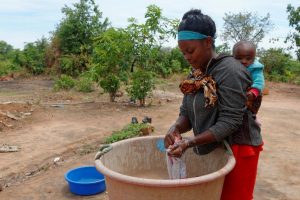
Most young people around the world do not have the chance to attend formal institutions of learning. The capacity of formal education and training systems is often limited due to inadequate training infrastructures and the relatively high costs of full-time, centre-based training. Consequently, large numbers of youth are learning and then working in the informal economy. 

Informal apprenticeship systems that transmit the skills of a trade to a young person in a micro- or small enterprise have operated for generations in many countries. They are considered by far the most important source of skills training in Africa and South Asia.

Women and men in the informal economy often do not possess a formal proof of their skills. Skills acquired informally are not visible and hence are often not recognized by employers. Transitions to the formal labour market can also be facilitated if skills are assessed and recognized. Systems of Recognition of Prior Learning are being introduced by countries to offer access to further learning or to formal labour markets.

Identifier
skpTrnForm
Slug
skills-for-transition-to-formality

Statistical brief on apprentices in countries with large informal economies

Statistical brief on apprentices in countries with large informal economies

Type:
Document
Content Type:
Publication
Language:

English

Slug
english
Identifier
skpEng
Sources:

ILO

The International Labour Organization is the tripartite U.N. agency that promotes Decent Work through employment, social security, labour standards and social dialogue. Its work on skills development is guided by the conceptual framework on Skills to improve productivity, employment growth, and development agreed in 2008 by representatives of Governments, Employers’ Associations and Workers’ Associations. Research, policy advice, and pilot projects and technical cooperation programmes to apply good practices in different circumstances across its 185 member States aims to boost the employability of workers, the productivity and competitiveness of enterprises, and the inclusiveness of economic growth. The ILO Secretariat in offices in 40 countries works with Ministries of Labour, employers’ organizations, and trade unions to integrate skills development into national and sector development strategies in order to better meet current labour market needs and to prepare for the jobs of the future; to expand access to employment-related training so that youth, persons with disabilities and other vulnerable groups are better able to acquire skills and secure productive and decent work; and to improve the ability of public employment services to provide career guidance, maintain labour exchange services, and deliver active labour market programmes.For more information regarding the ILO’s work on skills and employability go to: http://www.ilo.org/skills/lang--en/index.htm; for ILO/Cinterfor's Knowledge Management Plarform, see: http://www.oitcinterfor.org

Thumbnail
Identifier
skpILO
Slug
ilo
Topics:

Skills for transition to formality

Thumbnail

Most young people around the world do not have the chance to attend formal institutions of learning. The capacity of formal education and training systems is often limited due to inadequate training infrastructures and the relatively high costs of full-time, centre-based training. Consequently, large numbers of youth are learning and then working in the informal economy. 

Informal apprenticeship systems that transmit the skills of a trade to a young person in a micro- or small enterprise have operated for generations in many countries. They are considered by far the most important source of skills training in Africa and South Asia.

Women and men in the informal economy often do not possess a formal proof of their skills. Skills acquired informally are not visible and hence are often not recognized by employers. Transitions to the formal labour market can also be facilitated if skills are assessed and recognized. Systems of Recognition of Prior Learning are being introduced by countries to offer access to further learning or to formal labour markets.

Identifier
skpTrnForm
Slug
skills-for-transition-to-formality

Work-based learning and skills utilization

Thumbnail

Increasingly, countries around the world, at all levels of development are putting work-based learning, particularly apprenticeships, high on their policy agenda, recognizing its potential for reducing skills mismatch, meeting skills demand of a fast changing labour market, providing cost-effective training, promoting private sector development and smoothing transitions to the world of work. 

Moreover, the issue of how skills are used in the workplace and how businesses engage with the local skills ecosystem are getting greater attention. It is increasingly recognized that workers who better use their skills are more likely to have greater job satisfaction, earn better wages and are more prepared to adapt to changes in the nature of work, while employers benefit from a more productive and innovative workforce, enabling them to maximise business performance and profitability. 

Identifier
skpWrkLrn
Slug
work-based-learning-and-skills-utilization
Knowledge Products:

Statistical information

Data produced by the international organizations and countries on trends in skills provision, demand, and employment outcomes to help inform policy-making and monitoring processes.

Thumbnail
Identifier
skpStatInfo
Slug
statistical-information
Publication Date:
31 May 2023

This statistical brief compares country-level data on apprenticeships with an interest in countries with large informal economies. 

This brief investigates the possibilities and limitations of current labour force statistics to provide a snapshot on apprenticeships, with data compiled by the ILO from 27 countries (26 African and 1 South Asian countries). It also provides key findings and recommendations based on the comparative analysis.
Subject Tags:

Apprenticeships

Slug
apprenticeships
Identifier
639

Informal economy

Slug
informal-economy
Identifier
187

Labour force survey

Slug
labour-force-survey
Identifier
358
Regions:

Africa

Region Image

Skills Development for Increased Employability Programme (SDEP)

Skills Development for Increased Employability Programme (SDEP)

Type:
Document
Content Type:
Project
Language:

English

Slug
english
Identifier
skpEng
Sources:

ILO

The International Labour Organization is the tripartite U.N. agency that promotes Decent Work through employment, social security, labour standards and social dialogue. Its work on skills development is guided by the conceptual framework on Skills to improve productivity, employment growth, and development agreed in 2008 by representatives of Governments, Employers’ Associations and Workers’ Associations. Research, policy advice, and pilot projects and technical cooperation programmes to apply good practices in different circumstances across its 185 member States aims to boost the employability of workers, the productivity and competitiveness of enterprises, and the inclusiveness of economic growth. The ILO Secretariat in offices in 40 countries works with Ministries of Labour, employers’ organizations, and trade unions to integrate skills development into national and sector development strategies in order to better meet current labour market needs and to prepare for the jobs of the future; to expand access to employment-related training so that youth, persons with disabilities and other vulnerable groups are better able to acquire skills and secure productive and decent work; and to improve the ability of public employment services to provide career guidance, maintain labour exchange services, and deliver active labour market programmes.For more information regarding the ILO’s work on skills and employability go to: http://www.ilo.org/skills/lang--en/index.htm; for ILO/Cinterfor's Knowledge Management Plarform, see: http://www.oitcinterfor.org

Thumbnail
Identifier
skpILO
Slug
ilo
Topics:

Skills for green transition/climate action

Thumbnail

The growing importance of sustainable development and the shift to a low-carbon and climateresilient economy will require new skills and qualifications, offering great potential for the creation of green jobs but also implying structural changes and a transformation of existing jobs. The transition to a low-carbon and greener economy will generate millions of new jobs, negatively affect some high-emitting sectors, and alter most existing occupations in terms of task compositions and skills requirements. 

Ensuring the right skills for green jobs is a prerequisite to make the transition to a greener economy happen. Today, skills gaps are already recognised as a major bottleneck in a number of sectors, such as renewable energy, energy and resource efficiency, green building or environmental services. The adoption and dissemination of clean technologies require skills in technology application, adaptation and maintenance. Skills are also crucial for economies and
businesses, workers and entrepreneurs to rapidly adapt to changes deriving from climate change and environmental policies. 

Identifier
skpGreen
Slug
skills-for-green-transition-climate-action

Skills for transition to formality

Thumbnail

Most young people around the world do not have the chance to attend formal institutions of learning. The capacity of formal education and training systems is often limited due to inadequate training infrastructures and the relatively high costs of full-time, centre-based training. Consequently, large numbers of youth are learning and then working in the informal economy. 

Informal apprenticeship systems that transmit the skills of a trade to a young person in a micro- or small enterprise have operated for generations in many countries. They are considered by far the most important source of skills training in Africa and South Asia.

Women and men in the informal economy often do not possess a formal proof of their skills. Skills acquired informally are not visible and hence are often not recognized by employers. Transitions to the formal labour market can also be facilitated if skills are assessed and recognized. Systems of Recognition of Prior Learning are being introduced by countries to offer access to further learning or to formal labour markets.

Identifier
skpTrnForm
Slug
skills-for-transition-to-formality

Training quality and relevance

Thumbnail
Identifier
skpTrainQR
Slug
training-quality-and-relevance

Work-based learning and skills utilization

Thumbnail

Increasingly, countries around the world, at all levels of development are putting work-based learning, particularly apprenticeships, high on their policy agenda, recognizing its potential for reducing skills mismatch, meeting skills demand of a fast changing labour market, providing cost-effective training, promoting private sector development and smoothing transitions to the world of work. 

Moreover, the issue of how skills are used in the workplace and how businesses engage with the local skills ecosystem are getting greater attention. It is increasingly recognized that workers who better use their skills are more likely to have greater job satisfaction, earn better wages and are more prepared to adapt to changes in the nature of work, while employers benefit from a more productive and innovative workforce, enabling them to maximise business performance and profitability. 

Identifier
skpWrkLrn
Slug
work-based-learning-and-skills-utilization
Knowledge Products:

Other knowledge products

Thumbnail
Identifier
skpOProduct
Slug
other-knowledge-products
Publication Date:
30 Mar 2023
The four-year Skills Development for Increased Employability Programme (SDEP), launched in 2023, strengthens the relevance, quality and governance of the TEVET system, and encourages greater participation of the private sector in skills development initiatives that respond to the needs of industry, in a greener economy. Funded through a partnership agreement with the European Union (EU), the International Labour Organization (ILO) in Zambia is working to support the Government and private actors to focus on the governance and management structures of Zambia’s Technical Education, Vocational and Entrepreneurship Training (TEVET) system and to support the upgrading and maintenance of training facilities and curriculum development. Private sector involvement plays an important role in updating curricula and for the promotion of Work Based Learning (WBL) interventions. The overall objective is to contribute towards improving employability of the labour force for both women and men in Zambia and supporting the TEVET system towards producing relevant skills that match the needs of the industry by the year 2026.
Subject Tags:

Employability

Slug
employability
Identifier
643

Green skills

Slug
green-skills
Identifier
645

Skilled workers

Slug
skilled-workers
Identifier
45

TVET systems

Slug
tvet-systems
Identifier
661
Regions:

Africa

Region Image
Countries and territories:

ILO Workshop at the Global Lifelong Learning Summit: Micro-credentials promoting lifelong learning and careers

ILO Workshop at the Global Lifelong Learning Summit: Micro-credentials promoting lifelong learning and careers

Kind:
Event
Start Date:
01 Nov 2022
End Date:
04 Jun 2026
Event Location:
Singapore
EventType:
Language:

English

Slug
english
Identifier
skpEng
Language Version:
--
Sources:

ILO

The International Labour Organization is the tripartite U.N. agency that promotes Decent Work through employment, social security, labour standards and social dialogue. Its work on skills development is guided by the conceptual framework on Skills to improve productivity, employment growth, and development agreed in 2008 by representatives of Governments, Employers’ Associations and Workers’ Associations. Research, policy advice, and pilot projects and technical cooperation programmes to apply good practices in different circumstances across its 185 member States aims to boost the employability of workers, the productivity and competitiveness of enterprises, and the inclusiveness of economic growth. The ILO Secretariat in offices in 40 countries works with Ministries of Labour, employers’ organizations, and trade unions to integrate skills development into national and sector development strategies in order to better meet current labour market needs and to prepare for the jobs of the future; to expand access to employment-related training so that youth, persons with disabilities and other vulnerable groups are better able to acquire skills and secure productive and decent work; and to improve the ability of public employment services to provide career guidance, maintain labour exchange services, and deliver active labour market programmes.For more information regarding the ILO’s work on skills and employability go to: http://www.ilo.org/skills/lang--en/index.htm; for ILO/Cinterfor's Knowledge Management Plarform, see: http://www.oitcinterfor.org

Thumbnail
Identifier
skpILO
Slug
ilo
Topics:

Digital skills

Thumbnail

The world of work is undergoing a substantial transformation due to new forces. In particular, technological advances, such as AI, automation and robotics, have produced numerous new opportunities, but also given rise to urgent challenges. While new jobs are constantly being created with the emergence of the digital economy, many jobs are at risk of becoming obsolete. Digital innovations will rapidly change the demand for skills, thereby creating a wider skills gap that has the potential to hold back economic growth. Equipping people with basic or advanced digital skills promises to prepare them for unprecedented job opportunities in the digital economy. This will lead to innovation, higher productivity and competitiveness, as well as expanding markets, access to work and entrepreneurship opportunities. 

Identifier
skpdigskills
Slug
digital-skills

Lifelong learning

Thumbnail

There is a critical need for a greater overall investment in education and training, particularly in developing countries. Education and training investments should be closely linked to economic and employment growth strategies and programmes. Responsibility should be shared between the government (primary responsibility), enterprises, the social partners, and the individual. To make lifelong learning for all a reality, countries will need to make major reforms of their vocational and education and training systems. School-to-work schemes for young people should integrate education with workplace learning. Training systems need to become more flexible and responsive to rapidly changing skill requirements. Reforms should also focus on how learning can be facilitated, not just on training for specific occupational categories.

Identifier
skpPSLLL
Slug
lifelong-learning

Skills for care economy

Thumbnail

The growing demand for care work will continue to create a large number of jobs in the coming years. To build a care sector that benefits care workers, care recipients and society overall, governments should take crucial steps regarding the nature and provision of care policies and services, and the terms and conditions of care work. This must include creating a comprehensive system for training, skills development and skills recognition, ensuring that workers are able to meet emerging care needs.

Identifier
skpCare
Slug
skills-for-care-economy

Skills for transition to formality

Thumbnail

Most young people around the world do not have the chance to attend formal institutions of learning. The capacity of formal education and training systems is often limited due to inadequate training infrastructures and the relatively high costs of full-time, centre-based training. Consequently, large numbers of youth are learning and then working in the informal economy. 

Informal apprenticeship systems that transmit the skills of a trade to a young person in a micro- or small enterprise have operated for generations in many countries. They are considered by far the most important source of skills training in Africa and South Asia.

Women and men in the informal economy often do not possess a formal proof of their skills. Skills acquired informally are not visible and hence are often not recognized by employers. Transitions to the formal labour market can also be facilitated if skills are assessed and recognized. Systems of Recognition of Prior Learning are being introduced by countries to offer access to further learning or to formal labour markets.

Identifier
skpTrnForm
Slug
skills-for-transition-to-formality
Knowledge Products:

Micro-credentials are becoming increasingly popular tools to recognise the completion of bite-size learning activities, particularly  in non-formal and informal contexts, making proof of acquired learning outcomes. While they are not new, they have gained greater visibility in recent years, particularly during the COVID-19 pandemic. The turn to digital work and learning accelerated the transition from physical to digital and hybrid skills systems, pushing the private offer of short online training and popularised the use of digital credentials.
 

This workshop will aim at raising awareness about challenges and opportunities associated with the implementation of micro-credentials, as well as highlight successful examples emerging from private and public initiatives. The workshop will be structured around a panel discussion including government, workers and employers representatives, as well as micro-credentials providers. The discussion will have particular interest for policy makers, social partner representatives, training institutions managers.

Key themes to be discussed include:

  • The role and limitations of micro-credentials as an enabler of lifelong learning, access to decent work and long-term careers for all groups
  • The challenges and opportunities of micro-credentials as an enabler for workers to upskill, reskill and access qualifications
  • The potential and limitations of micro-credentials as enhancers of learning, talent acquisition, skills utilization, motivation and productivity in enterprises, promoting just green and digital transitions
  • The role of governments and social partners in generating a skills ecosystem conducive to quality, trust and effective connections between industry, training offer and recognition mechanisms
  • Digital transformation, inclusiveness and data ownership
Subject Tags:
Regions:
Countries and territories:
Economic groups:
--

Improved Access to Employment Opportunities for Lebanese and Refugee Graduates from Skills Training Project Tracer Study of Graduates

Improved Access to Employment Opportunities for Lebanese and Refugee Graduates from Skills Training Project Tracer Study of Graduates

Type:
Document
Content Type:
Generic document
Language:

English

Slug
english
Identifier
skpEng
Sources:

ILO

The International Labour Organization is the tripartite U.N. agency that promotes Decent Work through employment, social security, labour standards and social dialogue. Its work on skills development is guided by the conceptual framework on Skills to improve productivity, employment growth, and development agreed in 2008 by representatives of Governments, Employers’ Associations and Workers’ Associations. Research, policy advice, and pilot projects and technical cooperation programmes to apply good practices in different circumstances across its 185 member States aims to boost the employability of workers, the productivity and competitiveness of enterprises, and the inclusiveness of economic growth. The ILO Secretariat in offices in 40 countries works with Ministries of Labour, employers’ organizations, and trade unions to integrate skills development into national and sector development strategies in order to better meet current labour market needs and to prepare for the jobs of the future; to expand access to employment-related training so that youth, persons with disabilities and other vulnerable groups are better able to acquire skills and secure productive and decent work; and to improve the ability of public employment services to provide career guidance, maintain labour exchange services, and deliver active labour market programmes.For more information regarding the ILO’s work on skills and employability go to: http://www.ilo.org/skills/lang--en/index.htm; for ILO/Cinterfor's Knowledge Management Plarform, see: http://www.oitcinterfor.org

Thumbnail
Identifier
skpILO
Slug
ilo
Topics:

Access to training

Thumbnail

Access for all to good quality education, vocational training and workplace learning is a fundamental principle of social cohesion and economic growth. Some groups of people may require targeted attention if they are to benefit from education, training and employment opportunities.  

This is particularly the case for disadvantaged youth, lower skilled workers, people with disabilities, and people in rural communities. The attractiveness of vocational education and training is enhanced when combined with entrepreneurship training and when public policies encourage utilization of higher skills by business. 
 

Identifier
skpATSU
Slug
access-to-training

Migrant workers

Thumbnail

According to the ILO global estimates on migrant workers, there were around 164 million migrant workers in 2017. 

Migrant workers contribute to growth and development in their countries of destination, while countries of origin greatly benefit from their remittances and the skills acquired during their migration experience. Yet, many migrant workers face challenges in accessing quality training and decent jobs including under-utilization of skills, a lack of employment or training opportunities, lack of information, and exploitation of low-skilled workers.

To address these challenges, countries need to strengthen skills anticipation systems to inform migration policies, increase access to education and training, and establish bilateral or multilateral recognition of qualifications and skills.

Identifier
skpMigWor
Slug
migrant-workers

Skills for transition to formality

Thumbnail

Most young people around the world do not have the chance to attend formal institutions of learning. The capacity of formal education and training systems is often limited due to inadequate training infrastructures and the relatively high costs of full-time, centre-based training. Consequently, large numbers of youth are learning and then working in the informal economy. 

Informal apprenticeship systems that transmit the skills of a trade to a young person in a micro- or small enterprise have operated for generations in many countries. They are considered by far the most important source of skills training in Africa and South Asia.

Women and men in the informal economy often do not possess a formal proof of their skills. Skills acquired informally are not visible and hence are often not recognized by employers. Transitions to the formal labour market can also be facilitated if skills are assessed and recognized. Systems of Recognition of Prior Learning are being introduced by countries to offer access to further learning or to formal labour markets.

Identifier
skpTrnForm
Slug
skills-for-transition-to-formality

Youth employability

Thumbnail

Globally, nearly 68 million young women and men are looking for and available for work,  and an estimated 123 million young people are working but living in poverty. The number who are not in employment, education or training (NEET) stands at 267 million, a majority of whom are young women. Significantly, young people are three times as likely as adults (25 years and older) to be unemployed.

Skills development is a primary means of enabling young people to make a smooth transition to work. A comprehensive approach is required to integrate young women and men in the labour market, including relevant and quality skills training, labour market information, career guidance and employment services, recognition of prior learning, incorporating entrepreneurship with training and effective skills forecasting. Improved basic education and core work skills are particularly important to enable youth to engage in lifelong learning as well as transition to the labour market. 

Identifier
skpYoEmp
Slug
youth-employability
Knowledge Products:

Case studies and good practices

Case studies that document good practices and illustrate the benefits and lessons learnt of particular approaches or methods in real practice. 

Thumbnail
Identifier
skpCaseStdy
Slug
case-studies-and-good-practices

Tools and guidance

The platform includes a variety of practical tools and guidance materials developed by the ILO at global and national levels. The resources include guides, case studies, cheklist, visual materials and more, and they cover a wide range of topics. Some are specifically aimed at certain groups of stakeholders, for example employers, workers or governments, and some are designed to support specific groups of beneficiaries. 

Thumbnail
Identifier
skpTag
Slug
tools-and-guidance
Publication Date:
04 Oct 2022

In 2018, the Italian Agency for Development Cooperation (AICS) supported the implementation of a one-year programme to improve access to employment opportunities for Lebanese and refugee graduates. The accelerated skills training programmes (ASTP) consisted of theoretical and practical courses and periods of paid internship within private companies, cooperatives and local public institutions.
The International Labour Organisation (ILO) provided support to programme stakeholders through capacity building and guidance on non-formal market-based skills training. A total of 1,436 vulnerable persons living in Lebanon received a certificate after completing the training and internship.

Two years later, this tracer study aims at assessing the outcomes of the vocational training programme in terms of graduates’ appreciation of the training, employment and income trajectories, relevance between skills learned and jobs obtained, and, more generally, the enabling and disabling factors to participation in the labour market among the population of graduates.

The multi-faceted crisis that Lebanon is currently experiencing (financial crisis, anti-government protest movement, the Beirut Port explosion in August 2020 and its repercussions, and the Covid-19 pandemic) makes the context exceptional. The results of the programme in terms of employment should be read bearing this context in mind.

Subject Tags:

Migrant workers

Slug
migrant-workers
Identifier
681

Skills and training policy

Slug
skills-and-training-policy
Identifier
666

Youth employment

Slug
youth-employment
Identifier
15
Regions:

Arab States

Region Image
Countries and territories:

Guidelines for Non-Formal Market-Based Skills Training in Lebanon

Guidelines for Non-Formal Market-Based Skills Training in Lebanon

Type:
Document
Content Type:
Generic document
Language:

English

Slug
english
Identifier
skpEng
Sources:

ILO

The International Labour Organization is the tripartite U.N. agency that promotes Decent Work through employment, social security, labour standards and social dialogue. Its work on skills development is guided by the conceptual framework on Skills to improve productivity, employment growth, and development agreed in 2008 by representatives of Governments, Employers’ Associations and Workers’ Associations. Research, policy advice, and pilot projects and technical cooperation programmes to apply good practices in different circumstances across its 185 member States aims to boost the employability of workers, the productivity and competitiveness of enterprises, and the inclusiveness of economic growth. The ILO Secretariat in offices in 40 countries works with Ministries of Labour, employers’ organizations, and trade unions to integrate skills development into national and sector development strategies in order to better meet current labour market needs and to prepare for the jobs of the future; to expand access to employment-related training so that youth, persons with disabilities and other vulnerable groups are better able to acquire skills and secure productive and decent work; and to improve the ability of public employment services to provide career guidance, maintain labour exchange services, and deliver active labour market programmes.For more information regarding the ILO’s work on skills and employability go to: http://www.ilo.org/skills/lang--en/index.htm; for ILO/Cinterfor's Knowledge Management Plarform, see: http://www.oitcinterfor.org

Thumbnail
Identifier
skpILO
Slug
ilo
Topics:

Access to training

Thumbnail

Access for all to good quality education, vocational training and workplace learning is a fundamental principle of social cohesion and economic growth. Some groups of people may require targeted attention if they are to benefit from education, training and employment opportunities.  

This is particularly the case for disadvantaged youth, lower skilled workers, people with disabilities, and people in rural communities. The attractiveness of vocational education and training is enhanced when combined with entrepreneurship training and when public policies encourage utilization of higher skills by business. 
 

Identifier
skpATSU
Slug
access-to-training

Skills for transition to formality

Thumbnail

Most young people around the world do not have the chance to attend formal institutions of learning. The capacity of formal education and training systems is often limited due to inadequate training infrastructures and the relatively high costs of full-time, centre-based training. Consequently, large numbers of youth are learning and then working in the informal economy. 

Informal apprenticeship systems that transmit the skills of a trade to a young person in a micro- or small enterprise have operated for generations in many countries. They are considered by far the most important source of skills training in Africa and South Asia.

Women and men in the informal economy often do not possess a formal proof of their skills. Skills acquired informally are not visible and hence are often not recognized by employers. Transitions to the formal labour market can also be facilitated if skills are assessed and recognized. Systems of Recognition of Prior Learning are being introduced by countries to offer access to further learning or to formal labour markets.

Identifier
skpTrnForm
Slug
skills-for-transition-to-formality

Youth employability

Thumbnail

Globally, nearly 68 million young women and men are looking for and available for work,  and an estimated 123 million young people are working but living in poverty. The number who are not in employment, education or training (NEET) stands at 267 million, a majority of whom are young women. Significantly, young people are three times as likely as adults (25 years and older) to be unemployed.

Skills development is a primary means of enabling young people to make a smooth transition to work. A comprehensive approach is required to integrate young women and men in the labour market, including relevant and quality skills training, labour market information, career guidance and employment services, recognition of prior learning, incorporating entrepreneurship with training and effective skills forecasting. Improved basic education and core work skills are particularly important to enable youth to engage in lifelong learning as well as transition to the labour market. 

Identifier
skpYoEmp
Slug
youth-employability
Knowledge Products:

Case studies and good practices

Case studies that document good practices and illustrate the benefits and lessons learnt of particular approaches or methods in real practice. 

Thumbnail
Identifier
skpCaseStdy
Slug
case-studies-and-good-practices

Tools and guidance

The platform includes a variety of practical tools and guidance materials developed by the ILO at global and national levels. The resources include guides, case studies, cheklist, visual materials and more, and they cover a wide range of topics. Some are specifically aimed at certain groups of stakeholders, for example employers, workers or governments, and some are designed to support specific groups of beneficiaries. 

Thumbnail
Identifier
skpTag
Slug
tools-and-guidance
Publication Date:
04 Oct 2022
These guidelines are intended to support non-formal vocational training providers in Lebanon, with specific guidance on how to improve the market relevance and employment impact of their programmes. They were designed in a participatory way in order to increase “ownership” among stakeholders and to facilitate usage in Lebanon.
Subject Tags:

Employability

Slug
employability
Identifier
643

Skills and training policy

Slug
skills-and-training-policy
Identifier
666

Vocational training

Slug
vocational-training
Identifier
124
Regions:

Arab States

Region Image

Skills for Employment Policy Brief - Upgrading Informal Apprenticeship Systems

Skills for Employment Policy Brief - Upgrading Informal Apprenticeship Systems

Type:
Document
Content Type:
Generic document
Language:

English

Slug
english
Identifier
skpEng
Sources:

ILO

The International Labour Organization is the tripartite U.N. agency that promotes Decent Work through employment, social security, labour standards and social dialogue. Its work on skills development is guided by the conceptual framework on Skills to improve productivity, employment growth, and development agreed in 2008 by representatives of Governments, Employers’ Associations and Workers’ Associations. Research, policy advice, and pilot projects and technical cooperation programmes to apply good practices in different circumstances across its 185 member States aims to boost the employability of workers, the productivity and competitiveness of enterprises, and the inclusiveness of economic growth. The ILO Secretariat in offices in 40 countries works with Ministries of Labour, employers’ organizations, and trade unions to integrate skills development into national and sector development strategies in order to better meet current labour market needs and to prepare for the jobs of the future; to expand access to employment-related training so that youth, persons with disabilities and other vulnerable groups are better able to acquire skills and secure productive and decent work; and to improve the ability of public employment services to provide career guidance, maintain labour exchange services, and deliver active labour market programmes.For more information regarding the ILO’s work on skills and employability go to: http://www.ilo.org/skills/lang--en/index.htm; for ILO/Cinterfor's Knowledge Management Plarform, see: http://www.oitcinterfor.org

Thumbnail
Identifier
skpILO
Slug
ilo
Topics:

Access to training

Thumbnail

Access for all to good quality education, vocational training and workplace learning is a fundamental principle of social cohesion and economic growth. Some groups of people may require targeted attention if they are to benefit from education, training and employment opportunities.  

This is particularly the case for disadvantaged youth, lower skilled workers, people with disabilities, and people in rural communities. The attractiveness of vocational education and training is enhanced when combined with entrepreneurship training and when public policies encourage utilization of higher skills by business. 
 

Identifier
skpATSU
Slug
access-to-training

Skills for transition to formality

Thumbnail

Most young people around the world do not have the chance to attend formal institutions of learning. The capacity of formal education and training systems is often limited due to inadequate training infrastructures and the relatively high costs of full-time, centre-based training. Consequently, large numbers of youth are learning and then working in the informal economy. 

Informal apprenticeship systems that transmit the skills of a trade to a young person in a micro- or small enterprise have operated for generations in many countries. They are considered by far the most important source of skills training in Africa and South Asia.

Women and men in the informal economy often do not possess a formal proof of their skills. Skills acquired informally are not visible and hence are often not recognized by employers. Transitions to the formal labour market can also be facilitated if skills are assessed and recognized. Systems of Recognition of Prior Learning are being introduced by countries to offer access to further learning or to formal labour markets.

Identifier
skpTrnForm
Slug
skills-for-transition-to-formality

Youth employability

Thumbnail

Globally, nearly 68 million young women and men are looking for and available for work,  and an estimated 123 million young people are working but living in poverty. The number who are not in employment, education or training (NEET) stands at 267 million, a majority of whom are young women. Significantly, young people are three times as likely as adults (25 years and older) to be unemployed.

Skills development is a primary means of enabling young people to make a smooth transition to work. A comprehensive approach is required to integrate young women and men in the labour market, including relevant and quality skills training, labour market information, career guidance and employment services, recognition of prior learning, incorporating entrepreneurship with training and effective skills forecasting. Improved basic education and core work skills are particularly important to enable youth to engage in lifelong learning as well as transition to the labour market. 

Identifier
skpYoEmp
Slug
youth-employability
Knowledge Products:

Tools and guidance

The platform includes a variety of practical tools and guidance materials developed by the ILO at global and national levels. The resources include guides, case studies, cheklist, visual materials and more, and they cover a wide range of topics. Some are specifically aimed at certain groups of stakeholders, for example employers, workers or governments, and some are designed to support specific groups of beneficiaries. 

Thumbnail
Identifier
skpTag
Slug
tools-and-guidance
Publication Date:
03 Oct 2022
This policy brief focuses on the opportunities made available in informal apprenticeship systems for improving skill provision in the informal economy to offer young people, especially in developing countries, ways to more productive and decent jobs. The brief draws from ILO Skills and Employability Department\'s work with constituents to upgrade and expand informal apprenticeship systems through technical cooperation projects operating in Asia and Africa.
Subject Tags:

Apprenticeships

Slug
apprenticeships
Identifier
639

Informal economy

Slug
informal-economy
Identifier
187

Youth employment

Slug
youth-employment
Identifier
15
Regions:

Africa

Region Image

European Vocational Skills Week 2022

European Vocational Skills Week 2022

Kind:
Event
Start Date:
16 May 2022
End Date:
04 Jun 2026
Event Location:
24 countries
EventType:
Language:

English

Slug
english
Identifier
skpEng
Language Version:
--
Sources:

Information is gathered from other international organizations that promote skills development and the transition from education and training to work. The Interagency Group on Technical and Vocational Education and Training (IAG-TVET) was established in 2009 to share research findings, coordinate joint research endeavours, and improve collaboration among organizations working at the international and national levels.

Thumbnail
Identifier
skpIntOrg
Slug
international-organizations
Topics:

Anticipating and matching skills needs

Thumbnail

Anticipating and building skills for the future is essential to a rapidly changing labour market. This applies to changes in the types and levels of skills needed as well as in occupational and technical areas. Effective methods to anticipate future skills needs and avoid potential mismatches include: sustained dialogue between employers and trainers, coordination across government institutions, labour market information systems, employment services and performance reviews of training institutions. 

Identifier
skpAFSN
Slug
anticipating-and-matching-skills-needs

Skills for care economy

Thumbnail

The growing demand for care work will continue to create a large number of jobs in the coming years. To build a care sector that benefits care workers, care recipients and society overall, governments should take crucial steps regarding the nature and provision of care policies and services, and the terms and conditions of care work. This must include creating a comprehensive system for training, skills development and skills recognition, ensuring that workers are able to meet emerging care needs.

Identifier
skpCare
Slug
skills-for-care-economy

Skills for transition to formality

Thumbnail

Most young people around the world do not have the chance to attend formal institutions of learning. The capacity of formal education and training systems is often limited due to inadequate training infrastructures and the relatively high costs of full-time, centre-based training. Consequently, large numbers of youth are learning and then working in the informal economy. 

Informal apprenticeship systems that transmit the skills of a trade to a young person in a micro- or small enterprise have operated for generations in many countries. They are considered by far the most important source of skills training in Africa and South Asia.

Women and men in the informal economy often do not possess a formal proof of their skills. Skills acquired informally are not visible and hence are often not recognized by employers. Transitions to the formal labour market can also be facilitated if skills are assessed and recognized. Systems of Recognition of Prior Learning are being introduced by countries to offer access to further learning or to formal labour markets.

Identifier
skpTrnForm
Slug
skills-for-transition-to-formality

Training quality and relevance

Thumbnail
Identifier
skpTrainQR
Slug
training-quality-and-relevance
Knowledge Products:

National policies and initiatives

National legislation, policies and initiatives on the issue of training and skills development and the world of work. 

Thumbnail
Identifier
skpNatPol
Slug
national-policies-and-initiatives

Policy and strategy

Recommendations and advice on resolving policy challenges related to skills development systems and their linkages to the world of work.  Concise syntheses of experience from the international organizations.

Thumbnail
Identifier
skpPolOp
Slug
policy-and-strategy

European Vocational Skills Week is an annual event where local, regional or national organisations showcase the very best of vocational education and training (VET). VET is a path to a more fulfilling personal and professional life. European Vocational Skills Week is a platform to make VET’s potential more widely known, and an opportunity to exchange information and good practices across Europe and beyond.

The European Vocational Skills Week will be held 16-20 May 2022. The specific theme is VET and the Green Transition - in line with the EU’s vision of becoming climate neutral by 2050, as outlined in the European Green Deal.

https://ec.europa.eu/social/vocational-skills-week/index_en 

Subject Tags:

Green skills

Slug
green-skills
Identifier
645

Skilled workers

Slug
skilled-workers
Identifier
45

Sustainable development

Slug
sustainable-development
Identifier
658

Vocational training

Slug
vocational-training
Identifier
124
Regions:
Countries and territories:
Economic groups:
--

Skills development and improved productivity ecosystems: Upgrading informal apprenticeships in Jordan’s car garages

Skills development and improved productivity ecosystems: Upgrading informal apprenticeships in Jordan’s car garages

Type:
Document
Content Type:
Generic document
Language:

English

Slug
english
Identifier
skpEng
Sources:

ILO

The International Labour Organization is the tripartite U.N. agency that promotes Decent Work through employment, social security, labour standards and social dialogue. Its work on skills development is guided by the conceptual framework on Skills to improve productivity, employment growth, and development agreed in 2008 by representatives of Governments, Employers’ Associations and Workers’ Associations. Research, policy advice, and pilot projects and technical cooperation programmes to apply good practices in different circumstances across its 185 member States aims to boost the employability of workers, the productivity and competitiveness of enterprises, and the inclusiveness of economic growth. The ILO Secretariat in offices in 40 countries works with Ministries of Labour, employers’ organizations, and trade unions to integrate skills development into national and sector development strategies in order to better meet current labour market needs and to prepare for the jobs of the future; to expand access to employment-related training so that youth, persons with disabilities and other vulnerable groups are better able to acquire skills and secure productive and decent work; and to improve the ability of public employment services to provide career guidance, maintain labour exchange services, and deliver active labour market programmes.For more information regarding the ILO’s work on skills and employability go to: http://www.ilo.org/skills/lang--en/index.htm; for ILO/Cinterfor's Knowledge Management Plarform, see: http://www.oitcinterfor.org

Thumbnail
Identifier
skpILO
Slug
ilo
Topics:

Skills for transition to formality

Thumbnail

Most young people around the world do not have the chance to attend formal institutions of learning. The capacity of formal education and training systems is often limited due to inadequate training infrastructures and the relatively high costs of full-time, centre-based training. Consequently, large numbers of youth are learning and then working in the informal economy. 

Informal apprenticeship systems that transmit the skills of a trade to a young person in a micro- or small enterprise have operated for generations in many countries. They are considered by far the most important source of skills training in Africa and South Asia.

Women and men in the informal economy often do not possess a formal proof of their skills. Skills acquired informally are not visible and hence are often not recognized by employers. Transitions to the formal labour market can also be facilitated if skills are assessed and recognized. Systems of Recognition of Prior Learning are being introduced by countries to offer access to further learning or to formal labour markets.

Identifier
skpTrnForm
Slug
skills-for-transition-to-formality

Work-based learning and skills utilization

Thumbnail

Increasingly, countries around the world, at all levels of development are putting work-based learning, particularly apprenticeships, high on their policy agenda, recognizing its potential for reducing skills mismatch, meeting skills demand of a fast changing labour market, providing cost-effective training, promoting private sector development and smoothing transitions to the world of work. 

Moreover, the issue of how skills are used in the workplace and how businesses engage with the local skills ecosystem are getting greater attention. It is increasingly recognized that workers who better use their skills are more likely to have greater job satisfaction, earn better wages and are more prepared to adapt to changes in the nature of work, while employers benefit from a more productive and innovative workforce, enabling them to maximise business performance and profitability. 

Identifier
skpWrkLrn
Slug
work-based-learning-and-skills-utilization
Knowledge Products:

Case studies and good practices

Case studies that document good practices and illustrate the benefits and lessons learnt of particular approaches or methods in real practice. 

Thumbnail
Identifier
skpCaseStdy
Slug
case-studies-and-good-practices
Publication Date:
03 Apr 2022

In March 2021, the International Labour Organization (ILO) Governing Body unanimously endorsed the Productivity Ecosystem for Decent Work (hereafter referred to as “Productivity Ecosystem”). The Productivity Ecosystem is an approach that works at the firm, sector and policy level to systematically identify key productivity bottlenecks faced by micro, small and medium enterprises (MSMEs) and address them in an integrated and sustainable manner. The approach has been developed based on the ILO’s previous work and programmes to improve productivity and decent work for MSMEs.

This case study is part of a broader series that seeks to shed light on key drivers of inclusive productivity growth and to showcase how the ILO has helped strengthen those drivers. Concrete examples are presented of how the ILO facilitated or promoted change that led to positive impact on productivity and decent work, especially for MSMEs. The case study series zooms in on skills development as a key driver for a well-functioning productivity ecosystems for decent work. Specifically, the below case study of an ILO-led upgraded informal apprenticeship programme in Jordan’s car servicing and maintenance sector finds that such apprenticeship schemes impact the skills of young apprentices, thereby improving their employability and the productivity of participating MSMEs.  

Subject Tags:

Apprenticeships

Slug
apprenticeships
Identifier
639

Informal economy

Slug
informal-economy
Identifier
187

Youth employment

Slug
youth-employment
Identifier
15
Regions:

Arab States

Region Image
Countries and territories:

Working paper: How to strengthen informal apprenticeship systems for a better future of work? Lessons learned from comparative analysis of country cases.

Working paper: How to strengthen informal apprenticeship systems for a better future of work? Lessons learned from comparative analysis of country cases.

Type:
Document
Content Type:
Generic document
Language:

English

Slug
english
Identifier
skpEng
Sources:

ILO

The International Labour Organization is the tripartite U.N. agency that promotes Decent Work through employment, social security, labour standards and social dialogue. Its work on skills development is guided by the conceptual framework on Skills to improve productivity, employment growth, and development agreed in 2008 by representatives of Governments, Employers’ Associations and Workers’ Associations. Research, policy advice, and pilot projects and technical cooperation programmes to apply good practices in different circumstances across its 185 member States aims to boost the employability of workers, the productivity and competitiveness of enterprises, and the inclusiveness of economic growth. The ILO Secretariat in offices in 40 countries works with Ministries of Labour, employers’ organizations, and trade unions to integrate skills development into national and sector development strategies in order to better meet current labour market needs and to prepare for the jobs of the future; to expand access to employment-related training so that youth, persons with disabilities and other vulnerable groups are better able to acquire skills and secure productive and decent work; and to improve the ability of public employment services to provide career guidance, maintain labour exchange services, and deliver active labour market programmes.For more information regarding the ILO’s work on skills and employability go to: http://www.ilo.org/skills/lang--en/index.htm; for ILO/Cinterfor's Knowledge Management Plarform, see: http://www.oitcinterfor.org

Thumbnail
Identifier
skpILO
Slug
ilo
Topics:

Access to training

Thumbnail

Access for all to good quality education, vocational training and workplace learning is a fundamental principle of social cohesion and economic growth. Some groups of people may require targeted attention if they are to benefit from education, training and employment opportunities.  

This is particularly the case for disadvantaged youth, lower skilled workers, people with disabilities, and people in rural communities. The attractiveness of vocational education and training is enhanced when combined with entrepreneurship training and when public policies encourage utilization of higher skills by business. 
 

Identifier
skpATSU
Slug
access-to-training

Skills for transition to formality

Thumbnail

Most young people around the world do not have the chance to attend formal institutions of learning. The capacity of formal education and training systems is often limited due to inadequate training infrastructures and the relatively high costs of full-time, centre-based training. Consequently, large numbers of youth are learning and then working in the informal economy. 

Informal apprenticeship systems that transmit the skills of a trade to a young person in a micro- or small enterprise have operated for generations in many countries. They are considered by far the most important source of skills training in Africa and South Asia.

Women and men in the informal economy often do not possess a formal proof of their skills. Skills acquired informally are not visible and hence are often not recognized by employers. Transitions to the formal labour market can also be facilitated if skills are assessed and recognized. Systems of Recognition of Prior Learning are being introduced by countries to offer access to further learning or to formal labour markets.

Identifier
skpTrnForm
Slug
skills-for-transition-to-formality

Youth employability

Thumbnail

Globally, nearly 68 million young women and men are looking for and available for work,  and an estimated 123 million young people are working but living in poverty. The number who are not in employment, education or training (NEET) stands at 267 million, a majority of whom are young women. Significantly, young people are three times as likely as adults (25 years and older) to be unemployed.

Skills development is a primary means of enabling young people to make a smooth transition to work. A comprehensive approach is required to integrate young women and men in the labour market, including relevant and quality skills training, labour market information, career guidance and employment services, recognition of prior learning, incorporating entrepreneurship with training and effective skills forecasting. Improved basic education and core work skills are particularly important to enable youth to engage in lifelong learning as well as transition to the labour market. 

Identifier
skpYoEmp
Slug
youth-employability
Knowledge Products:

Research papers

Working papers, reports, and other publications from international organizations, academic institutions and bilateral agencies. Research findings to stimulate informed debate on skills, employment and productivity issues. 

Thumbnail
Identifier
skpRPS
Slug
research-papers
Publication Date:
21 Feb 2022

This paper undertakes a meta study on informal apprenticeship in developing countries. It compares the findings of country-level research conducted by the ILO and others in the past 15 years to shed more light on apprenticeship systems in the informal economy. It discusses the features and practices of informal ap-prenticeship systems, their responsiveness to rights at work, and the effectiveness of such systems along criteria such as dropouts, training quality, and transitions to employment. The analysis is complemented by a selected number of country case studies that describe and assess the policies and programmes that were introduced during past years to strengthen and upgrade apprenticeship systems in the informal economy. The findings aim to improve understanding of this complex, heterogenous, yet self-sustained training system in the informal economy for evidence-based discussions and policy dialogue between ILO constituents and beyond.

Subject Tags:

Apprenticeships

Slug
apprenticeships
Identifier
639

Informal economy

Slug
informal-economy
Identifier
187
Regions:

Africa

Region Image

ILO announces winners of the 2nd ILO Skills Challenge Innovation Call on e-formality and skills development

ILO announces winners of the 2nd ILO Skills Challenge Innovation Call on e-formality and skills development

Type:
Document
Content Type:
News
Language:

English

Slug
english
Identifier
skpEng
Sources:

ILO

The International Labour Organization is the tripartite U.N. agency that promotes Decent Work through employment, social security, labour standards and social dialogue. Its work on skills development is guided by the conceptual framework on Skills to improve productivity, employment growth, and development agreed in 2008 by representatives of Governments, Employers’ Associations and Workers’ Associations. Research, policy advice, and pilot projects and technical cooperation programmes to apply good practices in different circumstances across its 185 member States aims to boost the employability of workers, the productivity and competitiveness of enterprises, and the inclusiveness of economic growth. The ILO Secretariat in offices in 40 countries works with Ministries of Labour, employers’ organizations, and trade unions to integrate skills development into national and sector development strategies in order to better meet current labour market needs and to prepare for the jobs of the future; to expand access to employment-related training so that youth, persons with disabilities and other vulnerable groups are better able to acquire skills and secure productive and decent work; and to improve the ability of public employment services to provide career guidance, maintain labour exchange services, and deliver active labour market programmes.For more information regarding the ILO’s work on skills and employability go to: http://www.ilo.org/skills/lang--en/index.htm; for ILO/Cinterfor's Knowledge Management Plarform, see: http://www.oitcinterfor.org

Thumbnail
Identifier
skpILO
Slug
ilo
Topics:

Skills for transition to formality

Thumbnail

Most young people around the world do not have the chance to attend formal institutions of learning. The capacity of formal education and training systems is often limited due to inadequate training infrastructures and the relatively high costs of full-time, centre-based training. Consequently, large numbers of youth are learning and then working in the informal economy. 

Informal apprenticeship systems that transmit the skills of a trade to a young person in a micro- or small enterprise have operated for generations in many countries. They are considered by far the most important source of skills training in Africa and South Asia.

Women and men in the informal economy often do not possess a formal proof of their skills. Skills acquired informally are not visible and hence are often not recognized by employers. Transitions to the formal labour market can also be facilitated if skills are assessed and recognized. Systems of Recognition of Prior Learning are being introduced by countries to offer access to further learning or to formal labour markets.

Identifier
skpTrnForm
Slug
skills-for-transition-to-formality
Knowledge Products:

Promotional material

Presentations, discussion papers, meeting reports, promotional materials, videos, fact sheets, brochures and newsletters on skills development for employment.

Thumbnail
Identifier
skpAIM
Slug
promotional-material
Publication Date:
11 Nov 2021
Winning proposals offer innovative solutions for labour formalization in Latin America and the Caribbean through new technologies and skills development.

The International Labour Organization announced the two winning proposals of the 2nd Skills Challenge Innovation Call aimed at identifying solutions in the area of e-formality. The winning entries come from Ecuador and Brazil.

The call led to the identification of 60 innovative solutions in the areas of e-formality and skills development to contribute to the recovery of formal employment in the region after the massive job losses caused by COVID-19.

Five proposals, from Brazil, Ecuador and Chile, were shortlisted as finalists and invited to present their ideas to an international jury during a virtual event broadcasted live on 4 November 2021. Nearly 1,500 viewers from different regions of the world followed the event and voted for their favourite proposals.

After a rigorous evaluation process that took into account the jury\'s assessment and the public vote, the ILO selected the two winning proposals:
  • First prize (USD 30,000)Encadenamientos productivos digitales, submitted by the Guayaquil Chamber of Industries (CIG) of Ecuador. This initiative consists of the development of a virtual platform (including a mobile app and a web app) to support Micro, Small and Medium enterprises (MSME) in managing their inventory, improving the quality of their products/services and achieving supply chain traceability. It also uses real-time industry analytics to integrate MSME suppliers from vulnerable segments with industry clusters and large companies in order to generate sustainable business relationships and shared value.

  • Second prize (USD 20,000)#ElasporElas: Ferramenta de Educação Digital para o Empreendedorismo, led by Brazil\'s Serviço Social da Indústria (SESI). This digital education application aims at promoting the formalization of women in contexts of social vulnerability by supporting digital inclusion, formal entrepreneurship and financial independence of female victims of violence.
In addition to the financial support of USD 30,000 (first prize) and USD 20,000 (second prize) for the implementation of their proposals, the winning initiatives will receive technical advice for implementing their solutions and opportunities for making connections and getting global visibility.

\"The digital revolution, technological transformations and trends associated with the future of work, which have been accelerated by the pandemic, open an opportunity to adopt innovative solutions that support the insertion of economic units into formal value chains, through the use of new technologies,\" said Vinícius Pinheiro, Director of the ILO Office for Latin America and the Caribbean.

“This call for proposals on e-formality and skills development has shown the enormous potential for identifying innovative and effective solutions for formalization in the region, demonstrating the power of creativity and innovation to improve labour market outcomes”, he added.

\"The ILO launched this 2nd Skills Challenge Innovation Call, recognizing the importance and active roles of individuals and organizations in driving innovation in skill systems and addressing pressing challenges around the informality in Latin America and the Caribbean. Addressing the issue of informality through skills development is not an easy task, but we are so grateful to have received innovative, creative and targeted solutions to overcome these difficulties. This really demonstrate how informality and skills development are interrelated and timely topics that affect the lives of many people and require the engagement of multiple stakeholders on the ground”, explained Srinivas Reddy, Chief of the ILO Skills and Employability Branch.

He added that “it is important that we see the Skills Challenge Innovation Call not as a one-off event, but rather as a first step to build a skills innovation ecosystem that supports great ideas and turn them into real and concrete solutions”.
Subject Tags:

Informal economy

Slug
informal-economy
Identifier
187

Skills upgrading

Slug
skills-upgrading
Identifier
657
Regions:

Americas

Region Image