Rural employment

Thumbnail

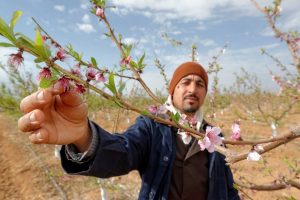
Eight out of 10 of the world’s working poor who live on US $1.25 per day live in rural areas, where many are caught in vulnerable employment, especially in agriculture.Flourishing rural areas are vital to regional and national development. Yet, rural economies tend to face a wide range of challenges that urban areas are more likely to overcome. These include access to transportation, sanitation and health services, and a consumer base in close proximity to support small and medium enterprise development. Women and men working in rural areas also face difficulties associated with a paucity of economic opportunities, under investment, poor infrastructure and public services, including education, and, in many cases, weak governance and underdeveloped markets.

Education, entrepreneurship, and physical and social infrastructure all play an important role in developing rural regions. Skills are central to improving employability and livelihood opportunities, reducing poverty, enhancing productivity and promoting environmentally sustainable development.

Identifier
skpREmpl
Slug
rural-employment

Des compétences pour l’emploi rural

Des compétences pour l’emploi rural

Type:
Discussion
Start Date:
06 Jun 2016
End Date:
17 Jun 2016
Language:

French

Slug
french
Identifier
skpFrn
Language Version:
--
Sources:

ILO

The International Labour Organization is the tripartite U.N. agency that promotes Decent Work through employment, social security, labour standards and social dialogue. Its work on skills development is guided by the conceptual framework on Skills to improve productivity, employment growth, and development agreed in 2008 by representatives of Governments, Employers’ Associations and Workers’ Associations. Research, policy advice, and pilot projects and technical cooperation programmes to apply good practices in different circumstances across its 185 member States aims to boost the employability of workers, the productivity and competitiveness of enterprises, and the inclusiveness of economic growth. The ILO Secretariat in offices in 40 countries works with Ministries of Labour, employers’ organizations, and trade unions to integrate skills development into national and sector development strategies in order to better meet current labour market needs and to prepare for the jobs of the future; to expand access to employment-related training so that youth, persons with disabilities and other vulnerable groups are better able to acquire skills and secure productive and decent work; and to improve the ability of public employment services to provide career guidance, maintain labour exchange services, and deliver active labour market programmes.For more information regarding the ILO’s work on skills and employability go to: http://www.ilo.org/skills/lang--en/index.htm; for ILO/Cinterfor's Knowledge Management Plarform, see: http://www.oitcinterfor.org

Thumbnail
Identifier
skpILO
Slug
ilo
Topics:

Rural employment

Thumbnail

Eight out of 10 of the world’s working poor who live on US $1.25 per day live in rural areas, where many are caught in vulnerable employment, especially in agriculture.Flourishing rural areas are vital to regional and national development. Yet, rural economies tend to face a wide range of challenges that urban areas are more likely to overcome. These include access to transportation, sanitation and health services, and a consumer base in close proximity to support small and medium enterprise development. Women and men working in rural areas also face difficulties associated with a paucity of economic opportunities, under investment, poor infrastructure and public services, including education, and, in many cases, weak governance and underdeveloped markets.

Education, entrepreneurship, and physical and social infrastructure all play an important role in developing rural regions. Skills are central to improving employability and livelihood opportunities, reducing poverty, enhancing productivity and promoting environmentally sustainable development.

Identifier
skpREmpl
Slug
rural-employment
Knowledge Products:

Other knowledge products

Thumbnail
Identifier
skpOProduct
Slug
other-knowledge-products

Moderators


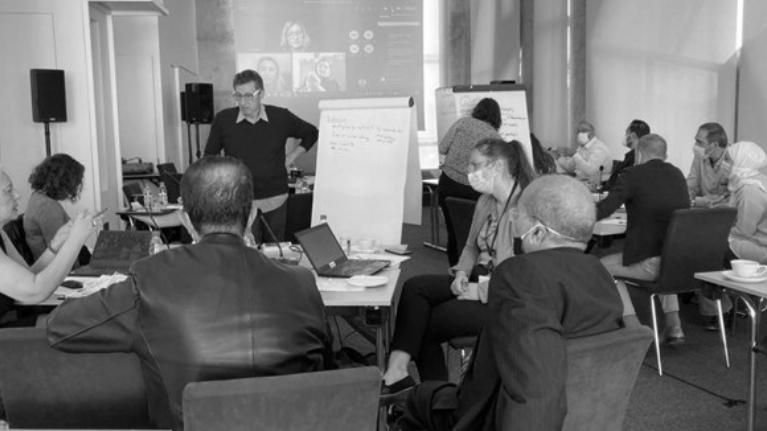
Maintenant prolongée jusqu'au 22 Juin. Cette discussion sera co-moderée par Ashwani Aggarwal, James Windell et Alfredo Lazarte Hoyle Seniors Spécialistes de l'OIT. La fonction de discussion fonctionne mieux quand on y accède par les navigateurs suivants: Chrome ou Firefox.


Les régions rurales contribuent fortement à l’emploi et à la croissance économique dans de nombreux pays. Sur les 5,98 milliards d’habitants des pays en développement, près de 3,4 milliards vivent en milieu rural et un nombre important dépend de l’agriculture comme moyen d’existence. Pourtant la pauvreté est plus étendue et plus grave en milieu rural qu’en milieu urbain et la création d’emplois productifs et de travail décent pour les travailleurs ruraux est devenue un défi croissant pour le développement aux niveaux national et international.

Le travail décent reste hors de portée de milliards de travailleurs ruraux. Œuvrant pour la plupart dans l’économie informelle, ils sont souvent exposés à des emplois mal payés, médiocres, ni reconnus ni protégés par la loi. Ils sont confrontés au chômage endémique, à l’absence de droits au travail, à une protection sociale inadéquate et sont peu ou mal représentés.

Deuxième série de questions (13 - 22 Juin):
Quelles mesures ont été introduites pour stimuler l’emploi rural dans les secteurs agricoles ou non et quels sont les types de compétences pour lesquels on prévoit une forte demande dans le cadre d’une stratégie rurale intégrée?

Quelles méthodes donnent les meilleurs résultats lorsqu’il s’agit de dispenser des formations à un grand nombre de personnes en région rurale, à un coût abordable ? Et quel est le meilleur moyen de continuer à assurer le perfectionnement en compétences en milieu rural sur le long terme ?

Avez-vous des exemples d’actions et de programmes relatifs aux compétences ayant fait progresser la parité entre hommes et femmes et la participation de tous à la société en milieu rural?

Avez-vous des exemples d’actions et de programmes relatifs aux compétences qui se sont traduits par des progrès liés à la formation (revenus et travail décent) en milieu rural?


Subject Tags:

Rural development

Slug
rural-development
Identifier
152

Rural employment

Slug
rural-employment
Identifier
670

Rural workers

Slug
rural-workers
Identifier
637
Regions:
Countries and territories:
Economic groups:
--

Rural youth employment and agri–food systems in Uganda. A rapid context analysis

Rural youth employment and agri–food systems in Uganda. A rapid context analysis

Type:
Document
Content Type:
Rural youth employment and agri–food systems in Uganda. A rapid context analysis
Language:

English

Slug
english
Identifier
skpEng
Sources:

Other sources

Experts from many international, regional and national agencies generously share their views, experiences and findings on skills, helping policy-makers among other stakeholders to understand the linkages between education, training and the world of work, and how to integrate skills into national development planning to promote employment and economic growth.

Thumbnail
Identifier
skpOSource
Slug
other-sources
Topics:

Rural employment

Thumbnail

Eight out of 10 of the world’s working poor who live on US $1.25 per day live in rural areas, where many are caught in vulnerable employment, especially in agriculture.Flourishing rural areas are vital to regional and national development. Yet, rural economies tend to face a wide range of challenges that urban areas are more likely to overcome. These include access to transportation, sanitation and health services, and a consumer base in close proximity to support small and medium enterprise development. Women and men working in rural areas also face difficulties associated with a paucity of economic opportunities, under investment, poor infrastructure and public services, including education, and, in many cases, weak governance and underdeveloped markets.

Education, entrepreneurship, and physical and social infrastructure all play an important role in developing rural regions. Skills are central to improving employability and livelihood opportunities, reducing poverty, enhancing productivity and promoting environmentally sustainable development.

Identifier
skpREmpl
Slug
rural-employment

Youth employability

Thumbnail

Globally, nearly 68 million young women and men are looking for and available for work,  and an estimated 123 million young people are working but living in poverty. The number who are not in employment, education or training (NEET) stands at 267 million, a majority of whom are young women. Significantly, young people are three times as likely as adults (25 years and older) to be unemployed.

Skills development is a primary means of enabling young people to make a smooth transition to work. A comprehensive approach is required to integrate young women and men in the labour market, including relevant and quality skills training, labour market information, career guidance and employment services, recognition of prior learning, incorporating entrepreneurship with training and effective skills forecasting. Improved basic education and core work skills are particularly important to enable youth to engage in lifelong learning as well as transition to the labour market. 

Identifier
skpYoEmp
Slug
youth-employability
Knowledge Products:

Research papers

Working papers, reports, and other publications from international organizations, academic institutions and bilateral agencies. Research findings to stimulate informed debate on skills, employment and productivity issues. 

Thumbnail
Identifier
skpRPS
Slug
research-papers
Publication Date:
01 Apr 2020
Almost 88 percent of the world’s 1.2 billion youth live in developing countries. Globally, young people account for approximately 24 percent of the working poor. Although the world’s youth population is expected to grow, employment and entrepreneurial opportunities for young women and men remain limited – particularly for those living in economically stagnant rural areas of developing countries. Hence, creating more productive and beneficial jobs for the rural youth is particularly urgent.

The FAO Integrated Country Approach (ICA) for boosting decent jobs for youth in the agri-food system project, currently implemented in Senegal, Uganda, Rwanda, Kenya and Guatemala, aims to address this challenge by creating more and better employment opportunities for youth in rural areas and agri-food systems. To do so, ICA combines different interventions, such as capacity development, institutional support, knowledge generation and partnership creation.

This context analysis provides an overview of Uganda, describing youth employment challenges, policies and programmes in place as well as FAO’s priorities on decent rural youth employment. Fianlly, it also analyses the 14 to 17 age cohort involvement in the agricultural sector and country’s migration and refugee governance.

Subject Tags:

Rural employment

Slug
rural-employment
Identifier
670

Rural workers

Slug
rural-workers
Identifier
637
Regions:

Africa

Region Image

Decent Work for Rural Youth

Decent Work for Rural Youth

Type:
Document
Content Type:
Decent Work for Rural Youth
Language:

English

Slug
english
Identifier
skpEng
Sources:

ILO

The International Labour Organization is the tripartite U.N. agency that promotes Decent Work through employment, social security, labour standards and social dialogue. Its work on skills development is guided by the conceptual framework on Skills to improve productivity, employment growth, and development agreed in 2008 by representatives of Governments, Employers’ Associations and Workers’ Associations. Research, policy advice, and pilot projects and technical cooperation programmes to apply good practices in different circumstances across its 185 member States aims to boost the employability of workers, the productivity and competitiveness of enterprises, and the inclusiveness of economic growth. The ILO Secretariat in offices in 40 countries works with Ministries of Labour, employers’ organizations, and trade unions to integrate skills development into national and sector development strategies in order to better meet current labour market needs and to prepare for the jobs of the future; to expand access to employment-related training so that youth, persons with disabilities and other vulnerable groups are better able to acquire skills and secure productive and decent work; and to improve the ability of public employment services to provide career guidance, maintain labour exchange services, and deliver active labour market programmes.For more information regarding the ILO’s work on skills and employability go to: http://www.ilo.org/skills/lang--en/index.htm; for ILO/Cinterfor's Knowledge Management Plarform, see: http://www.oitcinterfor.org

Thumbnail
Identifier
skpILO
Slug
ilo
Topics:

Rural employment

Thumbnail

Eight out of 10 of the world’s working poor who live on US $1.25 per day live in rural areas, where many are caught in vulnerable employment, especially in agriculture.Flourishing rural areas are vital to regional and national development. Yet, rural economies tend to face a wide range of challenges that urban areas are more likely to overcome. These include access to transportation, sanitation and health services, and a consumer base in close proximity to support small and medium enterprise development. Women and men working in rural areas also face difficulties associated with a paucity of economic opportunities, under investment, poor infrastructure and public services, including education, and, in many cases, weak governance and underdeveloped markets.

Education, entrepreneurship, and physical and social infrastructure all play an important role in developing rural regions. Skills are central to improving employability and livelihood opportunities, reducing poverty, enhancing productivity and promoting environmentally sustainable development.

Identifier
skpREmpl
Slug
rural-employment

Youth employability

Thumbnail

Globally, nearly 68 million young women and men are looking for and available for work,  and an estimated 123 million young people are working but living in poverty. The number who are not in employment, education or training (NEET) stands at 267 million, a majority of whom are young women. Significantly, young people are three times as likely as adults (25 years and older) to be unemployed.

Skills development is a primary means of enabling young people to make a smooth transition to work. A comprehensive approach is required to integrate young women and men in the labour market, including relevant and quality skills training, labour market information, career guidance and employment services, recognition of prior learning, incorporating entrepreneurship with training and effective skills forecasting. Improved basic education and core work skills are particularly important to enable youth to engage in lifelong learning as well as transition to the labour market. 

Identifier
skpYoEmp
Slug
youth-employability
Knowledge Products:

Policy and strategy

Recommendations and advice on resolving policy challenges related to skills development systems and their linkages to the world of work.  Concise syntheses of experience from the international organizations.

Thumbnail
Identifier
skpPolOp
Slug
policy-and-strategy
Publication Date:
03 Dec 2019
The portfolio of policy guidance notes illustrates the ILO’s holistic approach to promoting decent work in the rural economy and brings together the broad range of instruments and tools developed over the past years.

The goal of the policy guidance notes is to offer guidance to policymakers, the social partners and development practitioners on ways to effectively address employment- and labour-related issues in the rural context.

This guidance note offers critical areas of focus for policy guidance, including some of the priorities that should inform policies promoting decent work opportunities for youth in rural areas.
Subject Tags:

Employability

Slug
employability
Identifier
643

Rural employment

Slug
rural-employment
Identifier
670

Rural workers

Slug
rural-workers
Identifier
637

Youth

Slug
youth
Identifier
319
Regions:

Local resource-based approaches in water works

Local resource-based approaches in water works

Type:
Document
Content Type:
Local resource-based approaches in water works
Language:

English

Slug
english
Identifier
skpEng
Sources:

ILO

The International Labour Organization is the tripartite U.N. agency that promotes Decent Work through employment, social security, labour standards and social dialogue. Its work on skills development is guided by the conceptual framework on Skills to improve productivity, employment growth, and development agreed in 2008 by representatives of Governments, Employers’ Associations and Workers’ Associations. Research, policy advice, and pilot projects and technical cooperation programmes to apply good practices in different circumstances across its 185 member States aims to boost the employability of workers, the productivity and competitiveness of enterprises, and the inclusiveness of economic growth. The ILO Secretariat in offices in 40 countries works with Ministries of Labour, employers’ organizations, and trade unions to integrate skills development into national and sector development strategies in order to better meet current labour market needs and to prepare for the jobs of the future; to expand access to employment-related training so that youth, persons with disabilities and other vulnerable groups are better able to acquire skills and secure productive and decent work; and to improve the ability of public employment services to provide career guidance, maintain labour exchange services, and deliver active labour market programmes.For more information regarding the ILO’s work on skills and employability go to: http://www.ilo.org/skills/lang--en/index.htm; for ILO/Cinterfor's Knowledge Management Plarform, see: http://www.oitcinterfor.org

Thumbnail
Identifier
skpILO
Slug
ilo
Topics:

Rural employment

Thumbnail

Eight out of 10 of the world’s working poor who live on US $1.25 per day live in rural areas, where many are caught in vulnerable employment, especially in agriculture.Flourishing rural areas are vital to regional and national development. Yet, rural economies tend to face a wide range of challenges that urban areas are more likely to overcome. These include access to transportation, sanitation and health services, and a consumer base in close proximity to support small and medium enterprise development. Women and men working in rural areas also face difficulties associated with a paucity of economic opportunities, under investment, poor infrastructure and public services, including education, and, in many cases, weak governance and underdeveloped markets.

Education, entrepreneurship, and physical and social infrastructure all play an important role in developing rural regions. Skills are central to improving employability and livelihood opportunities, reducing poverty, enhancing productivity and promoting environmentally sustainable development.

Identifier
skpREmpl
Slug
rural-employment

Sectoral approaches

Thumbnail

Matching skills to labour market demand requires reliable sectoral and occupational information and institutions that connect employers with training providers.  Sector based strategies and institutions have proved effective in engaging all stakeholders in promoting both pre-employment training and life-long learning.

Identifier
skpSectApr
Slug
sectoral-approaches
Knowledge Products:

Research papers

Working papers, reports, and other publications from international organizations, academic institutions and bilateral agencies. Research findings to stimulate informed debate on skills, employment and productivity issues. 

Thumbnail
Identifier
skpRPS
Slug
research-papers
Publication Date:
24 Sep 2019
The report focuses on the ILO’s work on local resource-based (LRB) approaches applied in water works – water supply and sanitation services, small dams, irrigation systems, and adaptation works at the community level in many countries covered by technical assistance and projects, either as a response to pre or post-disaster and/or conflict. This document links Employment Intensive Investment Programme’s (EIIP) labour-intensive approaches for infrastructure development and job creation in the water sector. It draws evidence from 12 projects showing the approach in different stages of the project cycle focusing on water and sanitation, small dams; irrigation systems and adaptation works. The report places emphasis on planning and identification of water needs, participation, community involvement, labour-based technologies for implementation, contracting and local government involvement and maintenance while integrating cross-cutting issues such as gender, environment, vulnerable groups and good working conditions.
Subject Tags:

Rural development

Slug
rural-development
Identifier
152

Rural employment

Slug
rural-employment
Identifier
670

Sectoral approaches

Slug
sectoral-approaches
Identifier
676
Regions:

Creating opportunities for rural youth

Creating opportunities for rural youth

Type:
Document
Content Type:
Creating opportunities for rural youth
Language:

English

Slug
english
Identifier
skpEng
Sources:

Other sources

Experts from many international, regional and national agencies generously share their views, experiences and findings on skills, helping policy-makers among other stakeholders to understand the linkages between education, training and the world of work, and how to integrate skills into national development planning to promote employment and economic growth.

Thumbnail
Identifier
skpOSource
Slug
other-sources
Topics:

Rural employment

Thumbnail

Eight out of 10 of the world’s working poor who live on US $1.25 per day live in rural areas, where many are caught in vulnerable employment, especially in agriculture.Flourishing rural areas are vital to regional and national development. Yet, rural economies tend to face a wide range of challenges that urban areas are more likely to overcome. These include access to transportation, sanitation and health services, and a consumer base in close proximity to support small and medium enterprise development. Women and men working in rural areas also face difficulties associated with a paucity of economic opportunities, under investment, poor infrastructure and public services, including education, and, in many cases, weak governance and underdeveloped markets.

Education, entrepreneurship, and physical and social infrastructure all play an important role in developing rural regions. Skills are central to improving employability and livelihood opportunities, reducing poverty, enhancing productivity and promoting environmentally sustainable development.

Identifier
skpREmpl
Slug
rural-employment

Youth employability

Thumbnail

Globally, nearly 68 million young women and men are looking for and available for work,  and an estimated 123 million young people are working but living in poverty. The number who are not in employment, education or training (NEET) stands at 267 million, a majority of whom are young women. Significantly, young people are three times as likely as adults (25 years and older) to be unemployed.

Skills development is a primary means of enabling young people to make a smooth transition to work. A comprehensive approach is required to integrate young women and men in the labour market, including relevant and quality skills training, labour market information, career guidance and employment services, recognition of prior learning, incorporating entrepreneurship with training and effective skills forecasting. Improved basic education and core work skills are particularly important to enable youth to engage in lifelong learning as well as transition to the labour market. 

Identifier
skpYoEmp
Slug
youth-employability
Knowledge Products:

Research papers

Working papers, reports, and other publications from international organizations, academic institutions and bilateral agencies. Research findings to stimulate informed debate on skills, employment and productivity issues. 

Thumbnail
Identifier
skpRPS
Slug
research-papers
Publication Date:
16 Jul 2019
2019 Rural Development Report This report is based on substantive evidence and attempts to provide the kind of analysis that can inform policies, programmes and investments to promote a rural transformation that is inclusive of youth. It examines who rural youth are, where they live, and the multiple constraints they face in their journey from dependence to independence.

A distinguishing feature of this report is that it examines rural development in the context of the transformation of rural areas and the wider economy. Opportunities for young women and men begin with a transformation towards a dynamic rural economy. These opportunities depend on the national, rural and household settings in which young people reside. Only by understanding these multiple layers can governments and decision makers design effective policies and investments to enable young rural women and men to become productive and connected individuals who are in charge of their own future.
Subject Tags:

Rural development

Slug
rural-development
Identifier
152

Rural employment

Slug
rural-employment
Identifier
670

Youth

Slug
youth
Identifier
319
Regions:

Assessing the impact on employability and quality of employment of non-formal apprenticeships in agriculture-related trades. Impact Report Series, Issue 12

Assessing the impact on employability and quality of employment of non-formal apprenticeships in agriculture-related trades. Impact Report Series, Issue 12

Type:
Document
Content Type:
Assessing the impact on employability and quality of employment of non-formal apprenticeships in agriculture-related trades. Impact Report Series, Issue 12
Language:

English

Slug
english
Identifier
skpEng
Sources:

ILO

The International Labour Organization is the tripartite U.N. agency that promotes Decent Work through employment, social security, labour standards and social dialogue. Its work on skills development is guided by the conceptual framework on Skills to improve productivity, employment growth, and development agreed in 2008 by representatives of Governments, Employers’ Associations and Workers’ Associations. Research, policy advice, and pilot projects and technical cooperation programmes to apply good practices in different circumstances across its 185 member States aims to boost the employability of workers, the productivity and competitiveness of enterprises, and the inclusiveness of economic growth. The ILO Secretariat in offices in 40 countries works with Ministries of Labour, employers’ organizations, and trade unions to integrate skills development into national and sector development strategies in order to better meet current labour market needs and to prepare for the jobs of the future; to expand access to employment-related training so that youth, persons with disabilities and other vulnerable groups are better able to acquire skills and secure productive and decent work; and to improve the ability of public employment services to provide career guidance, maintain labour exchange services, and deliver active labour market programmes.For more information regarding the ILO’s work on skills and employability go to: http://www.ilo.org/skills/lang--en/index.htm; for ILO/Cinterfor's Knowledge Management Plarform, see: http://www.oitcinterfor.org

Thumbnail
Identifier
skpILO
Slug
ilo
Topics:

Rural employment

Thumbnail

Eight out of 10 of the world’s working poor who live on US $1.25 per day live in rural areas, where many are caught in vulnerable employment, especially in agriculture.Flourishing rural areas are vital to regional and national development. Yet, rural economies tend to face a wide range of challenges that urban areas are more likely to overcome. These include access to transportation, sanitation and health services, and a consumer base in close proximity to support small and medium enterprise development. Women and men working in rural areas also face difficulties associated with a paucity of economic opportunities, under investment, poor infrastructure and public services, including education, and, in many cases, weak governance and underdeveloped markets.

Education, entrepreneurship, and physical and social infrastructure all play an important role in developing rural regions. Skills are central to improving employability and livelihood opportunities, reducing poverty, enhancing productivity and promoting environmentally sustainable development.

Identifier
skpREmpl
Slug
rural-employment

Youth employability

Thumbnail

Globally, nearly 68 million young women and men are looking for and available for work,  and an estimated 123 million young people are working but living in poverty. The number who are not in employment, education or training (NEET) stands at 267 million, a majority of whom are young women. Significantly, young people are three times as likely as adults (25 years and older) to be unemployed.

Skills development is a primary means of enabling young people to make a smooth transition to work. A comprehensive approach is required to integrate young women and men in the labour market, including relevant and quality skills training, labour market information, career guidance and employment services, recognition of prior learning, incorporating entrepreneurship with training and effective skills forecasting. Improved basic education and core work skills are particularly important to enable youth to engage in lifelong learning as well as transition to the labour market. 

Identifier
skpYoEmp
Slug
youth-employability
Knowledge Products:

Research papers

Working papers, reports, and other publications from international organizations, academic institutions and bilateral agencies. Research findings to stimulate informed debate on skills, employment and productivity issues. 

Thumbnail
Identifier
skpRPS
Slug
research-papers
Publication Date:
02 Oct 2018
Part of the Impact Report Series. The Series disseminates research reports from Taqeem-supported impact evaluations. Reports include baseline, endline and qualitative reports which describe the research designs, methodologies, interventions under investigation and policy and programmatic findings and recommendations. This report presents the findings of the impact assessment of the “Combating Worst Forms of Child Labour by Reinforcing Policy Response and Promoting Sustainable Livelihoods and Educational Opportunities in Egypt Programme”, with a particular concentration of the programme’s apprenticeship component. It explores the net effects of the upgraded apprenticeship project on the ability of beneficiaries to secure decent work, improve working conditions and increase retention rates.
Subject Tags:

Agriculture

Slug
agriculture
Identifier
225

Apprenticeships

Slug
apprenticeships
Identifier
639

Women

Slug
women
Identifier
318
Regions:

Africa

Region Image
Countries and territories:

The future of work in African agriculture: Trends and drivers of change

The future of work in African agriculture: Trends and drivers of change

Type:
Document
Content Type:
The future of work in African agriculture: Trends and drivers of change
Language:

English

Slug
english
Identifier
skpEng
Sources:

ILO

The International Labour Organization is the tripartite U.N. agency that promotes Decent Work through employment, social security, labour standards and social dialogue. Its work on skills development is guided by the conceptual framework on Skills to improve productivity, employment growth, and development agreed in 2008 by representatives of Governments, Employers’ Associations and Workers’ Associations. Research, policy advice, and pilot projects and technical cooperation programmes to apply good practices in different circumstances across its 185 member States aims to boost the employability of workers, the productivity and competitiveness of enterprises, and the inclusiveness of economic growth. The ILO Secretariat in offices in 40 countries works with Ministries of Labour, employers’ organizations, and trade unions to integrate skills development into national and sector development strategies in order to better meet current labour market needs and to prepare for the jobs of the future; to expand access to employment-related training so that youth, persons with disabilities and other vulnerable groups are better able to acquire skills and secure productive and decent work; and to improve the ability of public employment services to provide career guidance, maintain labour exchange services, and deliver active labour market programmes.For more information regarding the ILO’s work on skills and employability go to: http://www.ilo.org/skills/lang--en/index.htm; for ILO/Cinterfor's Knowledge Management Plarform, see: http://www.oitcinterfor.org

Thumbnail
Identifier
skpILO
Slug
ilo
Topics:

Rural employment

Thumbnail

Eight out of 10 of the world’s working poor who live on US $1.25 per day live in rural areas, where many are caught in vulnerable employment, especially in agriculture.Flourishing rural areas are vital to regional and national development. Yet, rural economies tend to face a wide range of challenges that urban areas are more likely to overcome. These include access to transportation, sanitation and health services, and a consumer base in close proximity to support small and medium enterprise development. Women and men working in rural areas also face difficulties associated with a paucity of economic opportunities, under investment, poor infrastructure and public services, including education, and, in many cases, weak governance and underdeveloped markets.

Education, entrepreneurship, and physical and social infrastructure all play an important role in developing rural regions. Skills are central to improving employability and livelihood opportunities, reducing poverty, enhancing productivity and promoting environmentally sustainable development.

Identifier
skpREmpl
Slug
rural-employment
Knowledge Products:

Research papers

Working papers, reports, and other publications from international organizations, academic institutions and bilateral agencies. Research findings to stimulate informed debate on skills, employment and productivity issues. 

Thumbnail
Identifier
skpRPS
Slug
research-papers
Publication Date:
02 Aug 2018
ILO Research Department Working Paper No. 25 Rapidly rising demand for food, fuelled by population and income growth, will provide major opportunities for agri-food systems to accelerate employment creation and transform African economies. Seizing these opportunities will require African agriculture to become more inclusive and profitable. Greater profits in farming will generate greater expenditures by millions of people in rural areas that fuel the transition to a more diversified and robust economy. Higher incomes for millions of households engaged in agriculture will expand the demand for goods and services – and therefore employment – in the non-farm economy, while also opening up new employment opportunities across all stages of agri-food systems. Making agriculture more profitable and inclusive will require public actions to reduce costs in farm production and agri-food systems, and address soil degradation, climate change, land scarcity and concentrated land ownership. The future of work in Africa will, therefore, depend on how well the enabling environment created through policies and programmes can enhance agricultural productivity growth and enable agriculture to contribute to more broad-based employment generation and the overall agenda for economic transformation.

The report also includes a chapter entitled ‘Upgrading the skills of labour force’. The latter stresses the need for African governments to invest in education and skills development to enhance the productivity of the workforce and prepare workers to effectively take advantage of emerging opportunities. This will require intensification of public investment in basic, secondary and tertiary education, vocational and technical training to impart the numeracy, literacy, technical and soft skills needed to succeed along the agricultural value chain.
Subject Tags:

Agribusiness

Slug
agribusiness
Identifier
223

Agricultural development

Slug
agricultural-development
Identifier
224

Rural workers

Slug
rural-workers
Identifier
637

Soft skills

Slug
soft-skills
Identifier
678

TVET systems

Slug
tvet-systems
Identifier
661
Regions:

Africa

Region Image

The Rise of the Robot Reserve Army: Automation and the Future of Economic Development, Work, and Wages in Developing Countries

The Rise of the Robot Reserve Army: Automation and the Future of Economic Development, Work, and Wages in Developing Countries

Type:
Document
Content Type:
The Rise of the Robot Reserve Army: Automation and the Future of Economic Development, Work, and Wages in Developing Countries
Language:

English

Slug
english
Identifier
skpEng
Sources:

Other sources

Experts from many international, regional and national agencies generously share their views, experiences and findings on skills, helping policy-makers among other stakeholders to understand the linkages between education, training and the world of work, and how to integrate skills into national development planning to promote employment and economic growth.

Thumbnail
Identifier
skpOSource
Slug
other-sources
Topics:

Anticipating and matching skills needs

Thumbnail

Anticipating and building skills for the future is essential to a rapidly changing labour market. This applies to changes in the types and levels of skills needed as well as in occupational and technical areas. Effective methods to anticipate future skills needs and avoid potential mismatches include: sustained dialogue between employers and trainers, coordination across government institutions, labour market information systems, employment services and performance reviews of training institutions. 

Identifier
skpAFSN
Slug
anticipating-and-matching-skills-needs

Rural employment

Thumbnail

Eight out of 10 of the world’s working poor who live on US $1.25 per day live in rural areas, where many are caught in vulnerable employment, especially in agriculture.Flourishing rural areas are vital to regional and national development. Yet, rural economies tend to face a wide range of challenges that urban areas are more likely to overcome. These include access to transportation, sanitation and health services, and a consumer base in close proximity to support small and medium enterprise development. Women and men working in rural areas also face difficulties associated with a paucity of economic opportunities, under investment, poor infrastructure and public services, including education, and, in many cases, weak governance and underdeveloped markets.

Education, entrepreneurship, and physical and social infrastructure all play an important role in developing rural regions. Skills are central to improving employability and livelihood opportunities, reducing poverty, enhancing productivity and promoting environmentally sustainable development.

Identifier
skpREmpl
Slug
rural-employment
Knowledge Products:

Research papers

Working papers, reports, and other publications from international organizations, academic institutions and bilateral agencies. Research findings to stimulate informed debate on skills, employment and productivity issues. 

Thumbnail
Identifier
skpRPS
Slug
research-papers
Publication Date:
09 Jul 2018
The working paper discusses the implications of technological progress and automation on labour markets in developing countries. Employment generation is crucial to spreading the benefits of economic growth broadly and to reducing global poverty. And yet, emerging economies face a contemporary challenge to traditional pathways to employment generation: automation, digitalization, and labor-saving technologies. 1.8 billion jobs—or two-thirds of the current labor force of developing countries—are estimated to be susceptible to automation from today’s technological standpoint. Cumulative advances in industrial automation and labor-saving technologies could further exacerbate this trend. Or will they? This paper (i) discusses the literature on automation; and in doing so (ii) discusses definitions and determinants of automation in the context of theories of economic development; (iii) assesses the empirical estimates of employment-related impacts of automation; (iv) characterizes the potential public policy responses to automation; and (v) highlights areas for further exploration in terms of employment and economic development strategies in developing countries. In an adaption of the Lewis model of economic development, the paper uses a simple framework in which the potential for automation creates “unlimited supplies of artificial labor” particularly in the agricultural and industrial sectors due to technological feasibility. This is likely to create a push force for labor to move into the service sector, leading to a bloating of service-sector employment and wage stagnation but not to mass unemployment, at least in the short-to-medium term.
Subject Tags:

Economic and social development

Slug
economic-and-social-development
Identifier
125

Employability

Slug
employability
Identifier
643

Skills anticipation

Slug
skills-anticipation
Identifier
677

Technology

Slug
technology
Identifier
345
Regions:

Information Note: Training for Rural Economic Empowerment (TREE)

Information Note: Training for Rural Economic Empowerment (TREE)

Type:
Document
Content Type:
Information Note: Training for Rural Economic Empowerment (TREE)
Language:

English

Slug
english
Identifier
skpEng
Sources:

ILO

The International Labour Organization is the tripartite U.N. agency that promotes Decent Work through employment, social security, labour standards and social dialogue. Its work on skills development is guided by the conceptual framework on Skills to improve productivity, employment growth, and development agreed in 2008 by representatives of Governments, Employers’ Associations and Workers’ Associations. Research, policy advice, and pilot projects and technical cooperation programmes to apply good practices in different circumstances across its 185 member States aims to boost the employability of workers, the productivity and competitiveness of enterprises, and the inclusiveness of economic growth. The ILO Secretariat in offices in 40 countries works with Ministries of Labour, employers’ organizations, and trade unions to integrate skills development into national and sector development strategies in order to better meet current labour market needs and to prepare for the jobs of the future; to expand access to employment-related training so that youth, persons with disabilities and other vulnerable groups are better able to acquire skills and secure productive and decent work; and to improve the ability of public employment services to provide career guidance, maintain labour exchange services, and deliver active labour market programmes.For more information regarding the ILO’s work on skills and employability go to: http://www.ilo.org/skills/lang--en/index.htm; for ILO/Cinterfor's Knowledge Management Plarform, see: http://www.oitcinterfor.org

Thumbnail
Identifier
skpILO
Slug
ilo
Topics:

Rural employment

Thumbnail

Eight out of 10 of the world’s working poor who live on US $1.25 per day live in rural areas, where many are caught in vulnerable employment, especially in agriculture.Flourishing rural areas are vital to regional and national development. Yet, rural economies tend to face a wide range of challenges that urban areas are more likely to overcome. These include access to transportation, sanitation and health services, and a consumer base in close proximity to support small and medium enterprise development. Women and men working in rural areas also face difficulties associated with a paucity of economic opportunities, under investment, poor infrastructure and public services, including education, and, in many cases, weak governance and underdeveloped markets.

Education, entrepreneurship, and physical and social infrastructure all play an important role in developing rural regions. Skills are central to improving employability and livelihood opportunities, reducing poverty, enhancing productivity and promoting environmentally sustainable development.

Identifier
skpREmpl
Slug
rural-employment
Knowledge Products:

Promotional material

Presentations, discussion papers, meeting reports, promotional materials, videos, fact sheets, brochures and newsletters on skills development for employment.

Thumbnail
Identifier
skpAIM
Slug
promotional-material
Publication Date:
14 Nov 2017

This Information Note presents the Training for Rural Economic Empowerment (TREE) programme of the International Labour Organization (ILO), which aims to promote rural employment using a community-based approach to skills development. It outlines some of the challenges faced in efforts to improve rural livelihoods, presents an overview of the TREE programme, describes some national experiences in implementing TREE and summarizes the programme’s contribution to supporting the ILO’s Decent Work Agenda. It is intended to inform ILO constituents, skills development specialists and training practitioners about the programme and its potential to support national rural skills initiatives.

Subject Tags:

Access to training

Slug
access-to-training
Identifier
683

Rural employment

Slug
rural-employment
Identifier
670

Rural workers

Slug
rural-workers
Identifier
637

Women

Slug
women
Identifier
318

Youth

Slug
youth
Identifier
319
Regions:

Africa

Region Image

The impact of skills training on the financial behaviour, employability and educational choices of rural young people: Findings from a Randomized Controlled Trial in Morocco

The impact of skills training on the financial behaviour, employability and educational choices of rural young people: Findings from a Randomized Controlled Trial in Morocco

Type:
Document
Content Type:
The impact of skills training on the financial behaviour, employability and educational choices of rural young people: Findings from a Randomized Controlled Trial in Morocco
Language:

English

Slug
english
Identifier
skpEng
Sources:

ILO

The International Labour Organization is the tripartite U.N. agency that promotes Decent Work through employment, social security, labour standards and social dialogue. Its work on skills development is guided by the conceptual framework on Skills to improve productivity, employment growth, and development agreed in 2008 by representatives of Governments, Employers’ Associations and Workers’ Associations. Research, policy advice, and pilot projects and technical cooperation programmes to apply good practices in different circumstances across its 185 member States aims to boost the employability of workers, the productivity and competitiveness of enterprises, and the inclusiveness of economic growth. The ILO Secretariat in offices in 40 countries works with Ministries of Labour, employers’ organizations, and trade unions to integrate skills development into national and sector development strategies in order to better meet current labour market needs and to prepare for the jobs of the future; to expand access to employment-related training so that youth, persons with disabilities and other vulnerable groups are better able to acquire skills and secure productive and decent work; and to improve the ability of public employment services to provide career guidance, maintain labour exchange services, and deliver active labour market programmes.For more information regarding the ILO’s work on skills and employability go to: http://www.ilo.org/skills/lang--en/index.htm; for ILO/Cinterfor's Knowledge Management Plarform, see: http://www.oitcinterfor.org

Thumbnail
Identifier
skpILO
Slug
ilo
Topics:

Rural employment

Thumbnail

Eight out of 10 of the world’s working poor who live on US $1.25 per day live in rural areas, where many are caught in vulnerable employment, especially in agriculture.Flourishing rural areas are vital to regional and national development. Yet, rural economies tend to face a wide range of challenges that urban areas are more likely to overcome. These include access to transportation, sanitation and health services, and a consumer base in close proximity to support small and medium enterprise development. Women and men working in rural areas also face difficulties associated with a paucity of economic opportunities, under investment, poor infrastructure and public services, including education, and, in many cases, weak governance and underdeveloped markets.

Education, entrepreneurship, and physical and social infrastructure all play an important role in developing rural regions. Skills are central to improving employability and livelihood opportunities, reducing poverty, enhancing productivity and promoting environmentally sustainable development.

Identifier
skpREmpl
Slug
rural-employment

Training quality and relevance

Thumbnail
Identifier
skpTrainQR
Slug
training-quality-and-relevance

Youth employability

Thumbnail

Globally, nearly 68 million young women and men are looking for and available for work,  and an estimated 123 million young people are working but living in poverty. The number who are not in employment, education or training (NEET) stands at 267 million, a majority of whom are young women. Significantly, young people are three times as likely as adults (25 years and older) to be unemployed.

Skills development is a primary means of enabling young people to make a smooth transition to work. A comprehensive approach is required to integrate young women and men in the labour market, including relevant and quality skills training, labour market information, career guidance and employment services, recognition of prior learning, incorporating entrepreneurship with training and effective skills forecasting. Improved basic education and core work skills are particularly important to enable youth to engage in lifelong learning as well as transition to the labour market. 

Identifier
skpYoEmp
Slug
youth-employability
Knowledge Products:

Research papers

Working papers, reports, and other publications from international organizations, academic institutions and bilateral agencies. Research findings to stimulate informed debate on skills, employment and productivity issues. 

Thumbnail
Identifier
skpRPS
Slug
research-papers
Publication Date:
09 Oct 2017
Impact Report Series, Issue 6. The “Impact report” series disseminates research reports from Taqeem-supported impact evaluations. Reports include baseline, endline and qualitative studies which describe the impact estimates of evaluations of youth employment interventions based on experimental and quasi-experimental designs. This report assesses a youth-focused skills training programme in rural and semi-rural Morocco. The intervention delivered financial, life and entrepreneurial skills training, aiming to assist young people with the challenges they face during their transition from school to work. Using a randomized controlled trial, the study explores the medium- to long-term impacts on a range of outcomes related to financial inclusion, employability and human capital accumulation.

Youth-focused development organizations throughout MENA increasingly concentrate on providing skills development training to promote financial inclusion and the labour market integration of young people. Despite the proliferation of such training, the evidence is still scarce on its effectiveness in addressing the wider challenges of economic inclusion among young people in MENA. As the first RCT in Morocco to examine a skills training programme, this impact evaluation, therefore, contributes to closing the knowledge gap on what works in youth employment in the region.
Subject Tags:

Skills and training policy

Slug
skills-and-training-policy
Identifier
666

Women

Slug
women
Identifier
318

Youth

Slug
youth
Identifier
319
Regions:

Africa

Region Image

Arab States

Region Image
Countries and territories: