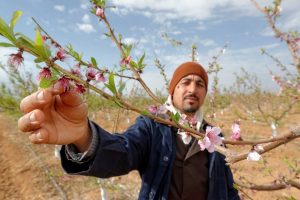
Entrepreneurship

Slug
entrepreneurship
Identifier
182

Framework of Actions on Youth Emplyoment

Framework of Actions on Youth Emplyoment

Type:
Document
Content Type:
Framework of Actions on Youth Emplyoment
Language:

English

Slug
english
Identifier
skpEng
Sources:

Employers' organizations

Employers invest in training in order to improve productivity, innovate and adopt new technologies, and compete in changing markets. Case studies and research from individual employers and associations of employers on the Global KSP deal with apprenticeship and workplace skills provision, quality assurance and governance of training institutions, and employers’ roles in anticipating skill needs and in influencing national and sector policies on skills development.

Thumbnail
Identifier
skpEmp
Slug
employers-organizations

Workers' organizations

Learning new skills and upgrading existing ones help workers maintain their employability and improve their standard of living. Trade unions play a key role in increasing workplace-based training opportunities. The Global KSP shares, among other resource items, case studies, good practices and research provided by trade unions that highlight their involvement in promoting training at individual workplaces, social dialogue and collective bargaining on skills issues, and participating in developing skills policies and strengthening training institutions.

Thumbnail
Identifier
skpWork
Slug
workers-organizations
Topics:

Youth employability

Thumbnail

Globally, nearly 68 million young women and men are looking for and available for work,  and an estimated 123 million young people are working but living in poverty. The number who are not in employment, education or training (NEET) stands at 267 million, a majority of whom are young women. Significantly, young people are three times as likely as adults (25 years and older) to be unemployed.

Skills development is a primary means of enabling young people to make a smooth transition to work. A comprehensive approach is required to integrate young women and men in the labour market, including relevant and quality skills training, labour market information, career guidance and employment services, recognition of prior learning, incorporating entrepreneurship with training and effective skills forecasting. Improved basic education and core work skills are particularly important to enable youth to engage in lifelong learning as well as transition to the labour market. 

Identifier
skpYoEmp
Slug
youth-employability
Knowledge Products:

National policies and initiatives

National legislation, policies and initiatives on the issue of training and skills development and the world of work. 

Thumbnail
Identifier
skpNatPol
Slug
national-policies-and-initiatives
Publication Date:
02 Oct 2013
The Framework of Actions on Youth Employment presents European social partners’ approach to secure high quality learning outcomes, promote vocational education and training, and create jobs for youth. It covers such priority areas as education and training, school-to-work transition, employment and entrepreneurship.
Subject Tags:

Apprenticeships

Slug
apprenticeships
Identifier
639

Career guidance

Slug
career-guidance
Identifier
640

Employability

Slug
employability
Identifier
643

Employers

Slug
employers
Identifier
672

Entrepreneurship

Slug
entrepreneurship
Identifier
182

Vocational training

Slug
vocational-training
Identifier
124

Youth

Slug
youth
Identifier
319
Regions:

Building an Asia-Pacific youth employment coalition: Reviewing past policies and the way forward

Building an Asia-Pacific youth employment coalition: Reviewing past policies and the way forward

Type:
Document
Content Type:
Building an Asia-Pacific youth employment coalition: Reviewing past policies and the way forward
Language:

English

Slug
english
Identifier
skpEng
Sources:

ILO

The International Labour Organization is the tripartite U.N. agency that promotes Decent Work through employment, social security, labour standards and social dialogue. Its work on skills development is guided by the conceptual framework on Skills to improve productivity, employment growth, and development agreed in 2008 by representatives of Governments, Employers’ Associations and Workers’ Associations. Research, policy advice, and pilot projects and technical cooperation programmes to apply good practices in different circumstances across its 185 member States aims to boost the employability of workers, the productivity and competitiveness of enterprises, and the inclusiveness of economic growth. The ILO Secretariat in offices in 40 countries works with Ministries of Labour, employers’ organizations, and trade unions to integrate skills development into national and sector development strategies in order to better meet current labour market needs and to prepare for the jobs of the future; to expand access to employment-related training so that youth, persons with disabilities and other vulnerable groups are better able to acquire skills and secure productive and decent work; and to improve the ability of public employment services to provide career guidance, maintain labour exchange services, and deliver active labour market programmes.For more information regarding the ILO’s work on skills and employability go to: http://www.ilo.org/skills/lang--en/index.htm; for ILO/Cinterfor's Knowledge Management Plarform, see: http://www.oitcinterfor.org

Thumbnail
Identifier
skpILO
Slug
ilo
Topics:

Participation of employers' and workers' organizations

Thumbnail

The world of learning and the world of work are separate but linked. While one involves learning, the other produces goods and services. Neither can thrive without the other. Strong partnerships between government, employers and workers help ensure the relevance of training to the changing needs of enterprises and labour markets. 

Identifier
skpPSP
Slug
participation-of-employers-and-workers-organizations

Youth employability

Thumbnail

Globally, nearly 68 million young women and men are looking for and available for work,  and an estimated 123 million young people are working but living in poverty. The number who are not in employment, education or training (NEET) stands at 267 million, a majority of whom are young women. Significantly, young people are three times as likely as adults (25 years and older) to be unemployed.

Skills development is a primary means of enabling young people to make a smooth transition to work. A comprehensive approach is required to integrate young women and men in the labour market, including relevant and quality skills training, labour market information, career guidance and employment services, recognition of prior learning, incorporating entrepreneurship with training and effective skills forecasting. Improved basic education and core work skills are particularly important to enable youth to engage in lifelong learning as well as transition to the labour market. 

Identifier
skpYoEmp
Slug
youth-employability
Knowledge Products:

Research papers

Working papers, reports, and other publications from international organizations, academic institutions and bilateral agencies. Research findings to stimulate informed debate on skills, employment and productivity issues. 

Thumbnail
Identifier
skpRPS
Slug
research-papers
Publication Date:
29 Aug 2013
The publication provides an overview of regional and national youth employment policies and initiatives including those focusing on skills development and training. It offers recommendations which address both the supply and demand sides of the labour market and calls for Asia-Pacific countries to form a coalition of governments, unions and employers in order to enhance youth employment within the context of economic prosperity and decent work for all.
Subject Tags:

Disadvantaged youth

Slug
disadvantaged-youth
Identifier
663

Entrepreneurship

Slug
entrepreneurship
Identifier
182

School-to-work transition

Slug
school-to-work-transition
Identifier
652
Regions:

Revisiting global trends in TVET: Reflections on theory and practice

Revisiting global trends in TVET: Reflections on theory and practice

Type:
Document
Content Type:
Revisiting global trends in TVET: Reflections on theory and practice
Language:

English

Slug
english
Identifier
skpEng
Sources:

Information is gathered from other international organizations that promote skills development and the transition from education and training to work. The Interagency Group on Technical and Vocational Education and Training (IAG-TVET) was established in 2009 to share research findings, coordinate joint research endeavours, and improve collaboration among organizations working at the international and national levels.

Thumbnail
Identifier
skpIntOrg
Slug
international-organizations
Topics:

Access to training

Thumbnail

Access for all to good quality education, vocational training and workplace learning is a fundamental principle of social cohesion and economic growth. Some groups of people may require targeted attention if they are to benefit from education, training and employment opportunities.  

This is particularly the case for disadvantaged youth, lower skilled workers, people with disabilities, and people in rural communities. The attractiveness of vocational education and training is enhanced when combined with entrepreneurship training and when public policies encourage utilization of higher skills by business. 
 

Identifier
skpATSU
Slug
access-to-training

Financing of training

Thumbnail

Initial education and training and lifelong learning benefit individuals, employers and society as a whole. Economic principles dictate that the costs for services with public and private benefits should be shared between public and private funding, or else too little training will be provided or taken up. Effective mechanisms for financing skills development vary according to countries’ economic and political circumstances and the degree and level of social dialogue established.

Identifier
skpFinanT
Slug
financing-training

Rural employment

Thumbnail

Eight out of 10 of the world’s working poor who live on US $1.25 per day live in rural areas, where many are caught in vulnerable employment, especially in agriculture.Flourishing rural areas are vital to regional and national development. Yet, rural economies tend to face a wide range of challenges that urban areas are more likely to overcome. These include access to transportation, sanitation and health services, and a consumer base in close proximity to support small and medium enterprise development. Women and men working in rural areas also face difficulties associated with a paucity of economic opportunities, under investment, poor infrastructure and public services, including education, and, in many cases, weak governance and underdeveloped markets.

Education, entrepreneurship, and physical and social infrastructure all play an important role in developing rural regions. Skills are central to improving employability and livelihood opportunities, reducing poverty, enhancing productivity and promoting environmentally sustainable development.

Identifier
skpREmpl
Slug
rural-employment

Training quality and relevance

Thumbnail
Identifier
skpTrainQR
Slug
training-quality-and-relevance
Knowledge Products:

Research papers

Working papers, reports, and other publications from international organizations, academic institutions and bilateral agencies. Research findings to stimulate informed debate on skills, employment and productivity issues. 

Thumbnail
Identifier
skpRPS
Slug
research-papers
Publication Date:
14 Aug 2013
The papers in this volume cover a wide range of current practices, ideas and debates in the field of technical and vocational education and training (TVET). They come at a time when the importance and value of TVET is being increasingly recognized in the context of lifelong learning in a globalized world.

The Third International Congress on TVET that took place in Shanghai in May 2012 played an important role in further enhancing the debate on the role of TVET in the 21st century, providing a forum for discussion on the challenges faced by the TVET systems and the appropriate responses to them. One of its important outcomes was the production of a set of key recommendations to governments and other TVET stakeholders in UNESCO Member States, presented under seven strands in the Shanghai Consensus (UNESCO 2012). One of the aims of this publication is to provide some assistance in the implementation of these recommendations, through the fostering of reflection and sharing of knowledge, ideas and experience.
Subject Tags:

Career guidance

Slug
career-guidance
Identifier
640

Entrepreneurship

Slug
entrepreneurship
Identifier
182

Financing training

Slug
financing-training
Identifier
673

Rural development

Slug
rural-development
Identifier
152

Rural employment

Slug
rural-employment
Identifier
670

Vocational training

Slug
vocational-training
Identifier
124
Regions:

Vocational training and productivity

Vocational training and productivity

Type:
Document
Content Type:
Vocational training and productivity
Language:

English

Slug
english
Identifier
skpEng
Sources:

ILO

The International Labour Organization is the tripartite U.N. agency that promotes Decent Work through employment, social security, labour standards and social dialogue. Its work on skills development is guided by the conceptual framework on Skills to improve productivity, employment growth, and development agreed in 2008 by representatives of Governments, Employers’ Associations and Workers’ Associations. Research, policy advice, and pilot projects and technical cooperation programmes to apply good practices in different circumstances across its 185 member States aims to boost the employability of workers, the productivity and competitiveness of enterprises, and the inclusiveness of economic growth. The ILO Secretariat in offices in 40 countries works with Ministries of Labour, employers’ organizations, and trade unions to integrate skills development into national and sector development strategies in order to better meet current labour market needs and to prepare for the jobs of the future; to expand access to employment-related training so that youth, persons with disabilities and other vulnerable groups are better able to acquire skills and secure productive and decent work; and to improve the ability of public employment services to provide career guidance, maintain labour exchange services, and deliver active labour market programmes.For more information regarding the ILO’s work on skills and employability go to: http://www.ilo.org/skills/lang--en/index.htm; for ILO/Cinterfor's Knowledge Management Plarform, see: http://www.oitcinterfor.org

Thumbnail
Identifier
skpILO
Slug
ilo
Topics:

Access to training

Thumbnail

Access for all to good quality education, vocational training and workplace learning is a fundamental principle of social cohesion and economic growth. Some groups of people may require targeted attention if they are to benefit from education, training and employment opportunities.  

This is particularly the case for disadvantaged youth, lower skilled workers, people with disabilities, and people in rural communities. The attractiveness of vocational education and training is enhanced when combined with entrepreneurship training and when public policies encourage utilization of higher skills by business. 
 

Identifier
skpATSU
Slug
access-to-training

Other topic

Thumbnail
Identifier
skpOIssue
Slug
other-topic
Knowledge Products:

Case studies and good practices

Case studies that document good practices and illustrate the benefits and lessons learnt of particular approaches or methods in real practice. 

Thumbnail
Identifier
skpCaseStdy
Slug
case-studies-and-good-practices
Publication Date:
19 Aug 2013
The publication features a selection of case studies documenting good practices from experiences of vocational training institutions in Latin America and the Caribbean in skills development for improved productivity and competitiveness of enterprises in the region.
Subject Tags:

Apprenticeships

Slug
apprenticeships
Identifier
639

Enterprises

Slug
enterprises
Identifier
175

Entrepreneurship

Slug
entrepreneurship
Identifier
182

Occupational safety and health

Slug
occupational-safety-and-health
Identifier
327

Productivity

Slug
productivity
Identifier
188

Vocational training

Slug
vocational-training
Identifier
124
Regions:

Americas

Region Image

Local edge: Decent work - Stories from the grassroots

Local edge: Decent work - Stories from the grassroots

Type:
Document
Content Type:
Local edge: Decent work - Stories from the grassroots
Language:

English

Slug
english
Identifier
skpEng
Sources:

ILO

The International Labour Organization is the tripartite U.N. agency that promotes Decent Work through employment, social security, labour standards and social dialogue. Its work on skills development is guided by the conceptual framework on Skills to improve productivity, employment growth, and development agreed in 2008 by representatives of Governments, Employers’ Associations and Workers’ Associations. Research, policy advice, and pilot projects and technical cooperation programmes to apply good practices in different circumstances across its 185 member States aims to boost the employability of workers, the productivity and competitiveness of enterprises, and the inclusiveness of economic growth. The ILO Secretariat in offices in 40 countries works with Ministries of Labour, employers’ organizations, and trade unions to integrate skills development into national and sector development strategies in order to better meet current labour market needs and to prepare for the jobs of the future; to expand access to employment-related training so that youth, persons with disabilities and other vulnerable groups are better able to acquire skills and secure productive and decent work; and to improve the ability of public employment services to provide career guidance, maintain labour exchange services, and deliver active labour market programmes.For more information regarding the ILO’s work on skills and employability go to: http://www.ilo.org/skills/lang--en/index.htm; for ILO/Cinterfor's Knowledge Management Plarform, see: http://www.oitcinterfor.org

Thumbnail
Identifier
skpILO
Slug
ilo
Topics:

Access to training

Thumbnail

Access for all to good quality education, vocational training and workplace learning is a fundamental principle of social cohesion and economic growth. Some groups of people may require targeted attention if they are to benefit from education, training and employment opportunities.  

This is particularly the case for disadvantaged youth, lower skilled workers, people with disabilities, and people in rural communities. The attractiveness of vocational education and training is enhanced when combined with entrepreneurship training and when public policies encourage utilization of higher skills by business. 
 

Identifier
skpATSU
Slug
access-to-training

Rural employment

Thumbnail

Eight out of 10 of the world’s working poor who live on US $1.25 per day live in rural areas, where many are caught in vulnerable employment, especially in agriculture.Flourishing rural areas are vital to regional and national development. Yet, rural economies tend to face a wide range of challenges that urban areas are more likely to overcome. These include access to transportation, sanitation and health services, and a consumer base in close proximity to support small and medium enterprise development. Women and men working in rural areas also face difficulties associated with a paucity of economic opportunities, under investment, poor infrastructure and public services, including education, and, in many cases, weak governance and underdeveloped markets.

Education, entrepreneurship, and physical and social infrastructure all play an important role in developing rural regions. Skills are central to improving employability and livelihood opportunities, reducing poverty, enhancing productivity and promoting environmentally sustainable development.

Identifier
skpREmpl
Slug
rural-employment
Knowledge Products:

Case studies and good practices

Case studies that document good practices and illustrate the benefits and lessons learnt of particular approaches or methods in real practice. 

Thumbnail
Identifier
skpCaseStdy
Slug
case-studies-and-good-practices

Promotional material

Presentations, discussion papers, meeting reports, promotional materials, videos, fact sheets, brochures and newsletters on skills development for employment.

Thumbnail
Identifier
skpAIM
Slug
promotional-material
Publication Date:
30 Jul 2013
The brochure features case studies on local employment initiatives in Asia, including skills development initiatives.
Subject Tags:

Disadvantaged youth

Slug
disadvantaged-youth
Identifier
663

Entrepreneurship

Slug
entrepreneurship
Identifier
182

Informal economy

Slug
informal-economy
Identifier
187

People with disabilities

Slug
people-with-disabilities
Identifier
323

Rural development

Slug
rural-development
Identifier
152

Rural employment

Slug
rural-employment
Identifier
670
Regions:

Disability: Inclusive approaches for productive work

Disability: Inclusive approaches for productive work

Type:
Document
Content Type:
Disability: Inclusive approaches for productive work
Language:

English

Slug
english
Identifier
skpEng
Sources:

ILO

The International Labour Organization is the tripartite U.N. agency that promotes Decent Work through employment, social security, labour standards and social dialogue. Its work on skills development is guided by the conceptual framework on Skills to improve productivity, employment growth, and development agreed in 2008 by representatives of Governments, Employers’ Associations and Workers’ Associations. Research, policy advice, and pilot projects and technical cooperation programmes to apply good practices in different circumstances across its 185 member States aims to boost the employability of workers, the productivity and competitiveness of enterprises, and the inclusiveness of economic growth. The ILO Secretariat in offices in 40 countries works with Ministries of Labour, employers’ organizations, and trade unions to integrate skills development into national and sector development strategies in order to better meet current labour market needs and to prepare for the jobs of the future; to expand access to employment-related training so that youth, persons with disabilities and other vulnerable groups are better able to acquire skills and secure productive and decent work; and to improve the ability of public employment services to provide career guidance, maintain labour exchange services, and deliver active labour market programmes.For more information regarding the ILO’s work on skills and employability go to: http://www.ilo.org/skills/lang--en/index.htm; for ILO/Cinterfor's Knowledge Management Plarform, see: http://www.oitcinterfor.org

Thumbnail
Identifier
skpILO
Slug
ilo
Topics:

Access to training

Thumbnail

Access for all to good quality education, vocational training and workplace learning is a fundamental principle of social cohesion and economic growth. Some groups of people may require targeted attention if they are to benefit from education, training and employment opportunities.  

This is particularly the case for disadvantaged youth, lower skilled workers, people with disabilities, and people in rural communities. The attractiveness of vocational education and training is enhanced when combined with entrepreneurship training and when public policies encourage utilization of higher skills by business. 
 

Identifier
skpATSU
Slug
access-to-training

People with disabilities

Thumbnail

Of an estimated 1 billion people with disabilities in the world today, some 785 million are of working age. While many are successfully employed and fully integrated into society, most face a disproportionate level of poverty and unemployment. This is a massive loss both to them and their countries. A strategy of including people with disabilities in training and employment promotion policies, combined with targeted supports to ensure their participation, can help disabled persons obtain productive mainstream employment.

Identifier
skpPeoDis
Slug
people-with-disabilities
Knowledge Products:

Policy and strategy

Recommendations and advice on resolving policy challenges related to skills development systems and their linkages to the world of work.  Concise syntheses of experience from the international organizations.

Thumbnail
Identifier
skpPolOp
Slug
policy-and-strategy
Publication Date:
24 Jul 2013
The brief is part of the section on promoting equality and addressing discrimination in 'The informal economy and decent work: A policy resource guide supporting transitions to formality' As a result of labour market discrimination and social exclusion disabled people are most often found in the survivalist end of the informal economy, particularly in developing countries. There is a significant economic cost of not having disabled people productively engaged in the economy. In both developed and developing countries, under-utilization of disabled people in the workforce has a significant negative effect on the productivity of national economies. Inclusive approaches within policies to support the transition to formality in areas such as education, training, entrepreneurship, access to productive resources and work opportunities can help transform the cycles of poverty and marginalization which characterize the lives of many disabled people.
Subject Tags:

Economic and social rights

Slug
economic-and-social-rights
Identifier
264

Entrepreneurship

Slug
entrepreneurship
Identifier
182

Informal economy

Slug
informal-economy
Identifier
187

Poverty

Slug
poverty
Identifier
148

Productivity

Slug
productivity
Identifier
188
Regions:

Activation strategies for stronger and more inclusive labour markets in G20 countries: Key policy challenges and good practices

Activation strategies for stronger and more inclusive labour markets in G20 countries: Key policy challenges and good practices

Type:
Document
Content Type:
Activation strategies for stronger and more inclusive labour markets in G20 countries: Key policy challenges and good practices
Language:

English

Slug
english
Identifier
skpEng
Sources:

Information is gathered from other international organizations that promote skills development and the transition from education and training to work. The Interagency Group on Technical and Vocational Education and Training (IAG-TVET) was established in 2009 to share research findings, coordinate joint research endeavours, and improve collaboration among organizations working at the international and national levels.

Thumbnail
Identifier
skpIntOrg
Slug
international-organizations
Topics:

Access to training

Thumbnail

Access for all to good quality education, vocational training and workplace learning is a fundamental principle of social cohesion and economic growth. Some groups of people may require targeted attention if they are to benefit from education, training and employment opportunities.  

This is particularly the case for disadvantaged youth, lower skilled workers, people with disabilities, and people in rural communities. The attractiveness of vocational education and training is enhanced when combined with entrepreneurship training and when public policies encourage utilization of higher skills by business. 
 

Identifier
skpATSU
Slug
access-to-training

Other topic

Thumbnail
Identifier
skpOIssue
Slug
other-topic

Skills policies and strategies

Thumbnail

Skills and employment policies should be viewed together.  The full value of one policy set is realized when it supports the objectives of the other.  For investments in education and training to yield maximum benefit to workers, enterprises, and economies, countries’ capacities for coordination is critical in three areas: connecting basic education to technical training and then to market entry; ensuring continuous communication between employers and training providers so that training meets the needs and aspirations of workers and enterprises, and integrating skills development policies with industrial, investment, trade, technology, environmental, rural and local development policies.

Identifier
skpPolConv
Slug
skills-policies-and-strategies
Knowledge Products:

Research papers

Working papers, reports, and other publications from international organizations, academic institutions and bilateral agencies. Research findings to stimulate informed debate on skills, employment and productivity issues. 

Thumbnail
Identifier
skpRPS
Slug
research-papers
Publication Date:
19 Jul 2013
The report, prepared by the OECD at the request of the G20 Task Force on Employment, reviews activation policies put in place by G20 countries in response to the global financial crisis. It highlights the importance of activation policies to make labour markets more inclusive. This means providing the unemployed and other groups at the margins of the labour market with the support, incentives, skills and training they need to move into employment. It also means providing better opportunities for workers in low-paid, insecure jobs to move into more stable, rewarding and productive jobs. The paper identifies key policy challenges and lessons of activation measures in place in G20 countries through selected examples.
Subject Tags:

Entrepreneurship

Slug
entrepreneurship
Identifier
182

G20

Slug
g20
Identifier
669

Gender

Slug
294
Identifier
294

People with disabilities

Slug
people-with-disabilities
Identifier
323

Policy convergence

Slug
policy-convergence
Identifier
674

Social protection

Slug
social-protection
Identifier
101

Youth

Slug
youth
Identifier
319
Regions:

Entrepreneurship education in the Arab States: Case studies and regional synthesis report

Entrepreneurship education in the Arab States: Case studies and regional synthesis report

Type:
Document
Content Type:
Entrepreneurship education in the Arab States: Case studies and regional synthesis report
Language:

English

Slug
english
Identifier
skpEng
Sources:

Information is gathered from other international organizations that promote skills development and the transition from education and training to work. The Interagency Group on Technical and Vocational Education and Training (IAG-TVET) was established in 2009 to share research findings, coordinate joint research endeavours, and improve collaboration among organizations working at the international and national levels.

Thumbnail
Identifier
skpIntOrg
Slug
international-organizations

Other sources

Experts from many international, regional and national agencies generously share their views, experiences and findings on skills, helping policy-makers among other stakeholders to understand the linkages between education, training and the world of work, and how to integrate skills into national development planning to promote employment and economic growth.

Thumbnail
Identifier
skpOSource
Slug
other-sources
Topics:

Youth employability

Thumbnail

Globally, nearly 68 million young women and men are looking for and available for work,  and an estimated 123 million young people are working but living in poverty. The number who are not in employment, education or training (NEET) stands at 267 million, a majority of whom are young women. Significantly, young people are three times as likely as adults (25 years and older) to be unemployed.

Skills development is a primary means of enabling young people to make a smooth transition to work. A comprehensive approach is required to integrate young women and men in the labour market, including relevant and quality skills training, labour market information, career guidance and employment services, recognition of prior learning, incorporating entrepreneurship with training and effective skills forecasting. Improved basic education and core work skills are particularly important to enable youth to engage in lifelong learning as well as transition to the labour market. 

Identifier
skpYoEmp
Slug
youth-employability
Knowledge Products:

Case studies and good practices

Case studies that document good practices and illustrate the benefits and lessons learnt of particular approaches or methods in real practice. 

Thumbnail
Identifier
skpCaseStdy
Slug
case-studies-and-good-practices

Research papers

Working papers, reports, and other publications from international organizations, academic institutions and bilateral agencies. Research findings to stimulate informed debate on skills, employment and productivity issues. 

Thumbnail
Identifier
skpRPS
Slug
research-papers
Publication Date:
12 Jul 2013
A joint project of UNESCO and the StratREAL Foundation, United Kingdom The publication comprises four case studies on entrepreneurship education in Egypt, Jordan, Oman and Tunisia, as well as a regional synthesis report of the project entitled “Entrepreneurship Education in the Arab States”. The project, that was jointly implemented by the UNESCO-UNEVOC International Centre and the UNESCO Regional Bureau in Beirut and funded by the StratREAL Foundation (UK), aimed to support Arab countries in the development of educational policies and programmes to include the concept of “entrepreneurship” in their formal education systems.

The case studies and report assess the status of entrepreneurship education in the educational systems in the Arab States. In addition, they identify examples of good practice that already exist in the region. The document is an important input for countries that aim to develop strategic plans for the incorporation of entrepreneurship education into their educational systems.
Subject Tags:

Entrepreneurship

Slug
entrepreneurship
Identifier
182

Vocational training

Slug
vocational-training
Identifier
124
Regions:

Arab States

Region Image
Countries and territories:

Policy Brief on Youth Entrepreneurship: Entrepreneurial Activities in Europe

Policy Brief on Youth Entrepreneurship: Entrepreneurial Activities in Europe

Type:
Document
Content Type:
Policy Brief on Youth Entrepreneurship: Entrepreneurial Activities in Europe
Language:

English

Slug
english
Identifier
skpEng
Sources:

Information is gathered from other international organizations that promote skills development and the transition from education and training to work. The Interagency Group on Technical and Vocational Education and Training (IAG-TVET) was established in 2009 to share research findings, coordinate joint research endeavours, and improve collaboration among organizations working at the international and national levels.

Thumbnail
Identifier
skpIntOrg
Slug
international-organizations
Topics:

Training quality and relevance

Thumbnail
Identifier
skpTrainQR
Slug
training-quality-and-relevance

Youth employability

Thumbnail

Globally, nearly 68 million young women and men are looking for and available for work,  and an estimated 123 million young people are working but living in poverty. The number who are not in employment, education or training (NEET) stands at 267 million, a majority of whom are young women. Significantly, young people are three times as likely as adults (25 years and older) to be unemployed.

Skills development is a primary means of enabling young people to make a smooth transition to work. A comprehensive approach is required to integrate young women and men in the labour market, including relevant and quality skills training, labour market information, career guidance and employment services, recognition of prior learning, incorporating entrepreneurship with training and effective skills forecasting. Improved basic education and core work skills are particularly important to enable youth to engage in lifelong learning as well as transition to the labour market. 

Identifier
skpYoEmp
Slug
youth-employability
Knowledge Products:

Policy and strategy

Recommendations and advice on resolving policy challenges related to skills development systems and their linkages to the world of work.  Concise syntheses of experience from the international organizations.

Thumbnail
Identifier
skpPolOp
Slug
policy-and-strategy
Publication Date:
08 Jul 2013
The policy brief looks at the role of youth entrepreneurship in meeting the current youth unemployment challenge, barriers that young people face when starting a business and how the challenges vary across different groups of young people. It highlights the importance of supporting entrepreneurship skills by embedding entrepreneurship teaching throughout the education system, providing information, advice, coaching and mentoring, facilitating access to financing and offering support infrastructure for business start-up.
Subject Tags:

Entrepreneurship

Slug
entrepreneurship
Identifier
182

Youth unemployment

Slug
youth-unemployment
Identifier
622
Regions:

Kurzdossier zur unternehmerischen Initiative älterer Menschen: Unternehmerische Aktivitäten in Europa

Kurzdossier zur unternehmerischen Initiative älterer Menschen: Unternehmerische Aktivitäten in Europa

Type:
Document
Content Type:
Kurzdossier zur unternehmerischen Initiative älterer Menschen: Unternehmerische Aktivitäten in Europa
Language:

German

Slug
german
Identifier
skpdel
Sources:

Governments

Governments hold a wealth of knowledge on skills development, and are increasingly realizing the value of learning from each others’ experiences. Their policy documents, programme evaluations, and research findings contain their experience and ideas on how to better link skills to employment

Thumbnail
Identifier
skpGov
Slug
governments

Information is gathered from other international organizations that promote skills development and the transition from education and training to work. The Interagency Group on Technical and Vocational Education and Training (IAG-TVET) was established in 2009 to share research findings, coordinate joint research endeavours, and improve collaboration among organizations working at the international and national levels.

Thumbnail
Identifier
skpIntOrg
Slug
international-organizations
Topics:

Older workers

Thumbnail

Access for all to good quality education, vocational training and workplace learning is a fundamental principle of social cohesion and economic growth. Some groups of people may require targeted attention if they are to benefit from education, training and employment opportunities.

This is particularly the case for disadvantaged youth, lower skilled workers, people with disabilities, and people in rural communities. The attractiveness of vocational education and training is enhanced when combined with entrepreneurship training and when public policies encourage utilization of higher skills by business.

Identifier
skpOldwor
Slug
older-workers
Knowledge Products:

Policy and strategy

Recommendations and advice on resolving policy challenges related to skills development systems and their linkages to the world of work.  Concise syntheses of experience from the international organizations.

Thumbnail
Identifier
skpPolOp
Slug
policy-and-strategy
Publication Date:
08 Jul 2013
Subject Tags:

Entrepreneurship

Slug
entrepreneurship
Identifier
182

Older workers

Slug
older-workers
Identifier
682
Regions: