Youth

Slug
youth
Identifier
319

The impact of skills training on the financial behaviour, employability and educational choices of rural young people: Findings from a Randomized Controlled Trial in Morocco

The impact of skills training on the financial behaviour, employability and educational choices of rural young people: Findings from a Randomized Controlled Trial in Morocco

Type:
Document
Content Type:
The impact of skills training on the financial behaviour, employability and educational choices of rural young people: Findings from a Randomized Controlled Trial in Morocco
Language:

English

Slug
english
Identifier
skpEng
Sources:

ILO

The International Labour Organization is the tripartite U.N. agency that promotes Decent Work through employment, social security, labour standards and social dialogue. Its work on skills development is guided by the conceptual framework on Skills to improve productivity, employment growth, and development agreed in 2008 by representatives of Governments, Employers’ Associations and Workers’ Associations. Research, policy advice, and pilot projects and technical cooperation programmes to apply good practices in different circumstances across its 185 member States aims to boost the employability of workers, the productivity and competitiveness of enterprises, and the inclusiveness of economic growth. The ILO Secretariat in offices in 40 countries works with Ministries of Labour, employers’ organizations, and trade unions to integrate skills development into national and sector development strategies in order to better meet current labour market needs and to prepare for the jobs of the future; to expand access to employment-related training so that youth, persons with disabilities and other vulnerable groups are better able to acquire skills and secure productive and decent work; and to improve the ability of public employment services to provide career guidance, maintain labour exchange services, and deliver active labour market programmes.For more information regarding the ILO’s work on skills and employability go to: http://www.ilo.org/skills/lang--en/index.htm; for ILO/Cinterfor's Knowledge Management Plarform, see: http://www.oitcinterfor.org

Thumbnail
Identifier
skpILO
Slug
ilo
Topics:

Rural employment

Thumbnail

Eight out of 10 of the world’s working poor who live on US $1.25 per day live in rural areas, where many are caught in vulnerable employment, especially in agriculture.Flourishing rural areas are vital to regional and national development. Yet, rural economies tend to face a wide range of challenges that urban areas are more likely to overcome. These include access to transportation, sanitation and health services, and a consumer base in close proximity to support small and medium enterprise development. Women and men working in rural areas also face difficulties associated with a paucity of economic opportunities, under investment, poor infrastructure and public services, including education, and, in many cases, weak governance and underdeveloped markets.

Education, entrepreneurship, and physical and social infrastructure all play an important role in developing rural regions. Skills are central to improving employability and livelihood opportunities, reducing poverty, enhancing productivity and promoting environmentally sustainable development.

Identifier
skpREmpl
Slug
rural-employment

Training quality and relevance

Thumbnail
Identifier
skpTrainQR
Slug
training-quality-and-relevance

Youth employability

Thumbnail

Globally, nearly 68 million young women and men are looking for and available for work,  and an estimated 123 million young people are working but living in poverty. The number who are not in employment, education or training (NEET) stands at 267 million, a majority of whom are young women. Significantly, young people are three times as likely as adults (25 years and older) to be unemployed.

Skills development is a primary means of enabling young people to make a smooth transition to work. A comprehensive approach is required to integrate young women and men in the labour market, including relevant and quality skills training, labour market information, career guidance and employment services, recognition of prior learning, incorporating entrepreneurship with training and effective skills forecasting. Improved basic education and core work skills are particularly important to enable youth to engage in lifelong learning as well as transition to the labour market. 

Identifier
skpYoEmp
Slug
youth-employability
Knowledge Products:

Research papers

Working papers, reports, and other publications from international organizations, academic institutions and bilateral agencies. Research findings to stimulate informed debate on skills, employment and productivity issues. 

Thumbnail
Identifier
skpRPS
Slug
research-papers
Publication Date:
09 Oct 2017
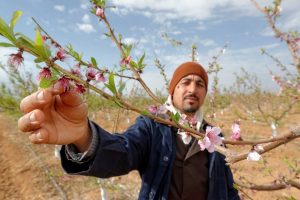
Impact Report Series, Issue 6. The “Impact report” series disseminates research reports from Taqeem-supported impact evaluations. Reports include baseline, endline and qualitative studies which describe the impact estimates of evaluations of youth employment interventions based on experimental and quasi-experimental designs. This report assesses a youth-focused skills training programme in rural and semi-rural Morocco. The intervention delivered financial, life and entrepreneurial skills training, aiming to assist young people with the challenges they face during their transition from school to work. Using a randomized controlled trial, the study explores the medium- to long-term impacts on a range of outcomes related to financial inclusion, employability and human capital accumulation.

Youth-focused development organizations throughout MENA increasingly concentrate on providing skills development training to promote financial inclusion and the labour market integration of young people. Despite the proliferation of such training, the evidence is still scarce on its effectiveness in addressing the wider challenges of economic inclusion among young people in MENA. As the first RCT in Morocco to examine a skills training programme, this impact evaluation, therefore, contributes to closing the knowledge gap on what works in youth employment in the region.
Subject Tags:

Skills and training policy

Slug
skills-and-training-policy
Identifier
666

Women

Slug
women
Identifier
318

Youth

Slug
youth
Identifier
319
Regions:

Africa

Region Image

Arab States

Region Image
Countries and territories:

The European Youth Guarantee: A systematic review of its implementation across countries

The European Youth Guarantee: A systematic review of its implementation across countries

Type:
Document
Content Type:
The European Youth Guarantee: A systematic review of its implementation across countries
Language:

English

Slug
english
Identifier
skpEng
Sources:

ILO

The International Labour Organization is the tripartite U.N. agency that promotes Decent Work through employment, social security, labour standards and social dialogue. Its work on skills development is guided by the conceptual framework on Skills to improve productivity, employment growth, and development agreed in 2008 by representatives of Governments, Employers’ Associations and Workers’ Associations. Research, policy advice, and pilot projects and technical cooperation programmes to apply good practices in different circumstances across its 185 member States aims to boost the employability of workers, the productivity and competitiveness of enterprises, and the inclusiveness of economic growth. The ILO Secretariat in offices in 40 countries works with Ministries of Labour, employers’ organizations, and trade unions to integrate skills development into national and sector development strategies in order to better meet current labour market needs and to prepare for the jobs of the future; to expand access to employment-related training so that youth, persons with disabilities and other vulnerable groups are better able to acquire skills and secure productive and decent work; and to improve the ability of public employment services to provide career guidance, maintain labour exchange services, and deliver active labour market programmes.For more information regarding the ILO’s work on skills and employability go to: http://www.ilo.org/skills/lang--en/index.htm; for ILO/Cinterfor's Knowledge Management Plarform, see: http://www.oitcinterfor.org

Thumbnail
Identifier
skpILO
Slug
ilo
Topics:

Monitoring and evaluation

Thumbnail

Measuring the outcomes of skills systems, policies and targeted programmes is essential in order to monitor and improve their effectiveness and relevance. Elements of sound assessment processes include: institutions to sustain feedback from employers and trainees; mechanisms to track labour market outcomes of training and systems of accountability that use this information; and, quantitative and qualitative labour market information and its dissemination to all stakeholders.

Identifier
skpPolPer
Slug
monitoring-and-evaluation

Youth employability

Thumbnail

Globally, nearly 68 million young women and men are looking for and available for work,  and an estimated 123 million young people are working but living in poverty. The number who are not in employment, education or training (NEET) stands at 267 million, a majority of whom are young women. Significantly, young people are three times as likely as adults (25 years and older) to be unemployed.

Skills development is a primary means of enabling young people to make a smooth transition to work. A comprehensive approach is required to integrate young women and men in the labour market, including relevant and quality skills training, labour market information, career guidance and employment services, recognition of prior learning, incorporating entrepreneurship with training and effective skills forecasting. Improved basic education and core work skills are particularly important to enable youth to engage in lifelong learning as well as transition to the labour market. 

Identifier
skpYoEmp
Slug
youth-employability
Knowledge Products:

Research papers

Working papers, reports, and other publications from international organizations, academic institutions and bilateral agencies. Research findings to stimulate informed debate on skills, employment and productivity issues. 

Thumbnail
Identifier
skpRPS
Slug
research-papers
Publication Date:
06 Oct 2017
Research Department Working Paper n°21.
This article examines empirical evidence on the effectiveness of past youth guarantee experiences, as well as the few existing evaluations of the European Youth Guarantee, to identify the factors that are key to their success. The European Youth Guarantee (YG) is one of the most innovative labour market policies of recent years. It arrived at a time when an urgent and radical response was needed to address the detrimental long-lasting consequences of long-term unemployment.

This article examines empirical evidence on the effectiveness of past youth guarantee experiences, as well as the few existing evaluations of the YG, to identify the factors that are key to their success. We then assess whether the key success factors are embedded into the implementation plans published by the European countries and the extent to which these objectives have been met in practice.

Our analysis shows that while most of countries have established clear eligibility criteria and appropriate institutional frameworks, and are providing a comprehensive package of measures, many of them are still facing challenges when meeting the objectives of early intervention and effective enforcement mechanisms. Finally, although countries’ initial spending in the national YG schemes has often outpaced planned expenditures, in many instances resource allocations have not been sufficient to match the recommendations.

Subject Tags:

Youth

Slug
youth
Identifier
319
Regions:

What works in soft skills development for youth employment?

What works in soft skills development for youth employment?

Type:
Document
Content Type:
What works in soft skills development for youth employment?
Language:

English

Slug
english
Identifier
skpEng
Sources:

Other sources

Experts from many international, regional and national agencies generously share their views, experiences and findings on skills, helping policy-makers among other stakeholders to understand the linkages between education, training and the world of work, and how to integrate skills into national development planning to promote employment and economic growth.

Thumbnail
Identifier
skpOSource
Slug
other-sources
Topics:

Lifelong learning

Thumbnail

There is a critical need for a greater overall investment in education and training, particularly in developing countries. Education and training investments should be closely linked to economic and employment growth strategies and programmes. Responsibility should be shared between the government (primary responsibility), enterprises, the social partners, and the individual. To make lifelong learning for all a reality, countries will need to make major reforms of their vocational and education and training systems. School-to-work schemes for young people should integrate education with workplace learning. Training systems need to become more flexible and responsive to rapidly changing skill requirements. Reforms should also focus on how learning can be facilitated, not just on training for specific occupational categories.

Identifier
skpPSLLL
Slug
lifelong-learning

Youth employability

Thumbnail

Globally, nearly 68 million young women and men are looking for and available for work,  and an estimated 123 million young people are working but living in poverty. The number who are not in employment, education or training (NEET) stands at 267 million, a majority of whom are young women. Significantly, young people are three times as likely as adults (25 years and older) to be unemployed.

Skills development is a primary means of enabling young people to make a smooth transition to work. A comprehensive approach is required to integrate young women and men in the labour market, including relevant and quality skills training, labour market information, career guidance and employment services, recognition of prior learning, incorporating entrepreneurship with training and effective skills forecasting. Improved basic education and core work skills are particularly important to enable youth to engage in lifelong learning as well as transition to the labour market. 

Identifier
skpYoEmp
Slug
youth-employability
Knowledge Products:

Research papers

Working papers, reports, and other publications from international organizations, academic institutions and bilateral agencies. Research findings to stimulate informed debate on skills, employment and productivity issues. 

Thumbnail
Identifier
skpRPS
Slug
research-papers
Publication Date:
03 Oct 2017
This report was commissioned by the Youth Employment Funders Group (YEFG) in partnership with the Mastercard Foundation. YEFP is network of over twenty multilateral organizations and international donors, including private foundations, working together to generate and share more and better evidence-based knowledge on what works in the field of youth employment. YEFG has been meeting since 2009, with a secretariat established in 2014 to support the Group’s mission. Profound global changes in the use of technology and the nature of work have urgent implications for how we educate young people and prepare them for the labour market. Employers are increasingly looking for youth who are flexible, adaptable, proactive, creative and collaborative. In short, youth need soft skills: the broad set of skills, attitudes, behaviours and personal qualities that enable them to effectively navigate their environment, work with others, perform well and achieve their goals. There is a growing awareness of the value of soft skills to both employee productivity and the healthy development of young people in general. The development of soft skills is deeply intertwined with academic and technical skill development. Though soft skills are increasingly seen to benefit youth in all domains of life, these skills are poorly understood, not well assessed, and too often overlooked in policy and institutional contexts, including education, training and the workplace.

This report summarizes areas of consensus regarding soft skills from the perspective of the Youth Employment Funders Group (YEFG), a network of donors working together to generate and share more and better evidence-based knowledge on what works in the field of youth employment. The document provides a common understanding for policymakers, employers, donors, and civil society organizations, identifies implementation and evaluation challenges, and suggests directions for investment in cost-effective, scalable and sustainable interventions and knowledge.
Subject Tags:

Skills anticipation

Slug
skills-anticipation
Identifier
677

Soft skills

Slug
soft-skills
Identifier
678

Vocational training

Slug
vocational-training
Identifier
124

Youth

Slug
youth
Identifier
319
Regions:

The first Youth and Employment in North Africa (YENA) Conference

The first Youth and Employment in North Africa (YENA) Conference

Kind:
Event
Start Date:
26 Sep 2017
End Date:
17 Jun 2026
Event Location:
EventType:
Language:

English

Slug
english
Identifier
skpEng
Language Version:
--
Sources:

ILO

The International Labour Organization is the tripartite U.N. agency that promotes Decent Work through employment, social security, labour standards and social dialogue. Its work on skills development is guided by the conceptual framework on Skills to improve productivity, employment growth, and development agreed in 2008 by representatives of Governments, Employers’ Associations and Workers’ Associations. Research, policy advice, and pilot projects and technical cooperation programmes to apply good practices in different circumstances across its 185 member States aims to boost the employability of workers, the productivity and competitiveness of enterprises, and the inclusiveness of economic growth. The ILO Secretariat in offices in 40 countries works with Ministries of Labour, employers’ organizations, and trade unions to integrate skills development into national and sector development strategies in order to better meet current labour market needs and to prepare for the jobs of the future; to expand access to employment-related training so that youth, persons with disabilities and other vulnerable groups are better able to acquire skills and secure productive and decent work; and to improve the ability of public employment services to provide career guidance, maintain labour exchange services, and deliver active labour market programmes.For more information regarding the ILO’s work on skills and employability go to: http://www.ilo.org/skills/lang--en/index.htm; for ILO/Cinterfor's Knowledge Management Plarform, see: http://www.oitcinterfor.org

Thumbnail
Identifier
skpILO
Slug
ilo
Topics:

Youth employability

Thumbnail

Globally, nearly 68 million young women and men are looking for and available for work,  and an estimated 123 million young people are working but living in poverty. The number who are not in employment, education or training (NEET) stands at 267 million, a majority of whom are young women. Significantly, young people are three times as likely as adults (25 years and older) to be unemployed.

Skills development is a primary means of enabling young people to make a smooth transition to work. A comprehensive approach is required to integrate young women and men in the labour market, including relevant and quality skills training, labour market information, career guidance and employment services, recognition of prior learning, incorporating entrepreneurship with training and effective skills forecasting. Improved basic education and core work skills are particularly important to enable youth to engage in lifelong learning as well as transition to the labour market. 

Identifier
skpYoEmp
Slug
youth-employability
Knowledge Products:

Promotional material

Presentations, discussion papers, meeting reports, promotional materials, videos, fact sheets, brochures and newsletters on skills development for employment.

Thumbnail
Identifier
skpAIM
Slug
promotional-material

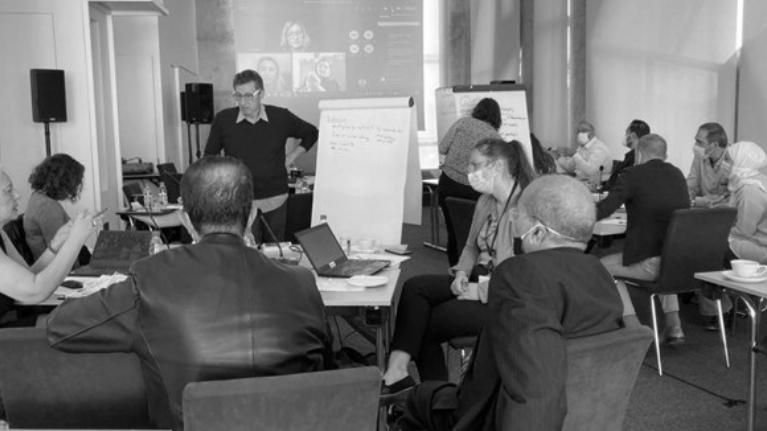
The YENA conference will bring together senior government, employer and worker representatives from seven African countries: Algeria, Egypt, Libya, Mauritania, Morocco, Sudan and Tunisia, as well as development partners, to agree on a new “Roadmap for Youth Employment in North Africa” for the next five years.

The YENA conference will bring together senior government, employer and worker representatives from seven African countries: Algeria, Egypt, Libya, Mauritania, Morocco, Sudan and Tunisia, as well as development partners to agree on a new “Roadmap for Youth Employment in North Africa” for the next five years. Convened under the theme “Scale up actions for youth employment”, the two-day conference will address the most pressing issues related to youth and decent work in North Africa. The interactive platform will provide an opportunity to share the latest initiatives, results, and priorities ahead for each country. North Africa was hard-hit by high levels of youth unemployment, low female labour force participation, compromised job quality, increasing informality, slow productivity and underemployment. Yet, countries have been able to move past emergency and short-term responses to undertake substantial reforms in favour of a more inclusive and job-rich growth.

Subject Tags:

Youth

Slug
youth
Identifier
319

Youth employment

Slug
youth-employment
Identifier
15
Regions:

Africa

Region Image
Countries and territories:
Economic groups:
--

El futuro del trabajo que queremos. La voz de los jóvenes y diferentes miradas desde América Latina y el Caribe

El futuro del trabajo que queremos. La voz de los jóvenes y diferentes miradas desde América Latina y el Caribe

Type:
Document
Content Type:
El futuro del trabajo que queremos. La voz de los jóvenes y diferentes miradas desde América Latina y el Caribe
Language:
Sources:

ILO

The International Labour Organization is the tripartite U.N. agency that promotes Decent Work through employment, social security, labour standards and social dialogue. Its work on skills development is guided by the conceptual framework on Skills to improve productivity, employment growth, and development agreed in 2008 by representatives of Governments, Employers’ Associations and Workers’ Associations. Research, policy advice, and pilot projects and technical cooperation programmes to apply good practices in different circumstances across its 185 member States aims to boost the employability of workers, the productivity and competitiveness of enterprises, and the inclusiveness of economic growth. The ILO Secretariat in offices in 40 countries works with Ministries of Labour, employers’ organizations, and trade unions to integrate skills development into national and sector development strategies in order to better meet current labour market needs and to prepare for the jobs of the future; to expand access to employment-related training so that youth, persons with disabilities and other vulnerable groups are better able to acquire skills and secure productive and decent work; and to improve the ability of public employment services to provide career guidance, maintain labour exchange services, and deliver active labour market programmes.For more information regarding the ILO’s work on skills and employability go to: http://www.ilo.org/skills/lang--en/index.htm; for ILO/Cinterfor's Knowledge Management Plarform, see: http://www.oitcinterfor.org

Thumbnail
Identifier
skpILO
Slug
ilo
Topics:

Anticipating and matching skills needs

Thumbnail

Anticipating and building skills for the future is essential to a rapidly changing labour market. This applies to changes in the types and levels of skills needed as well as in occupational and technical areas. Effective methods to anticipate future skills needs and avoid potential mismatches include: sustained dialogue between employers and trainers, coordination across government institutions, labour market information systems, employment services and performance reviews of training institutions. 

Identifier
skpAFSN
Slug
anticipating-and-matching-skills-needs

Youth employability

Thumbnail

Globally, nearly 68 million young women and men are looking for and available for work,  and an estimated 123 million young people are working but living in poverty. The number who are not in employment, education or training (NEET) stands at 267 million, a majority of whom are young women. Significantly, young people are three times as likely as adults (25 years and older) to be unemployed.

Skills development is a primary means of enabling young people to make a smooth transition to work. A comprehensive approach is required to integrate young women and men in the labour market, including relevant and quality skills training, labour market information, career guidance and employment services, recognition of prior learning, incorporating entrepreneurship with training and effective skills forecasting. Improved basic education and core work skills are particularly important to enable youth to engage in lifelong learning as well as transition to the labour market. 

Identifier
skpYoEmp
Slug
youth-employability
Knowledge Products:

Research papers

Working papers, reports, and other publications from international organizations, academic institutions and bilateral agencies. Research findings to stimulate informed debate on skills, employment and productivity issues. 

Thumbnail
Identifier
skpRPS
Slug
research-papers
Publication Date:
22 Aug 2017

OIT Américas. Informes Técnicos 2017/7. El Informe que se presenta en esta publicación, es una primera aproximación a las percepciones y expectativas de los jóvenes latinoamericanos sobre el futuro del trabajo con base en los resultados de encuestas.

Los resultados señalan una perspectiva muy optimista por parte de los jóvenes sobre las oportunidades y condiciones laborales que el futuro les depara, especialmente entre los de menor edad.

Subject Tags:

Skills anticipation

Slug
skills-anticipation
Identifier
677

Youth

Slug
youth
Identifier
319
Regions:

Americas

Region Image

India skills report 2017

India skills report 2017

Type:
Document
Content Type:
India skills report 2017
Language:

English

Slug
english
Identifier
skpEng
Sources:

Information is gathered from other international organizations that promote skills development and the transition from education and training to work. The Interagency Group on Technical and Vocational Education and Training (IAG-TVET) was established in 2009 to share research findings, coordinate joint research endeavours, and improve collaboration among organizations working at the international and national levels.

Thumbnail
Identifier
skpIntOrg
Slug
international-organizations

Other sources

Experts from many international, regional and national agencies generously share their views, experiences and findings on skills, helping policy-makers among other stakeholders to understand the linkages between education, training and the world of work, and how to integrate skills into national development planning to promote employment and economic growth.

Thumbnail
Identifier
skpOSource
Slug
other-sources
Topics:

Anticipating and matching skills needs

Thumbnail

Anticipating and building skills for the future is essential to a rapidly changing labour market. This applies to changes in the types and levels of skills needed as well as in occupational and technical areas. Effective methods to anticipate future skills needs and avoid potential mismatches include: sustained dialogue between employers and trainers, coordination across government institutions, labour market information systems, employment services and performance reviews of training institutions. 

Identifier
skpAFSN
Slug
anticipating-and-matching-skills-needs

Youth employability

Thumbnail

Globally, nearly 68 million young women and men are looking for and available for work,  and an estimated 123 million young people are working but living in poverty. The number who are not in employment, education or training (NEET) stands at 267 million, a majority of whom are young women. Significantly, young people are three times as likely as adults (25 years and older) to be unemployed.

Skills development is a primary means of enabling young people to make a smooth transition to work. A comprehensive approach is required to integrate young women and men in the labour market, including relevant and quality skills training, labour market information, career guidance and employment services, recognition of prior learning, incorporating entrepreneurship with training and effective skills forecasting. Improved basic education and core work skills are particularly important to enable youth to engage in lifelong learning as well as transition to the labour market. 

Identifier
skpYoEmp
Slug
youth-employability
Knowledge Products:

Research papers

Working papers, reports, and other publications from international organizations, academic institutions and bilateral agencies. Research findings to stimulate informed debate on skills, employment and productivity issues. 

Thumbnail
Identifier
skpRPS
Slug
research-papers
Publication Date:
15 Aug 2017
India Skills Report 2017 presents a quantitative and qualitative analysis of demand and supply in the labour market. The report takes stock of the talent landscape by analysing the employability of youth and the needs and expectations of employers. Currently in its fourth edition, it also captures various initiatives taken by the government and its impact on economic growth. The report is a joint initiative by Confederation of Indian Industry, PeopleStrong, Wheebox, UNDP and AICTE (All India Council for Technical Education).
Subject Tags:

Gender

Slug
294
Identifier
294

Job matching

Slug
job-matching
Identifier
649

Labour market information

Slug
labour-market-information
Identifier
684

Skills mismatch

Slug
skills-mismatch
Identifier
654

Youth

Slug
youth
Identifier
319
Regions:
Countries and territories:

The Future of Jobs and Skills in the Middle East and North Africa

The Future of Jobs and Skills in the Middle East and North Africa

Type:
Document
Content Type:
The Future of Jobs and Skills in the Middle East and North Africa
Language:

English

Slug
english
Identifier
skpEng
Sources:

Other sources

Experts from many international, regional and national agencies generously share their views, experiences and findings on skills, helping policy-makers among other stakeholders to understand the linkages between education, training and the world of work, and how to integrate skills into national development planning to promote employment and economic growth.

Thumbnail
Identifier
skpOSource
Slug
other-sources
Topics:

Anticipating and matching skills needs

Thumbnail

Anticipating and building skills for the future is essential to a rapidly changing labour market. This applies to changes in the types and levels of skills needed as well as in occupational and technical areas. Effective methods to anticipate future skills needs and avoid potential mismatches include: sustained dialogue between employers and trainers, coordination across government institutions, labour market information systems, employment services and performance reviews of training institutions. 

Identifier
skpAFSN
Slug
anticipating-and-matching-skills-needs

Youth employability

Thumbnail

Globally, nearly 68 million young women and men are looking for and available for work,  and an estimated 123 million young people are working but living in poverty. The number who are not in employment, education or training (NEET) stands at 267 million, a majority of whom are young women. Significantly, young people are three times as likely as adults (25 years and older) to be unemployed.

Skills development is a primary means of enabling young people to make a smooth transition to work. A comprehensive approach is required to integrate young women and men in the labour market, including relevant and quality skills training, labour market information, career guidance and employment services, recognition of prior learning, incorporating entrepreneurship with training and effective skills forecasting. Improved basic education and core work skills are particularly important to enable youth to engage in lifelong learning as well as transition to the labour market. 

Identifier
skpYoEmp
Slug
youth-employability
Knowledge Products:

Research papers

Working papers, reports, and other publications from international organizations, academic institutions and bilateral agencies. Research findings to stimulate informed debate on skills, employment and productivity issues. 

Thumbnail
Identifier
skpRPS
Slug
research-papers
Publication Date:
07 Aug 2017
Preparing the Region for the Fourth Industrial Revolution. This Executive Briefing has been prepared by the World Economic Forum. Education and work in the Middle East and North Africa region will determine the livelihoods of over 300 million people and drive growth and development for generations to come. As one of the youngest populations in the world, it is imperative that the region make adequate investments in education and learning that hold value in the labour market and prepare citizens for the world of tomorrow. In addition, as the global transformation of work unfolds in the region, policymakers, business leaders and workers must be prepared to proactively manage this period of transition.

This Executive Briefing uses the latest available data, including through a research partnership with LinkedIn, to provide a concise overview of the region’s education, skills and jobs agenda. It is intended as a practical guide for leaders from business, government, civil society and the education sector to plan for the needs of the future. It is also a call to action to the region’s leaders to address urgently the reforms that are needed today to ensure that the Middle East and North Africa’s young people can harness the new opportunities that are coming their way.

In addition to providing insights on current trends and future projections, the World Economic Forum also aims to provide a platform for multistakeholder collaboration to prepare for the future of work by closing skills gaps and gender gaps through two key initiatives in the region. The New Vision for Arab Employment consolidates the latest insights, brings together business efforts to impart employability skills and supports constructive public-private dialogue for reform of education systems and labour policies. To date, companies engaged in the initiative have supported skills development for 250,000 people. In addition the Gender Parity Task Forces help provide a method for national stakeholders to close economic gender gaps, with the first task force in the region to be launched this year. We invite more stakeholders to join these efforts, enhancing collaboration and coordination to accelerate impact.
Subject Tags:

Public private partnerships

Slug
public-private-partnerships
Identifier
138

Skills anticipation

Slug
skills-anticipation
Identifier
677

Skills mismatch

Slug
skills-mismatch
Identifier
654

Soft skills

Slug
soft-skills
Identifier
678

Technology

Slug
technology
Identifier
345

Youth

Slug
youth
Identifier
319
Regions:

Africa

Region Image

Arab States

Region Image

Teachers and trainers in work-based learning/apprenticeships

Teachers and trainers in work-based learning/apprenticeships

Type:
Document
Content Type:
Teachers and trainers in work-based learning/apprenticeships
Language:

English

Slug
english
Identifier
skpEng
Sources:

Other sources

Experts from many international, regional and national agencies generously share their views, experiences and findings on skills, helping policy-makers among other stakeholders to understand the linkages between education, training and the world of work, and how to integrate skills into national development planning to promote employment and economic growth.

Thumbnail
Identifier
skpOSource
Slug
other-sources
Topics:

Other topic

Thumbnail
Identifier
skpOIssue
Slug
other-topic

Training quality and relevance

Thumbnail
Identifier
skpTrainQR
Slug
training-quality-and-relevance
Knowledge Products:

Research papers

Working papers, reports, and other publications from international organizations, academic institutions and bilateral agencies. Research findings to stimulate informed debate on skills, employment and productivity issues. 

Thumbnail
Identifier
skpRPS
Slug
research-papers
Publication Date:
02 Aug 2017
Mapping of models and practices supporting the ET 2020 Working Group on Teachers & Trainers in work-based learning (WBL). Work-based learning (WBL) in Vocational education and training (VET) provides important benefits, by increasing employability and smoother school to work transition. It contributes to reducing skill shortages and gaps, reduces youth unemployment, increases entrepreneurship and innovation and finally has the potential to foster social inclusion. The aim of the study was to provide the Education and Training 2020 Working Group on VET (2016-2018) with findings on three key areas:

- governance arrangements in place for professionals involved in WBL;

- professionalisation arrangements for those professionals; and finally,

- in what way cooperation between schools and companies is arranged, focusing on the quality of the professionals involved.

This study follows Cedefop’s (2009 and 2016) categories of professionals based on their place of work.
Subject Tags:

Apprenticeships

Slug
apprenticeships
Identifier
639

Public private partnerships

Slug
public-private-partnerships
Identifier
138

Training of trainers

Slug
training-of-trainers
Identifier
122

Work-based learning

Slug
work-based-learning
Identifier
679

Youth

Slug
youth
Identifier
319
Regions:

Employment and social developments in Europe 2017

Employment and social developments in Europe 2017

Type:
Document
Content Type:
Employment and social developments in Europe 2017
Language:

French

Slug
french
Identifier
skpFrn
Sources:

Other sources

Experts from many international, regional and national agencies generously share their views, experiences and findings on skills, helping policy-makers among other stakeholders to understand the linkages between education, training and the world of work, and how to integrate skills into national development planning to promote employment and economic growth.

Thumbnail
Identifier
skpOSource
Slug
other-sources
Topics:

Older workers

Thumbnail

Access for all to good quality education, vocational training and workplace learning is a fundamental principle of social cohesion and economic growth. Some groups of people may require targeted attention if they are to benefit from education, training and employment opportunities.

This is particularly the case for disadvantaged youth, lower skilled workers, people with disabilities, and people in rural communities. The attractiveness of vocational education and training is enhanced when combined with entrepreneurship training and when public policies encourage utilization of higher skills by business.

Identifier
skpOldwor
Slug
older-workers

Youth employability

Thumbnail

Globally, nearly 68 million young women and men are looking for and available for work,  and an estimated 123 million young people are working but living in poverty. The number who are not in employment, education or training (NEET) stands at 267 million, a majority of whom are young women. Significantly, young people are three times as likely as adults (25 years and older) to be unemployed.

Skills development is a primary means of enabling young people to make a smooth transition to work. A comprehensive approach is required to integrate young women and men in the labour market, including relevant and quality skills training, labour market information, career guidance and employment services, recognition of prior learning, incorporating entrepreneurship with training and effective skills forecasting. Improved basic education and core work skills are particularly important to enable youth to engage in lifelong learning as well as transition to the labour market. 

Identifier
skpYoEmp
Slug
youth-employability

Other topic

Thumbnail
Identifier
skpOIssue
Slug
other-topic
Knowledge Products:

Research papers

Working papers, reports, and other publications from international organizations, academic institutions and bilateral agencies. Research findings to stimulate informed debate on skills, employment and productivity issues. 

Thumbnail
Identifier
skpRPS
Slug
research-papers
Publication Date:
27 Jul 2017

Presents a detailed analysis of key employment and social issues and concerns for the European Union and its Member States as they pursue the EU 2020 employment and social goals.

This seventh edition of the annual Employment and Social Developments in Europe (ESDE) Review presents a detailed analysis of key employment and social issues and concerns for the European Union and its Member States as they pursue the EU 2020 employment and social goals.

The report feeds into the European Semester and the 2017 flagship initiative of the European Pillar of Social Rights. The main findings of ESDE 2017 corroborate the rationale and the objectives of follow-up initiatives of the Pillar, such as the proposal for a ‘New Start Initiative to support work-life balance for parents and carers’ and the social partner consultations on Access to Social Protection and the revision of the ‘Written Statement Directive’. As in previous years, the opening section of the ESDE review provides an overview of the most recent developments, trends and challenges in the employment and social fields. This year's edition focuses on the topic of ‘Intergenerational fairness and solidarity in Europe’.

The choice of topic reflects a growing perception that the impact of the crisis, as well as structural changes in the labour market including technological progress, are changing the world of work and may be putting younger generations in the EU today and in the future at a disadvantage relative to older people who are less exposed to these developments. If not addressed, these changes may undermine social cohesion, support for reforms and trust in the economic system and institutions. At the same time, intensifying demographic change will result in a growing number of older people and a shrinking working age population. This raises important questions about the implications for future economic growth and its sustainability, the fair distribution of the resources it produces between generations and the potential need for corresponding changes in the welfare state which facilitates intergenerational solidarity.

Against this background, while the first chapter provides an overview of recent employment and social trends, dedicated chapters analyse:

Chapter 2 - Intergenerational fairness and solidarity today and challenges ahead
Chapter 3 - Working lives: the foundation of prosperity for all generations;

Chapter 4 - Securing good living standards in retirement also in the future;

Chapter 5 - Fostering intergenerational fairness through social dialogue.

Subject Tags:

Apprenticeships

Slug
apprenticeships
Identifier
639

Lifelong learning

Slug
lifelong-learning
Identifier
400

Older workers

Slug
older-workers
Identifier
682

Youth

Slug
youth
Identifier
319
Regions:

Building inclusive labour markets in Kazakhstan. A focus on youth, older workers and people with Disabilities

Building inclusive labour markets in Kazakhstan. A focus on youth, older workers and people with Disabilities

Type:
Document
Content Type:
Building inclusive labour markets in Kazakhstan. A focus on youth, older workers and people with Disabilities
Language:

English

Slug
english
Identifier
skpEng
Sources:

Information is gathered from other international organizations that promote skills development and the transition from education and training to work. The Interagency Group on Technical and Vocational Education and Training (IAG-TVET) was established in 2009 to share research findings, coordinate joint research endeavours, and improve collaboration among organizations working at the international and national levels.

Thumbnail
Identifier
skpIntOrg
Slug
international-organizations
Topics:

Older workers

Thumbnail

Access for all to good quality education, vocational training and workplace learning is a fundamental principle of social cohesion and economic growth. Some groups of people may require targeted attention if they are to benefit from education, training and employment opportunities.

This is particularly the case for disadvantaged youth, lower skilled workers, people with disabilities, and people in rural communities. The attractiveness of vocational education and training is enhanced when combined with entrepreneurship training and when public policies encourage utilization of higher skills by business.

Identifier
skpOldwor
Slug
older-workers

People with disabilities

Thumbnail

Of an estimated 1 billion people with disabilities in the world today, some 785 million are of working age. While many are successfully employed and fully integrated into society, most face a disproportionate level of poverty and unemployment. This is a massive loss both to them and their countries. A strategy of including people with disabilities in training and employment promotion policies, combined with targeted supports to ensure their participation, can help disabled persons obtain productive mainstream employment.

Identifier
skpPeoDis
Slug
people-with-disabilities

Youth employability

Thumbnail

Globally, nearly 68 million young women and men are looking for and available for work,  and an estimated 123 million young people are working but living in poverty. The number who are not in employment, education or training (NEET) stands at 267 million, a majority of whom are young women. Significantly, young people are three times as likely as adults (25 years and older) to be unemployed.

Skills development is a primary means of enabling young people to make a smooth transition to work. A comprehensive approach is required to integrate young women and men in the labour market, including relevant and quality skills training, labour market information, career guidance and employment services, recognition of prior learning, incorporating entrepreneurship with training and effective skills forecasting. Improved basic education and core work skills are particularly important to enable youth to engage in lifelong learning as well as transition to the labour market. 

Identifier
skpYoEmp
Slug
youth-employability
Knowledge Products:

Research papers

Working papers, reports, and other publications from international organizations, academic institutions and bilateral agencies. Research findings to stimulate informed debate on skills, employment and productivity issues. 

Thumbnail
Identifier
skpRPS
Slug
research-papers
Publication Date:
14 Jul 2017
Kazakhstan has made major economic and social advances in the past decade and a half. Yet, Kazakhstan needs to sustain high growth rates in the future to converge towards the living standards of OECD countries. This report provides a review of the labour market and social policies that could help Kazakhstan in its dual objectives of building more inclusive labour markets, while maintaining a path of strong growth. It explores the role that institutions and policies play in helping vulnerable groups to access gainful and productive jobs, particularly focusing on three key groups: youth, older workers, and people with disabilities, and provides a comprehensive set of policies to increase the employment and employability of these groups. Evaluations and lessons from innovative experiences in OECD and other countries are used to formulate recommendations tailored to Kazakhstan.

http://dx.doi.org/10.1787/9789264273023-en
Subject Tags:

Inclusion

Slug
inclusion
Identifier
665

Older workers

Slug
older-workers
Identifier
682

Youth

Slug
youth
Identifier
319
Regions:
Countries and territories: