Gender equality

Slug
gender-equality
Identifier
144

Djevojčice u tehničkim zanimanjima – Mašinski tehničar

Djevojčice u tehničkim zanimanjima – Mašinski tehničar

Type:
Document
Content Type:
Djevojčice u tehničkim zanimanjima – Mašinski tehničar
Language:

Bosnian

Slug
bosnian
Identifier
skpbs
Sources:

ILO

The International Labour Organization is the tripartite U.N. agency that promotes Decent Work through employment, social security, labour standards and social dialogue. Its work on skills development is guided by the conceptual framework on Skills to improve productivity, employment growth, and development agreed in 2008 by representatives of Governments, Employers’ Associations and Workers’ Associations. Research, policy advice, and pilot projects and technical cooperation programmes to apply good practices in different circumstances across its 185 member States aims to boost the employability of workers, the productivity and competitiveness of enterprises, and the inclusiveness of economic growth. The ILO Secretariat in offices in 40 countries works with Ministries of Labour, employers’ organizations, and trade unions to integrate skills development into national and sector development strategies in order to better meet current labour market needs and to prepare for the jobs of the future; to expand access to employment-related training so that youth, persons with disabilities and other vulnerable groups are better able to acquire skills and secure productive and decent work; and to improve the ability of public employment services to provide career guidance, maintain labour exchange services, and deliver active labour market programmes.For more information regarding the ILO’s work on skills and employability go to: http://www.ilo.org/skills/lang--en/index.htm; for ILO/Cinterfor's Knowledge Management Plarform, see: http://www.oitcinterfor.org

Thumbnail
Identifier
skpILO
Slug
ilo
Topics:

Access to training

Thumbnail

Access for all to good quality education, vocational training and workplace learning is a fundamental principle of social cohesion and economic growth. Some groups of people may require targeted attention if they are to benefit from education, training and employment opportunities.  

This is particularly the case for disadvantaged youth, lower skilled workers, people with disabilities, and people in rural communities. The attractiveness of vocational education and training is enhanced when combined with entrepreneurship training and when public policies encourage utilization of higher skills by business. 
 

Identifier
skpATSU
Slug
access-to-training

Career guidance and employment services

Thumbnail

Career guidance and counselling, career education and lifelong development of skills for employability are key for success in learning activities, effective career transitions, livelihood planning, entrepreneurship and in increasing labour market participation. They are instrumental in promoting skills utilization, recognition (RPL), as well as in improving enterprise human resource management.

Career development activities encompass a wide variety of support activities including career information and advice, counselling, work exposure (e.g. job shadowing, work experience periods), assessment, coaching, mentoring, professional networking, advocacy, basic and employability skills training (curricular and non-curricular) and entrepreneurship training. It is often an area which is fragmented across different ministries (e.g. education, TVET, employment, youth) requiring an effort to achieve the necessary coordination to provide adequate support to individuals during learning, employment and unemployment/inactivity periods.
 

Identifier
skpLMIES
Slug
career-guidance-and-employment-services

Gender equality

Thumbnail

Women represent both half of the world's population – and half the world's economic potential. Their participation in the labour market reduces poverty because they often invest 90 per cent of their income in the well-being, education and nutrition of their families. Yet labour force participation by women has stagnated at about 55 per cent globally since 2010. Moreover, women are disproportionately represented in precarious work – low-paid, low-skilled and insecure jobs.

Training plays an important role in the pursuit of equality of opportunity and treatment for women and men in the world of work. Yet women often lack access to technical and vocational education and training. Many also lack the basic functional skills, such as literacy and numeracy, to participate meaningfully in the work force. Overcoming this challenge requires the adoption of a life-cycle approach. This includes improving girls’ access to basic education; overcoming logistic, economic and cultural barriers to apprenticeships and to secondary and vocational training for young women; and meeting the training needs of women re-entering the labour market and of older women who have not had equal access to opportunities for lifelong learning.

Identifier
skpGenEqul
Slug
gender-equality

Governance and coordination mechanisms
Thumbnail

Effective governance and coordination are key elements of successful skill systems. Whilst coordination is an important factor, it needs to operate alongside other key conditions to strengthen governance. When multi-level governance is supported by effective communication, sustainable financing and effective coordination, it has the best chance of supporting the establishment of a lifelong learning ecosystem that enables individuals and enterprises to more effectively navigate the world of work and learning.

Identifier
skpGovern
Slug
governance-and-coordination-mechanisms
Knowledge Products:

Promotional material

Presentations, discussion papers, meeting reports, promotional materials, videos, fact sheets, brochures and newsletters on skills development for employment.

Thumbnail
Identifier
skpAIM
Slug
promotional-material
Publication Date:
09 May 2022

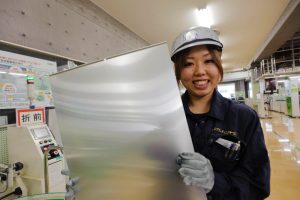
Within the project ‘Reimagining Education for Marginalized Girls and Boys during and post COVID-19’ ILO and Smart Lab created videos for TVET career orientations in technical occupations. The videos are meant to encourage female students to pursue the respective career and learning path.

ILO has cooperated with Smart Lab, a Sarajevo-based company specialized in E-Learning products, within the frame of the project ‘Reimagining Education for Marginalized Girls and Boys during and post COVID-19’. This framework project involved many UN partners, like UNESCO, UNICEF and UN Volunteers. One of its results are 3 career orientation videos of a technical occupation. Each video features a young woman working in the respective position, who explains her professional activities and experiences. Young girls, who consider starting TVET are very much the target group of the orientational videos. They often face more difficulties or obstacles in entering TVET, which leads to underrepresentation. Encouraging female students and showing role-models eventually lead to a more balanced gender ratio and free individual career choice.

This video introduces the occupation Machine Technician.

Subject Tags:

Gender equality

Slug
gender-equality
Identifier
144

TVET systems

Slug
tvet-systems
Identifier
661

Vocational training

Slug
vocational-training
Identifier
124

Women

Slug
women
Identifier
318
Regions:
Countries and territories:

Djevojčice u tehničkim zanimanjima – Mehatronika

Djevojčice u tehničkim zanimanjima – Mehatronika

Type:
Document
Content Type:
Presentation
Language:

Bosnian

Slug
bosnian
Identifier
skpbs
Sources:

ILO

The International Labour Organization is the tripartite U.N. agency that promotes Decent Work through employment, social security, labour standards and social dialogue. Its work on skills development is guided by the conceptual framework on Skills to improve productivity, employment growth, and development agreed in 2008 by representatives of Governments, Employers’ Associations and Workers’ Associations. Research, policy advice, and pilot projects and technical cooperation programmes to apply good practices in different circumstances across its 185 member States aims to boost the employability of workers, the productivity and competitiveness of enterprises, and the inclusiveness of economic growth. The ILO Secretariat in offices in 40 countries works with Ministries of Labour, employers’ organizations, and trade unions to integrate skills development into national and sector development strategies in order to better meet current labour market needs and to prepare for the jobs of the future; to expand access to employment-related training so that youth, persons with disabilities and other vulnerable groups are better able to acquire skills and secure productive and decent work; and to improve the ability of public employment services to provide career guidance, maintain labour exchange services, and deliver active labour market programmes.For more information regarding the ILO’s work on skills and employability go to: http://www.ilo.org/skills/lang--en/index.htm; for ILO/Cinterfor's Knowledge Management Plarform, see: http://www.oitcinterfor.org

Thumbnail
Identifier
skpILO
Slug
ilo
Topics:

Access to training

Thumbnail

Access for all to good quality education, vocational training and workplace learning is a fundamental principle of social cohesion and economic growth. Some groups of people may require targeted attention if they are to benefit from education, training and employment opportunities.  

This is particularly the case for disadvantaged youth, lower skilled workers, people with disabilities, and people in rural communities. The attractiveness of vocational education and training is enhanced when combined with entrepreneurship training and when public policies encourage utilization of higher skills by business. 
 

Identifier
skpATSU
Slug
access-to-training

Career guidance and employment services

Thumbnail

Career guidance and counselling, career education and lifelong development of skills for employability are key for success in learning activities, effective career transitions, livelihood planning, entrepreneurship and in increasing labour market participation. They are instrumental in promoting skills utilization, recognition (RPL), as well as in improving enterprise human resource management.

Career development activities encompass a wide variety of support activities including career information and advice, counselling, work exposure (e.g. job shadowing, work experience periods), assessment, coaching, mentoring, professional networking, advocacy, basic and employability skills training (curricular and non-curricular) and entrepreneurship training. It is often an area which is fragmented across different ministries (e.g. education, TVET, employment, youth) requiring an effort to achieve the necessary coordination to provide adequate support to individuals during learning, employment and unemployment/inactivity periods.
 

Identifier
skpLMIES
Slug
career-guidance-and-employment-services

Governance and coordination mechanisms

Thumbnail

Effective governance and coordination are key elements of successful skill systems. Whilst coordination is an important factor, it needs to operate alongside other key conditions to strengthen governance. When multi-level governance is supported by effective communication, sustainable financing and effective coordination, it has the best chance of supporting the establishment of a lifelong learning ecosystem that enables individuals and enterprises to more effectively navigate the world of work and learning.

Identifier
skpGovern
Slug
governance-and-coordination-mechanisms

Youth employability

Thumbnail

Globally, nearly 68 million young women and men are looking for and available for work,  and an estimated 123 million young people are working but living in poverty. The number who are not in employment, education or training (NEET) stands at 267 million, a majority of whom are young women. Significantly, young people are three times as likely as adults (25 years and older) to be unemployed.

Skills development is a primary means of enabling young people to make a smooth transition to work. A comprehensive approach is required to integrate young women and men in the labour market, including relevant and quality skills training, labour market information, career guidance and employment services, recognition of prior learning, incorporating entrepreneurship with training and effective skills forecasting. Improved basic education and core work skills are particularly important to enable youth to engage in lifelong learning as well as transition to the labour market. 

Identifier
skpYoEmp
Slug
youth-employability
Knowledge Products:

Promotional material

Presentations, discussion papers, meeting reports, promotional materials, videos, fact sheets, brochures and newsletters on skills development for employment.

Thumbnail
Identifier
skpAIM
Slug
promotional-material
Publication Date:
09 May 2022

Within the project ‘Reimagining Education for Marginalized Girls and Boys during and post COVID-19’ ILO and Smart Lab created videos for TVET career orientations in technical occupations. The videos are meant to encourage female students to pursue the respective career and learning path.

ILO has cooperated with Smart Lab, a Sarajevo-based company specialized in E-Learning products, within the frame of the project ‘Reimagining Education for Marginalized Girls and Boys during and post COVID-19’. This framework project involved many UN partners, like UNESCO, UNICEF and UN Volunteers. One of its results are 3 career orientation videos of a technical occupation. Each video features a young woman working in the respective position, who explains her professional activities and experiences. Young girls, who consider starting TVET are very much the target group of the orientational videos. They often face more difficulties or obstacles in entering TVET, which leads to underrepresentation. Encouraging female students and showing role-models eventually lead to a more balanced gender ratio and free individual career choice.

This video introduces the occupation Mechatronician.

Subject Tags:

Career guidance

Slug
career-guidance
Identifier
640

Gender equality

Slug
gender-equality
Identifier
144

Technology

Slug
technology
Identifier
345

TVET systems

Slug
tvet-systems
Identifier
661
Regions:
Countries and territories:

Practical Guide for WITED Chapters and Individual Champions for Increasing Girls' and Women’s Participation in STEM-TVET

Practical Guide for WITED Chapters and Individual Champions for Increasing Girls' and Women’s Participation in STEM-TVET

Type:
Document
Content Type:
Generic document
Language:

English

Slug
english
Identifier
skpEng
Sources:

Information is gathered from other international organizations that promote skills development and the transition from education and training to work. The Interagency Group on Technical and Vocational Education and Training (IAG-TVET) was established in 2009 to share research findings, coordinate joint research endeavours, and improve collaboration among organizations working at the international and national levels.

Thumbnail
Identifier
skpIntOrg
Slug
international-organizations
Topics:

Access to training

Thumbnail

Access for all to good quality education, vocational training and workplace learning is a fundamental principle of social cohesion and economic growth. Some groups of people may require targeted attention if they are to benefit from education, training and employment opportunities.  

This is particularly the case for disadvantaged youth, lower skilled workers, people with disabilities, and people in rural communities. The attractiveness of vocational education and training is enhanced when combined with entrepreneurship training and when public policies encourage utilization of higher skills by business. 
 

Identifier
skpATSU
Slug
access-to-training

Gender equality

Thumbnail

Women represent both half of the world's population – and half the world's economic potential. Their participation in the labour market reduces poverty because they often invest 90 per cent of their income in the well-being, education and nutrition of their families. Yet labour force participation by women has stagnated at about 55 per cent globally since 2010. Moreover, women are disproportionately represented in precarious work – low-paid, low-skilled and insecure jobs.

Training plays an important role in the pursuit of equality of opportunity and treatment for women and men in the world of work. Yet women often lack access to technical and vocational education and training. Many also lack the basic functional skills, such as literacy and numeracy, to participate meaningfully in the work force. Overcoming this challenge requires the adoption of a life-cycle approach. This includes improving girls’ access to basic education; overcoming logistic, economic and cultural barriers to apprenticeships and to secondary and vocational training for young women; and meeting the training needs of women re-entering the labour market and of older women who have not had equal access to opportunities for lifelong learning.

Identifier
skpGenEqul
Slug
gender-equality

Work-based learning and skills utilization

Thumbnail

Increasingly, countries around the world, at all levels of development are putting work-based learning, particularly apprenticeships, high on their policy agenda, recognizing its potential for reducing skills mismatch, meeting skills demand of a fast changing labour market, providing cost-effective training, promoting private sector development and smoothing transitions to the world of work. 

Moreover, the issue of how skills are used in the workplace and how businesses engage with the local skills ecosystem are getting greater attention. It is increasingly recognized that workers who better use their skills are more likely to have greater job satisfaction, earn better wages and are more prepared to adapt to changes in the nature of work, while employers benefit from a more productive and innovative workforce, enabling them to maximise business performance and profitability. 

Identifier
skpWrkLrn
Slug
work-based-learning-and-skills-utilization
Knowledge Products:

Tools and guidance

The platform includes a variety of practical tools and guidance materials developed by the ILO at global and national levels. The resources include guides, case studies, cheklist, visual materials and more, and they cover a wide range of topics. Some are specifically aimed at certain groups of stakeholders, for example employers, workers or governments, and some are designed to support specific groups of beneficiaries. 

Thumbnail
Identifier
skpTag
Slug
tools-and-guidance
Publication Date:
28 Apr 2022
The Guidelines offer practical steps to trainers in technical and vocational education institutions to plan actions with the aim of increasing girls and women’s participation in science, technology, engineering, and mathematics (STEM). 
Subject Tags:

Access to training

Slug
access-to-training
Identifier
683

Gender

Slug
294
Identifier
294

Gender equality

Slug
gender-equality
Identifier
144

Technology

Slug
technology
Identifier
345
Regions:

Academy on Gender, Inclusion and the Future of Work

Academy on Gender, Inclusion and the Future of Work

Kind:
Event
Start Date:
15 Nov 2021
End Date:
04 Jun 2026
Event Location:
Online
EventType:
Language:

English

Slug
english
Identifier
skpEng
Language Version:
--
Sources:

ILO

The International Labour Organization is the tripartite U.N. agency that promotes Decent Work through employment, social security, labour standards and social dialogue. Its work on skills development is guided by the conceptual framework on Skills to improve productivity, employment growth, and development agreed in 2008 by representatives of Governments, Employers’ Associations and Workers’ Associations. Research, policy advice, and pilot projects and technical cooperation programmes to apply good practices in different circumstances across its 185 member States aims to boost the employability of workers, the productivity and competitiveness of enterprises, and the inclusiveness of economic growth. The ILO Secretariat in offices in 40 countries works with Ministries of Labour, employers’ organizations, and trade unions to integrate skills development into national and sector development strategies in order to better meet current labour market needs and to prepare for the jobs of the future; to expand access to employment-related training so that youth, persons with disabilities and other vulnerable groups are better able to acquire skills and secure productive and decent work; and to improve the ability of public employment services to provide career guidance, maintain labour exchange services, and deliver active labour market programmes.For more information regarding the ILO’s work on skills and employability go to: http://www.ilo.org/skills/lang--en/index.htm; for ILO/Cinterfor's Knowledge Management Plarform, see: http://www.oitcinterfor.org

Thumbnail
Identifier
skpILO
Slug
ilo
Topics:

Gender equality

Thumbnail

Women represent both half of the world's population – and half the world's economic potential. Their participation in the labour market reduces poverty because they often invest 90 per cent of their income in the well-being, education and nutrition of their families. Yet labour force participation by women has stagnated at about 55 per cent globally since 2010. Moreover, women are disproportionately represented in precarious work – low-paid, low-skilled and insecure jobs.

Training plays an important role in the pursuit of equality of opportunity and treatment for women and men in the world of work. Yet women often lack access to technical and vocational education and training. Many also lack the basic functional skills, such as literacy and numeracy, to participate meaningfully in the work force. Overcoming this challenge requires the adoption of a life-cycle approach. This includes improving girls’ access to basic education; overcoming logistic, economic and cultural barriers to apprenticeships and to secondary and vocational training for young women; and meeting the training needs of women re-entering the labour market and of older women who have not had equal access to opportunities for lifelong learning.

Identifier
skpGenEqul
Slug
gender-equality
Knowledge Products:

Cutting-edge topics in the new post-Covid "normal" are presented and discussed in keynote lectures with simultaneous interpretation in English, French and Spanish. The Academy will cover digitalization processes and inclusion, care work and the care economy, work-life integration and telework, key equality and inclusion issues in the workplace, and future perspectives.

Who attends this academy?

A global event on gender, inclusion and the future of work, bringing together experts and successful practitioners.

Support the empowerment of indigenous women by contributing to the ITCILO Gender Equality Memorial Fund (GEMF)! GEMF provides scholarships to indigenous women’s advocates to attend the Gender Academy and build their capacity to promote indigenous women’s rights.

This academy aims to broaden the conversation around gender equality in the world of work.

  • International law, workplace measures, and dialogue at work
  • Feminist pedagogies and methodologies for gender-responsive training
  • A gender perspective on climate change and environmental transformations


What will I learn?

Participants attend plenary sessions and elective workshops to discuss and learn alongside their peers.

  • How to facilitate gender equality through design thinking, a creative solutions process
  • All about unconscious gender bias, and how it plays out in the workplace
  • The importance of participatory gender audits, and the tools needed to implement them


What will I be able to do?

Gender equality is a cross-cutting initiative in the world of work.

  • Dismantle patterns of discrimination and disadvantage in the workplace
  • Address violence and harassment in the world of work
  • Approach workplace transformations through a gender equality lens

Why should I join?

The Turin Centre is known for its unconventional and highly effective learning methodologies.

  • Subject matter specialists from around the world share insight on gender-related issues.
  • Simultaneous interpretation in English, French, and Spanish is available for plenary sessions.
  • A selection of workshops is available; follow a thematic journey or mix and match sessions.

To learn more and to register click here.

Subject Tags:

Gender equality

Slug
gender-equality
Identifier
144

Inclusion

Slug
inclusion
Identifier
665
Regions:
Countries and territories:
Economic groups:
--

World Economic Forum: The Global Gender Gap Report 2018

World Economic Forum: The Global Gender Gap Report 2018

Type:
Document
Content Type:
Publication
Language:
Sources:

Information is gathered from other international organizations that promote skills development and the transition from education and training to work. The Interagency Group on Technical and Vocational Education and Training (IAG-TVET) was established in 2009 to share research findings, coordinate joint research endeavours, and improve collaboration among organizations working at the international and national levels.

Thumbnail
Identifier
skpIntOrg
Slug
international-organizations
Topics:

Gender equality

Thumbnail

Women represent both half of the world's population – and half the world's economic potential. Their participation in the labour market reduces poverty because they often invest 90 per cent of their income in the well-being, education and nutrition of their families. Yet labour force participation by women has stagnated at about 55 per cent globally since 2010. Moreover, women are disproportionately represented in precarious work – low-paid, low-skilled and insecure jobs.

Training plays an important role in the pursuit of equality of opportunity and treatment for women and men in the world of work. Yet women often lack access to technical and vocational education and training. Many also lack the basic functional skills, such as literacy and numeracy, to participate meaningfully in the work force. Overcoming this challenge requires the adoption of a life-cycle approach. This includes improving girls’ access to basic education; overcoming logistic, economic and cultural barriers to apprenticeships and to secondary and vocational training for young women; and meeting the training needs of women re-entering the labour market and of older women who have not had equal access to opportunities for lifelong learning.

Identifier
skpGenEqul
Slug
gender-equality
Knowledge Products:

Research papers

Working papers, reports, and other publications from international organizations, academic institutions and bilateral agencies. Research findings to stimulate informed debate on skills, employment and productivity issues. 

Thumbnail
Identifier
skpRPS
Slug
research-papers
Publication Date:
29 Sep 2021

Gender parity is fundamental to whether and how economies and societies thrive. Ensuring the full development and appropriate deployment of half of the world’s total talent pool has a vast bearing on the growth, competitiveness and future-readiness of economies and businesses worldwide. The Global Gender Gap Report benchmarks 149 countries on their progress towards gender parity across four thematic dimensions: Economic Participation and Opportunity, Educational Attainment, Health and Survival, and Political Empowerment. In addition, this year’s edition studies skills gender gaps related to Artificial Intelligence (AI).

Subject Tags:

Education and training

Slug
education-and-training
Identifier
116

Gender

Slug
294
Identifier
294

Gender equality

Slug
gender-equality
Identifier
144

Globalization

Slug
globalization
Identifier
267
Regions:

World Economic Forum: The Global Gender Gap Report 2018

World Economic Forum: The Global Gender Gap Report 2018

Type:
Document
Content Type:
Publication
Language:
Sources:

Information is gathered from other international organizations that promote skills development and the transition from education and training to work. The Interagency Group on Technical and Vocational Education and Training (IAG-TVET) was established in 2009 to share research findings, coordinate joint research endeavours, and improve collaboration among organizations working at the international and national levels.

Thumbnail
Identifier
skpIntOrg
Slug
international-organizations
Topics:

Gender equality

Thumbnail

Women represent both half of the world's population – and half the world's economic potential. Their participation in the labour market reduces poverty because they often invest 90 per cent of their income in the well-being, education and nutrition of their families. Yet labour force participation by women has stagnated at about 55 per cent globally since 2010. Moreover, women are disproportionately represented in precarious work – low-paid, low-skilled and insecure jobs.

Training plays an important role in the pursuit of equality of opportunity and treatment for women and men in the world of work. Yet women often lack access to technical and vocational education and training. Many also lack the basic functional skills, such as literacy and numeracy, to participate meaningfully in the work force. Overcoming this challenge requires the adoption of a life-cycle approach. This includes improving girls’ access to basic education; overcoming logistic, economic and cultural barriers to apprenticeships and to secondary and vocational training for young women; and meeting the training needs of women re-entering the labour market and of older women who have not had equal access to opportunities for lifelong learning.

Identifier
skpGenEqul
Slug
gender-equality
Knowledge Products:

Research papers

Working papers, reports, and other publications from international organizations, academic institutions and bilateral agencies. Research findings to stimulate informed debate on skills, employment and productivity issues. 

Thumbnail
Identifier
skpRPS
Slug
research-papers
Publication Date:
29 Sep 2021

Gender parity is fundamental to whether and how economies and societies thrive. Ensuring the full development and appropriate deployment of half of the world’s total talent pool has a vast bearing on the growth, competitiveness and future-readiness of economies and businesses worldwide. The Global Gender Gap Report benchmarks 149 countries on their progress towards gender parity across four thematic dimensions: Economic Participation and Opportunity, Educational Attainment, Health and Survival, and Political Empowerment. In addition, this year’s edition studies skills gender gaps related to Artificial Intelligence (AI).

Subject Tags:

Education and training

Slug
education-and-training
Identifier
116

Gender

Slug
294
Identifier
294

Gender equality

Slug
gender-equality
Identifier
144

Globalization

Slug
globalization
Identifier
267
Regions:

Académie sur le genre, l'inclusion et l'avenir du travail

Académie sur le genre, l'inclusion et l'avenir du travail

Kind:
Event
Start Date:
15 Nov 2021
End Date:
04 Jun 2026
Event Location:
Online
EventType:
Language:

French

Slug
french
Identifier
skpFrn
Language Version:
--
Sources:

ILO

The International Labour Organization is the tripartite U.N. agency that promotes Decent Work through employment, social security, labour standards and social dialogue. Its work on skills development is guided by the conceptual framework on Skills to improve productivity, employment growth, and development agreed in 2008 by representatives of Governments, Employers’ Associations and Workers’ Associations. Research, policy advice, and pilot projects and technical cooperation programmes to apply good practices in different circumstances across its 185 member States aims to boost the employability of workers, the productivity and competitiveness of enterprises, and the inclusiveness of economic growth. The ILO Secretariat in offices in 40 countries works with Ministries of Labour, employers’ organizations, and trade unions to integrate skills development into national and sector development strategies in order to better meet current labour market needs and to prepare for the jobs of the future; to expand access to employment-related training so that youth, persons with disabilities and other vulnerable groups are better able to acquire skills and secure productive and decent work; and to improve the ability of public employment services to provide career guidance, maintain labour exchange services, and deliver active labour market programmes.For more information regarding the ILO’s work on skills and employability go to: http://www.ilo.org/skills/lang--en/index.htm; for ILO/Cinterfor's Knowledge Management Plarform, see: http://www.oitcinterfor.org

Thumbnail
Identifier
skpILO
Slug
ilo
Topics:

Gender equality

Thumbnail

Women represent both half of the world's population – and half the world's economic potential. Their participation in the labour market reduces poverty because they often invest 90 per cent of their income in the well-being, education and nutrition of their families. Yet labour force participation by women has stagnated at about 55 per cent globally since 2010. Moreover, women are disproportionately represented in precarious work – low-paid, low-skilled and insecure jobs.

Training plays an important role in the pursuit of equality of opportunity and treatment for women and men in the world of work. Yet women often lack access to technical and vocational education and training. Many also lack the basic functional skills, such as literacy and numeracy, to participate meaningfully in the work force. Overcoming this challenge requires the adoption of a life-cycle approach. This includes improving girls’ access to basic education; overcoming logistic, economic and cultural barriers to apprenticeships and to secondary and vocational training for young women; and meeting the training needs of women re-entering the labour market and of older women who have not had equal access to opportunities for lifelong learning.

Identifier
skpGenEqul
Slug
gender-equality
Knowledge Products:

Présentation de l'académie

Des sujets d'actualité brûlante sur la nouvelle « normalité » d'après-pandémie, tels que les processus de numérisation, l'inclusion, le travail et l'économie des soins, l'intégration de la vie professionnelle et de la vie privée et le travail agile (« smartworking »), l'égalité et l'inclusion sur le lieu de travail et les perspectives d'avenir, seront abordés et discutés lors de sessions magistrales avec interprétation simultanée en anglais, français et espagnol.

Groupes cibles

Un événement international mondial sur l'égalité des genres, l'inclusion et l'avenir du travail, réunissant des experts et des praticiens chevronnés.

Quels seront le sujets abordé lors de l'academie?

Pendant deux semaines, des sessions plénières et des ateliers pratiques aux choix seront proposés sur les thématiques suivantes:

  • la lutte contre la violence et le harcèlement dans le monde du travail;
  • la non-discrimination, l’intersectionnalité et le travail décent pour tous;
  • l’équité salariale;
  • les services à la personne et l’économie des soins;
  • l’égalité des genres et les transformations sociales et environnementales;
  • la perspective de genre dans l’économie numérique;
  • l’égalité hommes-femmes dans le dialogue social et la gouvernance du travail;
  • les hommes et les masculinités;
  • les femmes, l’égalité et l’avenir du travail;
  • l’égalité des genres, le travail décent et la santé: leçons apprises de la lutte contre le VIH et la tuberculose;
  • la voix des femmes, les capacités organisationnelles et le leadership;
  • les préjugés et les stéréotypes sexistes et leur impact dans le monde du travail;
  • la protection de la maternité: un périple de 100 ans et un programme en faveur de l’équilibre entre vie professionnelle et vie privée;
  • des approches sensibles au genre et transformatrices pour la gestion axée sur les résultats;
  • la communication et la formation sur l’égalité des genres.

Quels seront le sujets abordé lors de l'academie?

Pendant deux semaines, des sessions plénières et des ateliers pratiques aux choix seront proposés sur les thématiques suivantes:

  • la lutte contre la violence et le harcèlement dans le monde du travail;
  • la non-discrimination, l’intersectionnalité et le travail décent pour tous;
  • l’équité salariale;
  • les services à la personne et l’économie des soins;
  • l’égalité des genres et les transformations sociales et environnementales;
  • la perspective de genre dans l’économie numérique;
  • l’égalité hommes-femmes dans le dialogue social et la gouvernance du travail;
  • les hommes et les masculinités;
  • les femmes, l’égalité et l’avenir du travail;
  • l’égalité des genres, le travail décent et la santé: leçons apprises de la lutte contre le VIH et la tuberculose;
  • la voix des femmes, les capacités organisationnelles et le leadership;
  • les préjugés et les stéréotypes sexistes et leur impact dans le monde du travail;
  • la protection de la maternité: un périple de 100 ans et un programme en faveur de l’équilibre entre vie professionnelle et vie privée;
  • des approches sensibles au genre et transformatrices pour la gestion axée sur les résultats;
  • la communication et la formation sur l’égalité des genres.


Que vais-je apprendre?

Une variété de sessions plénières, de discussions et d’ateliers au choix vous feront découvrir un programme de transformation pour l’égalité des genres et l’autonomisation des femmes dans le monde du travail, incluant:

  • l’expérience centenaire de l’OIT en matière d’action normative et politique en faveur de l’égalité des genres;
  • les derniers concepts et approches utilisés dans le discours international et des Nations Unies en matière de genre, dans un monde en évolution;
  • des méthodologies et des outils novateurs, des pratiques et des stratégies efficaces en faveur de l’égalité des genres et de l’autonomisation des femmes.


Que pourrai-je faire?

  • Analyser le monde du travail et les lieux de travail selon une perspective de genre et de nondiscrimination;
  • Dresser une liste de mesures permettant de prévenir et de combattre les inégalités sur les lieux de travail, la discrimination et le harcèlement;
  • Consulter les informations, les données, les bonnes pratiques et les méthodes les plus récentes;
  • Élaborer et négocier de nouveaux programmes en faveur de l’égalité hommes-femmes au travail;
  • Développer des stratégies et utiliser des outils pour changer les mentalités, former des alliances et initier un changement durable.

Pourquoi devrais-je participer?

L’Académie s’adresse à des professionnels qui oeuvrent pour la promotion de l’égalité des genres et l’autonomisation des femmes des pays en voie de développement et des pays industrialisés, notamment:

  • les représentants de gouvernement;
  • les représentants d’organisations de travailleurs et d’employeurs;
  • le personnel d’organisations internationales et de développement;
  • les entités du secteur privé qui prônent la diversité, l’égalité des chances et la responsabilité sociale des entreprises;
  • les instituts de recherche et les universités;
  • les organisations de la société civile.

Pour plus d'information et pour s'inscrire cliquez ici.

Subject Tags:

Gender equality

Slug
gender-equality
Identifier
144

Inclusion

Slug
inclusion
Identifier
665
Regions:
Countries and territories:
Economic groups:
--

Foro de Política sobre Gobierno Abierto en la Educación

Foro de Política sobre Gobierno Abierto en la Educación

Kind:
Event
Start Date:
15 Nov 2021
End Date:
04 Jun 2026
Event Location:
Online
EventType:
Language:

Spanish

Slug
spanish
Identifier
skpEsp
Language Version:
--
Sources:

ILO

The International Labour Organization is the tripartite U.N. agency that promotes Decent Work through employment, social security, labour standards and social dialogue. Its work on skills development is guided by the conceptual framework on Skills to improve productivity, employment growth, and development agreed in 2008 by representatives of Governments, Employers’ Associations and Workers’ Associations. Research, policy advice, and pilot projects and technical cooperation programmes to apply good practices in different circumstances across its 185 member States aims to boost the employability of workers, the productivity and competitiveness of enterprises, and the inclusiveness of economic growth. The ILO Secretariat in offices in 40 countries works with Ministries of Labour, employers’ organizations, and trade unions to integrate skills development into national and sector development strategies in order to better meet current labour market needs and to prepare for the jobs of the future; to expand access to employment-related training so that youth, persons with disabilities and other vulnerable groups are better able to acquire skills and secure productive and decent work; and to improve the ability of public employment services to provide career guidance, maintain labour exchange services, and deliver active labour market programmes.For more information regarding the ILO’s work on skills and employability go to: http://www.ilo.org/skills/lang--en/index.htm; for ILO/Cinterfor's Knowledge Management Plarform, see: http://www.oitcinterfor.org

Thumbnail
Identifier
skpILO
Slug
ilo
Topics:

Gender equality

Thumbnail

Women represent both half of the world's population – and half the world's economic potential. Their participation in the labour market reduces poverty because they often invest 90 per cent of their income in the well-being, education and nutrition of their families. Yet labour force participation by women has stagnated at about 55 per cent globally since 2010. Moreover, women are disproportionately represented in precarious work – low-paid, low-skilled and insecure jobs.

Training plays an important role in the pursuit of equality of opportunity and treatment for women and men in the world of work. Yet women often lack access to technical and vocational education and training. Many also lack the basic functional skills, such as literacy and numeracy, to participate meaningfully in the work force. Overcoming this challenge requires the adoption of a life-cycle approach. This includes improving girls’ access to basic education; overcoming logistic, economic and cultural barriers to apprenticeships and to secondary and vocational training for young women; and meeting the training needs of women re-entering the labour market and of older women who have not had equal access to opportunities for lifelong learning.

Identifier
skpGenEqul
Slug
gender-equality
Knowledge Products:

Introducción a la academia

Los temas de vanguardia de la nueva "normalidad" post-COVID se presentan y discuten en conferencias magistrales con interpretación simultánea en inglés, francés y español. Los procesos de digitalización y la inclusión, el trabajo de cuidados y la economía de los cuidados, la conciliación de la vida laboral y familiar y el teletrabajo, las cuestiones clave de igualdad e inclusión en el lugar de trabajo y las perspectivas de futuro.

¿Quién asiste a esta academia?

Un evento internacional global sobre género, inclusión y el futuro del trabajo, que reúne a expertos y profesionales reconocidos.

¿Qué temas abarca este curso?

Durante las dos semanas de su duración, las sesiones plenarias y los talleres prácticos opcionales incluirán:

  • Cómo abordar la violencia y el acoso en el mundo del trabajo
  • No discriminación, interseccionalidad y trabajo decente para todos
  • Igualdad salarial
  • Atención comunitaria y economía del cuidado
  • Igualdad entre sexos y transformaciones sociales y medioambientales
  • Perspectiva de género sobre la economía digital
  • Igualdad en el diálogo social y la gobernanza del trabajo
  • Hombres y masculinidades
  • Mujeres, igualdad y el futuro del trabajo
  • Igualdad entre sexos, trabajo decente y salud: Lecciones de la respuesta al VIH y la TB
  • Representación, capacidad organizativa y liderazgo femenino
  • Sesgos de género, estereotipos y su repercusión en el mundo del trabajo
  • Protección de la maternidad: cien años de viaje y un programa para el equilibrio entre la vida profesional y la privada
  • Enfoques de género transformadores para la gestión basada en los resultados
  • Comunicar y formar en favor de la igualdad entre sexos

¿Qué temas abarca este curso?

Durante las dos semanas de su duración, las sesiones plenarias y los talleres prácticos opcionales incluirán:

  • Cómo abordar la violencia y el acoso en el mundo del trabajo
  • No discriminación, interseccionalidad y trabajo decente para todos
  • Igualdad salarial
  • Atención comunitaria y economía del cuidado
  • Igualdad entre sexos y transformaciones sociales y medioambientales
  • Perspectiva de género sobre la economía digital
  • Igualdad en el diálogo social y la gobernanza del trabajo
  • Hombres y masculinidades
  • Mujeres, igualdad y el futuro del trabajo
  • Igualdad entre sexos, trabajo decente y salud: Lecciones de la respuesta al VIH y la TB
  • Representación, capacidad organizativa y liderazgo femenino
  • Sesgos de género, estereotipos y su repercusión en el mundo del trabajo
  • Protección de la maternidad: cien años de viaje y un programa para el equilibrio entre la vida profesional y la privada
  • Enfoques de género transformadores para la gestión basada en los resultados
  • Comunicar y formar en favor de la igualdad entre sexos


¿Qué aprenderé?

Una combinación de sesiones plenarias, debates y talleres prácticos opcionales que recorrerá un programa transformador en favor de la igualdad entre sexos y el empoderamiento de las mujeres en el mundo del trabajo y que incluirá:

  • La experiencia del Centenario de la OIT en la acción normativa y política en favor de la igualdad entre sexos:
  • Los últimos conceptos y enfoques en el discurso de género internacional y en las Naciones Unidas en el marco de un mundo en plena transformación;
  • Herramientas y metodologías innovadoras, prácticas y estrategias fructíferas para la igualdad y el empoderamiento de las mujeres.


¿Qué podré hacer?

  • Analizar el mundo del trabajo y los lugares de trabajo desde una perspectiva de género y no discriminatoria;
  • Identificar medidas para prevenir y abordar las desigualdades, la discriminación, la violencia y el acoso en el lugar de trabajo;
  • Consultar la información, datos, buenas prácticas y métodos más recientes;
  • Elaborar y negociar nuevos programas para la igualdad en el trabajo;
  • Elaborar estrategias y usar herramientas para cambiar mentalidades, entablar alianzas e iniciar cambios sostenibles

¿Porqué deberìa apuntarme?

La Academia ofrece una gran variedad de formatos de aprendizaje que le permitirán:

  • Elegir entre una variedad de itinerarios didácticos y talleres opcionales diseñados a medida de acuerdo con sus intereses, al tiempo que
  • Se informará sobre las últimas novedades y cuestiones emergentes relacionadas con la igualdad entre sexos a través de clases plenarias y debates con expertos reputados;
  • Participar de los métodos didácticos innovadores y participativos del Centro de Turín;
  • Conecte, haga contactos e intercambie información y puntos de vista con colegas profesionales y organizaciones de todo el mundo.

Mas informacion aqui.

Subject Tags:

Gender equality

Slug
gender-equality
Identifier
144

Inclusion

Slug
inclusion
Identifier
665
Regions:
Countries and territories:
Economic groups:
--

Taller virtual para la evaluación de puestos de trabajo sin sesgos de género

Taller virtual para la evaluación de puestos de trabajo sin sesgos de género

Kind:
Event
Start Date:
01 Nov 2021
End Date:
04 Jun 2026
Event Location:
Online
EventType:
Language:

Spanish

Slug
spanish
Identifier
skpEsp
Language Version:
--
Sources:

ILO

The International Labour Organization is the tripartite U.N. agency that promotes Decent Work through employment, social security, labour standards and social dialogue. Its work on skills development is guided by the conceptual framework on Skills to improve productivity, employment growth, and development agreed in 2008 by representatives of Governments, Employers’ Associations and Workers’ Associations. Research, policy advice, and pilot projects and technical cooperation programmes to apply good practices in different circumstances across its 185 member States aims to boost the employability of workers, the productivity and competitiveness of enterprises, and the inclusiveness of economic growth. The ILO Secretariat in offices in 40 countries works with Ministries of Labour, employers’ organizations, and trade unions to integrate skills development into national and sector development strategies in order to better meet current labour market needs and to prepare for the jobs of the future; to expand access to employment-related training so that youth, persons with disabilities and other vulnerable groups are better able to acquire skills and secure productive and decent work; and to improve the ability of public employment services to provide career guidance, maintain labour exchange services, and deliver active labour market programmes.For more information regarding the ILO’s work on skills and employability go to: http://www.ilo.org/skills/lang--en/index.htm; for ILO/Cinterfor's Knowledge Management Plarform, see: http://www.oitcinterfor.org

Thumbnail
Identifier
skpILO
Slug
ilo
Topics:

Gender equality

Thumbnail

Women represent both half of the world's population – and half the world's economic potential. Their participation in the labour market reduces poverty because they often invest 90 per cent of their income in the well-being, education and nutrition of their families. Yet labour force participation by women has stagnated at about 55 per cent globally since 2010. Moreover, women are disproportionately represented in precarious work – low-paid, low-skilled and insecure jobs.

Training plays an important role in the pursuit of equality of opportunity and treatment for women and men in the world of work. Yet women often lack access to technical and vocational education and training. Many also lack the basic functional skills, such as literacy and numeracy, to participate meaningfully in the work force. Overcoming this challenge requires the adoption of a life-cycle approach. This includes improving girls’ access to basic education; overcoming logistic, economic and cultural barriers to apprenticeships and to secondary and vocational training for young women; and meeting the training needs of women re-entering the labour market and of older women who have not had equal access to opportunities for lifelong learning.

Identifier
skpGenEqul
Slug
gender-equality
Knowledge Products:

Introduction to the course

Las disparidades en cuanto a remuneración de uno y otro género figuran entre los rasgos más persistentes de los mercados laborales. En el curso se exponen paso a paso los diversos componentes metodológicos del proceso de evalaución no sexista de empleos y se explican los criterios que deben satisfacerse para evitar las prácticas discriminatorias.

Who attends this course?

Responsables de recursos humanos, género y diversidad, etc. de organizaciones públicas y privadas, respresentantes de los interlocutores sociales, expertos de género, profesionales y otros perfiles interesados en promover la igualdad de remuneración en el lugar de trabajo.

Mas informacion aqui.

Subject Tags:

Gender and development

Slug
gender-and-development

Gender equality

Slug
gender-equality
Identifier
144
Regions:
Countries and territories:
Economic groups:
--

Journée Internationale de la fille 2021- Génération numérique. Notre génération

Journée Internationale de la fille 2021- Génération numérique. Notre génération

Kind:
Event
Start Date:
10 Nov 2021
End Date:
04 Jun 2026
Event Location:
Online
EventType:
Language:

French

Slug
french
Identifier
skpFrn
Language Version:
--
Sources:

Information is gathered from other international organizations that promote skills development and the transition from education and training to work. The Interagency Group on Technical and Vocational Education and Training (IAG-TVET) was established in 2009 to share research findings, coordinate joint research endeavours, and improve collaboration among organizations working at the international and national levels.

Thumbnail
Identifier
skpIntOrg
Slug
international-organizations
Topics:

Gender equality

Thumbnail

Women represent both half of the world's population – and half the world's economic potential. Their participation in the labour market reduces poverty because they often invest 90 per cent of their income in the well-being, education and nutrition of their families. Yet labour force participation by women has stagnated at about 55 per cent globally since 2010. Moreover, women are disproportionately represented in precarious work – low-paid, low-skilled and insecure jobs.

Training plays an important role in the pursuit of equality of opportunity and treatment for women and men in the world of work. Yet women often lack access to technical and vocational education and training. Many also lack the basic functional skills, such as literacy and numeracy, to participate meaningfully in the work force. Overcoming this challenge requires the adoption of a life-cycle approach. This includes improving girls’ access to basic education; overcoming logistic, economic and cultural barriers to apprenticeships and to secondary and vocational training for young women; and meeting the training needs of women re-entering the labour market and of older women who have not had equal access to opportunities for lifelong learning.

Identifier
skpGenEqul
Slug
gender-equality
Knowledge Products:

Cet événement, organisé par l'UNESCO en partenariat avec Plan International et le Ministère de l'Europe et des Affaires étrangères de France, célèbre la Journée internationale de la fille 2021. Le thème de cette année, « Génération numérique. Notre génération », met en avant les transformations profondes qui ont eu lieu lorsque de nombreux pays se sont tournés vers l'éducation high-tech pour assurer la continuité de l'apprentissage pendant la pandémie de la COVID-19. L'événement soulignera également ce que cela signifie pour les filles qui, en raison de la fracture numérique entre les genres, sont plus susceptibles que les garçons de ne pas pouvoir tirer profit de ces précieuses opportunités d'apprentissage.

En mettant les jeunes en avant, cet événement explore les moyens de combler les lacunes en matière d'accès et de compétences numériques, de promouvoir des espaces en ligne sûrs et de tirer parti de la richesse de la technologie pour faire avancer l'éducation des filles et des femmes, le leadership et l'égalité des genres et veiller à ce que les filles aient les moyens de maximiser leur potentiel en ligne et hors ligne.

De nouvelles études seront également présentées au cours de l'événement, notamment l'étude de l'UNESCO sur les dimensions de genre des fermetures d'écoles liées à la COVID-19, étude élaborée dans le cadre du programme phare sur le genre de la Coalition mondiale pour l'éducation de l'UNESCO, ainsi que le rapport 2021 de Plan sur la situation des filles dans le monde, axé sur l'apprentissage en ligne.

Pour plus d'information et pour s'inscrire cliquez ici.

Subject Tags:

Apprenticeships

Slug
apprenticeships
Identifier
639

Gender equality

Slug
gender-equality
Identifier
144
Regions:
Countries and territories:
Economic groups:
--