
Youth employability

Thumbnail

Globally, nearly 68 million young women and men are looking for and available for work,  and an estimated 123 million young people are working but living in poverty. The number who are not in employment, education or training (NEET) stands at 267 million, a majority of whom are young women. Significantly, young people are three times as likely as adults (25 years and older) to be unemployed.

Skills development is a primary means of enabling young people to make a smooth transition to work. A comprehensive approach is required to integrate young women and men in the labour market, including relevant and quality skills training, labour market information, career guidance and employment services, recognition of prior learning, incorporating entrepreneurship with training and effective skills forecasting. Improved basic education and core work skills are particularly important to enable youth to engage in lifelong learning as well as transition to the labour market. 

Identifier
skpYoEmp
Slug
youth-employability

Preparing tomorrow’s workforce for the Fourth Industrial Revolution - For business: a framework for action

Preparing tomorrow’s workforce for the Fourth Industrial Revolution - For business: a framework for action

Type:
Document
Content Type:
Preparing tomorrow’s workforce for the Fourth Industrial Revolution - For business: a framework for action
Language:

English

Slug
english
Identifier
skpEng
Sources:

Other sources

Experts from many international, regional and national agencies generously share their views, experiences and findings on skills, helping policy-makers among other stakeholders to understand the linkages between education, training and the world of work, and how to integrate skills into national development planning to promote employment and economic growth.

Thumbnail
Identifier
skpOSource
Slug
other-sources
Topics:

Access to training

Thumbnail

Access for all to good quality education, vocational training and workplace learning is a fundamental principle of social cohesion and economic growth. Some groups of people may require targeted attention if they are to benefit from education, training and employment opportunities.  

This is particularly the case for disadvantaged youth, lower skilled workers, people with disabilities, and people in rural communities. The attractiveness of vocational education and training is enhanced when combined with entrepreneurship training and when public policies encourage utilization of higher skills by business. 
 

Identifier
skpATSU
Slug
access-to-training

Anticipating and matching skills needs

Thumbnail

Anticipating and building skills for the future is essential to a rapidly changing labour market. This applies to changes in the types and levels of skills needed as well as in occupational and technical areas. Effective methods to anticipate future skills needs and avoid potential mismatches include: sustained dialogue between employers and trainers, coordination across government institutions, labour market information systems, employment services and performance reviews of training institutions. 

Identifier
skpAFSN
Slug
anticipating-and-matching-skills-needs

Lifelong learning

Thumbnail

There is a critical need for a greater overall investment in education and training, particularly in developing countries. Education and training investments should be closely linked to economic and employment growth strategies and programmes. Responsibility should be shared between the government (primary responsibility), enterprises, the social partners, and the individual. To make lifelong learning for all a reality, countries will need to make major reforms of their vocational and education and training systems. School-to-work schemes for young people should integrate education with workplace learning. Training systems need to become more flexible and responsive to rapidly changing skill requirements. Reforms should also focus on how learning can be facilitated, not just on training for specific occupational categories.

Identifier
skpPSLLL
Slug
lifelong-learning

Youth employability

Thumbnail

Globally, nearly 68 million young women and men are looking for and available for work,  and an estimated 123 million young people are working but living in poverty. The number who are not in employment, education or training (NEET) stands at 267 million, a majority of whom are young women. Significantly, young people are three times as likely as adults (25 years and older) to be unemployed.

Skills development is a primary means of enabling young people to make a smooth transition to work. A comprehensive approach is required to integrate young women and men in the labour market, including relevant and quality skills training, labour market information, career guidance and employment services, recognition of prior learning, incorporating entrepreneurship with training and effective skills forecasting. Improved basic education and core work skills are particularly important to enable youth to engage in lifelong learning as well as transition to the labour market. 

Identifier
skpYoEmp
Slug
youth-employability
Knowledge Products:

Research papers

Working papers, reports, and other publications from international organizations, academic institutions and bilateral agencies. Research findings to stimulate informed debate on skills, employment and productivity issues. 

Thumbnail
Identifier
skpRPS
Slug
research-papers
Publication Date:
09 Oct 2019
A joint report from Deloitte and the Global Business Coalition for Education highlights opportunities for the business community to address the youth skills gap, and develop the workforce of the future. This report offers advice on the challenges, obligations and opportunities facing business leaders. It also outlines recommendations that, taken together - as coordinated action between industry, governments, young people and other stakeholders - create a strong framework for advancing the cause. But it’s more than a collection of ideas. This report represents a bold vision to convene business around a movement to prepare youth for the Fourth Industrial Revolution. It’s a call to action—to respond to critical challenges by committing to support and develop the workforce of tomorrow.
Subject Tags:

Apprenticeships

Slug
apprenticeships
Identifier
639

Business

Slug
business
Identifier
157

Labour market information

Slug
labour-market-information
Identifier
684

Skills and training policy

Slug
skills-and-training-policy
Identifier
666

Skills anticipation

Slug
skills-anticipation
Identifier
677

Skills upgrading

Slug
skills-upgrading
Identifier
657

Soft skills

Slug
soft-skills
Identifier
678

TVET systems

Slug
tvet-systems
Identifier
661

Vocational training

Slug
vocational-training
Identifier
124
Regions:

The private sector and youth skills and employment programs in low- and middle-income Countries

The private sector and youth skills and employment programs in low- and middle-income Countries

Type:
Document
Content Type:
The private sector and youth skills and employment programs in low- and middle-income Countries
Language:

English

Slug
english
Identifier
skpEng
Sources:

Other sources

Experts from many international, regional and national agencies generously share their views, experiences and findings on skills, helping policy-makers among other stakeholders to understand the linkages between education, training and the world of work, and how to integrate skills into national development planning to promote employment and economic growth.

Thumbnail
Identifier
skpOSource
Slug
other-sources
Topics:

Access to training

Thumbnail

Access for all to good quality education, vocational training and workplace learning is a fundamental principle of social cohesion and economic growth. Some groups of people may require targeted attention if they are to benefit from education, training and employment opportunities.  

This is particularly the case for disadvantaged youth, lower skilled workers, people with disabilities, and people in rural communities. The attractiveness of vocational education and training is enhanced when combined with entrepreneurship training and when public policies encourage utilization of higher skills by business. 
 

Identifier
skpATSU
Slug
access-to-training

Anticipating and matching skills needs

Thumbnail

Anticipating and building skills for the future is essential to a rapidly changing labour market. This applies to changes in the types and levels of skills needed as well as in occupational and technical areas. Effective methods to anticipate future skills needs and avoid potential mismatches include: sustained dialogue between employers and trainers, coordination across government institutions, labour market information systems, employment services and performance reviews of training institutions. 

Identifier
skpAFSN
Slug
anticipating-and-matching-skills-needs

Career guidance and employment services

Thumbnail

Career guidance and counselling, career education and lifelong development of skills for employability are key for success in learning activities, effective career transitions, livelihood planning, entrepreneurship and in increasing labour market participation. They are instrumental in promoting skills utilization, recognition (RPL), as well as in improving enterprise human resource management.

Career development activities encompass a wide variety of support activities including career information and advice, counselling, work exposure (e.g. job shadowing, work experience periods), assessment, coaching, mentoring, professional networking, advocacy, basic and employability skills training (curricular and non-curricular) and entrepreneurship training. It is often an area which is fragmented across different ministries (e.g. education, TVET, employment, youth) requiring an effort to achieve the necessary coordination to provide adequate support to individuals during learning, employment and unemployment/inactivity periods.
 

Identifier
skpLMIES
Slug
career-guidance-and-employment-services

Training quality and relevance

Thumbnail
Identifier
skpTrainQR
Slug
training-quality-and-relevance

Youth employability

Thumbnail

Globally, nearly 68 million young women and men are looking for and available for work,  and an estimated 123 million young people are working but living in poverty. The number who are not in employment, education or training (NEET) stands at 267 million, a majority of whom are young women. Significantly, young people are three times as likely as adults (25 years and older) to be unemployed.

Skills development is a primary means of enabling young people to make a smooth transition to work. A comprehensive approach is required to integrate young women and men in the labour market, including relevant and quality skills training, labour market information, career guidance and employment services, recognition of prior learning, incorporating entrepreneurship with training and effective skills forecasting. Improved basic education and core work skills are particularly important to enable youth to engage in lifelong learning as well as transition to the labour market. 

Identifier
skpYoEmp
Slug
youth-employability
Knowledge Products:

Research papers

Working papers, reports, and other publications from international organizations, academic institutions and bilateral agencies. Research findings to stimulate informed debate on skills, employment and productivity issues. 

Thumbnail
Identifier
skpRPS
Slug
research-papers
Publication Date:
09 Oct 2019
The purpose of this paper is threefold: (1) to provide a comprehensive look at the way the private sector is involved in youth skills and employment in low- and middle-income countries, considering the broad range of program types and firm types; (2) to present and interpret the available evidence of the effectiveness of this involvement; and (3) to understand where the private sector has been most effective at promoting young people’s labor market success, and what could be done to enhance the role of the private sector to achieve this objective. In attempting to understand firms’ engagement and effectiveness, the authors draw on a basic economic framework that considers this behavior in light of factors such as costs, perceived returns, information, and externalities.
Subject Tags:

Apprenticeships

Slug
apprenticeships
Identifier
639

Skills and training policy

Slug
skills-and-training-policy
Identifier
666

Skills upgrading

Slug
skills-upgrading
Identifier
657

TVET systems

Slug
tvet-systems
Identifier
661

Vocational training

Slug
vocational-training
Identifier
124
Regions:

Measuring soft skills & life skills in international youth development programs

Measuring soft skills & life skills in international youth development programs

Type:
Document
Content Type:
Measuring soft skills & life skills in international youth development programs
Language:

English

Slug
english
Identifier
skpEng
Sources:

Other sources

Experts from many international, regional and national agencies generously share their views, experiences and findings on skills, helping policy-makers among other stakeholders to understand the linkages between education, training and the world of work, and how to integrate skills into national development planning to promote employment and economic growth.

Thumbnail
Identifier
skpOSource
Slug
other-sources
Topics:

Access to training

Thumbnail

Access for all to good quality education, vocational training and workplace learning is a fundamental principle of social cohesion and economic growth. Some groups of people may require targeted attention if they are to benefit from education, training and employment opportunities.  

This is particularly the case for disadvantaged youth, lower skilled workers, people with disabilities, and people in rural communities. The attractiveness of vocational education and training is enhanced when combined with entrepreneurship training and when public policies encourage utilization of higher skills by business. 
 

Identifier
skpATSU
Slug
access-to-training

Youth employability

Thumbnail

Globally, nearly 68 million young women and men are looking for and available for work,  and an estimated 123 million young people are working but living in poverty. The number who are not in employment, education or training (NEET) stands at 267 million, a majority of whom are young women. Significantly, young people are three times as likely as adults (25 years and older) to be unemployed.

Skills development is a primary means of enabling young people to make a smooth transition to work. A comprehensive approach is required to integrate young women and men in the labour market, including relevant and quality skills training, labour market information, career guidance and employment services, recognition of prior learning, incorporating entrepreneurship with training and effective skills forecasting. Improved basic education and core work skills are particularly important to enable youth to engage in lifelong learning as well as transition to the labour market. 

Identifier
skpYoEmp
Slug
youth-employability
Knowledge Products:

Research papers

Working papers, reports, and other publications from international organizations, academic institutions and bilateral agencies. Research findings to stimulate informed debate on skills, employment and productivity issues. 

Thumbnail
Identifier
skpRPS
Slug
research-papers
Publication Date:
09 Oct 2019
In recent years, as the evidence base on the importance of soft and life skills for fostering positive youth outcomes has grown, international youth development programs have increasingly focused on interventions that develop those skills (also referred to as socioemotional skills, transferrable skills, non-cognitive skills, and developmental assets, among other terms). After presenting general findings from the inventory of measures, this report establishes criteria for quality of measures of soft skills for youth development programs, and then reviews each tool based upon those criteria. A set of tools are then described that measure the top three skills and that are found to be of high quality according to the criteria. These tools may be promising starting points for programs searching for measures that are available now. Finally, the report identifies some of the challenges in measuring soft skills, and makes recommendations that would help to move the field of soft skill measurement forward to better serve the needs of youth development programs.
Subject Tags:

Skills indicators

Slug
skills-indicators
Identifier
653

Skills recognition

Slug
skills-recognition
Identifier
656

Skills utilization

Slug
skills-utilization
Identifier
685

Soft skills

Slug
soft-skills
Identifier
678

Youth

Slug
youth
Identifier
319
Regions:

Transitions from school to work

Transitions from school to work

Type:
Document
Content Type:
Transitions from school to work
Language:

English

Slug
english
Identifier
skpEng
Sources:

Other sources

Experts from many international, regional and national agencies generously share their views, experiences and findings on skills, helping policy-makers among other stakeholders to understand the linkages between education, training and the world of work, and how to integrate skills into national development planning to promote employment and economic growth.

Thumbnail
Identifier
skpOSource
Slug
other-sources
Topics:

Youth employability

Thumbnail

Globally, nearly 68 million young women and men are looking for and available for work,  and an estimated 123 million young people are working but living in poverty. The number who are not in employment, education or training (NEET) stands at 267 million, a majority of whom are young women. Significantly, young people are three times as likely as adults (25 years and older) to be unemployed.

Skills development is a primary means of enabling young people to make a smooth transition to work. A comprehensive approach is required to integrate young women and men in the labour market, including relevant and quality skills training, labour market information, career guidance and employment services, recognition of prior learning, incorporating entrepreneurship with training and effective skills forecasting. Improved basic education and core work skills are particularly important to enable youth to engage in lifelong learning as well as transition to the labour market. 

Identifier
skpYoEmp
Slug
youth-employability
Knowledge Products:

Research papers

Working papers, reports, and other publications from international organizations, academic institutions and bilateral agencies. Research findings to stimulate informed debate on skills, employment and productivity issues. 
Thumbnail
Identifier
skpRPS
Slug
research-papers
Publication Date:
08 Oct 2019
UNICEF technical note This report provides guidance on ways that UNICEF can support governments and partners to help adolescents to make a smooth transition from school to decent work. To prepare them for life, work, citizenship and life-long learning, UNICEF encourages governments and partners to expand access to learning and skills development for all children and adolescents – from pre-primary to upper-secondary age, and particularly for the most marginalized. UNICEF further advocates strengthening systems to enable them to develop a breadth of skills across the life course and through multiple learning pathways, such as formal, non-formal, on the job and community based.
Subject Tags:

Apprenticeships

Slug
apprenticeships
Identifier
639

Disadvantaged youth

Slug
disadvantaged-youth
Identifier
663

School-to-work transition

Slug
school-to-work-transition
Identifier
652

Vocational training

Slug
vocational-training
Identifier
124
Regions:

Creating opportunities for rural youth

Creating opportunities for rural youth

Type:
Document
Content Type:
Creating opportunities for rural youth
Language:

English

Slug
english
Identifier
skpEng
Sources:

Other sources

Experts from many international, regional and national agencies generously share their views, experiences and findings on skills, helping policy-makers among other stakeholders to understand the linkages between education, training and the world of work, and how to integrate skills into national development planning to promote employment and economic growth.

Thumbnail
Identifier
skpOSource
Slug
other-sources
Topics:

Rural employment

Thumbnail

Eight out of 10 of the world’s working poor who live on US $1.25 per day live in rural areas, where many are caught in vulnerable employment, especially in agriculture.Flourishing rural areas are vital to regional and national development. Yet, rural economies tend to face a wide range of challenges that urban areas are more likely to overcome. These include access to transportation, sanitation and health services, and a consumer base in close proximity to support small and medium enterprise development. Women and men working in rural areas also face difficulties associated with a paucity of economic opportunities, under investment, poor infrastructure and public services, including education, and, in many cases, weak governance and underdeveloped markets.

Education, entrepreneurship, and physical and social infrastructure all play an important role in developing rural regions. Skills are central to improving employability and livelihood opportunities, reducing poverty, enhancing productivity and promoting environmentally sustainable development.

Identifier
skpREmpl
Slug
rural-employment

Youth employability

Thumbnail

Globally, nearly 68 million young women and men are looking for and available for work,  and an estimated 123 million young people are working but living in poverty. The number who are not in employment, education or training (NEET) stands at 267 million, a majority of whom are young women. Significantly, young people are three times as likely as adults (25 years and older) to be unemployed.

Skills development is a primary means of enabling young people to make a smooth transition to work. A comprehensive approach is required to integrate young women and men in the labour market, including relevant and quality skills training, labour market information, career guidance and employment services, recognition of prior learning, incorporating entrepreneurship with training and effective skills forecasting. Improved basic education and core work skills are particularly important to enable youth to engage in lifelong learning as well as transition to the labour market. 

Identifier
skpYoEmp
Slug
youth-employability
Knowledge Products:

Research papers

Working papers, reports, and other publications from international organizations, academic institutions and bilateral agencies. Research findings to stimulate informed debate on skills, employment and productivity issues. 

Thumbnail
Identifier
skpRPS
Slug
research-papers
Publication Date:
16 Jul 2019
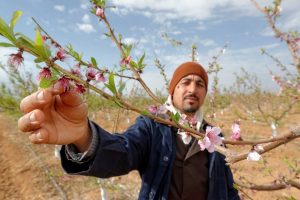
2019 Rural Development Report This report is based on substantive evidence and attempts to provide the kind of analysis that can inform policies, programmes and investments to promote a rural transformation that is inclusive of youth. It examines who rural youth are, where they live, and the multiple constraints they face in their journey from dependence to independence.

A distinguishing feature of this report is that it examines rural development in the context of the transformation of rural areas and the wider economy. Opportunities for young women and men begin with a transformation towards a dynamic rural economy. These opportunities depend on the national, rural and household settings in which young people reside. Only by understanding these multiple layers can governments and decision makers design effective policies and investments to enable young rural women and men to become productive and connected individuals who are in charge of their own future.
Subject Tags:

Rural development

Slug
rural-development
Identifier
152

Rural employment

Slug
rural-employment
Identifier
670

Youth

Slug
youth
Identifier
319
Regions:

Investing in Youth: Peru

Investing in Youth: Peru

Type:
Document
Content Type:
Investing in Youth: Peru
Language:

English

Slug
english
Identifier
skpEng
Sources:

Information is gathered from other international organizations that promote skills development and the transition from education and training to work. The Interagency Group on Technical and Vocational Education and Training (IAG-TVET) was established in 2009 to share research findings, coordinate joint research endeavours, and improve collaboration among organizations working at the international and national levels.

Thumbnail
Identifier
skpIntOrg
Slug
international-organizations
Topics:

Youth employability

Thumbnail

Globally, nearly 68 million young women and men are looking for and available for work,  and an estimated 123 million young people are working but living in poverty. The number who are not in employment, education or training (NEET) stands at 267 million, a majority of whom are young women. Significantly, young people are three times as likely as adults (25 years and older) to be unemployed.

Skills development is a primary means of enabling young people to make a smooth transition to work. A comprehensive approach is required to integrate young women and men in the labour market, including relevant and quality skills training, labour market information, career guidance and employment services, recognition of prior learning, incorporating entrepreneurship with training and effective skills forecasting. Improved basic education and core work skills are particularly important to enable youth to engage in lifelong learning as well as transition to the labour market. 

Identifier
skpYoEmp
Slug
youth-employability
Knowledge Products:

National policies and initiatives

National legislation, policies and initiatives on the issue of training and skills development and the world of work. 

Thumbnail
Identifier
skpNatPol
Slug
national-policies-and-initiatives
Publication Date:
28 May 2019

Part of the series 'Investing in Youth'

The series Investing in Youth builds on the expertise of the OECD on youth employment, social support and skills. It covers both OECD countries and countries in the process of accession to the OECD, as well as some emerging economies.

The report provides a detailed diagnosis of youth policies in the areas of social, employment, education and training policies. Its main focus is on young people who are not in employment, education or training (the 'NEETs').

Earlier reviews in the same series have looked at youth policies in Brazil (2014), Latvia and Tunisia (2015), Australia, Lithuania and Sweden (2016), Japan (2017), and Norway (2018).

https://doi.org/10.1787/9789264305823-en

Subject Tags:

Skills and training policy

Slug
skills-and-training-policy
Identifier
666

Youth

Slug
youth
Identifier
319
Regions:

Americas

Region Image
Countries and territories:

Future Policy Award 2019 - Call for Nominations

Future Policy Award 2019 - Call for Nominations

Type:
Document
Content Type:
Future Policy Award 2019 - Call for Nominations
Language:

English

Slug
english
Identifier
skpEng
Sources:

Information is gathered from other international organizations that promote skills development and the transition from education and training to work. The Interagency Group on Technical and Vocational Education and Training (IAG-TVET) was established in 2009 to share research findings, coordinate joint research endeavours, and improve collaboration among organizations working at the international and national levels.

Thumbnail
Identifier
skpIntOrg
Slug
international-organizations
Topics:

Youth employability

Thumbnail

Globally, nearly 68 million young women and men are looking for and available for work,  and an estimated 123 million young people are working but living in poverty. The number who are not in employment, education or training (NEET) stands at 267 million, a majority of whom are young women. Significantly, young people are three times as likely as adults (25 years and older) to be unemployed.

Skills development is a primary means of enabling young people to make a smooth transition to work. A comprehensive approach is required to integrate young women and men in the labour market, including relevant and quality skills training, labour market information, career guidance and employment services, recognition of prior learning, incorporating entrepreneurship with training and effective skills forecasting. Improved basic education and core work skills are particularly important to enable youth to engage in lifelong learning as well as transition to the labour market. 

Identifier
skpYoEmp
Slug
youth-employability
Knowledge Products:

Other knowledge products

Thumbnail
Identifier
skpOProduct
Slug
other-knowledge-products
Publication Date:
21 May 2019
World Future Council, UNDP and the Inter-Parliamentary Union, with the support of the ILO, Youth Policy Labs and the Office of the UN Secretary-General's Envoy on Youth kick off a global call for nominations to identify and honour the world’s most successful policies enabling youth empowerment.

The award will highlight policies that advance the economic empowerment of young people in decent and sustainable jobs, for instance, youth skills development programmes that pave the way for youth to build the green economy we need. It also seeks to identify youth entrepreneurship or programmes targeting marginalized groups, including women, as well as policy and legislative frameworks that enable more civic engagement and political participation of youth.
Subject Tags:

Youth

Slug
youth
Identifier
319
Regions:

Now open: Nominations for Future Policy Award

Now open: Nominations for Future Policy Award

Kind:
Event
Start Date:
08 Apr 2019
End Date:
17 Jun 2026
Event Location:
Worldwide
EventType:
Language:

English

Slug
english
Identifier
skpEng
Language Version:
--
Sources:

Information is gathered from other international organizations that promote skills development and the transition from education and training to work. The Interagency Group on Technical and Vocational Education and Training (IAG-TVET) was established in 2009 to share research findings, coordinate joint research endeavours, and improve collaboration among organizations working at the international and national levels.

Thumbnail
Identifier
skpIntOrg
Slug
international-organizations
Topics:

Youth employability

Thumbnail

Globally, nearly 68 million young women and men are looking for and available for work,  and an estimated 123 million young people are working but living in poverty. The number who are not in employment, education or training (NEET) stands at 267 million, a majority of whom are young women. Significantly, young people are three times as likely as adults (25 years and older) to be unemployed.

Skills development is a primary means of enabling young people to make a smooth transition to work. A comprehensive approach is required to integrate young women and men in the labour market, including relevant and quality skills training, labour market information, career guidance and employment services, recognition of prior learning, incorporating entrepreneurship with training and effective skills forecasting. Improved basic education and core work skills are particularly important to enable youth to engage in lifelong learning as well as transition to the labour market. 

Identifier
skpYoEmp
Slug
youth-employability
Knowledge Products:

The World Future Council, the United Nations Development Programme (UNDP) and the Inter-Parliamentary Union (IPU), with the support of the Office of the UN Secretary-General's Envoy on Youth, the International Labour Organization (ILO) and Youth Policy Labs kick off a global call for nominations to identify and honour the world’s most successful policies enabling youth empowerment.

Every year, the most visionary policies tackling humankind’s most pressing challenges are celebrated through the Future Policy Award (FPA), the only global award that recognises policies for the benefit of present and future generations. The World Future Council has awarded this annual prize since 2010 in partnership with UN agencies and the IPU. The topic of Future Policy Award 2019 is youth empowerment, which is critical to achieve the Agenda 2030 and address key sustainable development and justice challenges.

The award will highlight policies that advance the economic empowerment of young people in decent and sustainable jobs, for instance, youth skills development programmes that pave the way for youth to build the green economy we need. It also seeks to identify youth entrepreneurship or programmes targeting marginalized groups, including women, as well as policy and legislative frameworks that enable more civic engagement and political participation of youth.

The nominations are open until the 31st May. For further information click on the link below.

Subject Tags:

Youth

Slug
youth
Identifier
319
Regions:
Countries and territories:
Economic groups:
--

The Future of Work and Youth

The Future of Work and Youth

Type:
Document
Content Type:
The Future of Work and Youth
Language:

English

Slug
english
Identifier
skpEng
Sources:

Other sources

Experts from many international, regional and national agencies generously share their views, experiences and findings on skills, helping policy-makers among other stakeholders to understand the linkages between education, training and the world of work, and how to integrate skills into national development planning to promote employment and economic growth.

Thumbnail
Identifier
skpOSource
Slug
other-sources
Topics:

Youth employability

Thumbnail

Globally, nearly 68 million young women and men are looking for and available for work,  and an estimated 123 million young people are working but living in poverty. The number who are not in employment, education or training (NEET) stands at 267 million, a majority of whom are young women. Significantly, young people are three times as likely as adults (25 years and older) to be unemployed.

Skills development is a primary means of enabling young people to make a smooth transition to work. A comprehensive approach is required to integrate young women and men in the labour market, including relevant and quality skills training, labour market information, career guidance and employment services, recognition of prior learning, incorporating entrepreneurship with training and effective skills forecasting. Improved basic education and core work skills are particularly important to enable youth to engage in lifelong learning as well as transition to the labour market. 

Identifier
skpYoEmp
Slug
youth-employability
Knowledge Products:

Research papers

Working papers, reports, and other publications from international organizations, academic institutions and bilateral agencies. Research findings to stimulate informed debate on skills, employment and productivity issues. 

Thumbnail
Identifier
skpRPS
Slug
research-papers
Publication Date:
05 Mar 2019
The world of work is changing, shaped by four global megatrends: globalisation, climate change, demographic changes, and technological advancements. Each megatrend brings its own unique challenges for young people and the future of work, as well as some opportunities. With the potential of these megatrends to shape the type of work that is required, the type of work that is available, and who undertakes it and how, there is a need to reflect on the role and value of work in society and in people’s lives.
Subject Tags:

Social protection

Slug
social-protection
Identifier
101

Youth

Slug
youth
Identifier
319
Regions:

ILO-IFAD Taqeem Initiative

ILO-IFAD Taqeem Initiative

Type:
Document
Content Type:
ILO-IFAD Taqeem Initiative
Language:

English

Slug
english
Identifier
skpEng
Sources:

ILO

The International Labour Organization is the tripartite U.N. agency that promotes Decent Work through employment, social security, labour standards and social dialogue. Its work on skills development is guided by the conceptual framework on Skills to improve productivity, employment growth, and development agreed in 2008 by representatives of Governments, Employers’ Associations and Workers’ Associations. Research, policy advice, and pilot projects and technical cooperation programmes to apply good practices in different circumstances across its 185 member States aims to boost the employability of workers, the productivity and competitiveness of enterprises, and the inclusiveness of economic growth. The ILO Secretariat in offices in 40 countries works with Ministries of Labour, employers’ organizations, and trade unions to integrate skills development into national and sector development strategies in order to better meet current labour market needs and to prepare for the jobs of the future; to expand access to employment-related training so that youth, persons with disabilities and other vulnerable groups are better able to acquire skills and secure productive and decent work; and to improve the ability of public employment services to provide career guidance, maintain labour exchange services, and deliver active labour market programmes.For more information regarding the ILO’s work on skills and employability go to: http://www.ilo.org/skills/lang--en/index.htm; for ILO/Cinterfor's Knowledge Management Plarform, see: http://www.oitcinterfor.org

Thumbnail
Identifier
skpILO
Slug
ilo

Other sources

Experts from many international, regional and national agencies generously share their views, experiences and findings on skills, helping policy-makers among other stakeholders to understand the linkages between education, training and the world of work, and how to integrate skills into national development planning to promote employment and economic growth.

Thumbnail
Identifier
skpOSource
Slug
other-sources
Topics:

Youth employability

Thumbnail

Globally, nearly 68 million young women and men are looking for and available for work,  and an estimated 123 million young people are working but living in poverty. The number who are not in employment, education or training (NEET) stands at 267 million, a majority of whom are young women. Significantly, young people are three times as likely as adults (25 years and older) to be unemployed.

Skills development is a primary means of enabling young people to make a smooth transition to work. A comprehensive approach is required to integrate young women and men in the labour market, including relevant and quality skills training, labour market information, career guidance and employment services, recognition of prior learning, incorporating entrepreneurship with training and effective skills forecasting. Improved basic education and core work skills are particularly important to enable youth to engage in lifelong learning as well as transition to the labour market. 

Identifier
skpYoEmp
Slug
youth-employability
Knowledge Products:

Promotional material

Presentations, discussion papers, meeting reports, promotional materials, videos, fact sheets, brochures and newsletters on skills development for employment.

Thumbnail
Identifier
skpAIM
Slug
promotional-material
Publication Date:
05 Feb 2019
Evidence to improve youth and women’s rural employment in the Middle East and North Africa. This brochure presents the main achievements of the 'Taqeem Initiative' and serves as a reference for readers to access the tools, technical resources and evidence produced under the project. Taqeem is a partnership between IFAD’s Near East and North Africa Division and ILO’s Youth Employment Programme which began in 2015. The jointly financed three-year partnership was dedicated to strengthening gender monitoring and evaluation in rural employment in the Middle East and North Africa.
Subject Tags:

Women

Slug
women
Identifier
318

Youth

Slug
youth
Identifier
319
Regions:

Africa

Region Image








