Participation of employers' and workers' organizations

Thumbnail

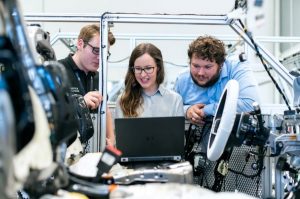
The world of learning and the world of work are separate but linked. While one involves learning, the other produces goods and services. Neither can thrive without the other. Strong partnerships between government, employers and workers help ensure the relevance of training to the changing needs of enterprises and labour markets. 

Identifier
skpPSP
Slug
participation-of-employers-and-workers-organizations

A skills beyond school review of Korea

A skills beyond school review of Korea

Type:
Document
Content Type:
A skills beyond school review of Korea
Language:

English

Slug
english
Identifier
skpEng
Sources:

Information is gathered from other international organizations that promote skills development and the transition from education and training to work. The Interagency Group on Technical and Vocational Education and Training (IAG-TVET) was established in 2009 to share research findings, coordinate joint research endeavours, and improve collaboration among organizations working at the international and national levels.

Thumbnail
Identifier
skpIntOrg
Slug
international-organizations
Topics:

Career guidance and employment services

Thumbnail

Career guidance and counselling, career education and lifelong development of skills for employability are key for success in learning activities, effective career transitions, livelihood planning, entrepreneurship and in increasing labour market participation. They are instrumental in promoting skills utilization, recognition (RPL), as well as in improving enterprise human resource management.

Career development activities encompass a wide variety of support activities including career information and advice, counselling, work exposure (e.g. job shadowing, work experience periods), assessment, coaching, mentoring, professional networking, advocacy, basic and employability skills training (curricular and non-curricular) and entrepreneurship training. It is often an area which is fragmented across different ministries (e.g. education, TVET, employment, youth) requiring an effort to achieve the necessary coordination to provide adequate support to individuals during learning, employment and unemployment/inactivity periods.
 

Identifier
skpLMIES
Slug
career-guidance-and-employment-services

Participation of employers' and workers' organizations

Thumbnail

The world of learning and the world of work are separate but linked. While one involves learning, the other produces goods and services. Neither can thrive without the other. Strong partnerships between government, employers and workers help ensure the relevance of training to the changing needs of enterprises and labour markets. 

Identifier
skpPSP
Slug
participation-of-employers-and-workers-organizations

Training quality and relevance

Thumbnail
Identifier
skpTrainQR
Slug
training-quality-and-relevance
Knowledge Products:

Research papers

Working papers, reports, and other publications from international organizations, academic institutions and bilateral agencies. Research findings to stimulate informed debate on skills, employment and productivity issues. 

Thumbnail
Identifier
skpRPS
Slug
research-papers
Publication Date:
26 Jun 2014
OECD Reviews of Vocational Education and Training In Korea most young people commence secondary education at either a general, non-specialist high school or at a vocational high school. Upon the completion of secondary education, many students take the Korean Scholastic Aptitude Test (KSAT) which determines the type of postsecondary institution and vocational education and training (VET) to which they would be eligible. Given the economic and technological progress within Korea, concerns abound regarding the appropriateness of training programmes to labour market needs, programme funding, and the need for more engagement between employers and unions. This Report seeks to address these and other issues.
Subject Tags:

Qualification frameworks

Slug
qualification-frameworks
Identifier
651

Skills indicators

Slug
skills-indicators
Identifier
653

Skills mismatch

Slug
skills-mismatch
Identifier
654

Vocational training

Slug
vocational-training
Identifier
124
Regions:
Countries and territories:

Descripción general de los sistemas de apprendizaje y sus problemas

Descripción general de los sistemas de apprendizaje y sus problemas

Type:
Document
Content Type:
Descripción general de los sistemas de apprendizaje y sus problemas
Language:

Spanish

Slug
spanish
Identifier
skpEsp
Sources:

ILO

The International Labour Organization is the tripartite U.N. agency that promotes Decent Work through employment, social security, labour standards and social dialogue. Its work on skills development is guided by the conceptual framework on Skills to improve productivity, employment growth, and development agreed in 2008 by representatives of Governments, Employers’ Associations and Workers’ Associations. Research, policy advice, and pilot projects and technical cooperation programmes to apply good practices in different circumstances across its 185 member States aims to boost the employability of workers, the productivity and competitiveness of enterprises, and the inclusiveness of economic growth. The ILO Secretariat in offices in 40 countries works with Ministries of Labour, employers’ organizations, and trade unions to integrate skills development into national and sector development strategies in order to better meet current labour market needs and to prepare for the jobs of the future; to expand access to employment-related training so that youth, persons with disabilities and other vulnerable groups are better able to acquire skills and secure productive and decent work; and to improve the ability of public employment services to provide career guidance, maintain labour exchange services, and deliver active labour market programmes.For more information regarding the ILO’s work on skills and employability go to: http://www.ilo.org/skills/lang--en/index.htm; for ILO/Cinterfor's Knowledge Management Plarform, see: http://www.oitcinterfor.org

Thumbnail
Identifier
skpILO
Slug
ilo
Topics:

Apprenticeships

Thumbnail

Quality apprenticeships based on robust social dialogue and public-private partnerships can improve employment prospects for young people while developing high level skills identified by employers as necessary for growth and increased productivity. Both informal and regulated apprenticeship systems are important learning resources enabling young people to overcome the work-inexperience trap, gain new and enhanced skills and recognized qualifications.

Upgrading informal apprenticeships and expanding regulated ones is a cost-effective way to invest in a country’s skills base, promote economic growth and enhance the employability of youth.

Identifier
skpAppren
Slug
apprenticeships

Participation of employers' and workers' organizations

Thumbnail

The world of learning and the world of work are separate but linked. While one involves learning, the other produces goods and services. Neither can thrive without the other. Strong partnerships between government, employers and workers help ensure the relevance of training to the changing needs of enterprises and labour markets. 

Identifier
skpPSP
Slug
participation-of-employers-and-workers-organizations

Youth employability

Thumbnail

Globally, nearly 68 million young women and men are looking for and available for work,  and an estimated 123 million young people are working but living in poverty. The number who are not in employment, education or training (NEET) stands at 267 million, a majority of whom are young women. Significantly, young people are three times as likely as adults (25 years and older) to be unemployed.

Skills development is a primary means of enabling young people to make a smooth transition to work. A comprehensive approach is required to integrate young women and men in the labour market, including relevant and quality skills training, labour market information, career guidance and employment services, recognition of prior learning, incorporating entrepreneurship with training and effective skills forecasting. Improved basic education and core work skills are particularly important to enable youth to engage in lifelong learning as well as transition to the labour market. 

Identifier
skpYoEmp
Slug
youth-employability
Knowledge Products:

International standards

International conventions and recommendations and other international instruments on human resource and skills development. Strategy papers on the practical application of international standards from international organizations covering issues related to training, effective utilization and development of skills, and on linking skills to employment.

Thumbnail
Identifier
skpISSP
Slug
international-standards

Research papers

Working papers, reports, and other publications from international organizations, academic institutions and bilateral agencies. Research findings to stimulate informed debate on skills, employment and productivity issues. 

Thumbnail
Identifier
skpRPS
Slug
research-papers
Publication Date:
05 Jun 2014

Contribución de la OIT al Grupo de Trabajo sobre Empleo, del G-20

En la presente monografía, preparada por encargo de la Organización Internacional del Trabajo (OIT), se examinan tanto el aprendizaje informal como el aprendizaje oficial y sus ventajas respectivas en lo que atañe a las perspectivas de empleo de los jóvenes, sobre todo en el caso de los sistemas oficiales. Luego, se describen las condiciones necesarias para el desarrollo del aprendizaje, sobre la base de ejemplos obtenidos de la experiencia de varios países del G-20. En particular, se examinan las funciones y responsabilidades de los principales actores que intervienen en el aprendizaje oficial. La monografía termina con las conclusiones y las enseñanzas extraídas del análisis de la situación del aprendizaje en distintos países.

Subject Tags:

Apprenticeships

Slug
apprenticeships
Identifier
639

Education and training

Slug
education-and-training
Identifier
116

Employability

Slug
employability
Identifier
643

G20

Slug
g20
Identifier
669

Internships

Slug
internships
Identifier
648

Public private partnerships

Slug
public-private-partnerships
Identifier
138

School-to-work transition

Slug
school-to-work-transition
Identifier
652

Skills upgrading

Slug
skills-upgrading
Identifier
657

Transferable skills

Slug
transferable-skills
Identifier
660

Youth

Slug
youth
Identifier
319
Regions:

Learning and Knowledge Development Facility (LKDF)

Learning and Knowledge Development Facility (LKDF)

Type:
Document
Content Type:
Learning and Knowledge Development Facility (LKDF)
Language:

English

Slug
english
Identifier
skpEng
Sources:

Employers' organizations

Employers invest in training in order to improve productivity, innovate and adopt new technologies, and compete in changing markets. Case studies and research from individual employers and associations of employers on the Global KSP deal with apprenticeship and workplace skills provision, quality assurance and governance of training institutions, and employers’ roles in anticipating skill needs and in influencing national and sector policies on skills development.

Thumbnail
Identifier
skpEmp
Slug
employers-organizations

Information is gathered from other international organizations that promote skills development and the transition from education and training to work. The Interagency Group on Technical and Vocational Education and Training (IAG-TVET) was established in 2009 to share research findings, coordinate joint research endeavours, and improve collaboration among organizations working at the international and national levels.

Thumbnail
Identifier
skpIntOrg
Slug
international-organizations
Topics:

Participation of employers' and workers' organizations

Thumbnail

The world of learning and the world of work are separate but linked. While one involves learning, the other produces goods and services. Neither can thrive without the other. Strong partnerships between government, employers and workers help ensure the relevance of training to the changing needs of enterprises and labour markets. 

Identifier
skpPSP
Slug
participation-of-employers-and-workers-organizations

Training quality and relevance

Thumbnail
Identifier
skpTrainQR
Slug
training-quality-and-relevance
Knowledge Products:

Case studies and good practices

Case studies that document good practices and illustrate the benefits and lessons learnt of particular approaches or methods in real practice. 

Thumbnail
Identifier
skpCaseStdy
Slug
case-studies-and-good-practices

National policies and initiatives

National legislation, policies and initiatives on the issue of training and skills development and the world of work. 

Thumbnail
Identifier
skpNatPol
Slug
national-policies-and-initiatives
Publication Date:
26 May 2014
The LKDF aims to promote industrial skills among young people in developing countries through Public-Private Development Partnerships. The Facility's website features case studies and lessons learned from this type of collaboration.
Subject Tags:

Employability

Slug
employability
Identifier
643

Public private partnerships

Slug
public-private-partnerships
Identifier
138

Skills and training policy

Slug
skills-and-training-policy
Identifier
666

TVET systems

Slug
tvet-systems
Identifier
661
Regions:

Overview of apprenticeship systems and issues

Overview of apprenticeship systems and issues

Type:
Document
Content Type:
Overview of apprenticeship systems and issues
Language:

English

Slug
english
Identifier
skpEng
Sources:

ILO

The International Labour Organization is the tripartite U.N. agency that promotes Decent Work through employment, social security, labour standards and social dialogue. Its work on skills development is guided by the conceptual framework on Skills to improve productivity, employment growth, and development agreed in 2008 by representatives of Governments, Employers’ Associations and Workers’ Associations. Research, policy advice, and pilot projects and technical cooperation programmes to apply good practices in different circumstances across its 185 member States aims to boost the employability of workers, the productivity and competitiveness of enterprises, and the inclusiveness of economic growth. The ILO Secretariat in offices in 40 countries works with Ministries of Labour, employers’ organizations, and trade unions to integrate skills development into national and sector development strategies in order to better meet current labour market needs and to prepare for the jobs of the future; to expand access to employment-related training so that youth, persons with disabilities and other vulnerable groups are better able to acquire skills and secure productive and decent work; and to improve the ability of public employment services to provide career guidance, maintain labour exchange services, and deliver active labour market programmes.For more information regarding the ILO’s work on skills and employability go to: http://www.ilo.org/skills/lang--en/index.htm; for ILO/Cinterfor's Knowledge Management Plarform, see: http://www.oitcinterfor.org

Thumbnail
Identifier
skpILO
Slug
ilo
Topics:

Participation of employers' and workers' organizations

Thumbnail

The world of learning and the world of work are separate but linked. While one involves learning, the other produces goods and services. Neither can thrive without the other. Strong partnerships between government, employers and workers help ensure the relevance of training to the changing needs of enterprises and labour markets. 

Identifier
skpPSP
Slug
participation-of-employers-and-workers-organizations

Youth employability

Thumbnail

Globally, nearly 68 million young women and men are looking for and available for work,  and an estimated 123 million young people are working but living in poverty. The number who are not in employment, education or training (NEET) stands at 267 million, a majority of whom are young women. Significantly, young people are three times as likely as adults (25 years and older) to be unemployed.

Skills development is a primary means of enabling young people to make a smooth transition to work. A comprehensive approach is required to integrate young women and men in the labour market, including relevant and quality skills training, labour market information, career guidance and employment services, recognition of prior learning, incorporating entrepreneurship with training and effective skills forecasting. Improved basic education and core work skills are particularly important to enable youth to engage in lifelong learning as well as transition to the labour market. 

Identifier
skpYoEmp
Slug
youth-employability
Knowledge Products:

International standards

International conventions and recommendations and other international instruments on human resource and skills development. Strategy papers on the practical application of international standards from international organizations covering issues related to training, effective utilization and development of skills, and on linking skills to employment.

Thumbnail
Identifier
skpISSP
Slug
international-standards

Research papers

Working papers, reports, and other publications from international organizations, academic institutions and bilateral agencies. Research findings to stimulate informed debate on skills, employment and productivity issues. 

Thumbnail
Identifier
skpRPS
Slug
research-papers
Publication Date:
21 May 2014
ILO contribution to the G20 Task Force on Employment The paper, commissioned by the ILO, examines both informal and regulated apprenticeship and their advantages for the employment prospects of young people, in particular in regulated systems. It then sets out the conditions necessary for the development of apprenticeship, drawing on examples from a number of G20 countries. The roles and responsibilities of the principal agents involved in regulated apprenticeship are examined and the paper ends with conclusions and lessons drawn from the cross-country analysis.
Subject Tags:

Apprenticeships

Slug
apprenticeships
Identifier
639

Employability

Slug
employability
Identifier
643

G20

Slug
g20
Identifier
669

Internships

Slug
internships
Identifier
648

Public private partnerships

Slug
public-private-partnerships
Identifier
138

School-to-work transition

Slug
school-to-work-transition
Identifier
652

Skills upgrading

Slug
skills-upgrading
Identifier
657

Transferable skills

Slug
transferable-skills
Identifier
660

Youth

Slug
youth
Identifier
319
Regions:

Feasibility study for a global business network on apprenticeship

Feasibility study for a global business network on apprenticeship

Type:
Document
Content Type:
Feasibility study for a global business network on apprenticeship
Language:

English

Slug
english
Identifier
skpEng
Sources:

ILO

The International Labour Organization is the tripartite U.N. agency that promotes Decent Work through employment, social security, labour standards and social dialogue. Its work on skills development is guided by the conceptual framework on Skills to improve productivity, employment growth, and development agreed in 2008 by representatives of Governments, Employers’ Associations and Workers’ Associations. Research, policy advice, and pilot projects and technical cooperation programmes to apply good practices in different circumstances across its 185 member States aims to boost the employability of workers, the productivity and competitiveness of enterprises, and the inclusiveness of economic growth. The ILO Secretariat in offices in 40 countries works with Ministries of Labour, employers’ organizations, and trade unions to integrate skills development into national and sector development strategies in order to better meet current labour market needs and to prepare for the jobs of the future; to expand access to employment-related training so that youth, persons with disabilities and other vulnerable groups are better able to acquire skills and secure productive and decent work; and to improve the ability of public employment services to provide career guidance, maintain labour exchange services, and deliver active labour market programmes.For more information regarding the ILO’s work on skills and employability go to: http://www.ilo.org/skills/lang--en/index.htm; for ILO/Cinterfor's Knowledge Management Plarform, see: http://www.oitcinterfor.org

Thumbnail
Identifier
skpILO
Slug
ilo
Topics:

Participation of employers' and workers' organizations

Thumbnail

The world of learning and the world of work are separate but linked. While one involves learning, the other produces goods and services. Neither can thrive without the other. Strong partnerships between government, employers and workers help ensure the relevance of training to the changing needs of enterprises and labour markets. 

Identifier
skpPSP
Slug
participation-of-employers-and-workers-organizations

Youth employability

Thumbnail

Globally, nearly 68 million young women and men are looking for and available for work,  and an estimated 123 million young people are working but living in poverty. The number who are not in employment, education or training (NEET) stands at 267 million, a majority of whom are young women. Significantly, young people are three times as likely as adults (25 years and older) to be unemployed.

Skills development is a primary means of enabling young people to make a smooth transition to work. A comprehensive approach is required to integrate young women and men in the labour market, including relevant and quality skills training, labour market information, career guidance and employment services, recognition of prior learning, incorporating entrepreneurship with training and effective skills forecasting. Improved basic education and core work skills are particularly important to enable youth to engage in lifelong learning as well as transition to the labour market. 

Identifier
skpYoEmp
Slug
youth-employability
Knowledge Products:

Research papers

Working papers, reports, and other publications from international organizations, academic institutions and bilateral agencies. Research findings to stimulate informed debate on skills, employment and productivity issues. 

Thumbnail
Identifier
skpRPS
Slug
research-papers
Publication Date:
29 Jan 2014
There is a growing interest in apprenticeship in the business world due to its potential to make a meaningful contribution to resolving the youth employment crisis and the prospect of developing a well-trained and productive workforce. In response to the interest expressed by business leaders, the ILO, in collaboration with the International Employers Organization, conducted a feasibility study to explore options for developing a global business network on apprenticeships for youth employment.

The research gathered information from businesses about their current apprenticeship programmes and sought their views on how an international network could be valuable to them. This field work was carried out in six countries: Argentina, India, Germany, South Africa, Turkey, and the United Kingdom. On the basis of information and experience collected from businesses and other interested parties in selected sectors and countries, the study documented country apprenticeship practices, explored the expected mandate and objectives of this network, identified the types of services that would be valued, ascertained the possible degree of commitment of potential members, and examined options for the network’s governance structure and viable financing mechanisms.
Subject Tags:

Apprenticeships

Slug
apprenticeships
Identifier
639

Private sector

Slug
private-sector
Identifier
229

Vocational training

Slug
vocational-training
Identifier
124
Regions:

Africa

Region Image

Americas

Region Image

Changing the pace: CBI/Pearson education and skills survey 2013

Changing the pace: CBI/Pearson education and skills survey 2013

Type:
Document
Content Type:
Changing the pace: CBI/Pearson education and skills survey 2013
Language:

English

Slug
english
Identifier
skpEng
Sources:

Other sources

Experts from many international, regional and national agencies generously share their views, experiences and findings on skills, helping policy-makers among other stakeholders to understand the linkages between education, training and the world of work, and how to integrate skills into national development planning to promote employment and economic growth.

Thumbnail
Identifier
skpOSource
Slug
other-sources
Topics:

Participation of employers' and workers' organizations

Thumbnail

The world of learning and the world of work are separate but linked. While one involves learning, the other produces goods and services. Neither can thrive without the other. Strong partnerships between government, employers and workers help ensure the relevance of training to the changing needs of enterprises and labour markets. 

Identifier
skpPSP
Slug
participation-of-employers-and-workers-organizations
Knowledge Products:

Research papers

Working papers, reports, and other publications from international organizations, academic institutions and bilateral agencies. Research findings to stimulate informed debate on skills, employment and productivity issues. 

Thumbnail
Identifier
skpRPS
Slug
research-papers
Publication Date:
23 Apr 2014
This publication presents the findings from the sixth CBI education and skills survey, run in partnership with Pearson. The survey received responses from 294 firms in the public and private sectors, which employ 1.24 million workers in the UK. It presents the perspectives of employers on the skills challenges that the UK faces and the role that employers play to address these.
Subject Tags:

Enterprises

Slug
enterprises
Identifier
175

Skills and training policy

Slug
skills-and-training-policy
Identifier
666

Skills mismatch

Slug
skills-mismatch
Identifier
654
Regions:

The Coca-Cola Company’s 5by20 Initiative: Empowering Women Entrepreneurs across the Value Chain

The Coca-Cola Company’s 5by20 Initiative: Empowering Women Entrepreneurs across the Value Chain

Type:
Document
Content Type:
The Coca-Cola Company’s 5by20 Initiative: Empowering Women Entrepreneurs across the Value Chain
Language:

English

Slug
english
Identifier
skpEng
Sources:

Employers' organizations

Employers invest in training in order to improve productivity, innovate and adopt new technologies, and compete in changing markets. Case studies and research from individual employers and associations of employers on the Global KSP deal with apprenticeship and workplace skills provision, quality assurance and governance of training institutions, and employers’ roles in anticipating skill needs and in influencing national and sector policies on skills development.

Thumbnail
Identifier
skpEmp
Slug
employers-organizations

Other sources

Experts from many international, regional and national agencies generously share their views, experiences and findings on skills, helping policy-makers among other stakeholders to understand the linkages between education, training and the world of work, and how to integrate skills into national development planning to promote employment and economic growth.

Thumbnail
Identifier
skpOSource
Slug
other-sources
Topics:

Participation of employers' and workers' organizations

Thumbnail

The world of learning and the world of work are separate but linked. While one involves learning, the other produces goods and services. Neither can thrive without the other. Strong partnerships between government, employers and workers help ensure the relevance of training to the changing needs of enterprises and labour markets. 

Identifier
skpPSP
Slug
participation-of-employers-and-workers-organizations
Knowledge Products:

Research papers

Working papers, reports, and other publications from international organizations, academic institutions and bilateral agencies. Research findings to stimulate informed debate on skills, employment and productivity issues. 

Thumbnail
Identifier
skpRPS
Slug
research-papers
Publication Date:
23 Apr 2014
This report is part of a series focused on the role companies play – often in partnership with governments, non-governmental organizations, donors, and other companies – in expanding economic opportunity and choice. The report focuses on The Coca-Cola Company’s 5by20 initiative, which aims to improve the economic empowerment of five million women entrepreneurs within the Company’s global value chain by 2020.
Subject Tags:

Employers

Slug
employers
Identifier
672

Enterprises

Slug
enterprises
Identifier
175

Entrepreneurship

Slug
entrepreneurship
Identifier
182

Women

Slug
women
Identifier
318
Regions:

Apprenticeships and Workplace Learning

Apprenticeships and Workplace Learning

Type:
Document
Content Type:
Apprenticeships and Workplace Learning
Language:

English

Slug
english
Identifier
skpEng
Sources:

Information is gathered from other international organizations that promote skills development and the transition from education and training to work. The Interagency Group on Technical and Vocational Education and Training (IAG-TVET) was established in 2009 to share research findings, coordinate joint research endeavours, and improve collaboration among organizations working at the international and national levels.

Thumbnail
Identifier
skpIntOrg
Slug
international-organizations
Topics:

Participation of employers' and workers' organizations

Thumbnail

The world of learning and the world of work are separate but linked. While one involves learning, the other produces goods and services. Neither can thrive without the other. Strong partnerships between government, employers and workers help ensure the relevance of training to the changing needs of enterprises and labour markets. 

Identifier
skpPSP
Slug
participation-of-employers-and-workers-organizations
Knowledge Products:

Other knowledge products

Thumbnail
Identifier
skpOProduct
Slug
other-knowledge-products
Publication Date:
08 Apr 2014
OECD Skills Strategy Spotlight Series No. 3 This OECD Skills Strategy Spotlight sets out how apprenticeships and other forms of workplace learning help people to make a successful transition from school to work, the most important practices for effective apprenticeships and the challenges often encountered.
Subject Tags:

School-to-work transition

Slug
school-to-work-transition
Identifier
652
Regions:

21st Century Skills and the Age of Responsibility

21st Century Skills and the Age of Responsibility

Type:
Document
Content Type:
21st Century Skills and the Age of Responsibility
Language:

English

Slug
english
Identifier
skpEng
Sources:

ILO

The International Labour Organization is the tripartite U.N. agency that promotes Decent Work through employment, social security, labour standards and social dialogue. Its work on skills development is guided by the conceptual framework on Skills to improve productivity, employment growth, and development agreed in 2008 by representatives of Governments, Employers’ Associations and Workers’ Associations. Research, policy advice, and pilot projects and technical cooperation programmes to apply good practices in different circumstances across its 185 member States aims to boost the employability of workers, the productivity and competitiveness of enterprises, and the inclusiveness of economic growth. The ILO Secretariat in offices in 40 countries works with Ministries of Labour, employers’ organizations, and trade unions to integrate skills development into national and sector development strategies in order to better meet current labour market needs and to prepare for the jobs of the future; to expand access to employment-related training so that youth, persons with disabilities and other vulnerable groups are better able to acquire skills and secure productive and decent work; and to improve the ability of public employment services to provide career guidance, maintain labour exchange services, and deliver active labour market programmes.For more information regarding the ILO’s work on skills and employability go to: http://www.ilo.org/skills/lang--en/index.htm; for ILO/Cinterfor's Knowledge Management Plarform, see: http://www.oitcinterfor.org

Thumbnail
Identifier
skpILO
Slug
ilo
Topics:

Participation of employers' and workers' organizations

Thumbnail

The world of learning and the world of work are separate but linked. While one involves learning, the other produces goods and services. Neither can thrive without the other. Strong partnerships between government, employers and workers help ensure the relevance of training to the changing needs of enterprises and labour markets. 

Identifier
skpPSP
Slug
participation-of-employers-and-workers-organizations

Training quality and relevance

Thumbnail
Identifier
skpTrainQR
Slug
training-quality-and-relevance
Knowledge Products:

Other knowledge products

Thumbnail
Identifier
skpOProduct
Slug
other-knowledge-products
Publication Date:
02 Apr 2014
Keynote remarks by José M. Salazar-Xirinachs, Assistant Director-General for Policy at the ILO, at the “Global Trade and Development Week 2014”, Kuala Lumpur, Malaysia. In his remarks, ILO Assistant Director-General for Policy, José Manuel Salazar-Xirinachs, emphasized how skills and education need to be addressed differently today than 20 or 30 years ago. He referred to the “21 Century Skills” that involve new ways of thinking and working, a new global vision as well as new tools for working based on new information and communications technologies.

Among the key challenges highlighted by Salazar-Xirinachs is skills mismatch which partly results from the inability of the education and training system to adapt to these new realities.

Addressing the disconnects is not only a matter of public policy but also one that involves private sector engagement and responsibility, according to Salazar-Xirinachs.

He pointed out that companies should not wait at the end of the education and training pipeline for graduates with the right skills or look for new talents abroad, but should take a broader view of their workforce needs. Salazar-Xirinachs stated they should build public-private partnerships, engage pro-actively with education and training providers in order to align education with the skills needed for employment and make efforts to combine formal education and training with on the job apprenticeship opportunities.
Subject Tags:

Apprenticeships

Slug
apprenticeships
Identifier
639

Public private partnerships

Slug
public-private-partnerships
Identifier
138

Skills mismatch

Slug
skills-mismatch
Identifier
654
Regions:

Towards a European quality framework for apprenticeships: Best practices and trade union contributions

Towards a European quality framework for apprenticeships: Best practices and trade union contributions

Type:
Document
Content Type:
Towards a European quality framework for apprenticeships: Best practices and trade union contributions
Language:

English

Slug
english
Identifier
skpEng
Sources:

Workers' organizations

Learning new skills and upgrading existing ones help workers maintain their employability and improve their standard of living. Trade unions play a key role in increasing workplace-based training opportunities. The Global KSP shares, among other resource items, case studies, good practices and research provided by trade unions that highlight their involvement in promoting training at individual workplaces, social dialogue and collective bargaining on skills issues, and participating in developing skills policies and strengthening training institutions.

Thumbnail
Identifier
skpWork
Slug
workers-organizations
Topics:

Participation of employers' and workers' organizations

Thumbnail

The world of learning and the world of work are separate but linked. While one involves learning, the other produces goods and services. Neither can thrive without the other. Strong partnerships between government, employers and workers help ensure the relevance of training to the changing needs of enterprises and labour markets. 

Identifier
skpPSP
Slug
participation-of-employers-and-workers-organizations

Youth employability

Thumbnail

Globally, nearly 68 million young women and men are looking for and available for work,  and an estimated 123 million young people are working but living in poverty. The number who are not in employment, education or training (NEET) stands at 267 million, a majority of whom are young women. Significantly, young people are three times as likely as adults (25 years and older) to be unemployed.

Skills development is a primary means of enabling young people to make a smooth transition to work. A comprehensive approach is required to integrate young women and men in the labour market, including relevant and quality skills training, labour market information, career guidance and employment services, recognition of prior learning, incorporating entrepreneurship with training and effective skills forecasting. Improved basic education and core work skills are particularly important to enable youth to engage in lifelong learning as well as transition to the labour market. 

Identifier
skpYoEmp
Slug
youth-employability
Knowledge Products:

Case studies and good practices

Case studies that document good practices and illustrate the benefits and lessons learnt of particular approaches or methods in real practice. 

Thumbnail
Identifier
skpCaseStdy
Slug
case-studies-and-good-practices

Research papers

Working papers, reports, and other publications from international organizations, academic institutions and bilateral agencies. Research findings to stimulate informed debate on skills, employment and productivity issues. 

Thumbnail
Identifier
skpRPS
Slug
research-papers
Publication Date:
05 Mar 2014
This study illustrates the contributions that trade unions are making throughout Europe to help ensure quality apprenticeship systems. It includes the cases of ten member states of the European Union: Bulgaria, Cyprus, Denmark, Estonia, Germany, Ireland, Italy, Netherlands, Spain and United Kingdom.