Skills development and recognition for domestic workers across borders
English
ILO
The International Labour Organization is the tripartite U.N. agency that promotes Decent Work through employment, social security, labour standards and social dialogue. Its work on skills development is guided by the conceptual framework on Skills to improve productivity, employment growth, and development agreed in 2008 by representatives of Governments, Employers’ Associations and Workers’ Associations. Research, policy advice, and pilot projects and technical cooperation programmes to apply good practices in different circumstances across its 185 member States aims to boost the employability of workers, the productivity and competitiveness of enterprises, and the inclusiveness of economic growth. The ILO Secretariat in offices in 40 countries works with Ministries of Labour, employers’ organizations, and trade unions to integrate skills development into national and sector development strategies in order to better meet current labour market needs and to prepare for the jobs of the future; to expand access to employment-related training so that youth, persons with disabilities and other vulnerable groups are better able to acquire skills and secure productive and decent work; and to improve the ability of public employment services to provide career guidance, maintain labour exchange services, and deliver active labour market programmes.For more information regarding the ILO’s work on skills and employability go to: http://www.ilo.org/skills/lang--en/index.htm; for ILO/Cinterfor's Knowledge Management Plarform, see: http://www.oitcinterfor.org

Gender equality
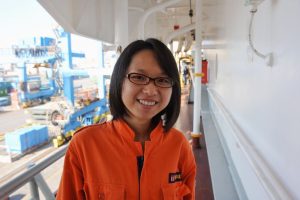
Women represent both half of the world's population – and half the world's economic potential. Their participation in the labour market reduces poverty because they often invest 90 per cent of their income in the well-being, education and nutrition of their families. Yet labour force participation by women has stagnated at about 55 per cent globally since 2010. Moreover, women are disproportionately represented in precarious work – low-paid, low-skilled and insecure jobs.
Training plays an important role in the pursuit of equality of opportunity and treatment for women and men in the world of work. Yet women often lack access to technical and vocational education and training. Many also lack the basic functional skills, such as literacy and numeracy, to participate meaningfully in the work force. Overcoming this challenge requires the adoption of a life-cycle approach. This includes improving girls’ access to basic education; overcoming logistic, economic and cultural barriers to apprenticeships and to secondary and vocational training for young women; and meeting the training needs of women re-entering the labour market and of older women who have not had equal access to opportunities for lifelong learning.
Migrant workers

According to the ILO global estimates on migrant workers, there were around 164 million migrant workers in 2017.
Migrant workers contribute to growth and development in their countries of destination, while countries of origin greatly benefit from their remittances and the skills acquired during their migration experience. Yet, many migrant workers face challenges in accessing quality training and decent jobs including under-utilization of skills, a lack of employment or training opportunities, lack of information, and exploitation of low-skilled workers.
To address these challenges, countries need to strengthen skills anticipation systems to inform migration policies, increase access to education and training, and establish bilateral or multilateral recognition of qualifications and skills.
Research papers
Working papers, reports, and other publications from international organizations, academic institutions and bilateral agencies. Research findings to stimulate informed debate on skills, employment and productivity issues.
