A lifeline to learning. Leveraging technology to support education for refugees
English
Information is gathered from other international organizations that promote skills development and the transition from education and training to work. The Interagency Group on Technical and Vocational Education and Training (IAG-TVET) was established in 2009 to share research findings, coordinate joint research endeavours, and improve collaboration among organizations working at the international and national levels.

Lifelong learning

There is a critical need for a greater overall investment in education and training, particularly in developing countries. Education and training investments should be closely linked to economic and employment growth strategies and programmes. Responsibility should be shared between the government (primary responsibility), enterprises, the social partners, and the individual. To make lifelong learning for all a reality, countries will need to make major reforms of their vocational and education and training systems. School-to-work schemes for young people should integrate education with workplace learning. Training systems need to become more flexible and responsive to rapidly changing skill requirements. Reforms should also focus on how learning can be facilitated, not just on training for specific occupational categories.
Migrant workers
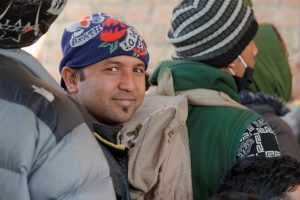
According to the ILO global estimates on migrant workers, there were around 164 million migrant workers in 2017.
Migrant workers contribute to growth and development in their countries of destination, while countries of origin greatly benefit from their remittances and the skills acquired during their migration experience. Yet, many migrant workers face challenges in accessing quality training and decent jobs including under-utilization of skills, a lack of employment or training opportunities, lack of information, and exploitation of low-skilled workers.
To address these challenges, countries need to strengthen skills anticipation systems to inform migration policies, increase access to education and training, and establish bilateral or multilateral recognition of qualifications and skills.
Research papers
Working papers, reports, and other publications from international organizations, academic institutions and bilateral agencies. Research findings to stimulate informed debate on skills, employment and productivity issues.

The increased access that refugees have to digital mobile technologies suggests that leveraging these tools more frequently and in a systematic manner could be a source of support for education delivery, administration and support services in refugee contexts. In fact, the number of refugee projects and initiatives that involve the use of mobile technologies is growing. This report analyses current experiences, lessons learned and emerging practices in mobile solutions in the field of education for refugees, with a view towards assessing opportunities and challenges and informing the way forward. Different, continuously emerging definitions of mobile learning exist. In this report, mobile learning is defined broadly as education that involves the use of mobile devices to enable learning any time and anywhere, with a particular focus on mobility and its unique affordances rather than on technology per se. It includes questions about how mobile devices can support not only learning but also broad educational goals such as effective education administration and information management (Vosloo, 2012, p. 10).
The report focuses on persons who have been forced to leave their country to escape war, persecution or natural disaster and who experience learning during a variety of phases ranging from dislocation and journey to arrival and integration in new, provisional, protracted or more durable host country settings. However, after initial searches returned only a limited number of papers and projects, some of the arguments have been additionally bolstered with a selective number of studies and reports on groups with characteristics similar to refugees, i.e. people displaced by emergencies and/or fleeing socio-economic hardships.