Education and employment – What are the gender differences?
English
Information is gathered from other international organizations that promote skills development and the transition from education and training to work. The Interagency Group on Technical and Vocational Education and Training (IAG-TVET) was established in 2009 to share research findings, coordinate joint research endeavours, and improve collaboration among organizations working at the international and national levels.

Access to training

Access for all to good quality education, vocational training and workplace learning is a fundamental principle of social cohesion and economic growth. Some groups of people may require targeted attention if they are to benefit from education, training and employment opportunities.
This is particularly the case for disadvantaged youth, lower skilled workers, people with disabilities, and people in rural communities. The attractiveness of vocational education and training is enhanced when combined with entrepreneurship training and when public policies encourage utilization of higher skills by business.
Gender equality
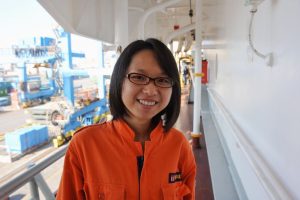
Women represent both half of the world's population – and half the world's economic potential. Their participation in the labour market reduces poverty because they often invest 90 per cent of their income in the well-being, education and nutrition of their families. Yet labour force participation by women has stagnated at about 55 per cent globally since 2010. Moreover, women are disproportionately represented in precarious work – low-paid, low-skilled and insecure jobs.
Training plays an important role in the pursuit of equality of opportunity and treatment for women and men in the world of work. Yet women often lack access to technical and vocational education and training. Many also lack the basic functional skills, such as literacy and numeracy, to participate meaningfully in the work force. Overcoming this challenge requires the adoption of a life-cycle approach. This includes improving girls’ access to basic education; overcoming logistic, economic and cultural barriers to apprenticeships and to secondary and vocational training for young women; and meeting the training needs of women re-entering the labour market and of older women who have not had equal access to opportunities for lifelong learning.
Promotional material
Presentations, discussion papers, meeting reports, promotional materials, videos, fact sheets, brochures and newsletters on skills development for employment.
