World Economic Forum: Global gender gap report 2015
English
Other sources
Experts from many international, regional and national agencies generously share their views, experiences and findings on skills, helping policy-makers among other stakeholders to understand the linkages between education, training and the world of work, and how to integrate skills into national development planning to promote employment and economic growth.

Access to training

Access for all to good quality education, vocational training and workplace learning is a fundamental principle of social cohesion and economic growth. Some groups of people may require targeted attention if they are to benefit from education, training and employment opportunities.
This is particularly the case for disadvantaged youth, lower skilled workers, people with disabilities, and people in rural communities. The attractiveness of vocational education and training is enhanced when combined with entrepreneurship training and when public policies encourage utilization of higher skills by business.
Gender equality
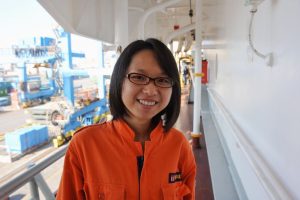
Women represent both half of the world's population – and half the world's economic potential. Their participation in the labour market reduces poverty because they often invest 90 per cent of their income in the well-being, education and nutrition of their families. Yet labour force participation by women has stagnated at about 55 per cent globally since 2010. Moreover, women are disproportionately represented in precarious work – low-paid, low-skilled and insecure jobs.
Training plays an important role in the pursuit of equality of opportunity and treatment for women and men in the world of work. Yet women often lack access to technical and vocational education and training. Many also lack the basic functional skills, such as literacy and numeracy, to participate meaningfully in the work force. Overcoming this challenge requires the adoption of a life-cycle approach. This includes improving girls’ access to basic education; overcoming logistic, economic and cultural barriers to apprenticeships and to secondary and vocational training for young women; and meeting the training needs of women re-entering the labour market and of older women who have not had equal access to opportunities for lifelong learning.
Research papers
Working papers, reports, and other publications from international organizations, academic institutions and bilateral agencies. Research findings to stimulate informed debate on skills, employment and productivity issues.

The Global Gender Gap Index was developed in 2006, partially to address the need for a consistent and comprehensive measure for gender equality that can track a country’s progress over time. In some countries, progress is occurring rapidly regardless of starting point and income level, but in others, change is much slower or negligible. A decade of data has revealed that the Economic Participation and Opportunity gender gap has been closed by 59%, with slow improvements of 3% over the past ten years. In Educational Attainment, the gender gap has decreased compared to 2006 and now stands at 95%. Health and Survival is the sub-index that is closest to parity, at 96%, but the gap has widened slightly compared to 2006. While the most relative improvement over the last decade has been made in Political Empowerment, the gender gap in this area remains the widest, with only 23% being closed.