UNESCO-BREDA Cadre d'action pour l'EFTP
French
Information is gathered from other international organizations that promote skills development and the transition from education and training to work. The Interagency Group on Technical and Vocational Education and Training (IAG-TVET) was established in 2009 to share research findings, coordinate joint research endeavours, and improve collaboration among organizations working at the international and national levels.

Access to training

Access for all to good quality education, vocational training and workplace learning is a fundamental principle of social cohesion and economic growth. Some groups of people may require targeted attention if they are to benefit from education, training and employment opportunities.
This is particularly the case for disadvantaged youth, lower skilled workers, people with disabilities, and people in rural communities. The attractiveness of vocational education and training is enhanced when combined with entrepreneurship training and when public policies encourage utilization of higher skills by business.
Financing of training
Initial education and training and lifelong learning benefit individuals, employers and society as a whole. Economic principles dictate that the costs for services with public and private benefits should be shared between public and private funding, or else too little training will be provided or taken up. Effective mechanisms for financing skills development vary according to countries’ economic and political circumstances and the degree and level of social dialogue established.
Rural employment
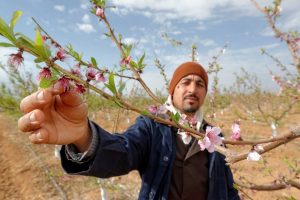
Eight out of 10 of the world’s working poor who live on US $1.25 per day live in rural areas, where many are caught in vulnerable employment, especially in agriculture.Flourishing rural areas are vital to regional and national development. Yet, rural economies tend to face a wide range of challenges that urban areas are more likely to overcome. These include access to transportation, sanitation and health services, and a consumer base in close proximity to support small and medium enterprise development. Women and men working in rural areas also face difficulties associated with a paucity of economic opportunities, under investment, poor infrastructure and public services, including education, and, in many cases, weak governance and underdeveloped markets.
Education, entrepreneurship, and physical and social infrastructure all play an important role in developing rural regions. Skills are central to improving employability and livelihood opportunities, reducing poverty, enhancing productivity and promoting environmentally sustainable development.
Training quality and relevance

National policies and initiatives
National legislation, policies and initiatives on the issue of training and skills development and the world of work.

Un cadre d’action pour promouvoir la réforme de l’enseignement et de la formation techniques et professionnels (EFTP) en Afrique subsaharienne à l’appui du Plan d’action de l’Union Africaine pour la Deuxième décennie de l’éducation (2006-2015)
Ce document a été élaboré par l’UNESCO-BREDA (Bureau régional pour l’éducation en Afrique). Il trace un cadre d’action en vue d’aider les pays d’Afrique subsaharienne, par l’intermédiaire de l’UNESCO et de ses bureaux hors Siège, à relever les nombreux défis aux- quels ils se trouvent confrontés en matière d’enseignement et de formation techniques et professionnels (EFTP).
Il a pour objectif de fournir aux professionnels de l’UNESCO des lignes directrices pour le développement de programmes et d’activités en Afrique subsaharienne. Il aidera les Commissions nationales pour l’UNESCO et les autres partenaires au sein des États membres à repérer dans quels domaines le BREDA et les autres bureaux hors Siège pourront mettre en œuvre leurs instruments et méthodes de travail à l’appui du développement des systèmes nationaux d’EFTP.
Financing training
Informal economy
Rural development
Rural employment
School-to-work transition
TVET systems
Africa
