Linking women with agribusiness in Zambia: Corporate social responsibility, creating shared value and human rights approaches
English
Information is gathered from other international organizations that promote skills development and the transition from education and training to work. The Interagency Group on Technical and Vocational Education and Training (IAG-TVET) was established in 2009 to share research findings, coordinate joint research endeavours, and improve collaboration among organizations working at the international and national levels.

Other topic

Rural employment
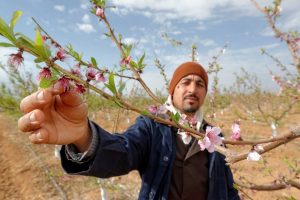
Eight out of 10 of the world’s working poor who live on US $1.25 per day live in rural areas, where many are caught in vulnerable employment, especially in agriculture.Flourishing rural areas are vital to regional and national development. Yet, rural economies tend to face a wide range of challenges that urban areas are more likely to overcome. These include access to transportation, sanitation and health services, and a consumer base in close proximity to support small and medium enterprise development. Women and men working in rural areas also face difficulties associated with a paucity of economic opportunities, under investment, poor infrastructure and public services, including education, and, in many cases, weak governance and underdeveloped markets.
Education, entrepreneurship, and physical and social infrastructure all play an important role in developing rural regions. Skills are central to improving employability and livelihood opportunities, reducing poverty, enhancing productivity and promoting environmentally sustainable development.
Research papers
Working papers, reports, and other publications from international organizations, academic institutions and bilateral agencies. Research findings to stimulate informed debate on skills, employment and productivity issues.

The goal of this research is to derive good practices that enable women to participate more equitably and productively in development led by Africa’s private sector. The analysis examines how women—largely as farmers and employees, but also as entrepreneurs in their own right—are participating in agribusiness. Under what terms and conditions do women participate? What can be done to develop better links between women and agribusiness and improve women’s economic empowerment? To introduce specificity to this inquiry and derive practical recommendations anchored in experience, the research focuses on Zambia, where companies increasingly work with women farmers and employees, and some businesses are interested in programs designed to increase profits while achieving social and developmental goals such as women’s empowerment.
Gender and development
Globalization
Private sector
Rural development
Rural employment
Rural workers
Women
Africa
