Jobs, training and skills: Urban and rural differences
English
Governments
Governments hold a wealth of knowledge on skills development, and are increasingly realizing the value of learning from each others’ experiences. Their policy documents, programme evaluations, and research findings contain their experience and ideas on how to better link skills to employment

Other topic

Rural employment
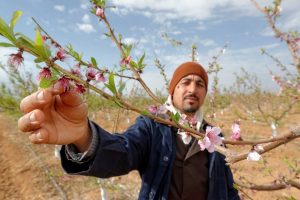
Eight out of 10 of the world’s working poor who live on US $1.25 per day live in rural areas, where many are caught in vulnerable employment, especially in agriculture.Flourishing rural areas are vital to regional and national development. Yet, rural economies tend to face a wide range of challenges that urban areas are more likely to overcome. These include access to transportation, sanitation and health services, and a consumer base in close proximity to support small and medium enterprise development. Women and men working in rural areas also face difficulties associated with a paucity of economic opportunities, under investment, poor infrastructure and public services, including education, and, in many cases, weak governance and underdeveloped markets.
Education, entrepreneurship, and physical and social infrastructure all play an important role in developing rural regions. Skills are central to improving employability and livelihood opportunities, reducing poverty, enhancing productivity and promoting environmentally sustainable development.
Training quality and relevance

Research papers
Working papers, reports, and other publications from international organizations, academic institutions and bilateral agencies. Research findings to stimulate informed debate on skills, employment and productivity issues.

Green skills
Rural development
Rural employment
Rural workers
Survey
Europe and Central Asia
