Increasing rural employment in sub-Saharan Africa
English
Other sources
Experts from many international, regional and national agencies generously share their views, experiences and findings on skills, helping policy-makers among other stakeholders to understand the linkages between education, training and the world of work, and how to integrate skills into national development planning to promote employment and economic growth.

Other topic

Rural employment
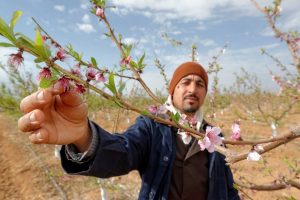
Eight out of 10 of the world’s working poor who live on US $1.25 per day live in rural areas, where many are caught in vulnerable employment, especially in agriculture.Flourishing rural areas are vital to regional and national development. Yet, rural economies tend to face a wide range of challenges that urban areas are more likely to overcome. These include access to transportation, sanitation and health services, and a consumer base in close proximity to support small and medium enterprise development. Women and men working in rural areas also face difficulties associated with a paucity of economic opportunities, under investment, poor infrastructure and public services, including education, and, in many cases, weak governance and underdeveloped markets.
Education, entrepreneurship, and physical and social infrastructure all play an important role in developing rural regions. Skills are central to improving employability and livelihood opportunities, reducing poverty, enhancing productivity and promoting environmentally sustainable development.
Policy and strategy
Recommendations and advice on resolving policy challenges related to skills development systems and their linkages to the world of work. Concise syntheses of experience from the international organizations.

This policy brief introduces some of the facts evolving from Sub-Saharan Africa rural employment issue and provides some policy recommendations which include the improvement of vocational education in rural areas.
Agricultural development
Rural development
Rural employment
Rural workers
Europe and Central Asia
