Sistem pendidikan tinggi Indonesia : Seberapa responsif terhadap pasar kerja?
Indonesian
Information is gathered from other international organizations that promote skills development and the transition from education and training to work. The Interagency Group on Technical and Vocational Education and Training (IAG-TVET) was established in 2009 to share research findings, coordinate joint research endeavours, and improve collaboration among organizations working at the international and national levels.

Career guidance and employment services

Career guidance and counselling, career education and lifelong development of skills for employability are key for success in learning activities, effective career transitions, livelihood planning, entrepreneurship and in increasing labour market participation. They are instrumental in promoting skills utilization, recognition (RPL), as well as in improving enterprise human resource management.
Career development activities encompass a wide variety of support activities including career information and advice, counselling, work exposure (e.g. job shadowing, work experience periods), assessment, coaching, mentoring, professional networking, advocacy, basic and employability skills training (curricular and non-curricular) and entrepreneurship training. It is often an area which is fragmented across different ministries (e.g. education, TVET, employment, youth) requiring an effort to achieve the necessary coordination to provide adequate support to individuals during learning, employment and unemployment/inactivity periods.
Sectoral approaches
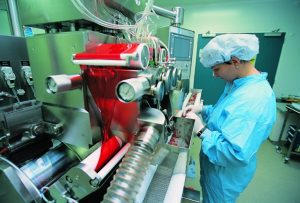
Matching skills to labour market demand requires reliable sectoral and occupational information and institutions that connect employers with training providers. Sector based strategies and institutions have proved effective in engaging all stakeholders in promoting both pre-employment training and life-long learning.
Skills policies and strategies
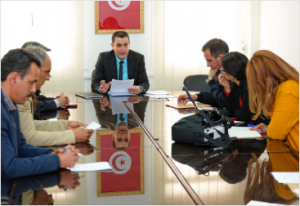
Skills and employment policies should be viewed together. The full value of one policy set is realized when it supports the objectives of the other. For investments in education and training to yield maximum benefit to workers, enterprises, and economies, countries’ capacities for coordination is critical in three areas: connecting basic education to technical training and then to market entry; ensuring continuous communication between employers and training providers so that training meets the needs and aspirations of workers and enterprises, and integrating skills development policies with industrial, investment, trade, technology, environmental, rural and local development policies.
National policies and initiatives
National legislation, policies and initiatives on the issue of training and skills development and the world of work.

Indonesia berada di simpang pembangunan.Sebagai salah satu dari 20 perekonomian terbesar di dunia, Indonesia juga memiliki rencana ambisius untuk mencapai status Negara berpendapatan tinggi dan bergabung dengan G-7 pada tahun 2030. Tidak mudah, tantangan yang dihadapi Indonesia. Status quo mungkin tidak memadai untuk mempertahankan tingkat pertumbuhan saat ini. Oleh karenanya percepatan pertumbuhan sangat penting untuk mencapai tujuan-tujuan yang diharapkan. Peningkatan jumlah kelas menengah yang diikuti dengan pertumbuhan pasar domestik, pesatnya urbanisasi dan perluasan pasar ASEAN membawa berbagai kesempatan sekaligus tantangan. Angkatan kerja yang terampil penting untuk dapat memanfaatkan semua kesempatankesempatan ini. Perekonomian yang didorong oleh inovasi memerlukan angkatan kerja dengan keterampilan tinggi yang diperoleh melalui pendidikan tinggi.
Rekomendasi Kebijakan: Meningkatkan pemahaman mengenai sistem dan mengurai ketidaksesuaian keterampilan. Secara khusus, melakukan pemetaan yang komprehensif terkait permintaan dan persediaan keterampilan di berbagai sektor ekonomi – termasuk keterampilan kognitif, teknis, dan non-teknis (sosial dan perilaku) yang akan memberikan gambaran yang lebih jelas mengenai kekurangan dan kelebihan para lulusan; Pengembangan jaminan mutu pendidikan tinggi dan sistem serta proses akreditasi di masa depan harus dipandu oleh sebuah roadmap dan dengan jelas mengartikulasikan tujuan dan rencana aksi; Otonomi dalam pengambilan keputusan, merupakan prasyarat agar institusi dapat merespon kebutuhan dan insentif, harus disertai dengan akuntabilitas; Ada peluang untuk secara eksplisit mengembangkan kolaborasi antara institusi pendidikan tinggi dan sektor swasta termasuk insentifnya.
Economic growth
Policy convergence
Sectoral approaches
Skills and training policy
Skills mismatch
Transferable skills
Asia and the Pacific
