Career Guidance as a Catalyst for Youth Employability: A Case Study of Rural Employment Services in Kenya
English
Other sources
Experts from many international, regional and national agencies generously share their views, experiences and findings on skills, helping policy-makers among other stakeholders to understand the linkages between education, training and the world of work, and how to integrate skills into national development planning to promote employment and economic growth.

Career guidance and employment services

Career guidance and counselling, career education and lifelong development of skills for employability are key for success in learning activities, effective career transitions, livelihood planning, entrepreneurship and in increasing labour market participation. They are instrumental in promoting skills utilization, recognition (RPL), as well as in improving enterprise human resource management.
Career development activities encompass a wide variety of support activities including career information and advice, counselling, work exposure (e.g. job shadowing, work experience periods), assessment, coaching, mentoring, professional networking, advocacy, basic and employability skills training (curricular and non-curricular) and entrepreneurship training. It is often an area which is fragmented across different ministries (e.g. education, TVET, employment, youth) requiring an effort to achieve the necessary coordination to provide adequate support to individuals during learning, employment and unemployment/inactivity periods.
Rural employment
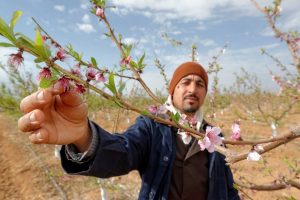
Eight out of 10 of the world’s working poor who live on US $1.25 per day live in rural areas, where many are caught in vulnerable employment, especially in agriculture.Flourishing rural areas are vital to regional and national development. Yet, rural economies tend to face a wide range of challenges that urban areas are more likely to overcome. These include access to transportation, sanitation and health services, and a consumer base in close proximity to support small and medium enterprise development. Women and men working in rural areas also face difficulties associated with a paucity of economic opportunities, under investment, poor infrastructure and public services, including education, and, in many cases, weak governance and underdeveloped markets.
Education, entrepreneurship, and physical and social infrastructure all play an important role in developing rural regions. Skills are central to improving employability and livelihood opportunities, reducing poverty, enhancing productivity and promoting environmentally sustainable development.
Youth employability

Globally, nearly 68 million young women and men are looking for and available for work, and an estimated 123 million young people are working but living in poverty. The number who are not in employment, education or training (NEET) stands at 267 million, a majority of whom are young women. Significantly, young people are three times as likely as adults (25 years and older) to be unemployed.
Skills development is a primary means of enabling young people to make a smooth transition to work. A comprehensive approach is required to integrate young women and men in the labour market, including relevant and quality skills training, labour market information, career guidance and employment services, recognition of prior learning, incorporating entrepreneurship with training and effective skills forecasting. Improved basic education and core work skills are particularly important to enable youth to engage in lifelong learning as well as transition to the labour market.
This webinar will explore the transformative role of career guidance in driving youth employability in rural Kenya. Drawing on practical strategies and lessons from piloted Rural Employment Services in Garissa and Turkana Counties, participants will gain insights into effective approaches for supporting youth in navigating education-to-employment pathways. The session will also inspire stakeholders to leverage career guidance as a tool for enhancing youth employment outcomes and scaling impactful interventions.
Objectives:
Showcase how career guidance can drive youth employability in rural Kenya.
Share practical strategies and lessons from Piloted Rural Employment Services in Garissa and Turkana Counties in Kenya.
Inspire stakeholders to leverage effective career guidance for enhancing youth employment outcomes.
Target Audience:
Career guidance practitioners, public employment officers, youth program managers, educators and TVET trainers, NGOs and development partners, researchers, and youth leaders.
Time: 19 November 2025 at 16:00 -17:00 EAT
Place: Online, please register at https://webinar.cdak.co.ke/
More information: https://webinar.cdak.co.ke/
