Career education and guidance in initial vocational education and training in Central and Eastern Europe
English
Other sources
Experts from many international, regional and national agencies generously share their views, experiences and findings on skills, helping policy-makers among other stakeholders to understand the linkages between education, training and the world of work, and how to integrate skills into national development planning to promote employment and economic growth.

Apprenticeships
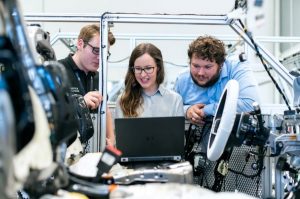
Quality apprenticeships based on robust social dialogue and public-private partnerships can improve employment prospects for young people while developing high level skills identified by employers as necessary for growth and increased productivity. Both informal and regulated apprenticeship systems are important learning resources enabling young people to overcome the work-inexperience trap, gain new and enhanced skills and recognized qualifications.
Upgrading informal apprenticeships and expanding regulated ones is a cost-effective way to invest in a country’s skills base, promote economic growth and enhance the employability of youth.
Governance and coordination mechanisms
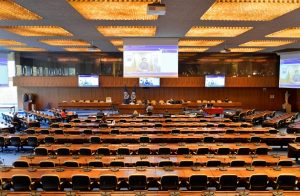
Effective governance and coordination are key elements of successful skill systems. Whilst coordination is an important factor, it needs to operate alongside other key conditions to strengthen governance. When multi-level governance is supported by effective communication, sustainable financing and effective coordination, it has the best chance of supporting the establishment of a lifelong learning ecosystem that enables individuals and enterprises to more effectively navigate the world of work and learning.
Youth employability

Globally, nearly 68 million young women and men are looking for and available for work, and an estimated 123 million young people are working but living in poverty. The number who are not in employment, education or training (NEET) stands at 267 million, a majority of whom are young women. Significantly, young people are three times as likely as adults (25 years and older) to be unemployed.
Skills development is a primary means of enabling young people to make a smooth transition to work. A comprehensive approach is required to integrate young women and men in the labour market, including relevant and quality skills training, labour market information, career guidance and employment services, recognition of prior learning, incorporating entrepreneurship with training and effective skills forecasting. Improved basic education and core work skills are particularly important to enable youth to engage in lifelong learning as well as transition to the labour market.
We are pleased to invite you to the upcoming webinar entitled “Career education and guidance in initial vocational education and training in Central and Eastern Europe“ which will explore current trends, challenges, and innovative practices in supporting I-VET students’ career development across the region, with a focus on the Czech Republic, Hungary, Romania, and Slovakia.
Career guidance plays a key role not only in general secondary education but also in initial vocational education and training. Specialised practitioners or teachers are key factors in preparing students for further and higher education, facilitating their transition to the labour market, and strengthening their employability and commitment to lifelong learning.
The event aims to provide a platform for educators, practitioners, and researchers to exchange perspectives on contemporary approaches, challenges, and successful practices in career guidance within vocational education and training (VET). During the webinar, participants will have the opportunity to engage in an in-depth discussion on the similarities and differences in career education practices in the VET across the region.
The webinar will address the following key topics:
• The role of career education in enhancing employability and lifelong learning
• Integration of career guidance into dual training systems
• National and regional good practices in Slovakia, Romania, the Czech Republic, and Hungary
• Supporting disadvantaged and at-risk learners through targeted interventions
Time: 17:00-18:30 CET
Participation link: https://us02web.zoom.us/j/82017942690?pwd=qPeNCpWwMlLtbHrPPijaM6D0mImvl4.1
For more information: https://cee-guidance.eu/event/career-education-and-guidance-in-initial-vocational-education-and-training-in-central-and-eastern-europe/
